
Choose between quote, reserve and add-to-cart buttons
Choose storefront actions that match how rental requests, carts, temporary holds and confirmed reservations actually work.
Choose storefront actions that match how rental requests, carts, temporary holds and confirmed reservations actually work.

Connect a WordPress rental catalog to booking, then verify product links, overlapping dates and what staff see on accepted orders.
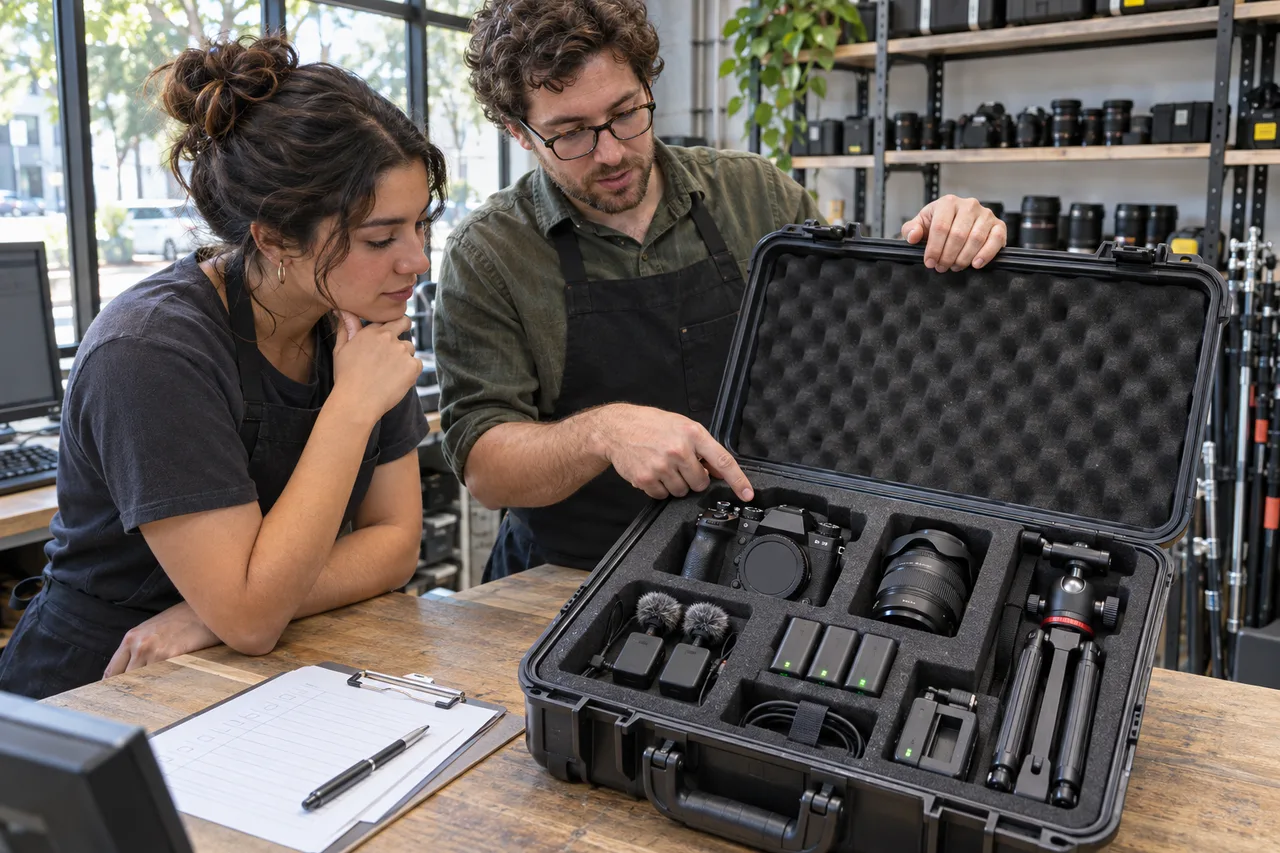
Offer useful camera kits and accessories that fit the job, reserve their shared components and price the complete handoff.
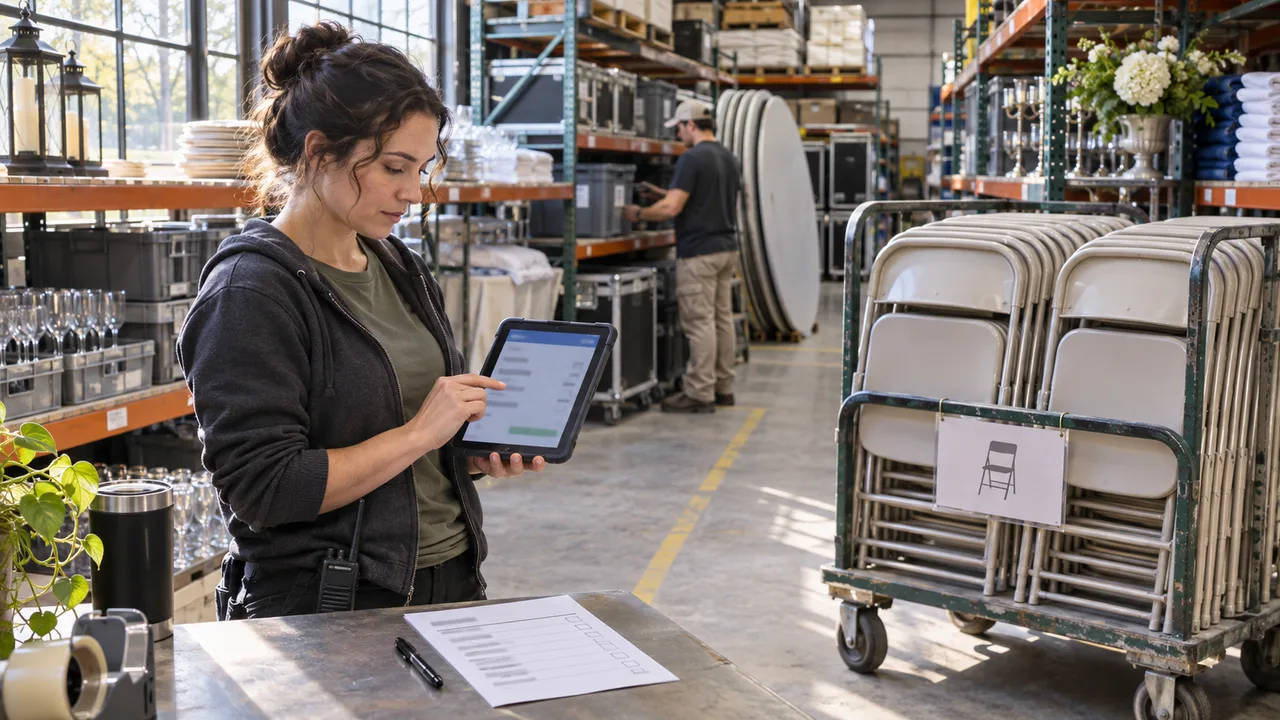
Automate a single rental handoff and verify what happens when a booking is confirmed, revised, repeated or canceled.

Find the buyers, words and sales routes for an unusual rental, then test a practical package with real dates and qualified inquiries.
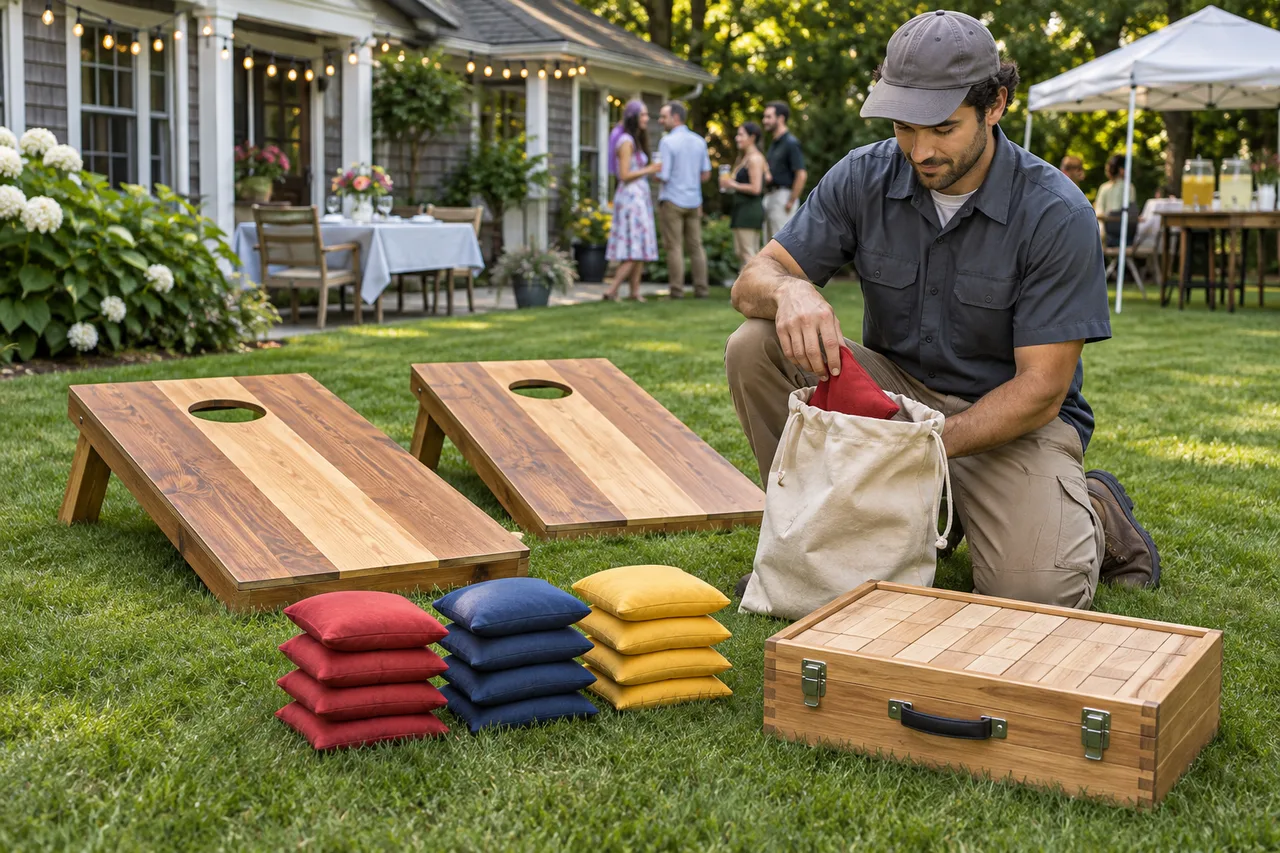
Build lawn game listings and kit checklists that make it easy to book, prepare, hand off and count back each set.

Keep the same business name, booking reference and contact cues across the rental catalog, quote, payment and pickup.

Use a quieter rental week to reconcile equipment records, resolve inventory differences, and improve maintenance and warehouse handoffs.

Test your rental calendar with overlapping orders, prep and inspection time, stock transfers, partial returns and local time changes.

Compare rental ideas by the hours, storage, staff and returns they require before accepting orders or buying equipment.
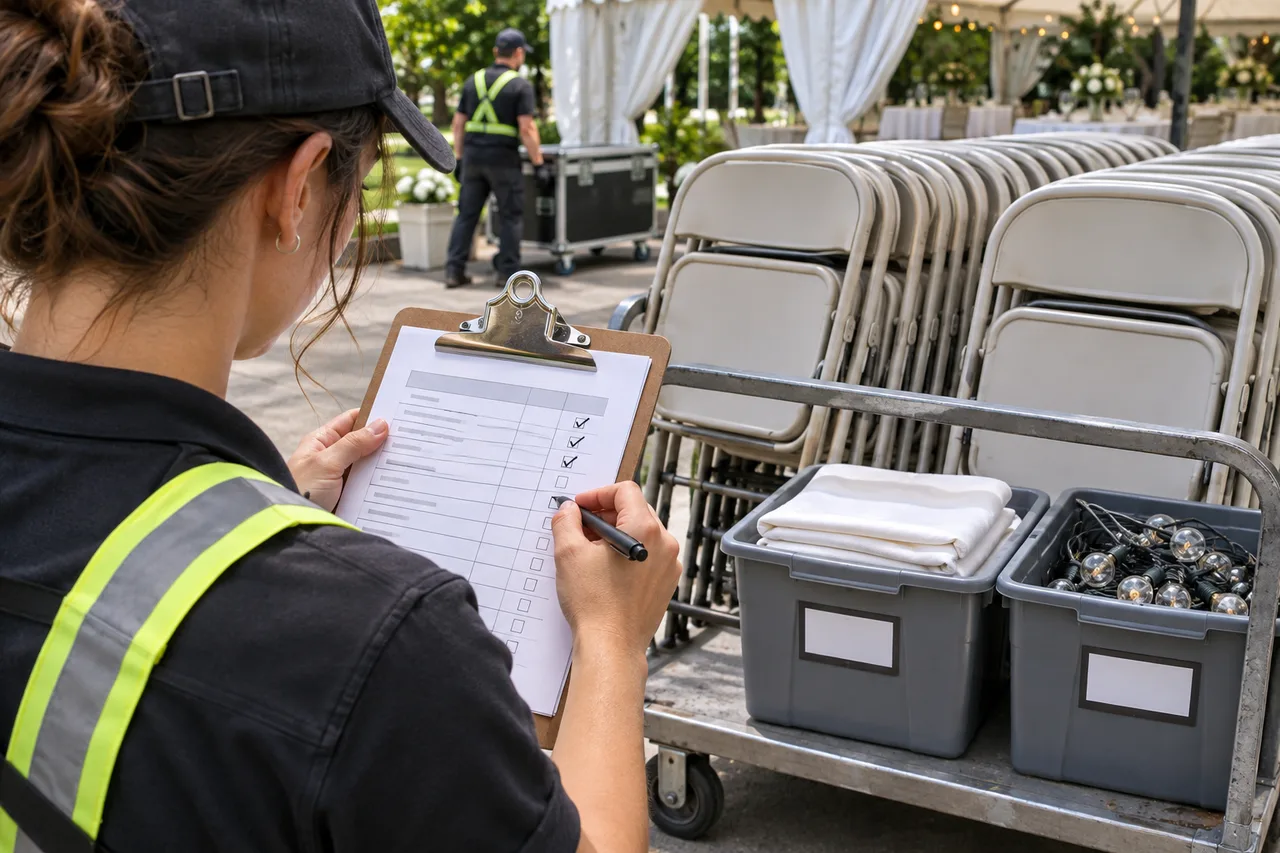
Turn an accepted rental order into a packing slip that shows components, locations, quantities and what actually left.

Compare the work and time behind daily, weekend and weekly rental prices, and handle extensions without overbooking.

Connect storefront activity to actual revenue and customer experience.
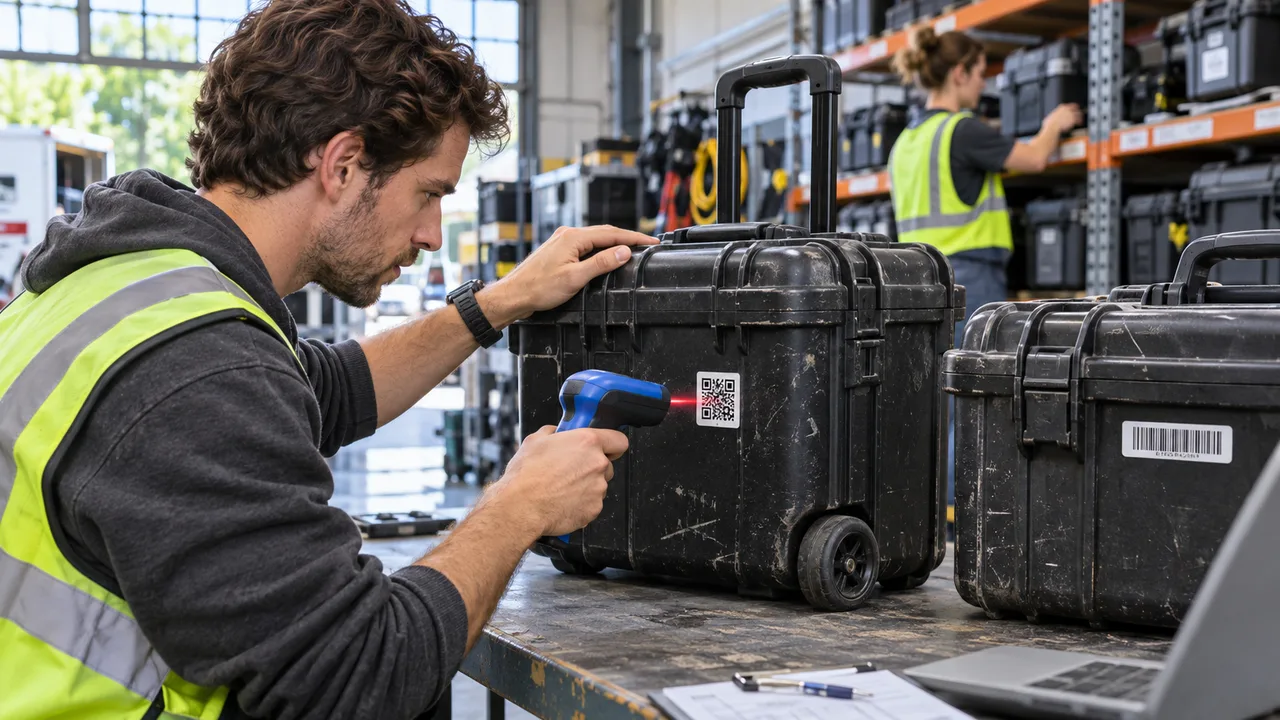
Compare QR codes and linear barcodes using the scanners, rental cases and receiving workflows your crew actually uses.

Make rental storefront updates easier to maintain with shared product records, clear ownership and a repeatable preview and recovery process.

Compare promotions by the rental jobs they deliver, the dates they help fill and the staff time they take to run.
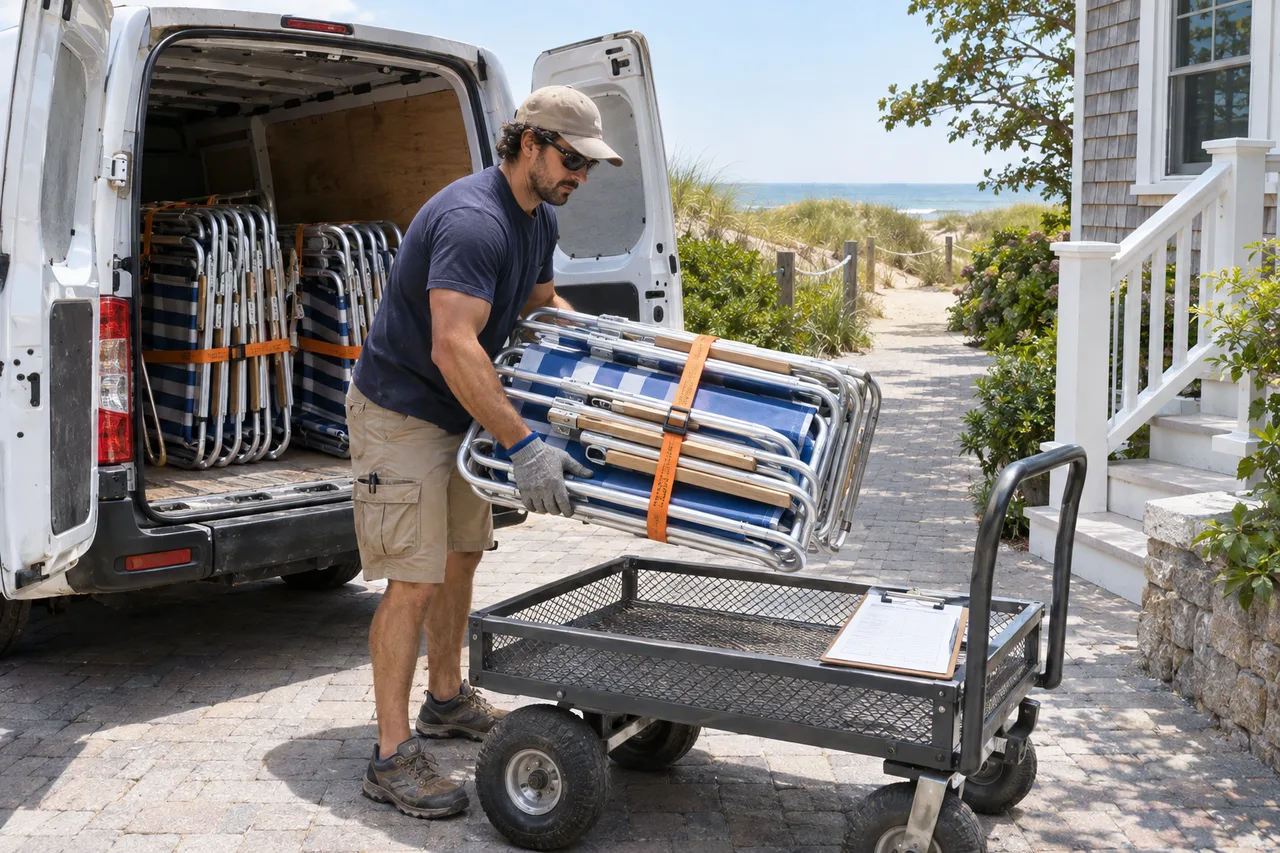
Test beach chair delivery and collection stops before buying a fleet, and plan how returned kits become ready for the next route.

Test a redesigned rental storefront before launch by following real booking, quote, checkout and customer account tasks.
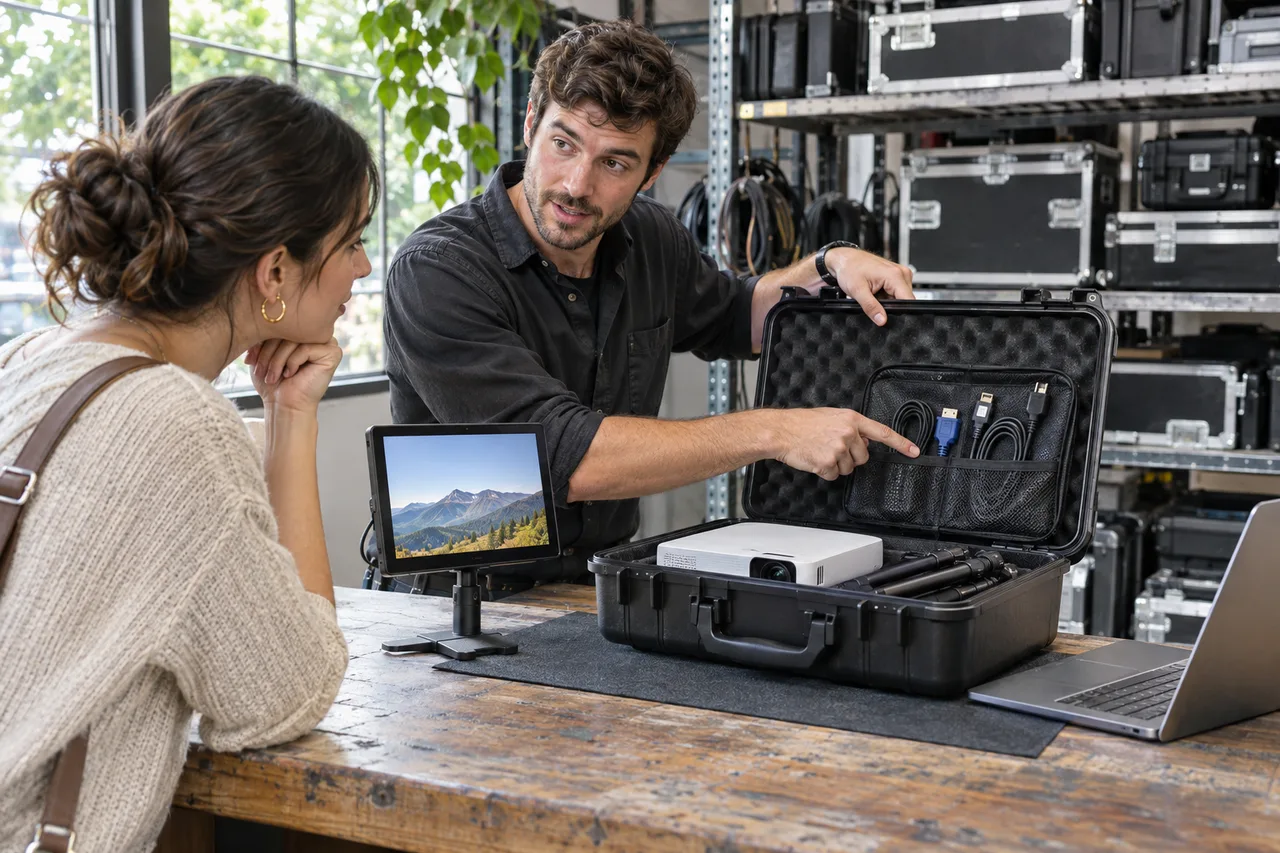
Build a short AV rental demo around equipment setup, handoff notes and the support questions customers ask most often.

Compare rental traffic sources using consistent links, eligible inquiries and completed orders the shop can verify.
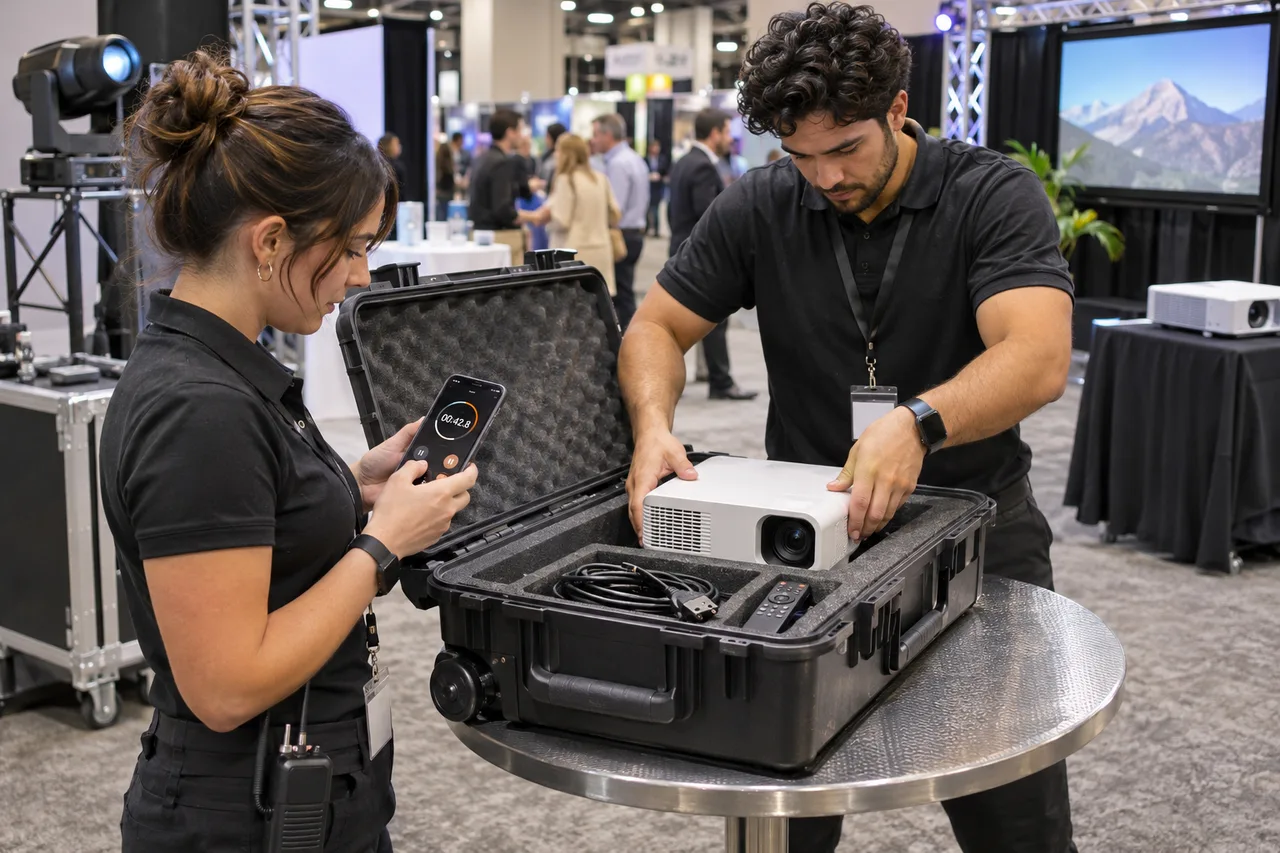
Use a realistic return scenario at a trade show to see how equipment is checked, repacked and released for the next rental.
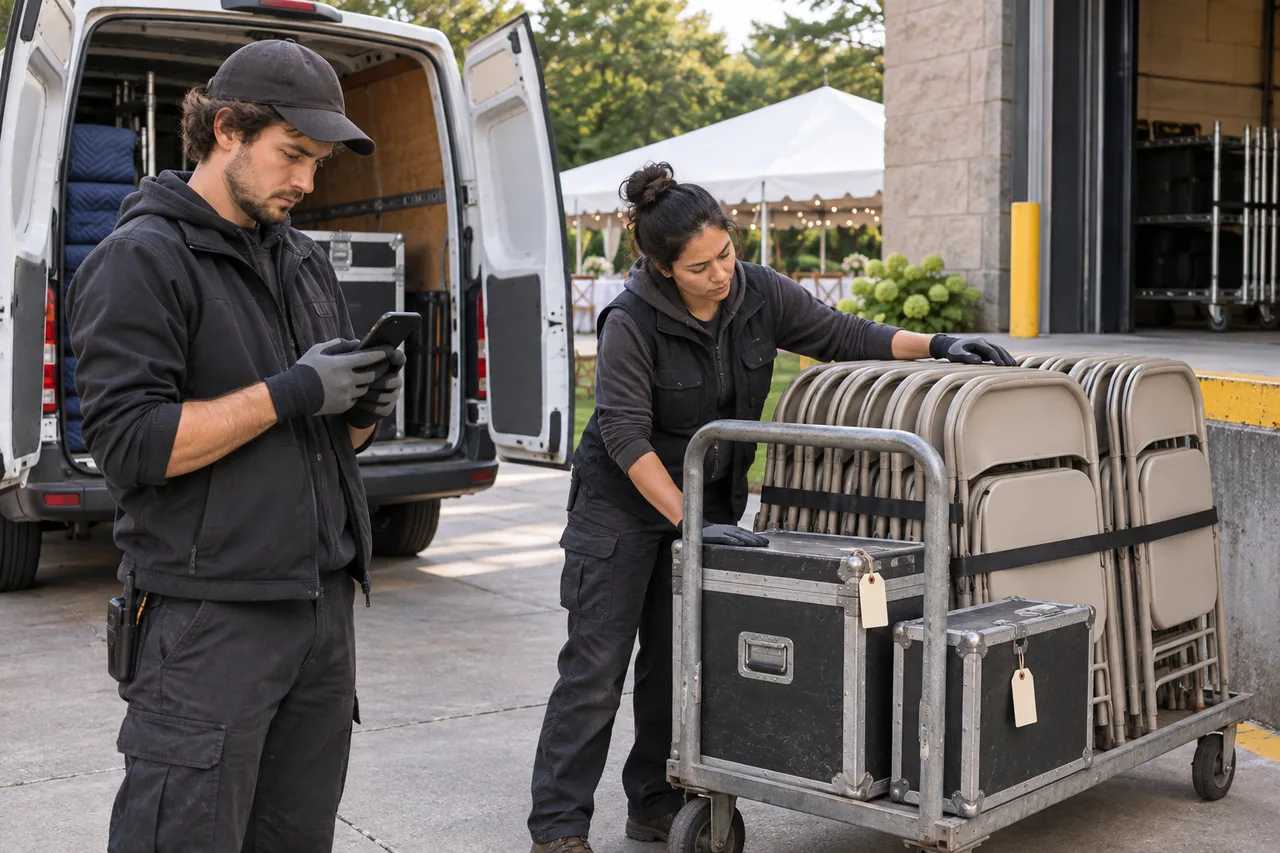
Test your rental crew’s mobile workflow at loading, delivery and collection, including weak connections, changed instructions and partial returns.
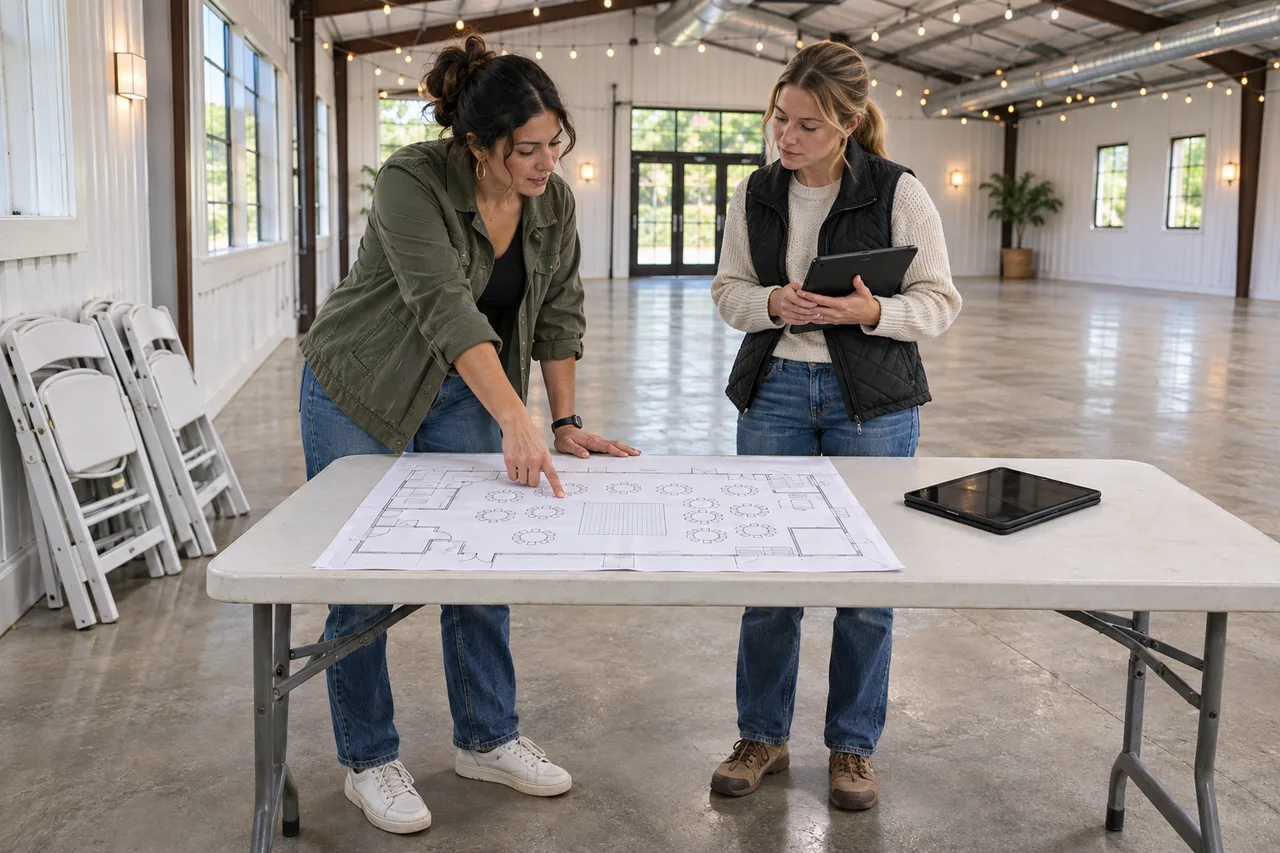
Qualify large event inquiries by confirming venue, service and approval details before placing a temporary hold on rental stock.

Know when to call about a rental quote, ask focused questions about access or service, and record the decision in a revised offer.
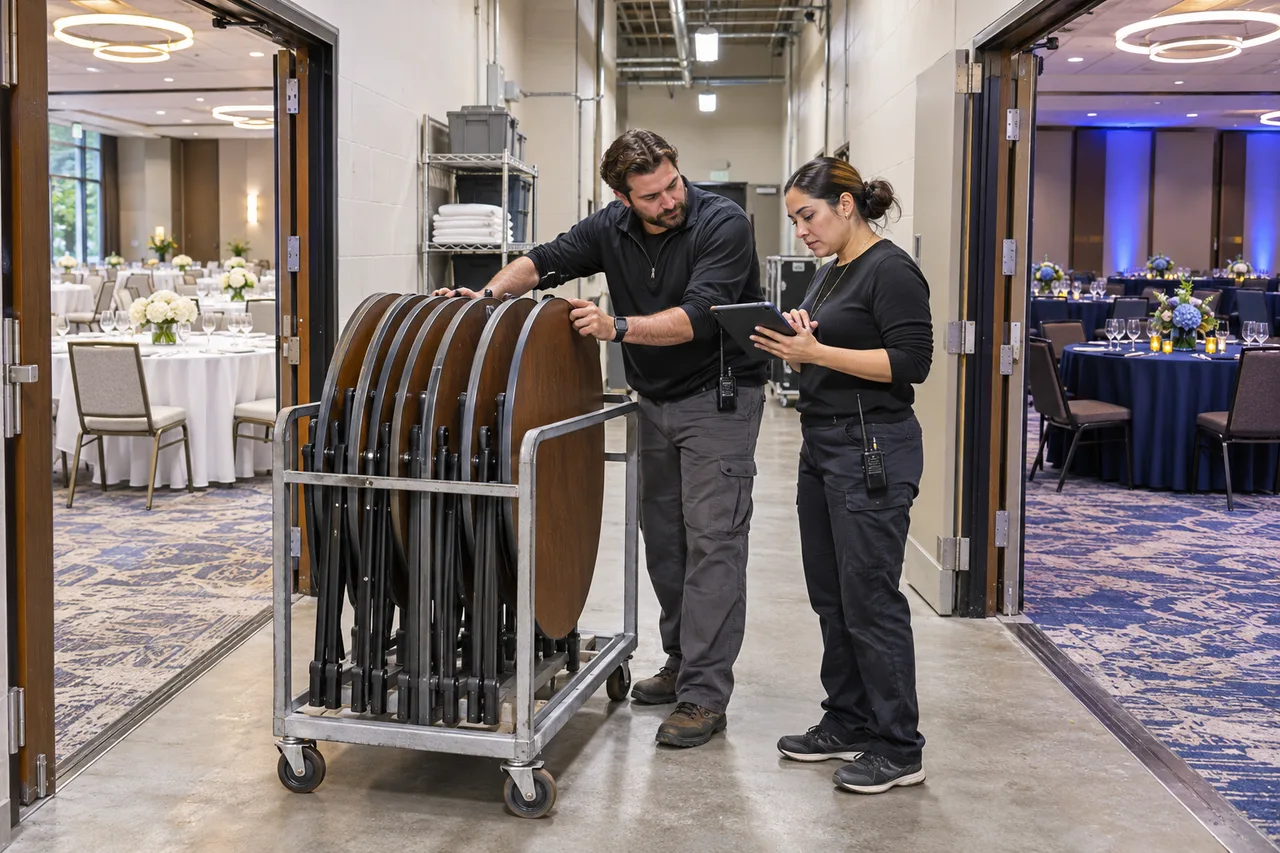
Allocate equipment across venue rooms, track actual handoffs and resolve overlapping claims before setup.

Set clear payment milestones around booking, final changes, dispatch and order closeout.

Make estimates easy to understand, approve, and pay.
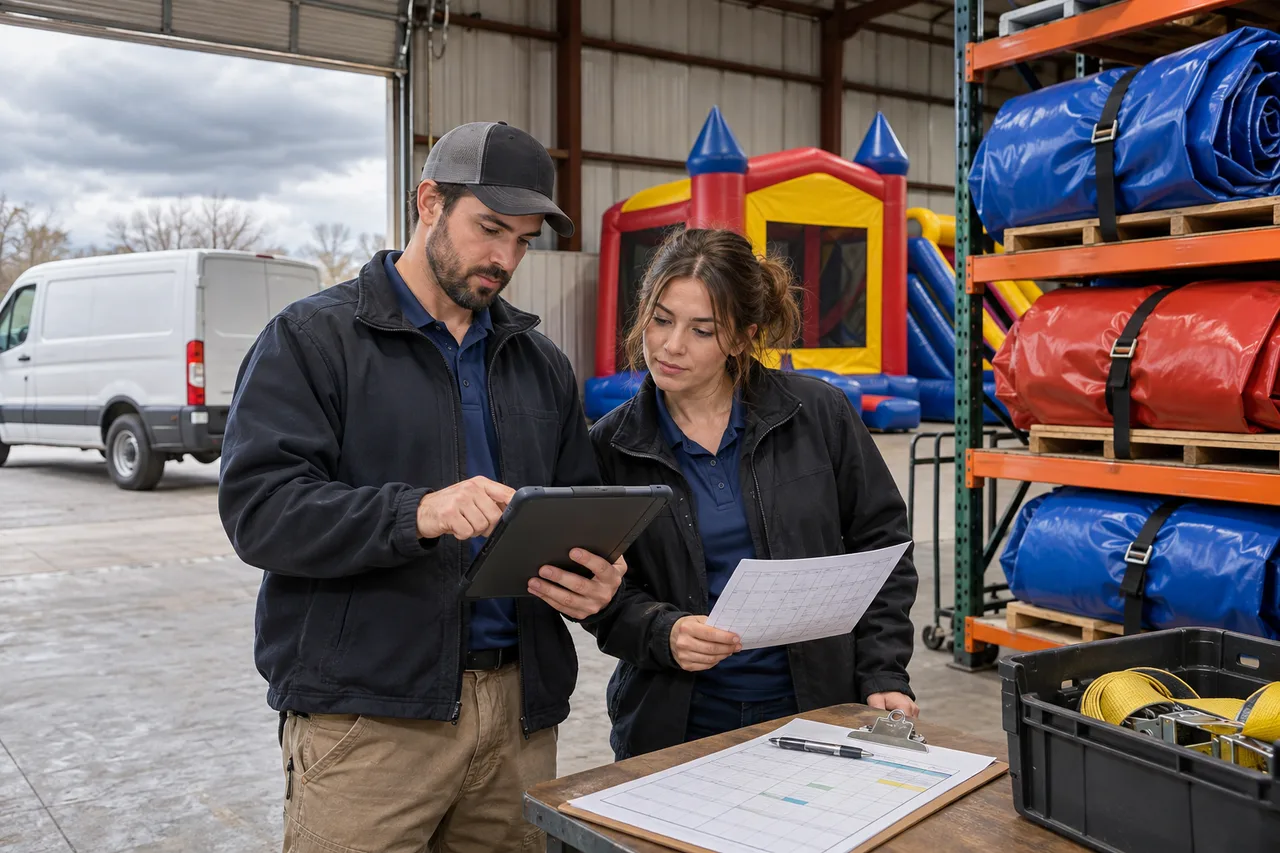
Use a sample inflatable rental to compare software from a new inquiry through venue changes, dispatch and return.

Build clear roles, backups and handoffs that carry current orders from your rental office through staging, delivery and return.
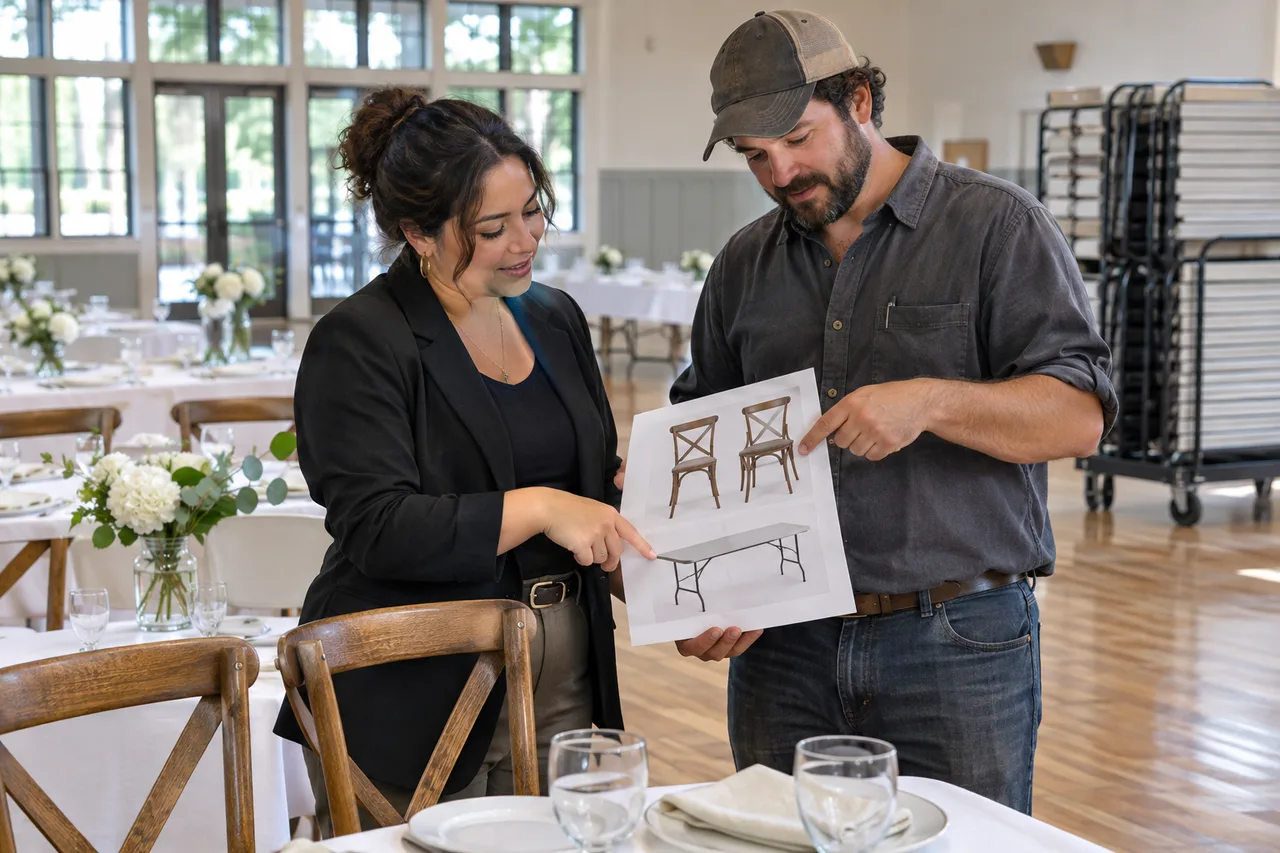
Develop local rental demand through venues, community events and referral partners with accurate rental offers and measurable follow-through.

Design a rental website around how customers check availability, understand delivery costs, and complete a booking.

Configure rental software fields, booking statuses, templates and team views around the handoffs staff perform each day.
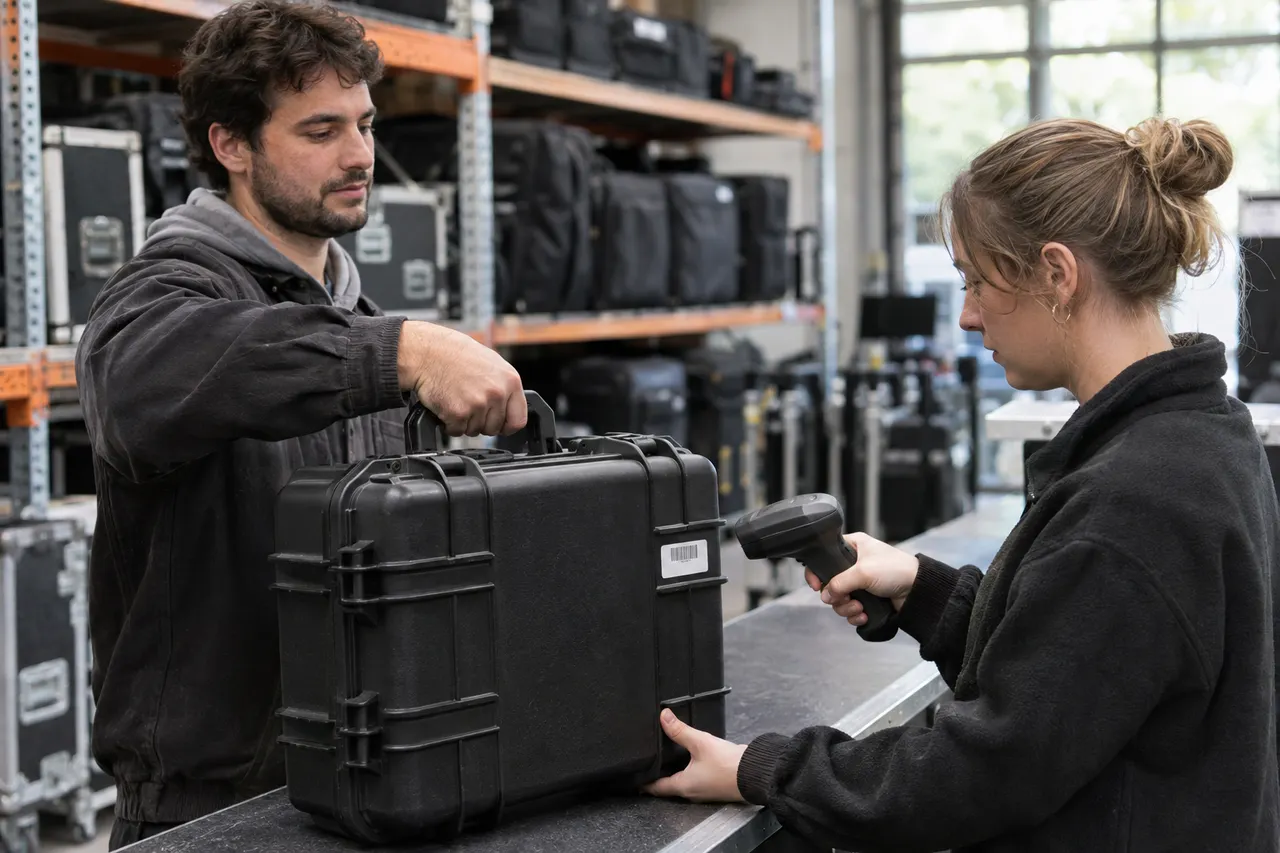
Track shared equipment from issue to transfer and verified return, with clear steps for offline handoffs, damage and overdue items.
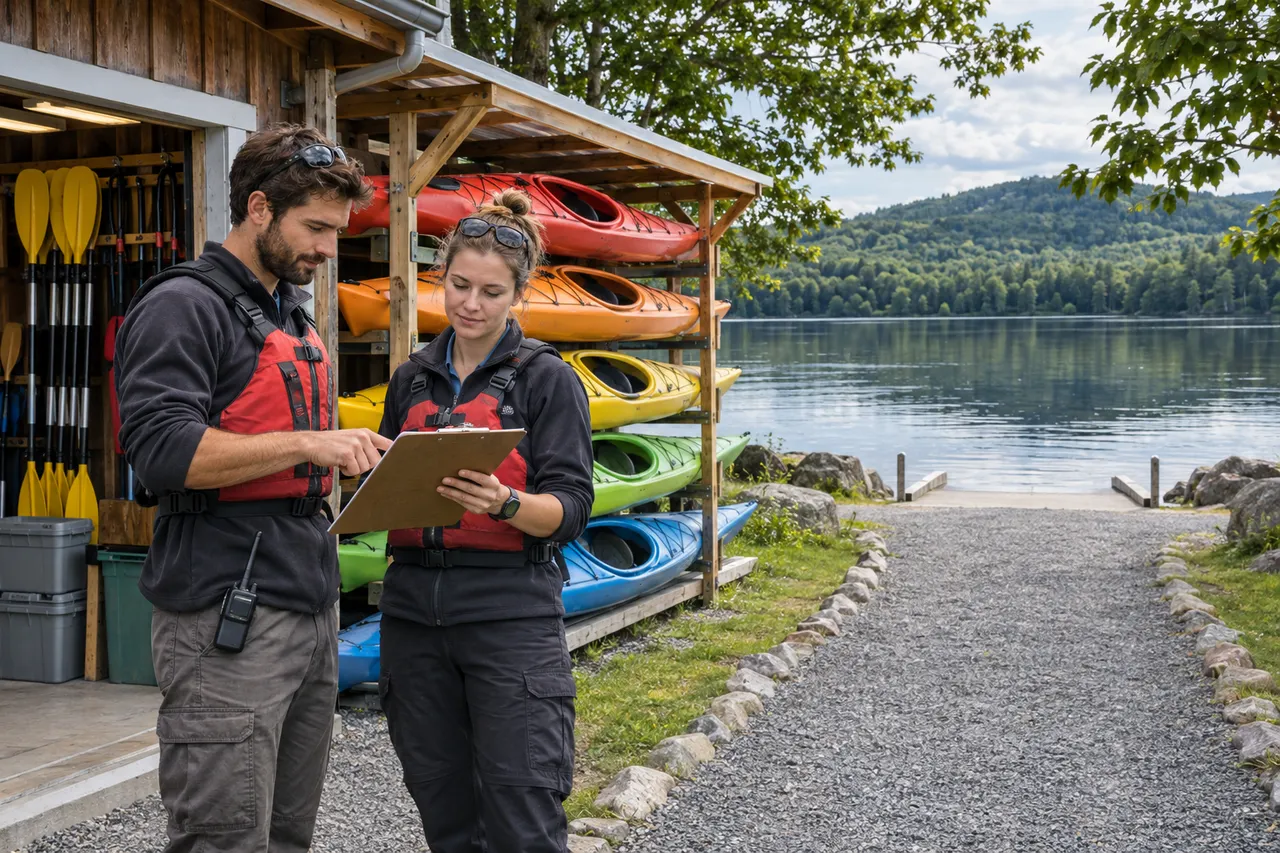
Schedule kayak rentals around check-in, approved launches, shuttle capacity, verified returns and equipment readiness.

Film a short rental TikTok that answers one real equipment question and helps viewers find the right item or ask about dates.

Evaluate a rental trend with qualified inquiries, an equipment handling check and a small trial before committing to new stock.
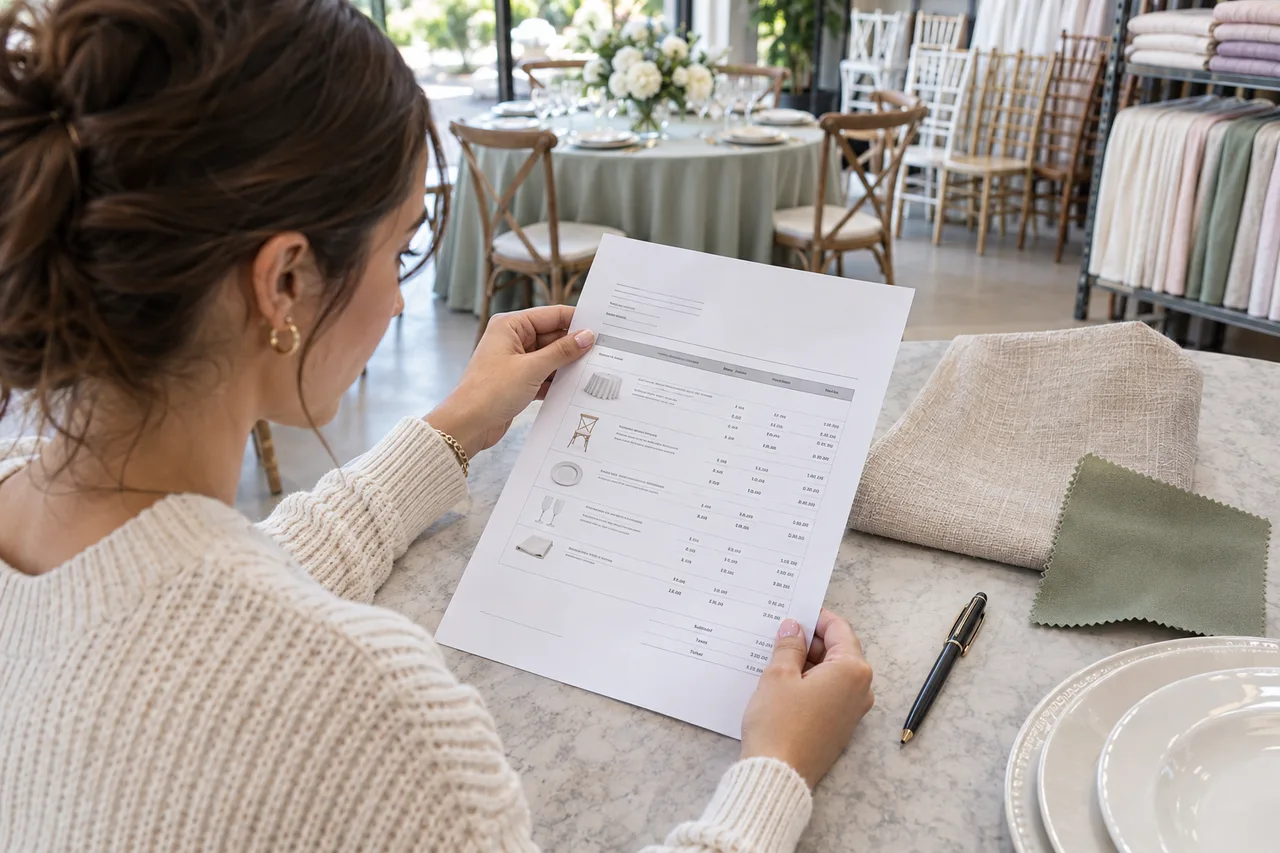
Build an event rental quote that makes equipment counts, service scope, delivery timing, prices and approval easy to check.
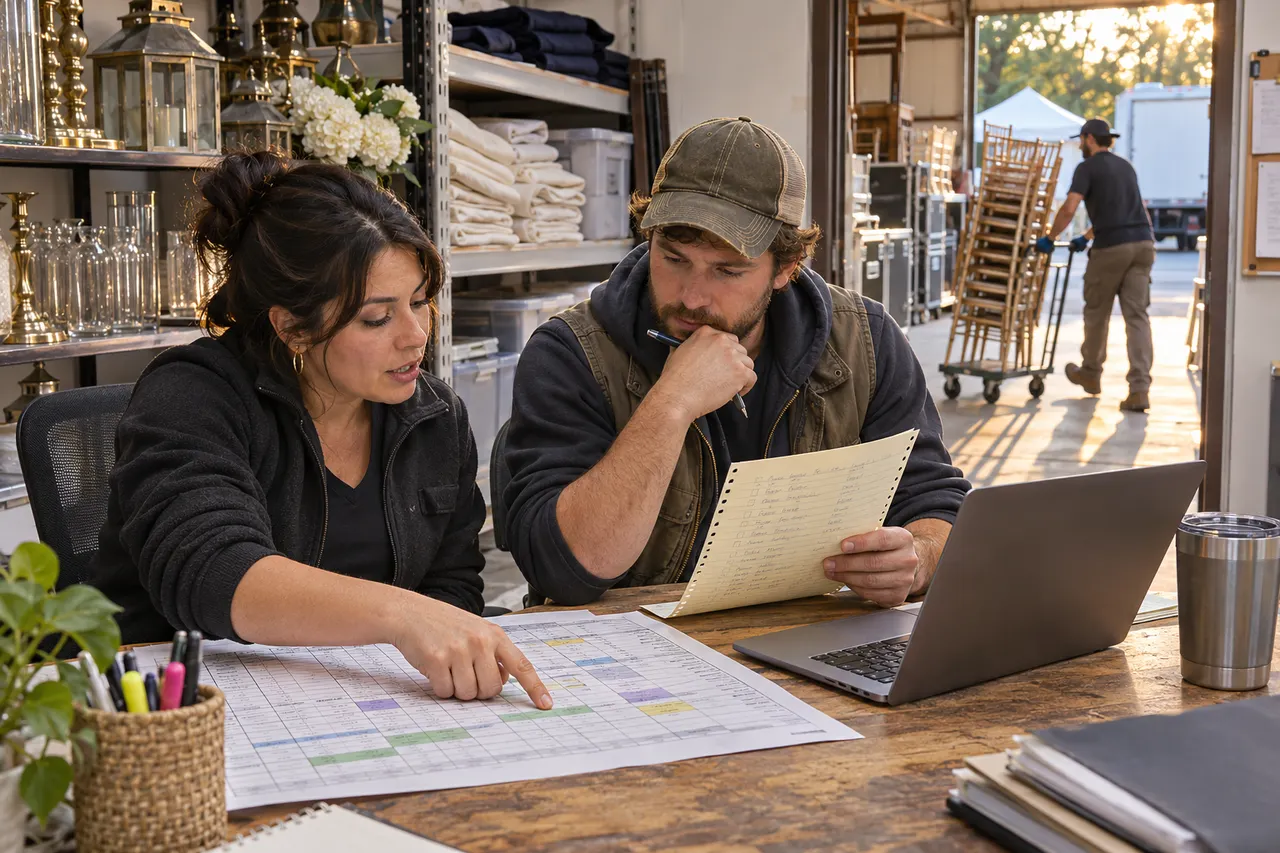
Measure when a rental spreadsheet causes delays or double entry, and test whether a shared booking system would solve those problems.
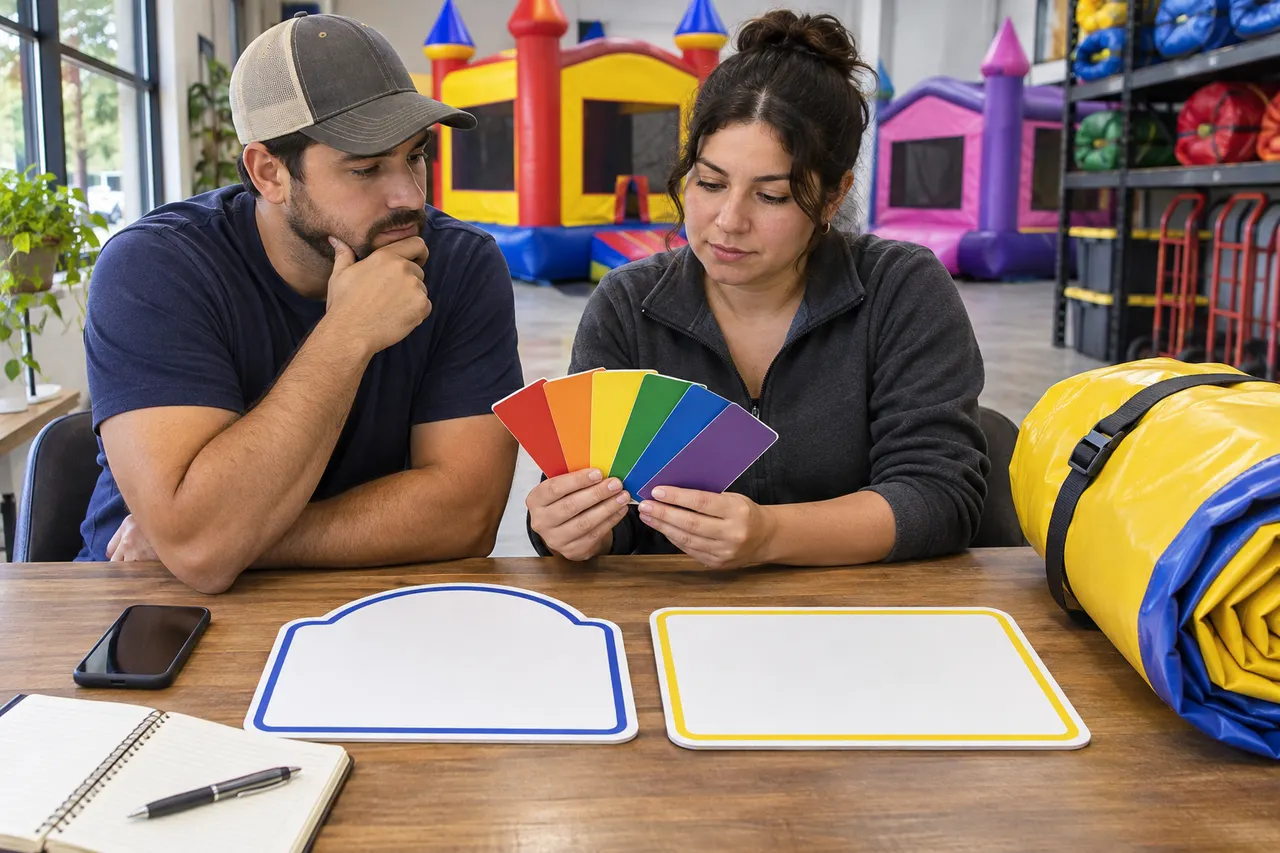
Test bounce house business names in real referrals, compare finalist names and plan how your chosen identity will appear across each booking.

Plan container availability around job type, site review, trucks, facility time, exchanges and the point when a returned unit is ready again.

Use fulfilled bookings to decide which rental rates need to change, explain the new terms, and measure the result.
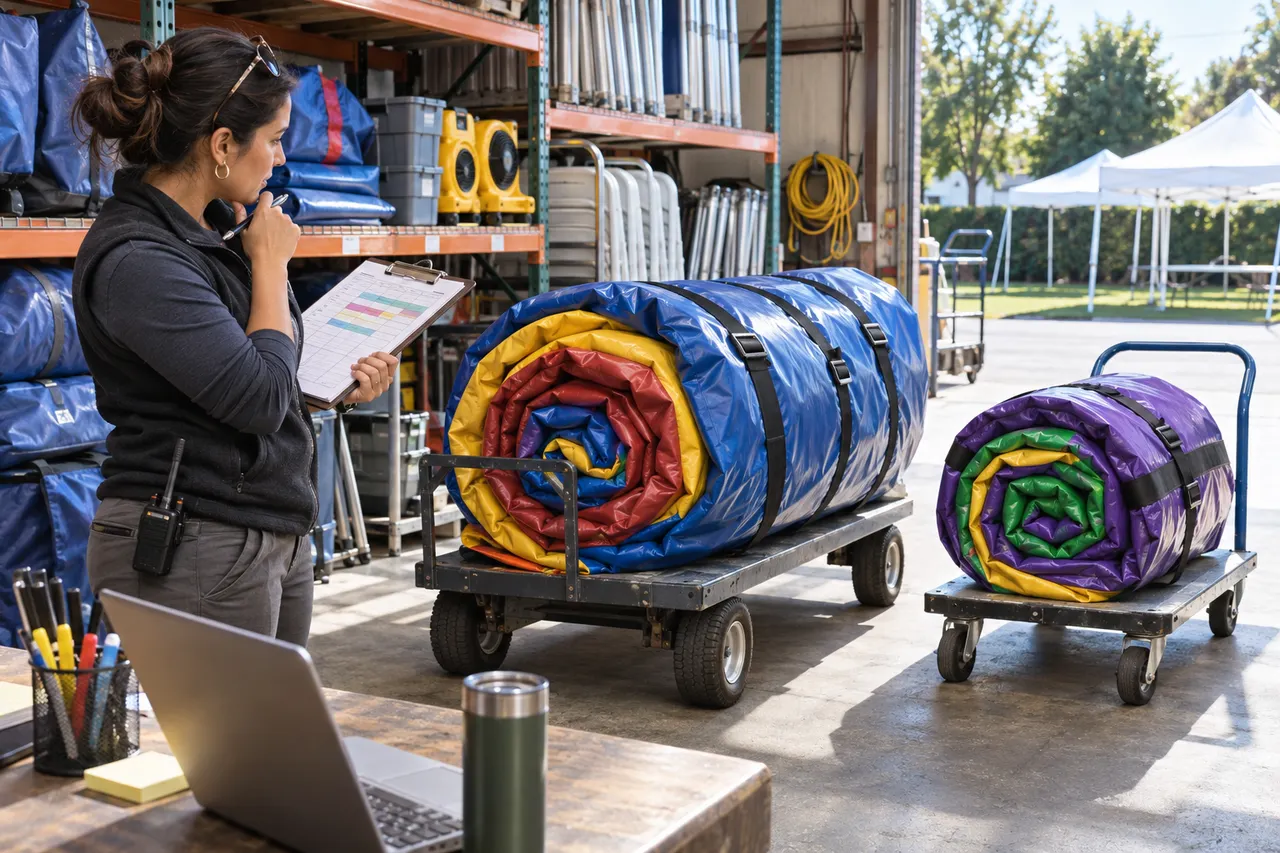
Grow an inflatable fleet by tracking qualified demand, site review, crew and vehicle capacity, and actual time to release returned units.

Compare actual rentals, unfilled requests and fulfillment costs before adding equipment customers regularly rent.
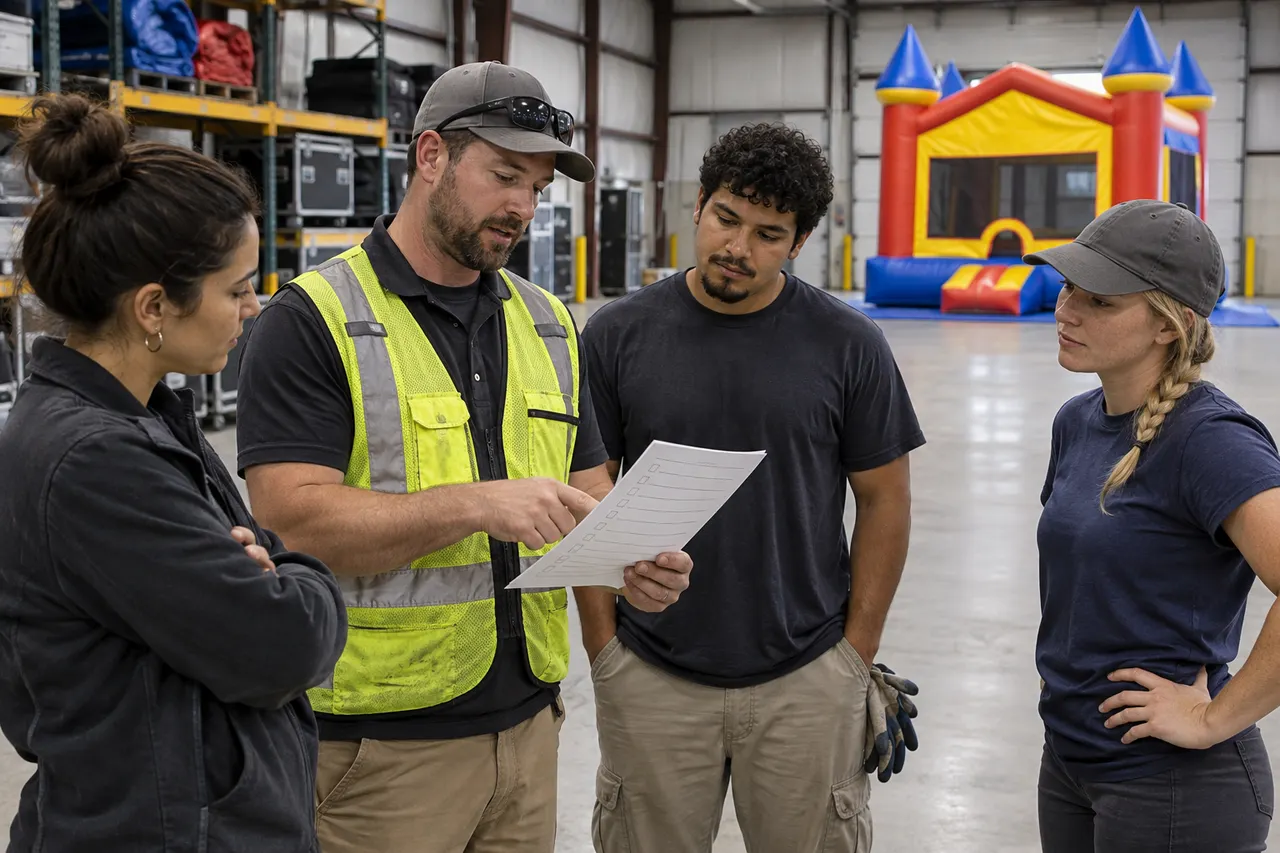
Plan model-specific preseason training around qualified instruction, role-based practice, escalation and observed crew readiness.

Help rental staff record actual hours and route event-day changes to the right approver, using examples for delays, customer charges and returns.
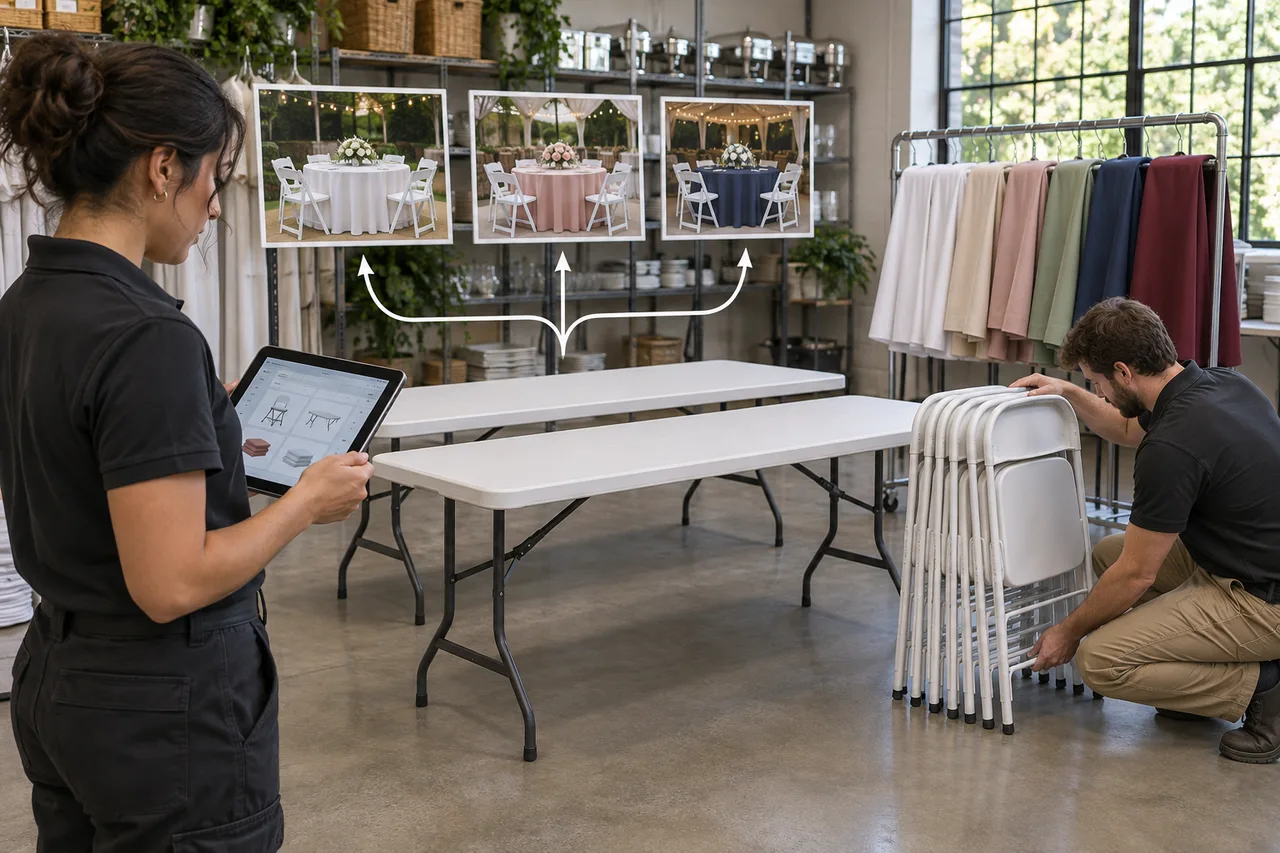
Group compatible rentals, add-ons and bundles while checking shared stock, booking dates and pack lists.
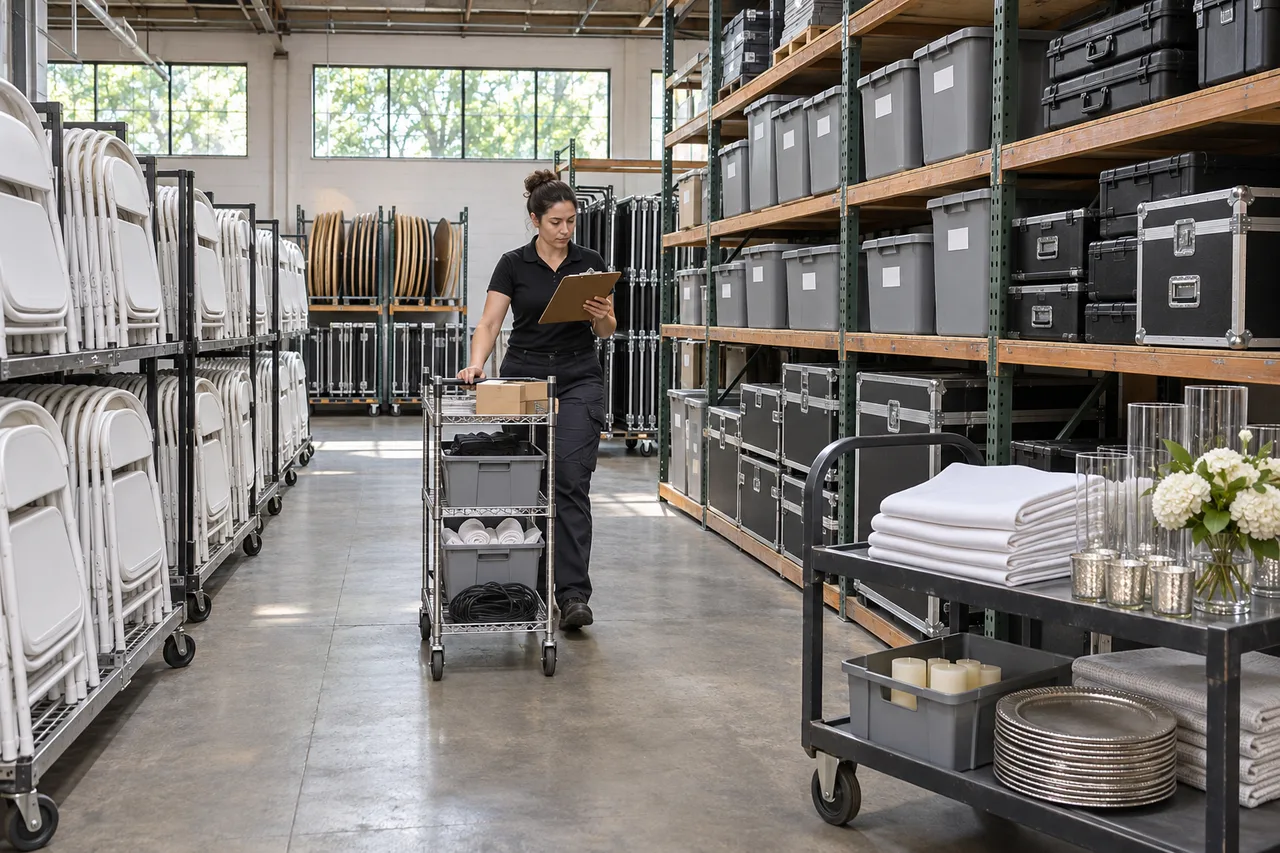
Organize equipment storage, picking, staging and returns around the real path each rental order takes.
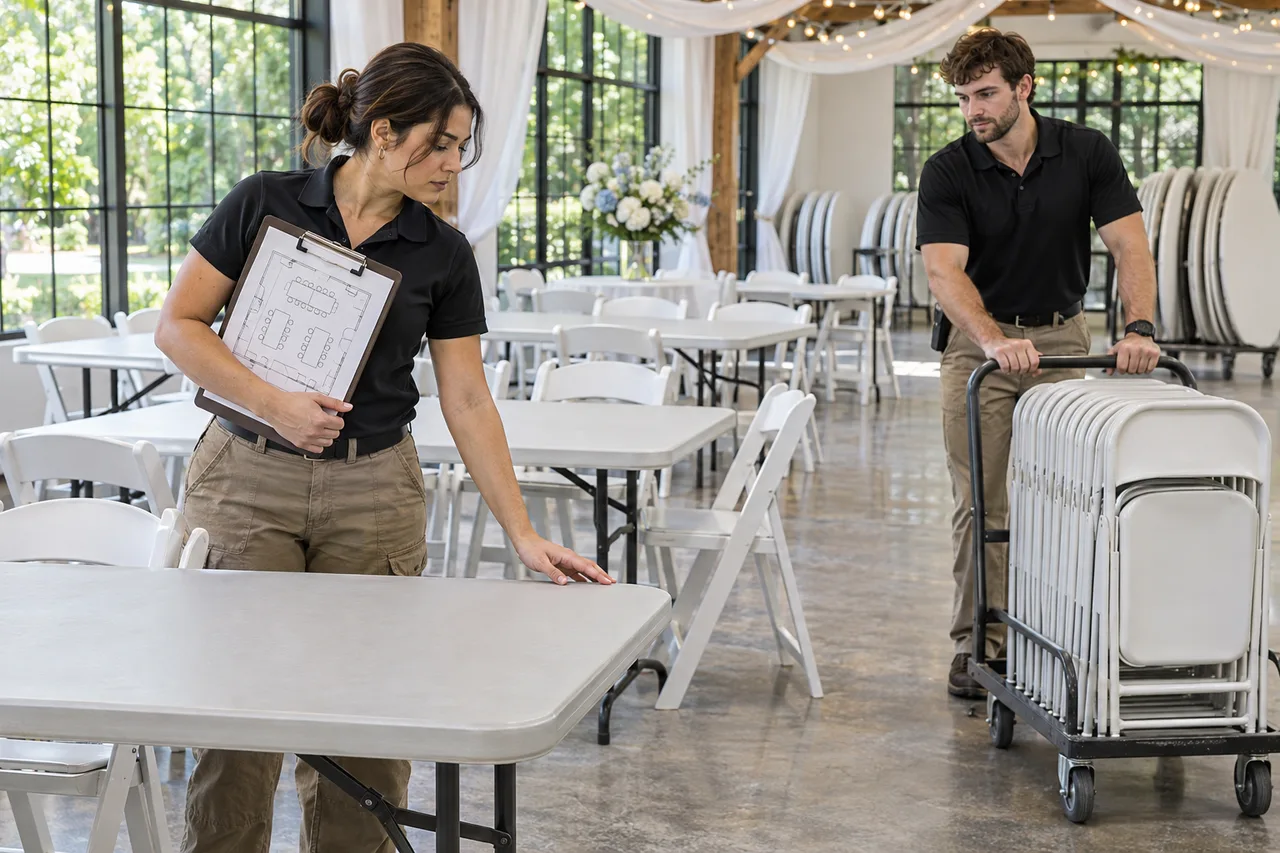
Build table and chair packages from actual room layouts, furniture counts, vehicle loads and return handoffs.
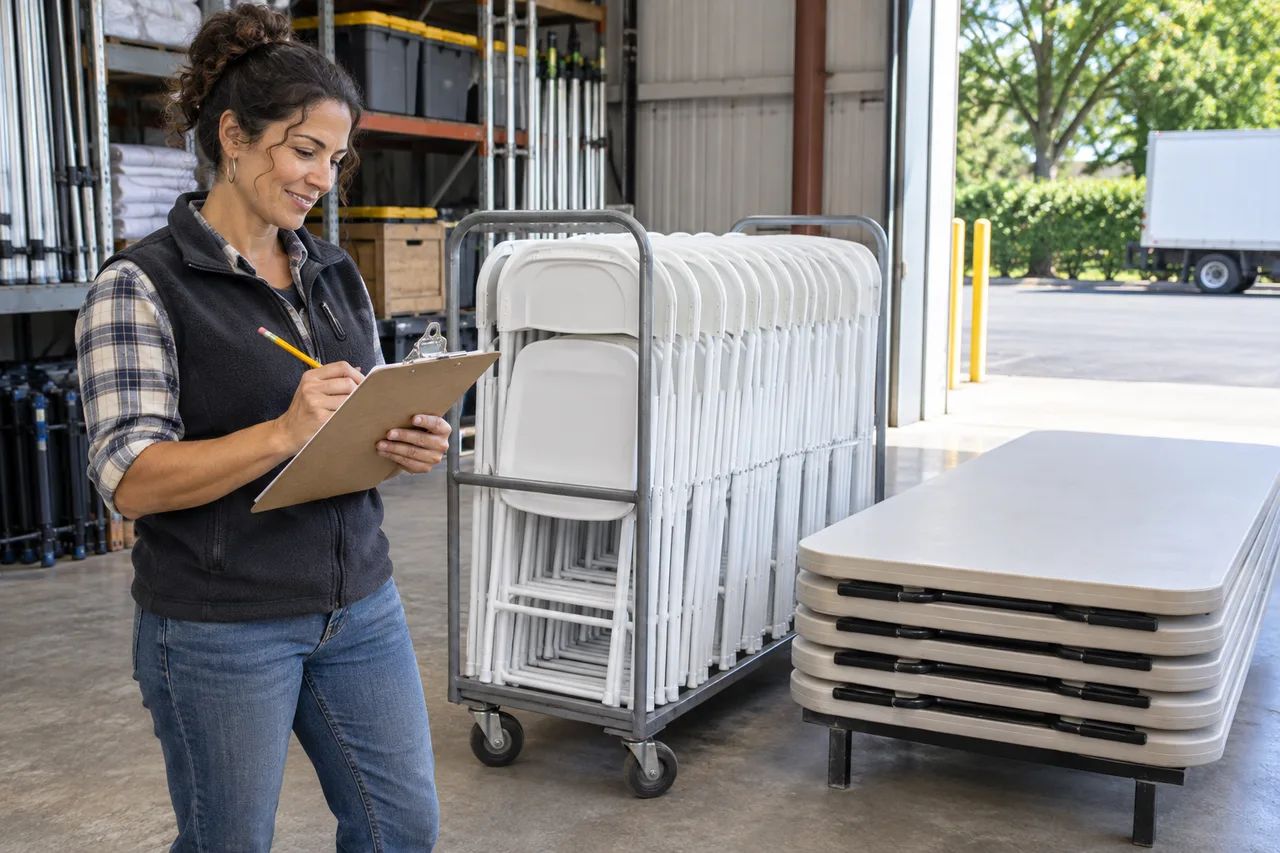
Test a rental business with a narrow paid offer, then measure customer demand and the full cost of completing each job.
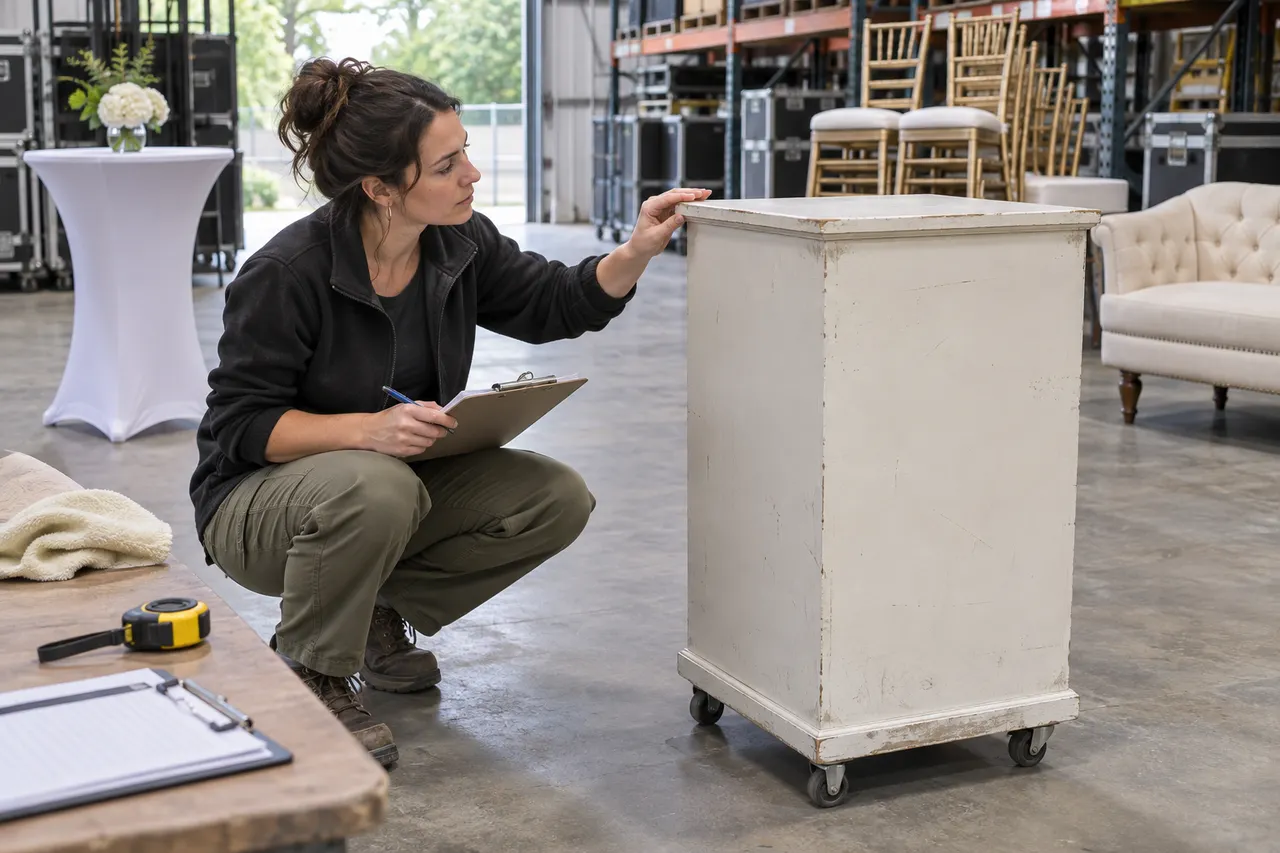
Test customer demand, landed cost, loading, storage and a real order before committing to a small party rental purchase.

Build a focused catalog, validate demand, and set up a repeatable rental process before expanding.
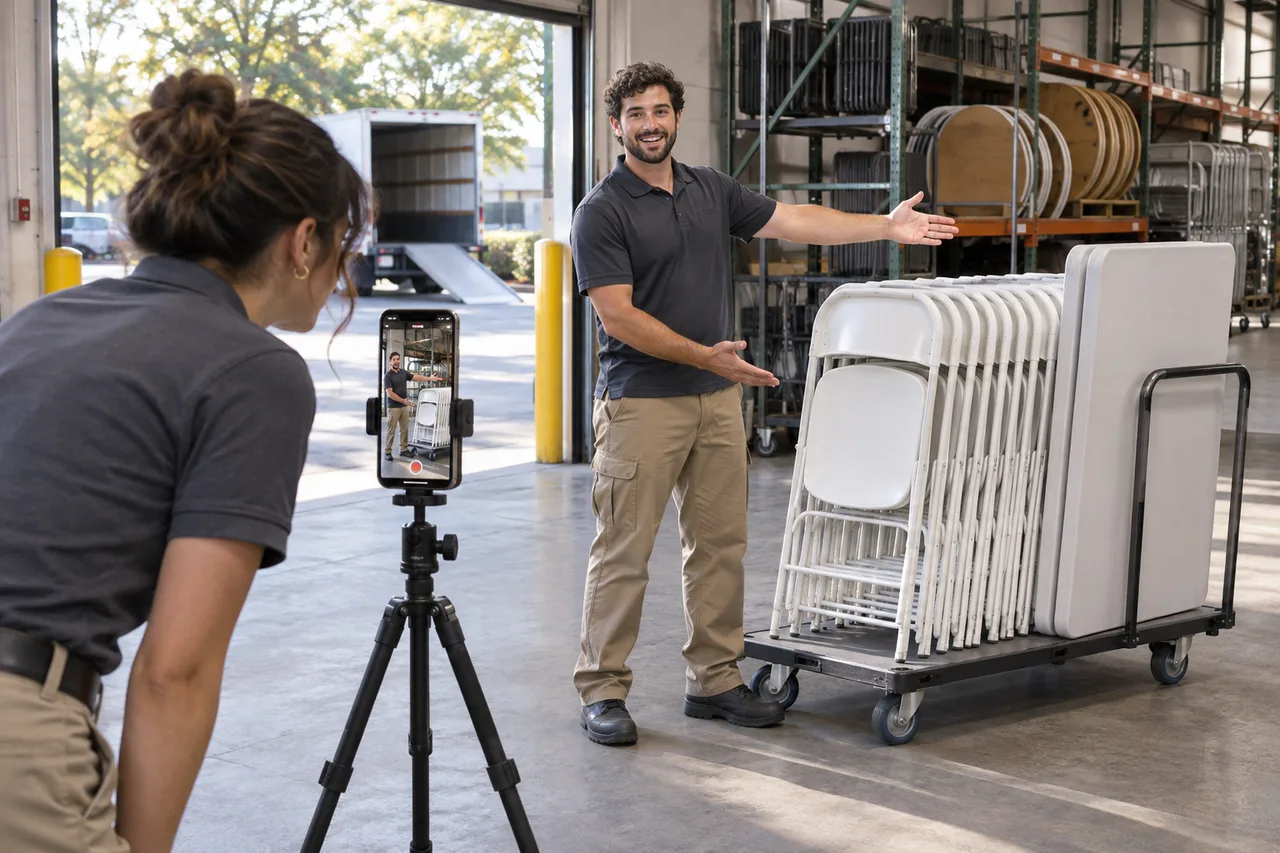
Answer common rental questions with short, accessible videos that show real equipment and lead to a useful next step.

Plan a safe transfer of products, future bookings, customers, and website URLs.
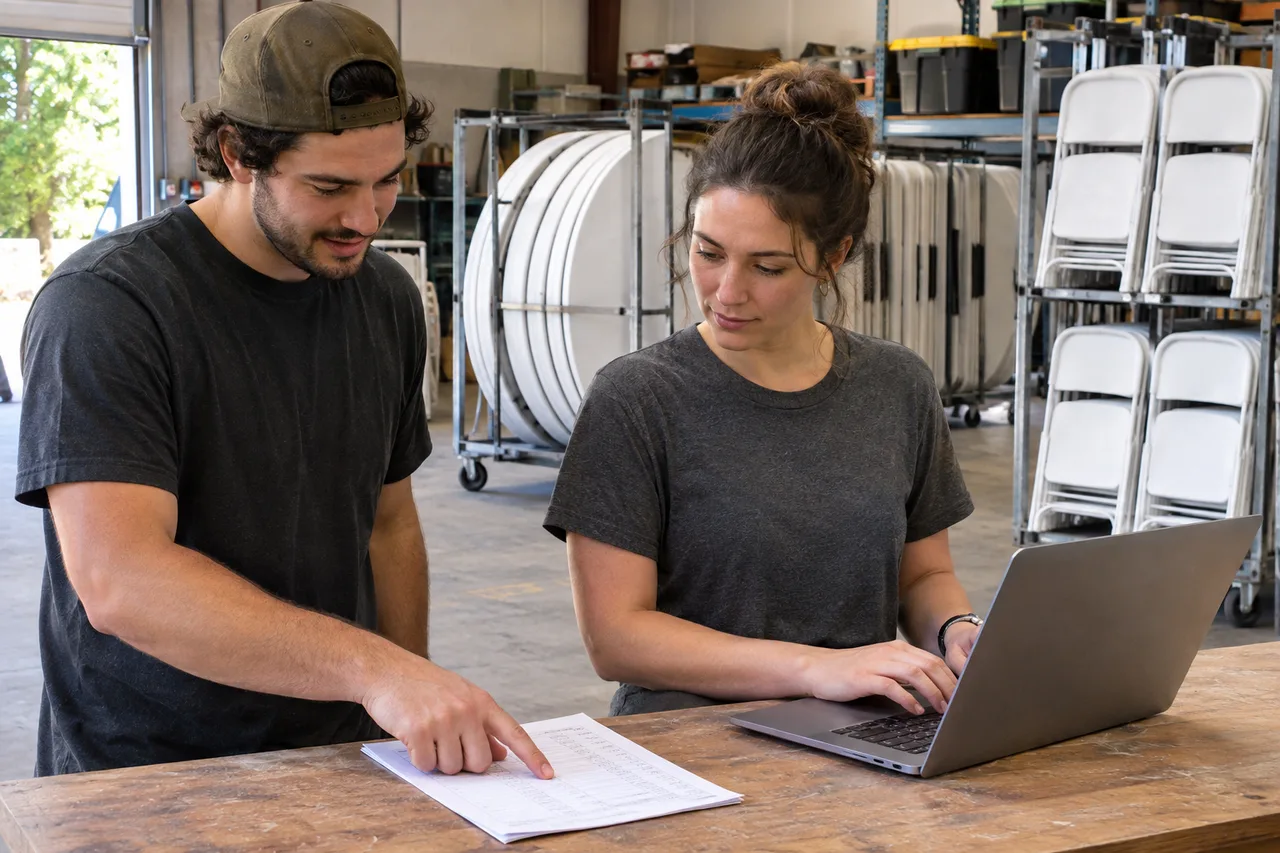
Set up a first-season rental workflow that tracks inquiries, equipment availability, payments, warehouse handoffs and returns.
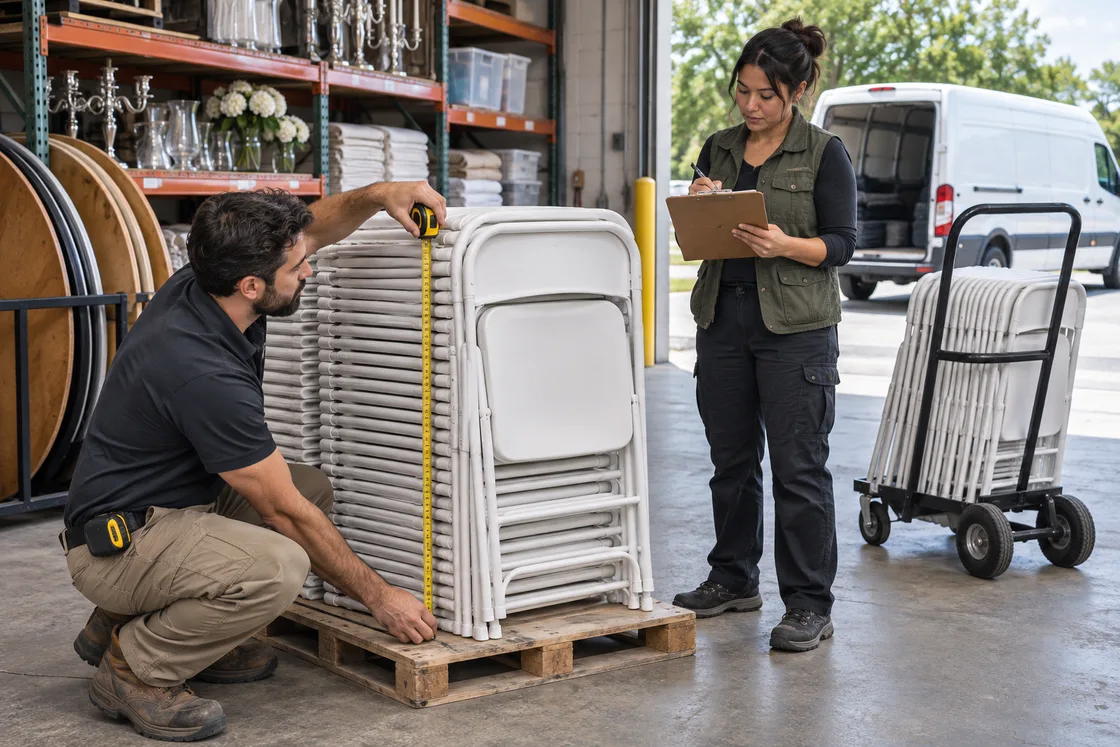
Build rates that account for equipment use, time, and the true cost of fulfillment.
Understand why stock counts and reservation timestamps must work together.
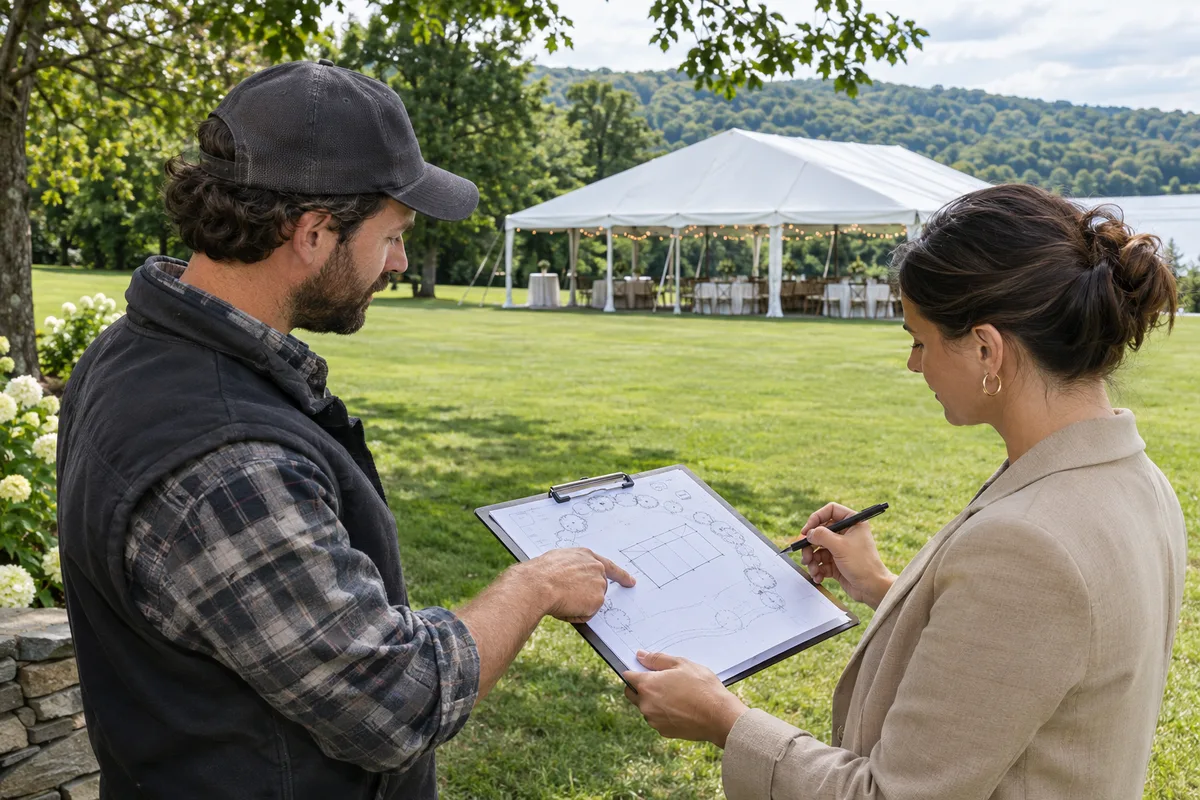
Turn a verified venue plan into a tent rental quote with clear access assumptions, crew time, equipment reservations, and a reliable handoff.
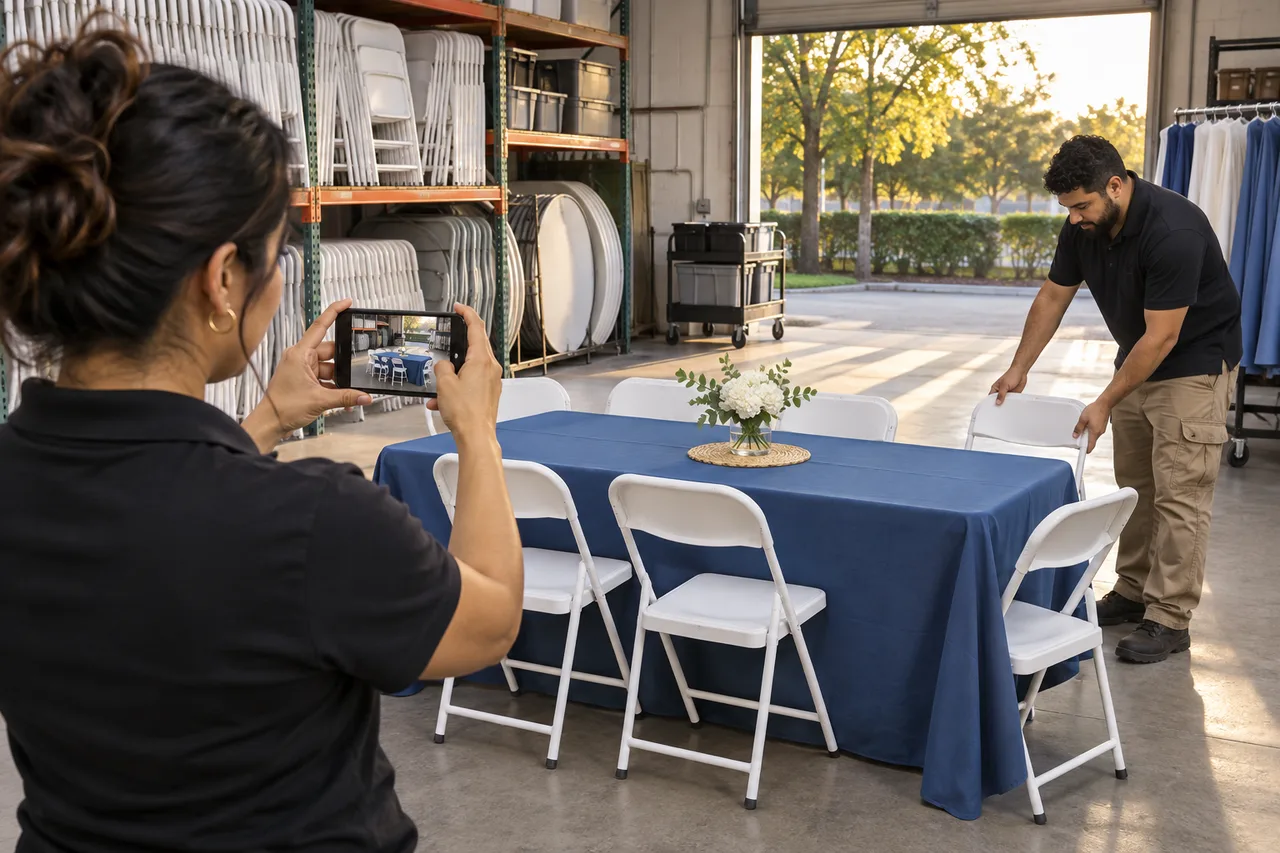
Show an authentic rental setup to a local audience and follow the path from an introduction to an inquiry or completed booking.
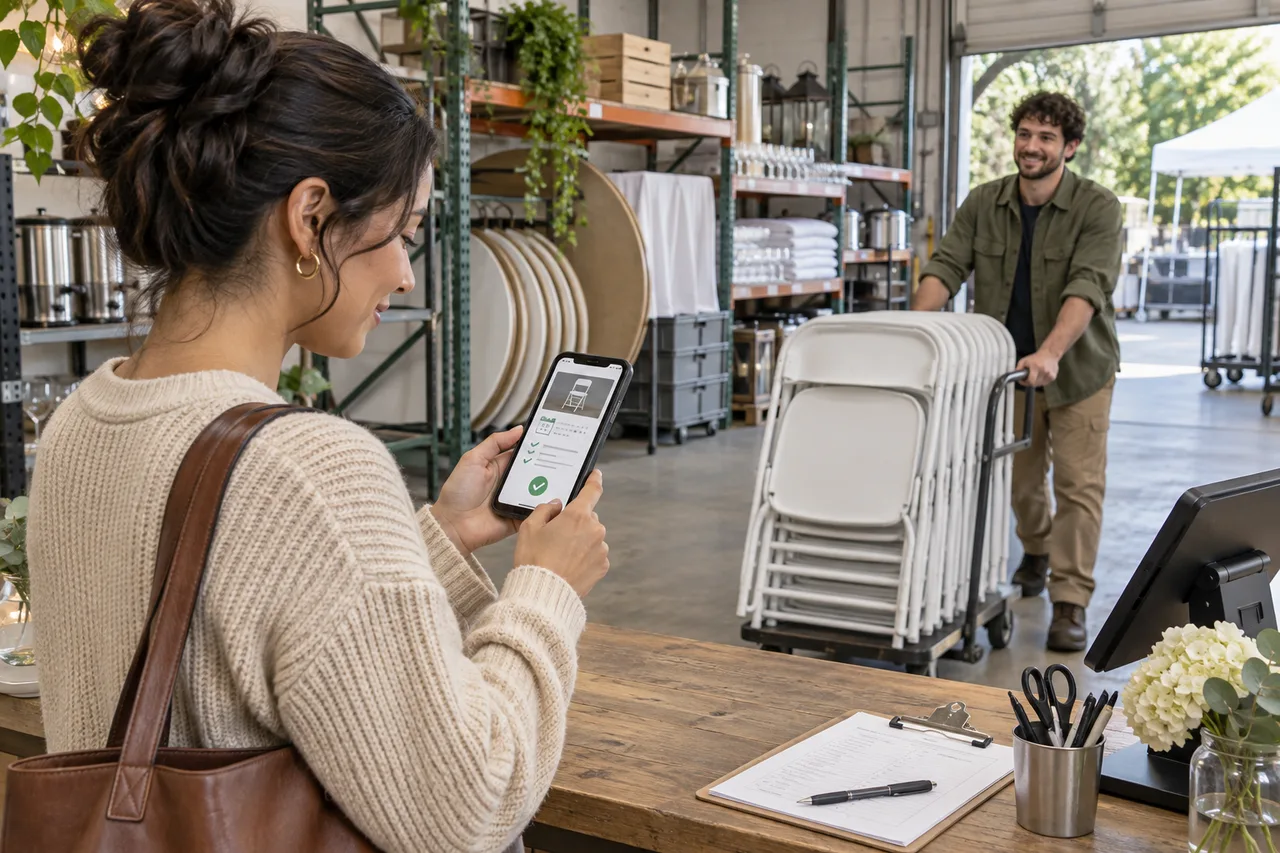
Decide which rental bookings can be confirmed online and when stock, delivery or venue details need staff review.
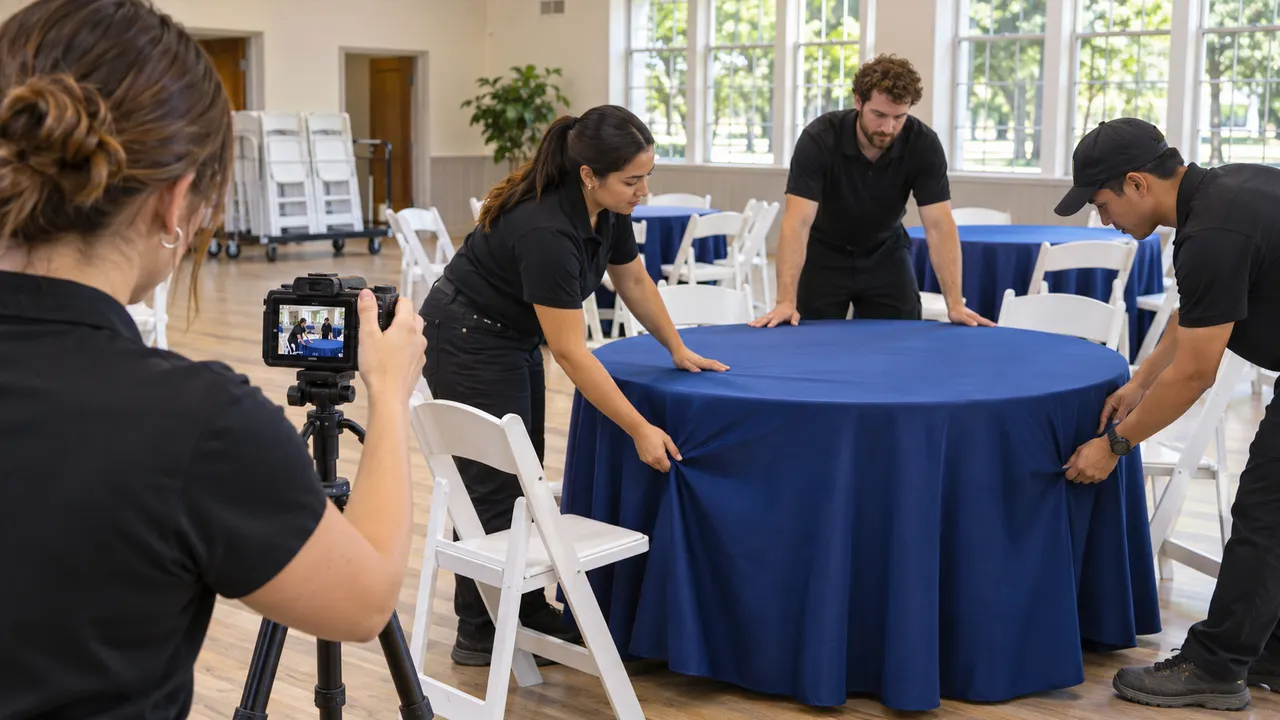
Plan a rental video ad that shows real equipment and the completed work, then measure suitable requests from a matching page.

Show customers which quantities and handoff windows are available for their rental dates, plus alternatives when an option is full.
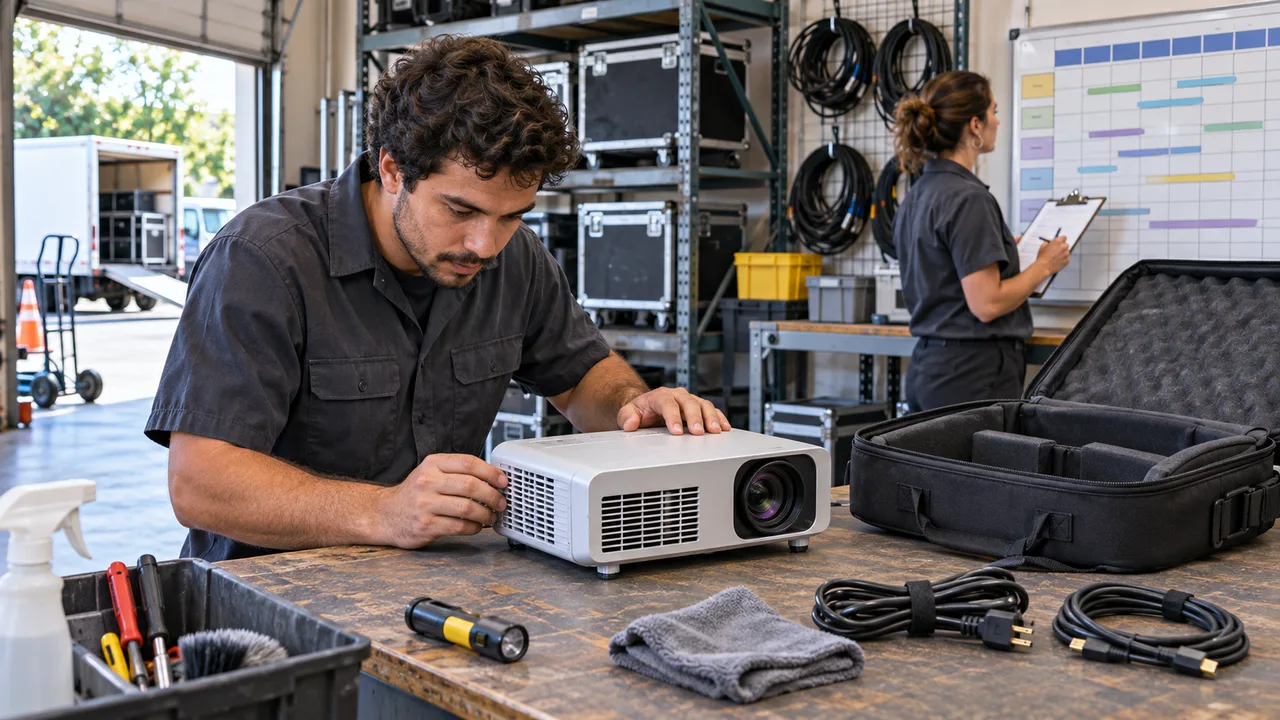
Block service time on the rental calendar, plan for delayed work and verify which equipment is ready before accepting orders.
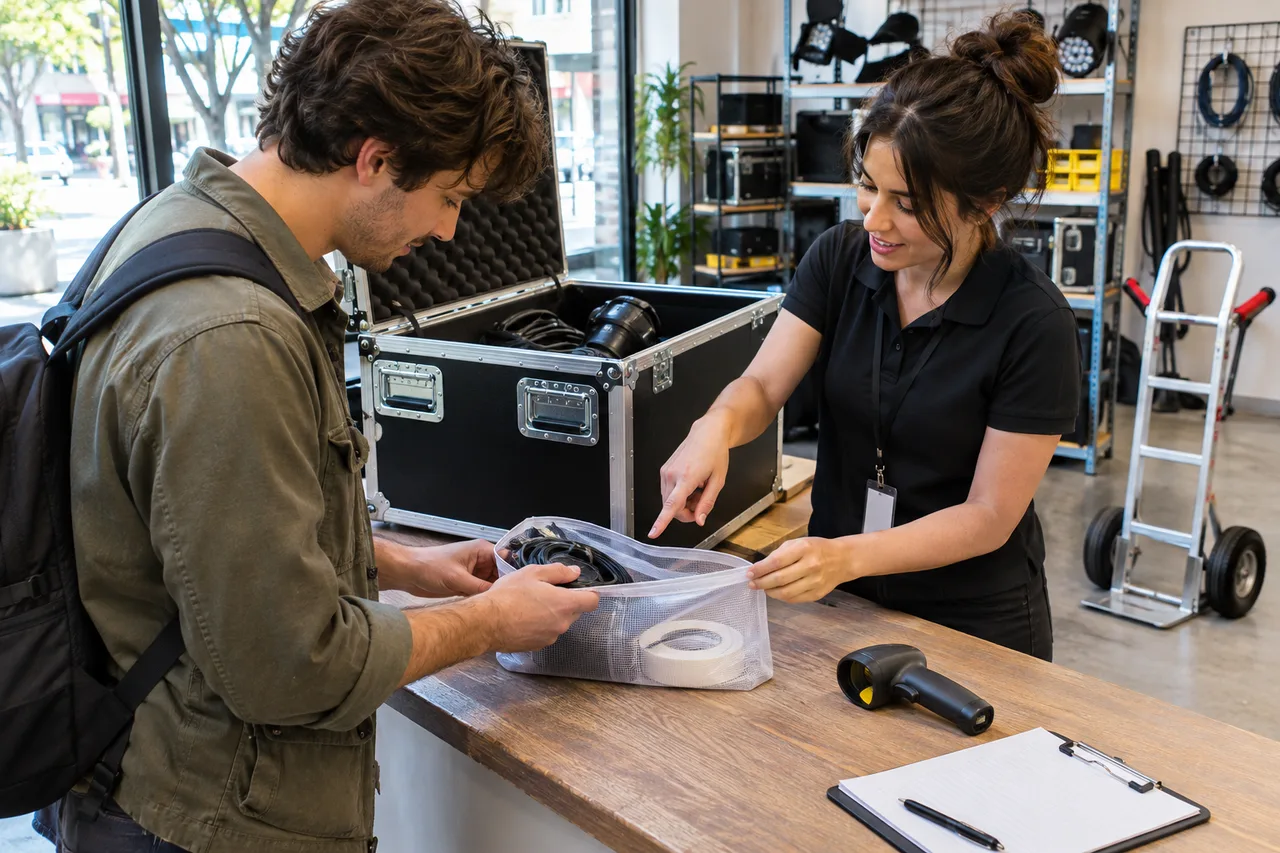
Capture asset IDs, kit parts, condition and custody at sign-out so any crew member can verify the return.
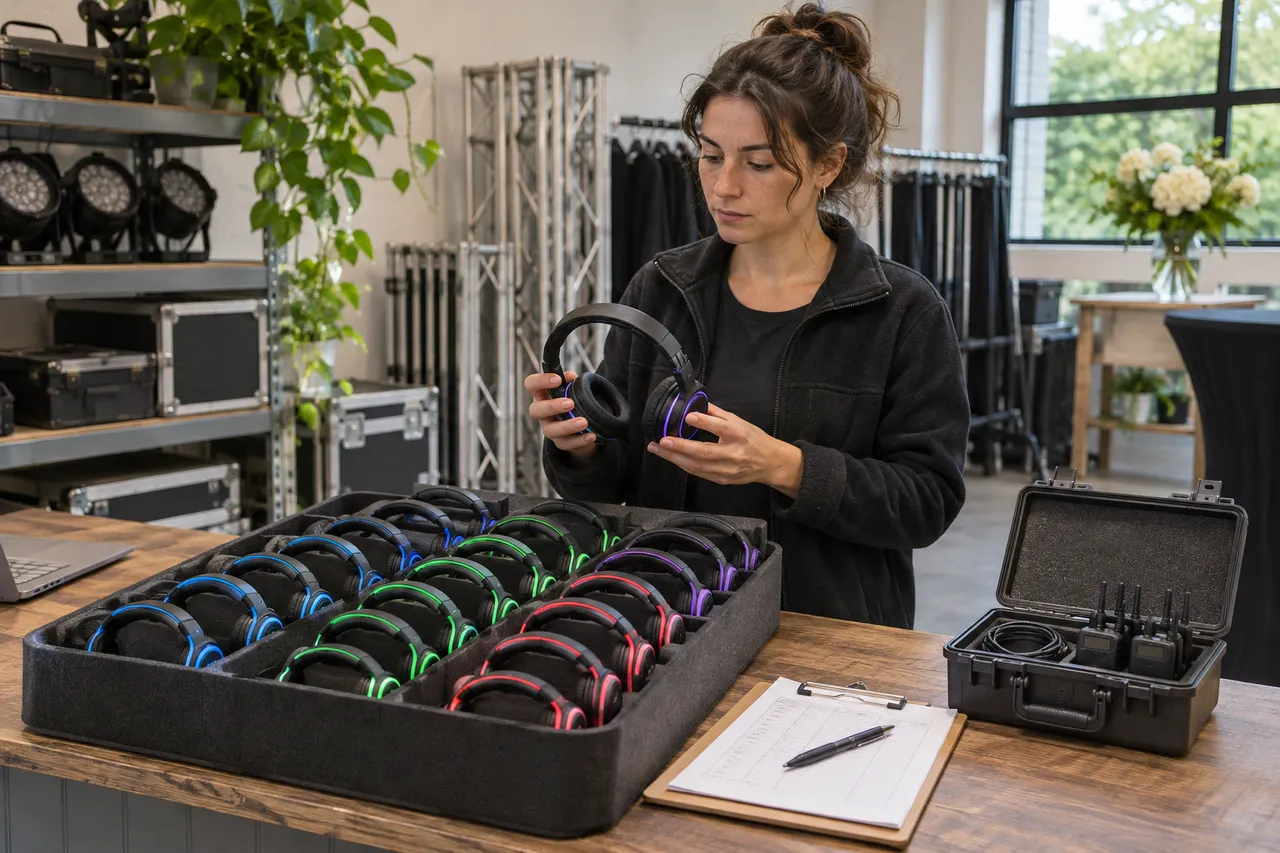
Evaluate a specialty rental through a real event, from the customer’s constraint and available alternatives to support, return and repeat demand.

Compare payroll, HR and staffing support using the shifts, onboarding and time corrections your rental crew handles.

Build a one-page rental site that explains the package, helps customers check fit and makes the next booking step clear.
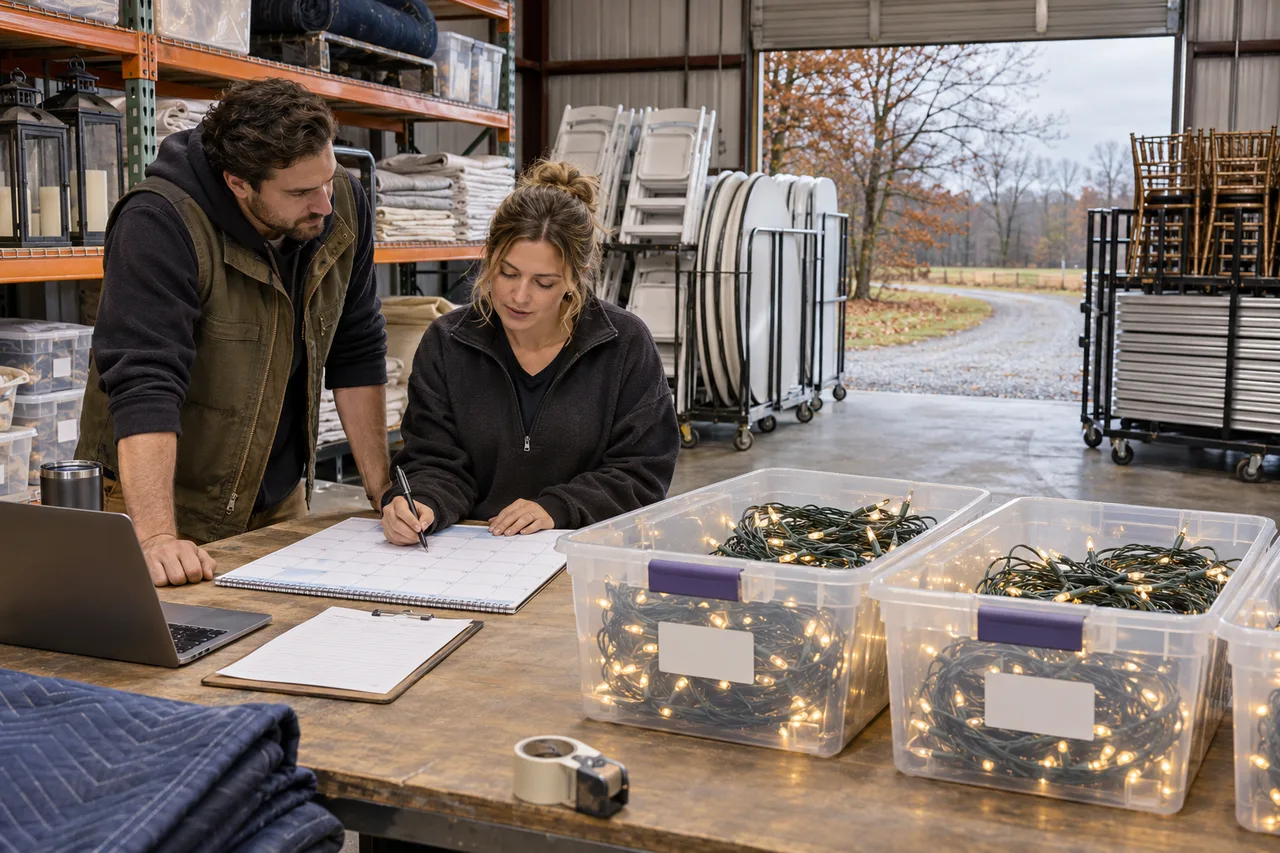
Review qualifications, schedule capacity, removal and storage before offering holiday light installation alongside event rentals.
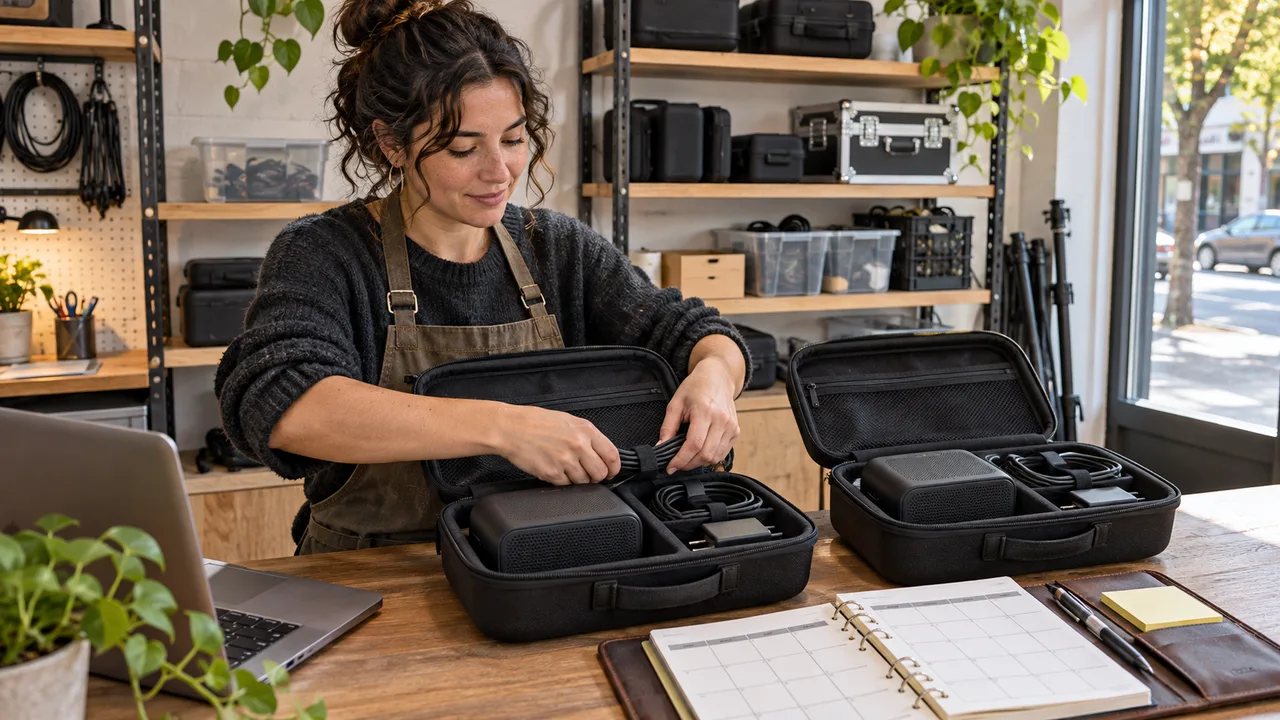
Test one equipment rental offer on a schedule you can reliably cover, then compare pickup, return and support time with completed orders.
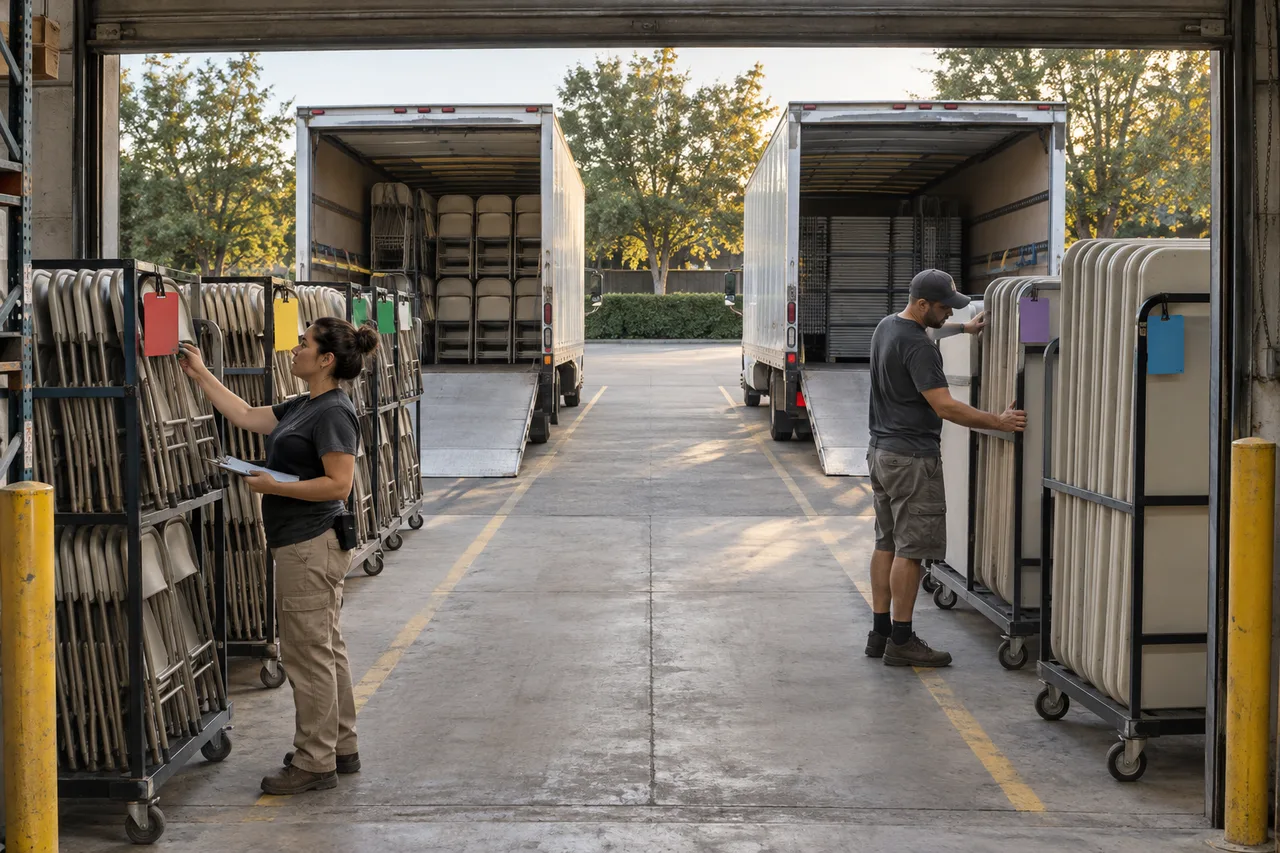
Split a large event rental order into destination zones and vehicle loads, then verify each handoff from staging to return.

Test repeat-rental rewards with clear terms, a small spending cap and a way to measure additional completed orders.

Compare competing rental quotes for the same job to understand the full price, included services and whether your offer needs a change.
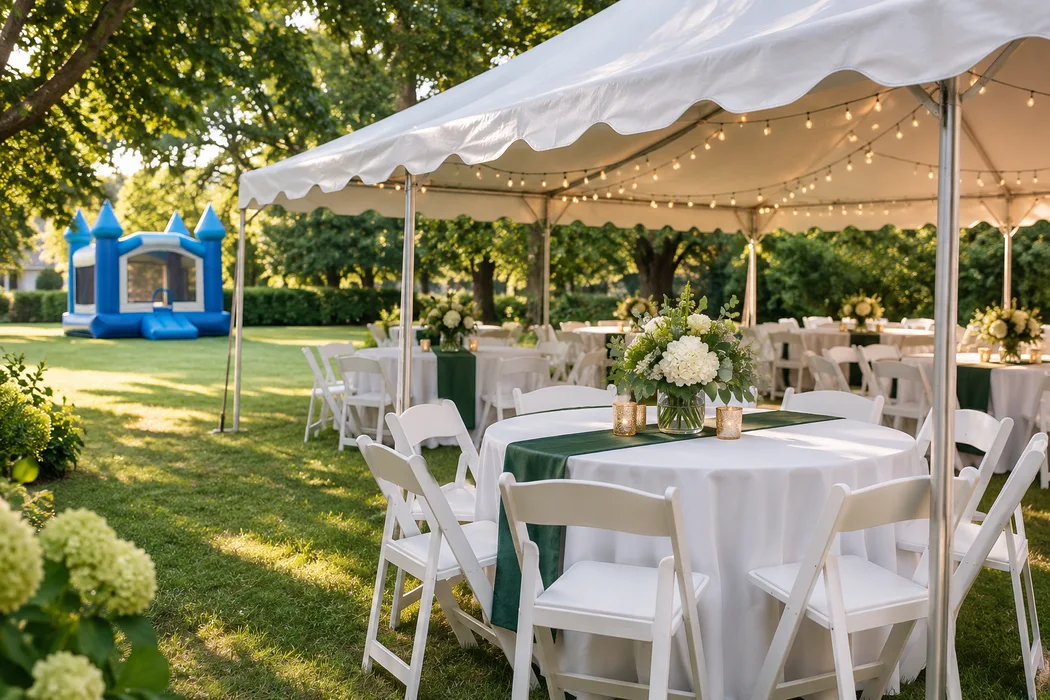
Build your first party rental package around real demand, price it from your costs, and test it on a small set of events.

Define rental coupon dates, eligible products, minimums and redemption limits, and test how the offer handles booking changes.

Make rental products, available dates and booking actions easier to find, then test the path with real customer tasks.
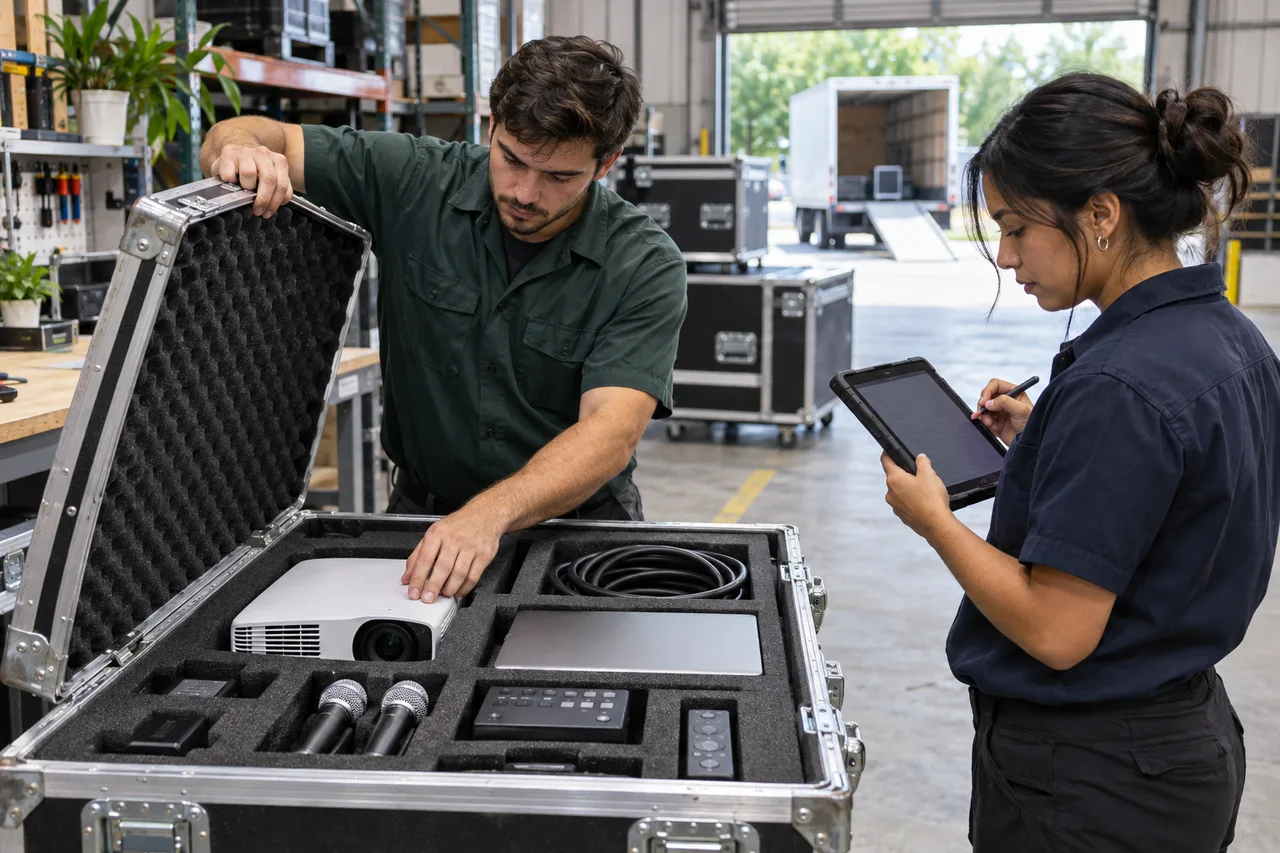
Link reservations to equipment picked, handed over, returned and inspected so the warehouse can verify what is ready for the next job.

Test rental rates for one category using available dates, complete quotes and the contribution from fulfilled orders.
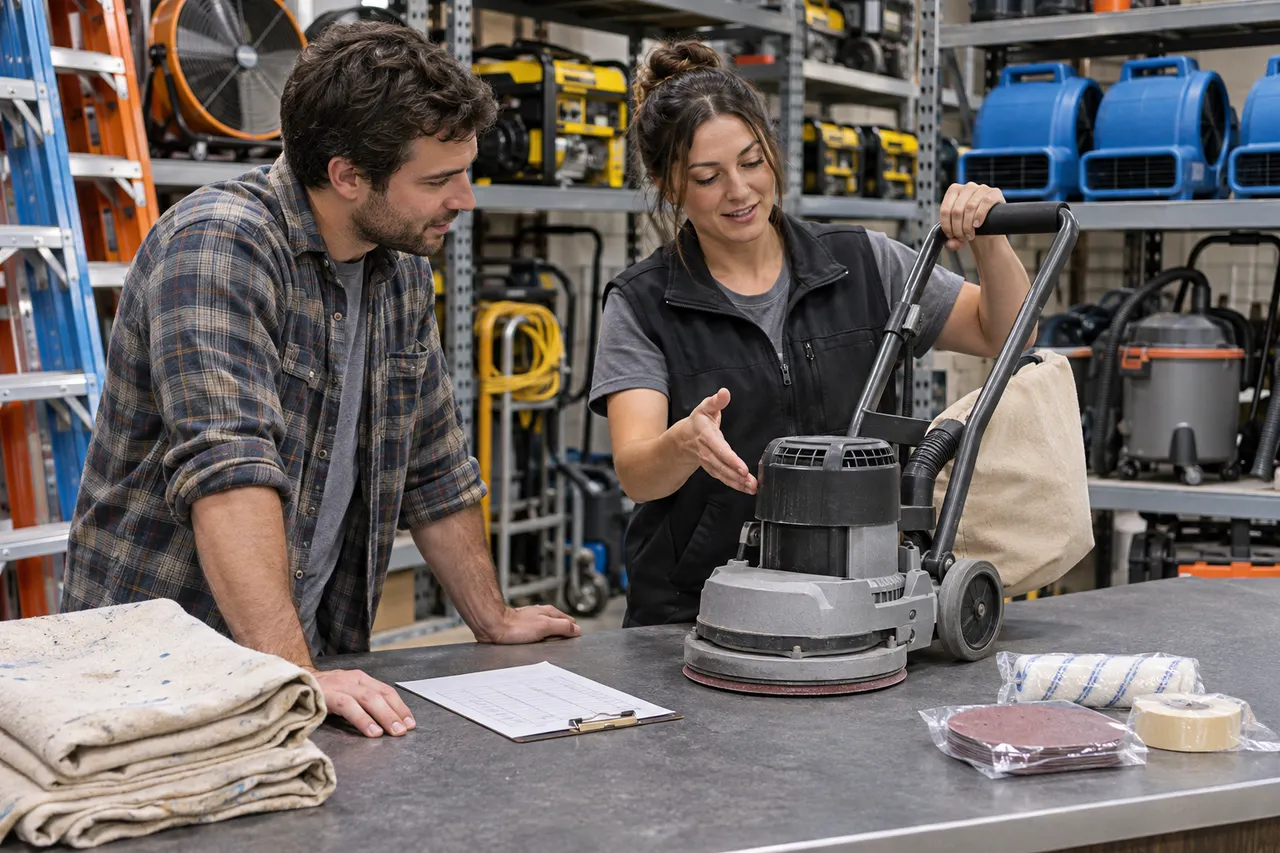
Build a tool rental offer around common customer jobs, with suitable equipment, compatible accessories, qualified handoffs and time for inspections.
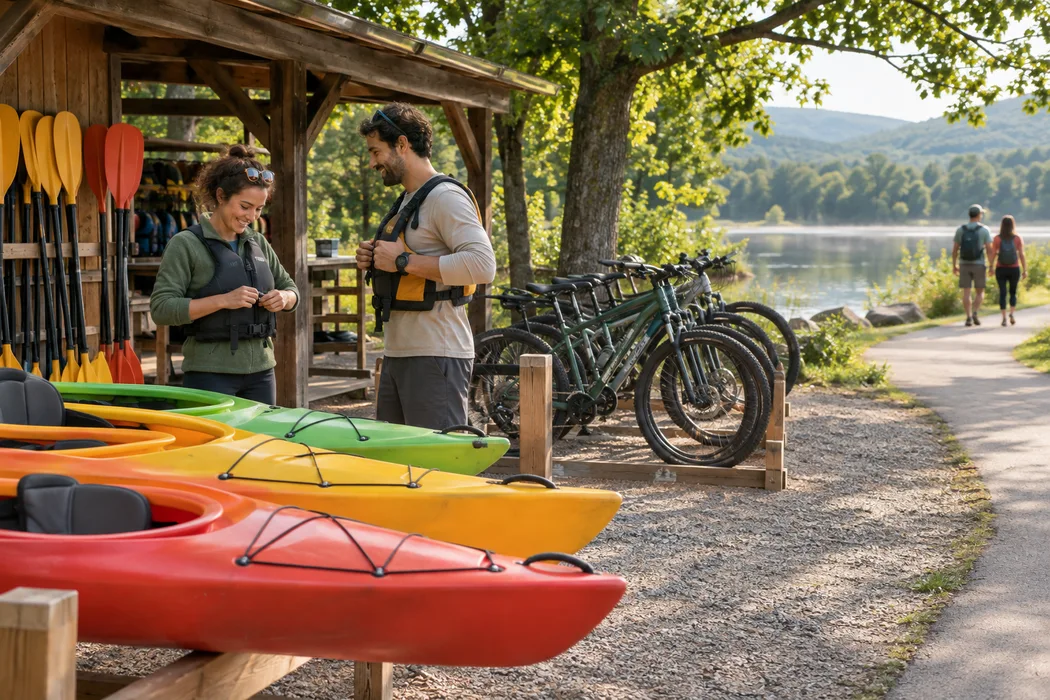
A 30-day plan to start a bike rental business, size your first fleet, model costs, and test pickup and return before expanding.

Use a GA4 funnel to find where booking slows, reproduce the affected rental step and verify a focused improvement.

Plan rental website pages around the decisions customers make, from choosing equipment to understanding delivery and confirming an order.

Prepare a rental warehouse for peak weekend orders with a staging plan, checked equipment and a practical way to handle shortages.
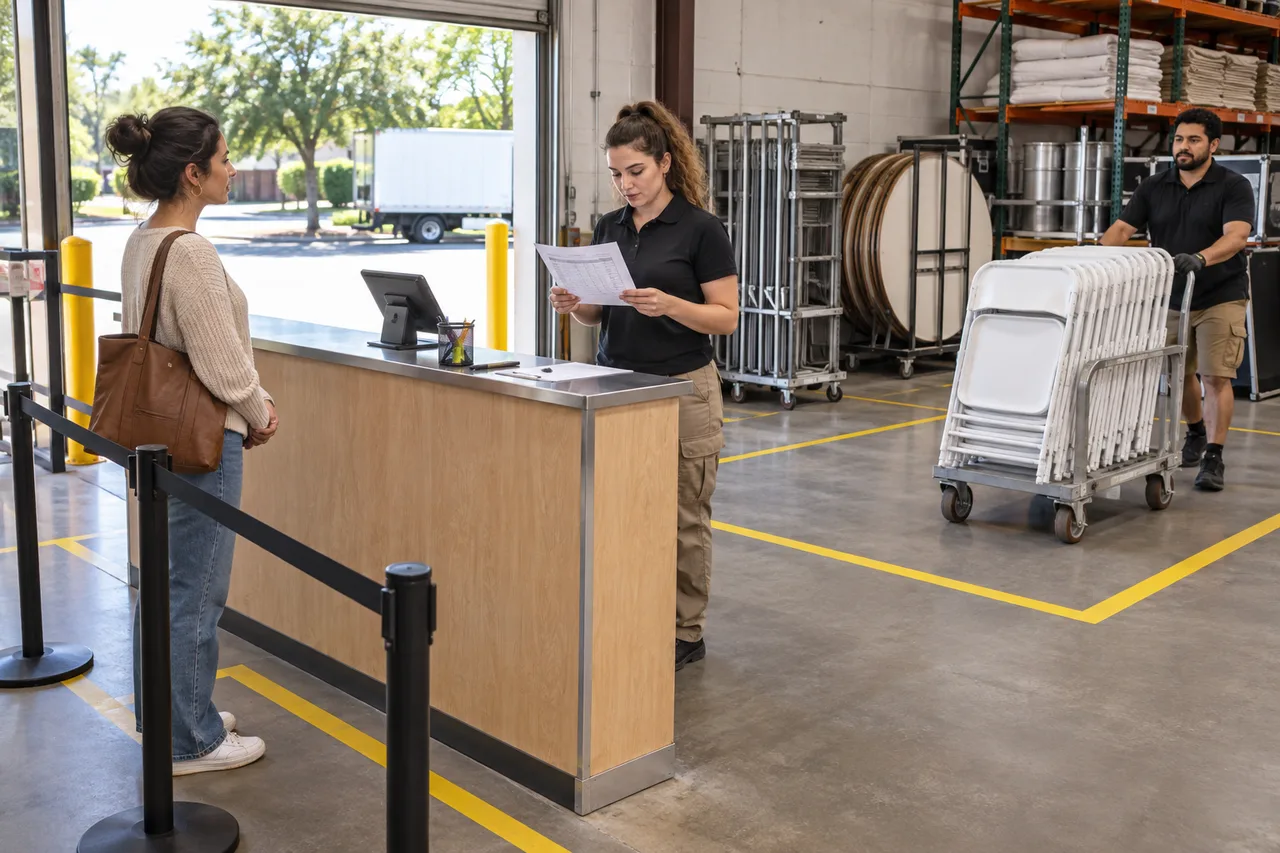
Set rental pickup and return windows around real staffing, loading space and equipment turnaround.

Rehearse changes to rental marketing tools with representative booking requests, measurable outcomes and a recovery plan.
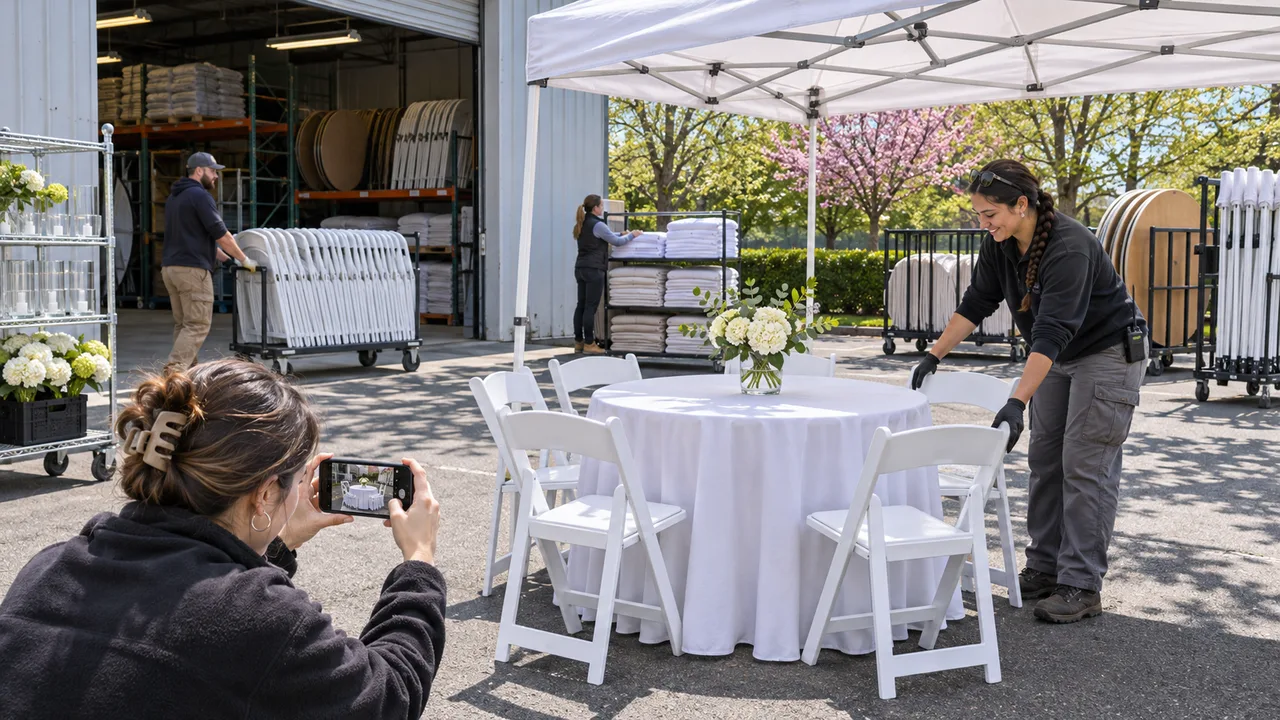
Plan busy-season rental campaigns around real stock and crew capacity, then update offers as dates fill and new openings appear.
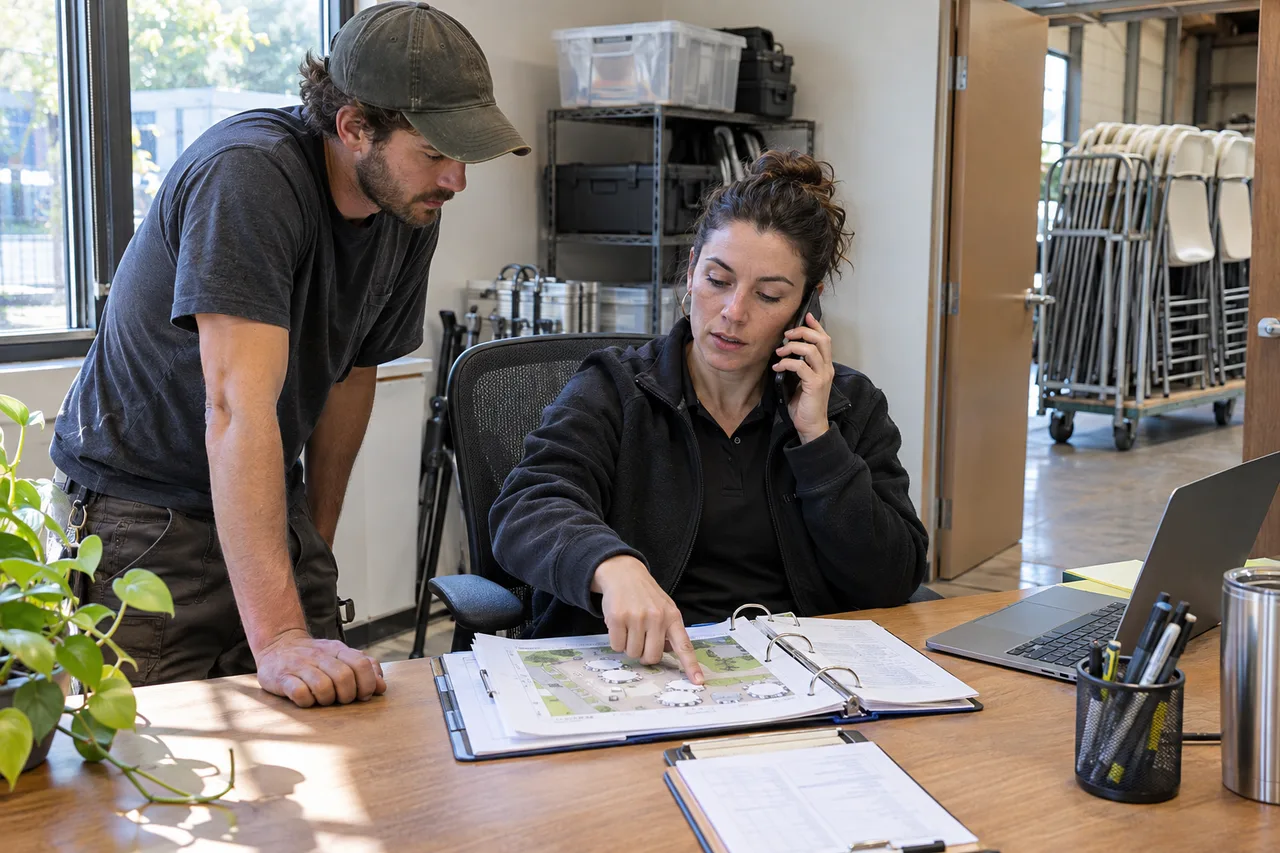
Keep rental customers and crews informed about booking status, payment, venue access, and delivery changes.
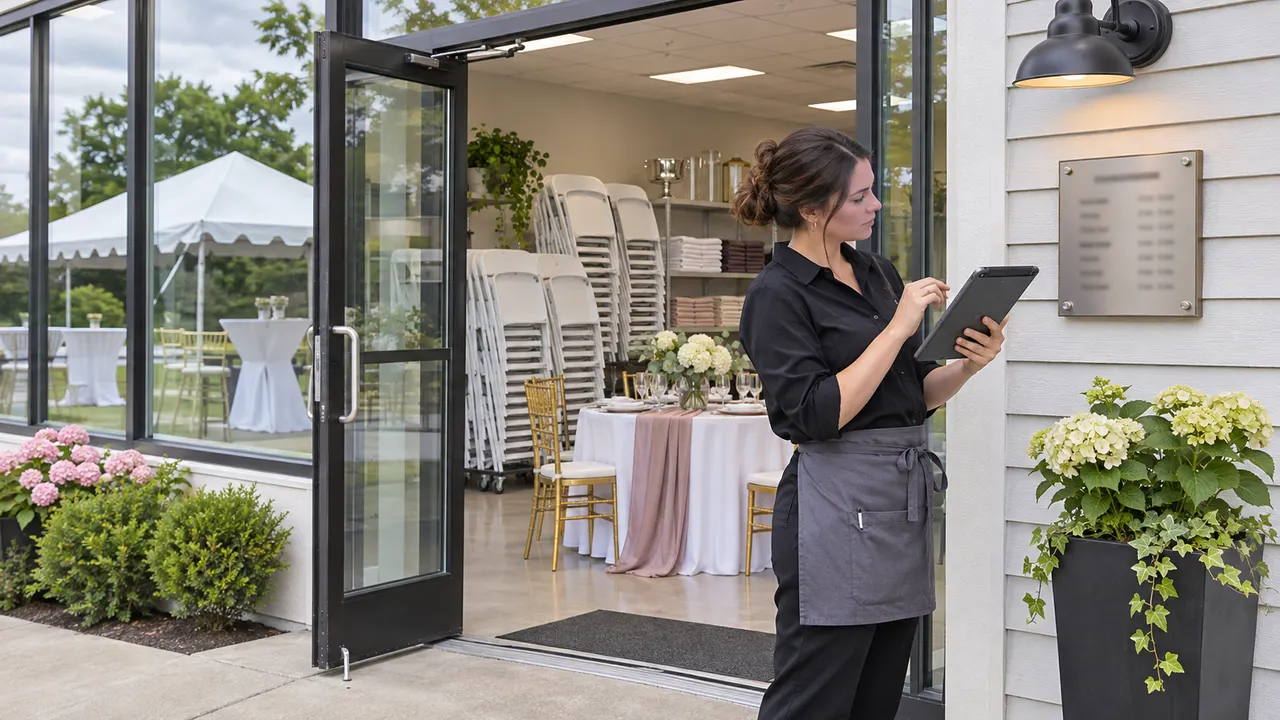
Practical steps to improve discoverability without creating low-value city pages.

Validate a rental idea with credible dates, clear quotes and a small fulfilled trial before buying more inventory.

Test a repeat-renter benefit against real booking patterns, clear eligibility and the work it takes to fulfill each order.
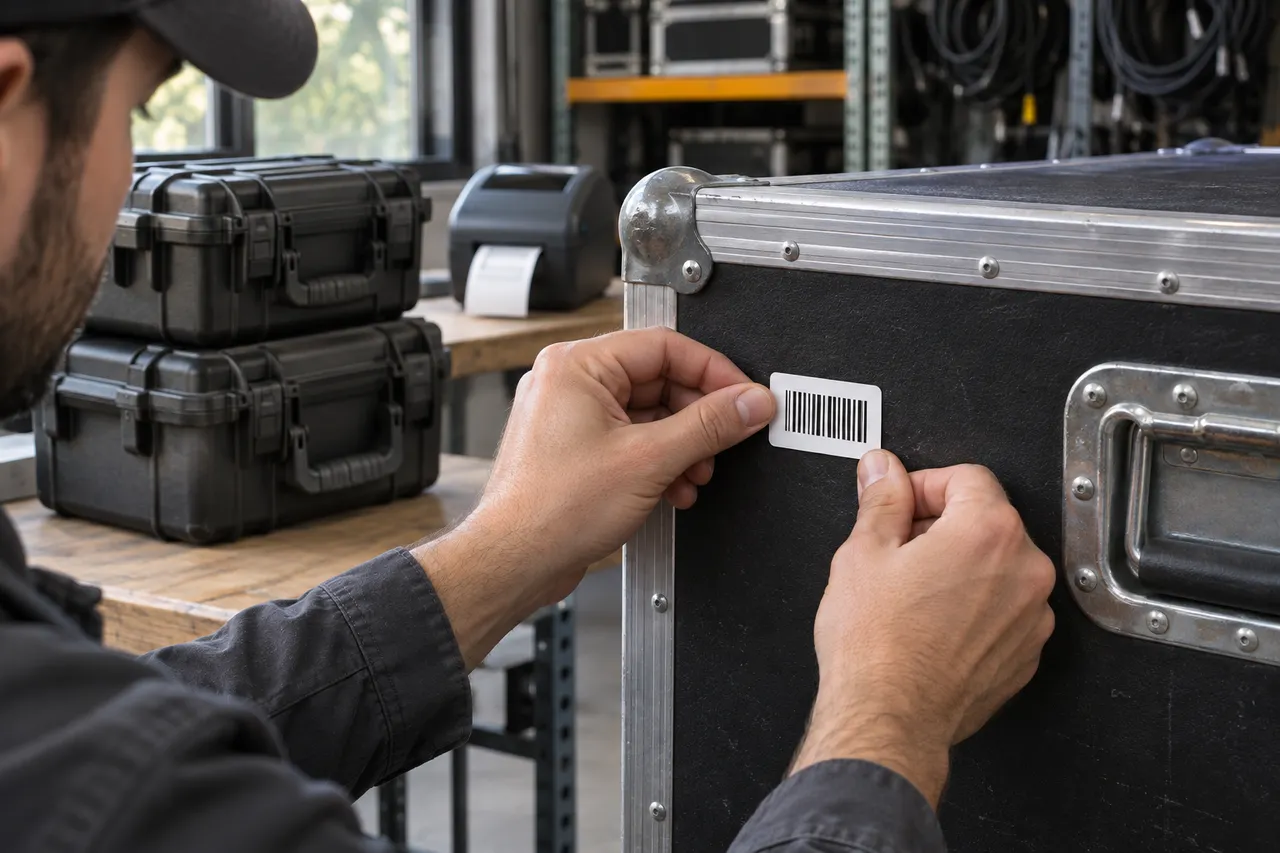
Design a durable rental asset label standard, with stable IDs, consistent placement, verified reprints and a migration plan that preserves equipment history.
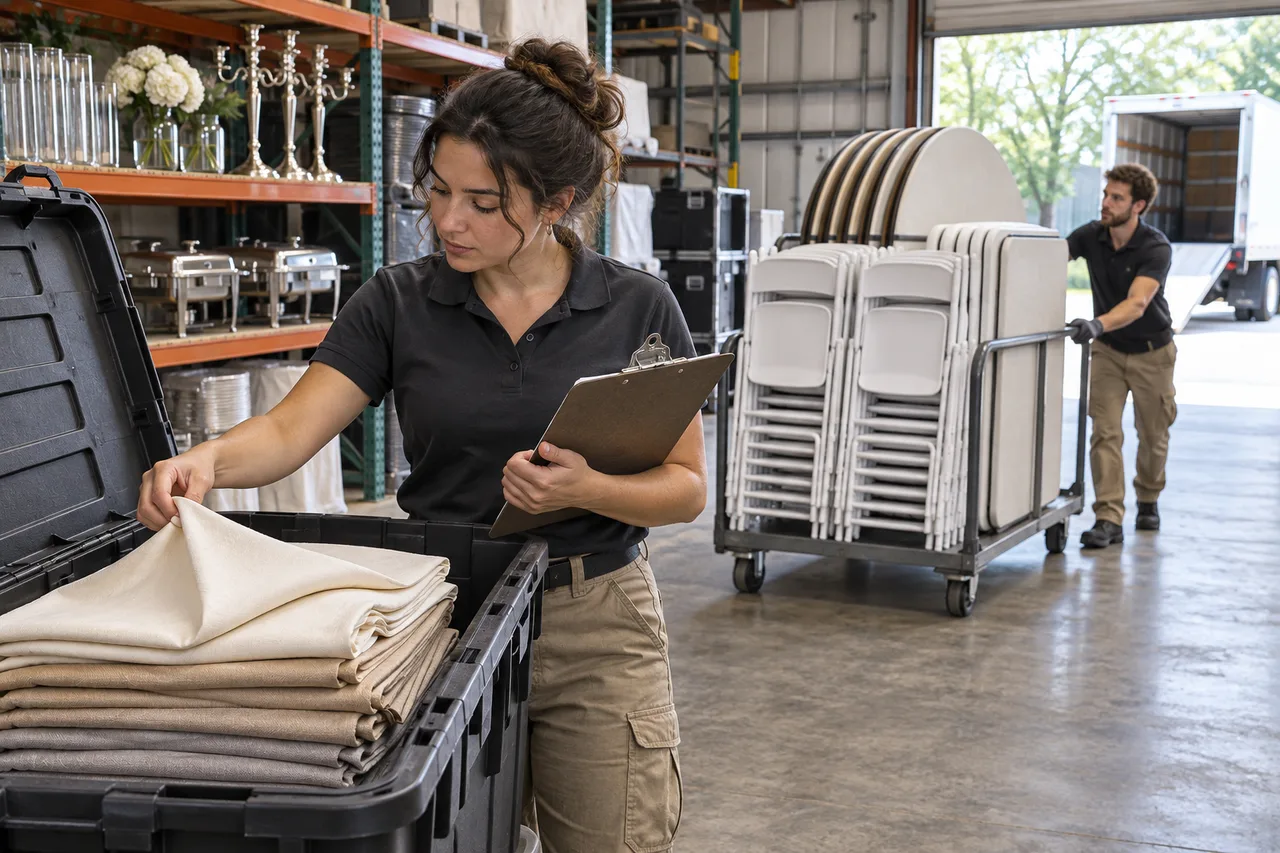
Choose rental add-ons by checking stock, truck space, crew time and return work before promising they can go on the same trip.
Build a storefront that answers customer questions before they have to call.
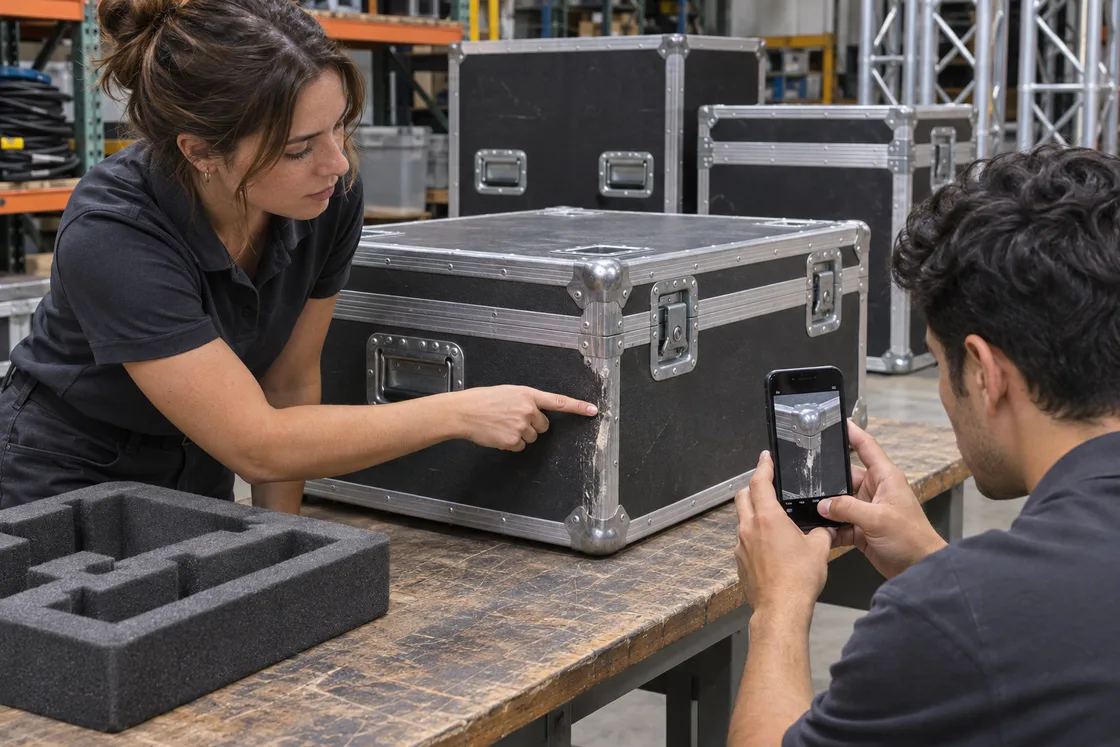
Use outbound and return records, a clear approval process and accurate refunds to handle rental equipment damage claims.

Test dates, checkout, error recovery and confirmations on real phones before sending more traffic to your rental site.
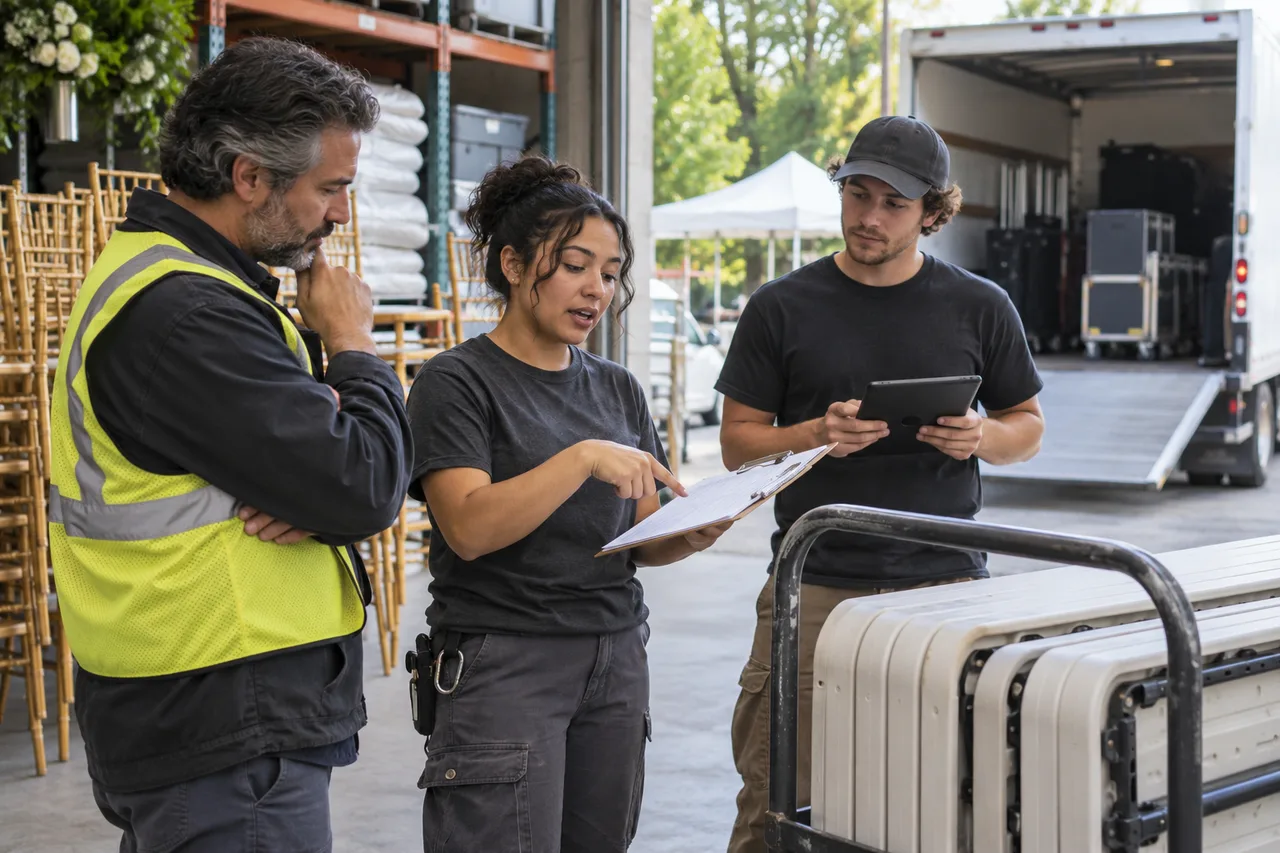
Use staff observations to test a rental handoff, measure the result and decide whether the change helps the next shift.
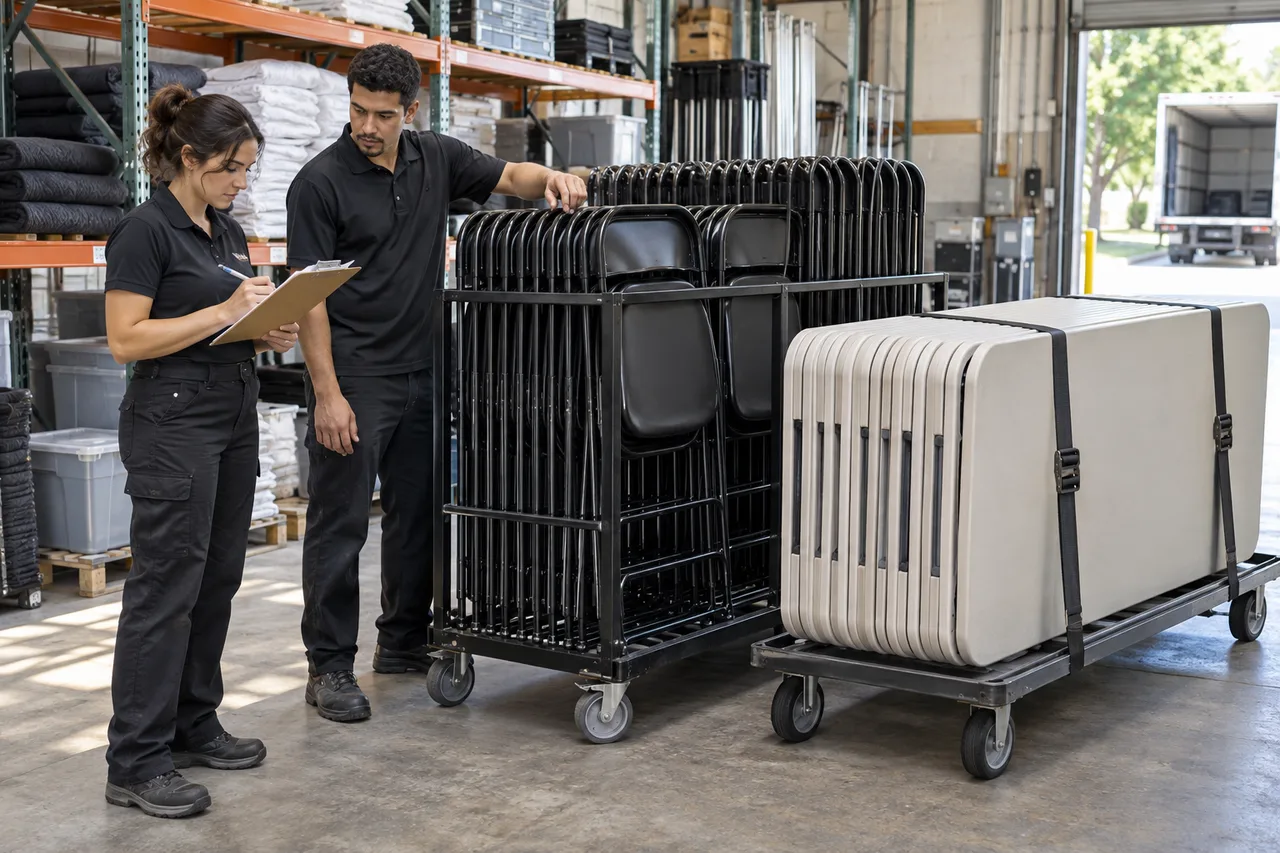
Build rental packages that draw from the same stock as individual bookings, with clear rules for options, substitutions and returns.
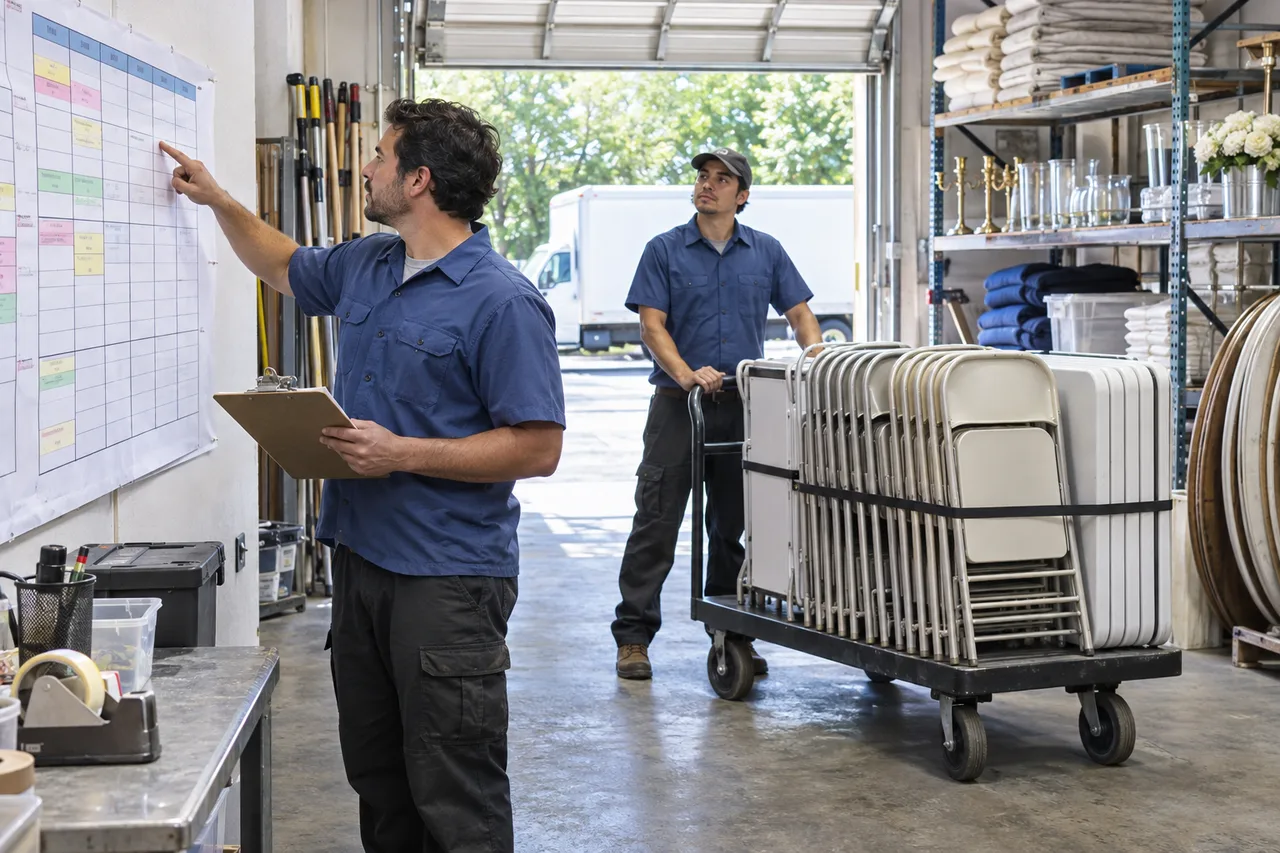
Design a rental offer for open weekdays, pickup windows or routes, then measure which new bookings it actually serves.
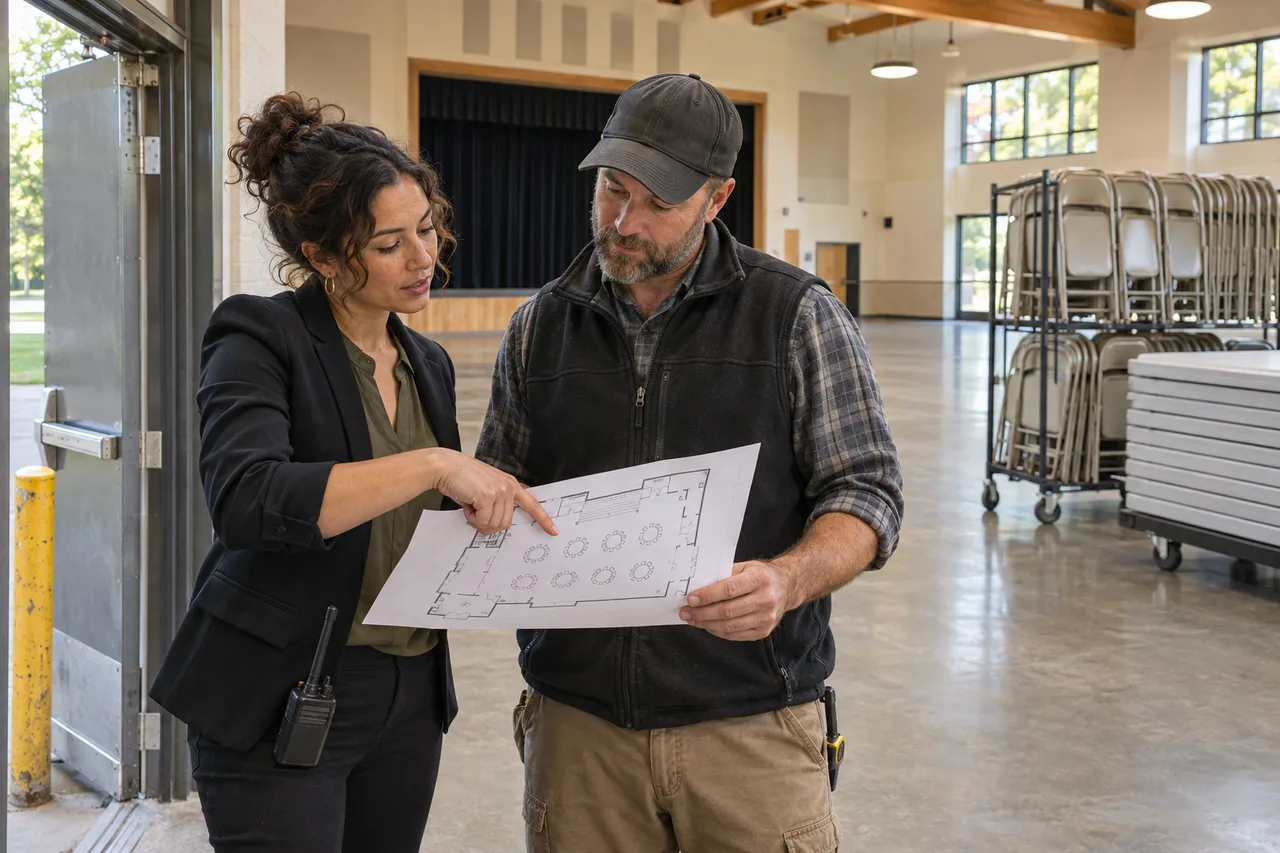
Plan first venue partnerships around real equipment needs, clear referrals, agreed delivery and a dependable receiving plan.

Plan rental agreement deadlines around inventory holds, customer follow-up and the warehouse’s next fulfillment step.

Earn rental referrals by delivering a clear venue handoff, asking for specific feedback and giving organizers an accurate link to share.

Offer one relevant rental add-on with clear pricing, compatible stock and the right quantities on the warehouse list.

Build reusable equipment, delivery and labor lines that make quotes faster while preserving each customer’s accepted price and scope.

Test a WordPress theme with real rental products, mobile browsing, staff edits and the handoff to live availability and booking.
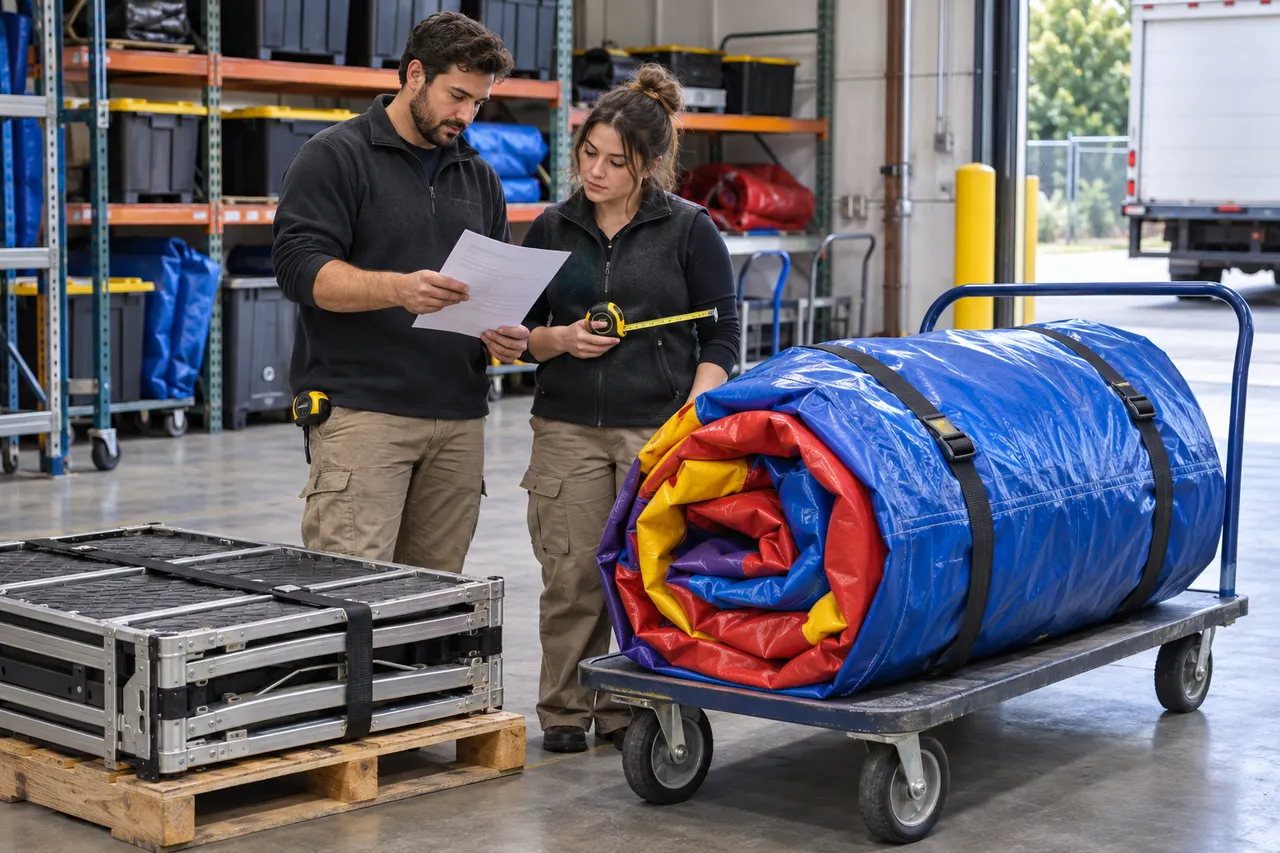
Compare inflatable supplier quotes using freight, required components, receiving cost and the time it takes to get equipment ready.

Find what limits your next rental order, test one capacity improvement and verify its effect on complete, on-time jobs.
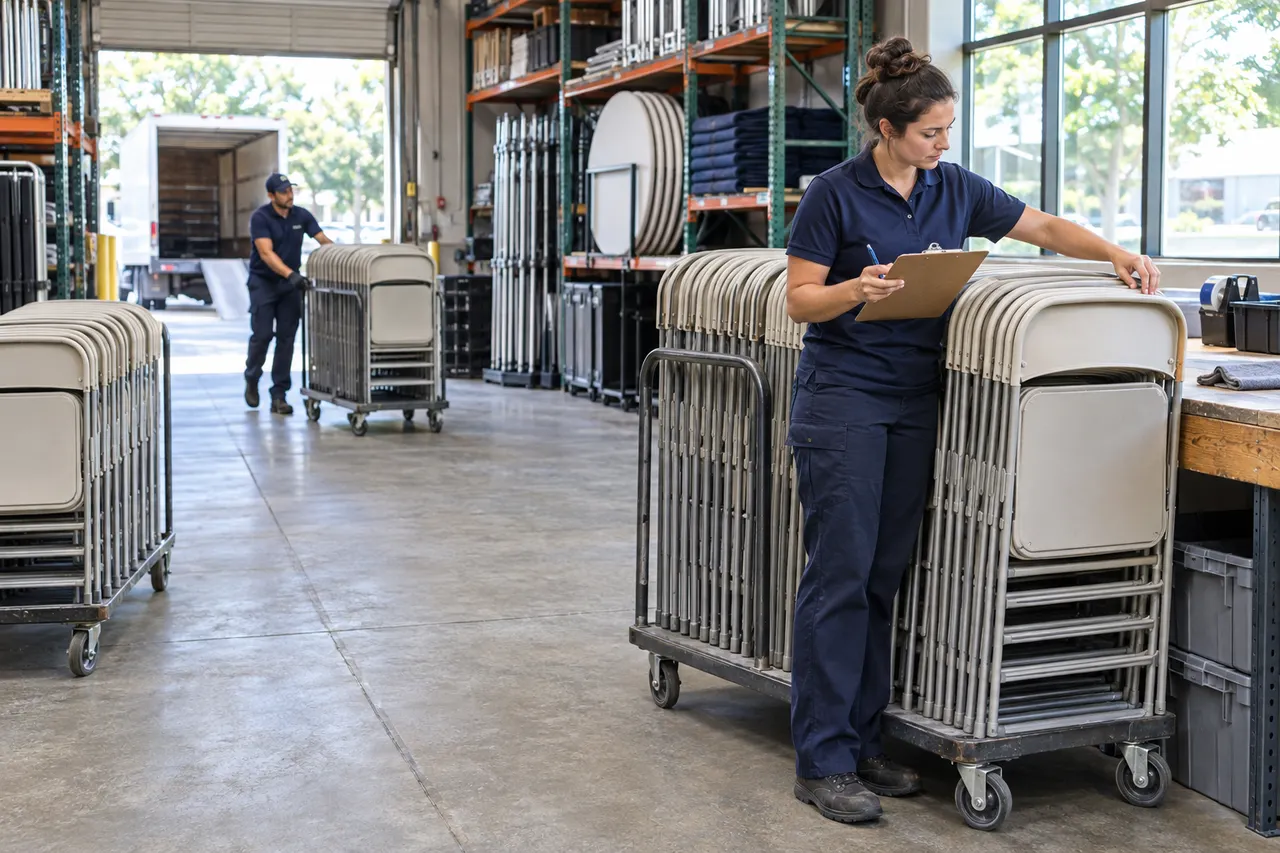
Track stock from booking and staging through partial returns, inspection, repair and release so warehouse and sales teams can promise the right quantity.

Set up a narrow paid search test for one rentable offer, a limited budget and a booking outcome you can verify.
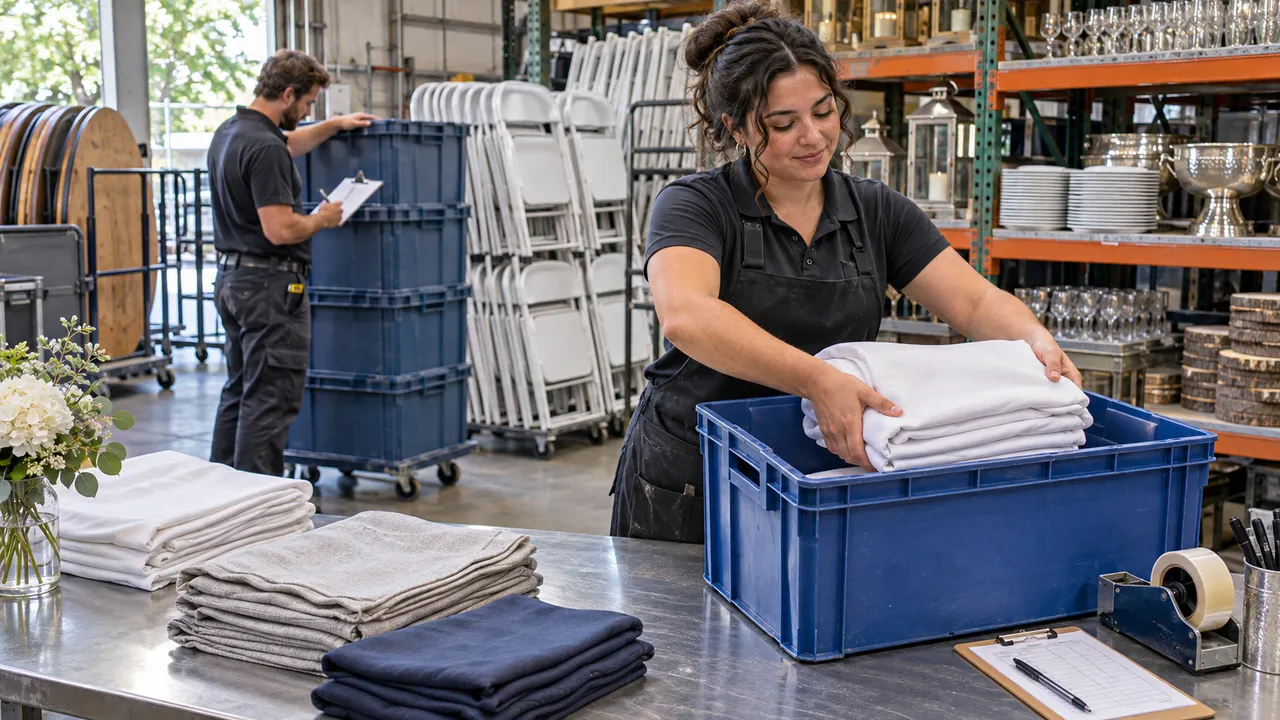
Measure avoidable waste in rental orders and test reusable packaging, better returns or fewer repeat trips on real jobs.

Answer rental questions on Instagram with accurate comparisons, clear package inclusions and a practical route to booking.
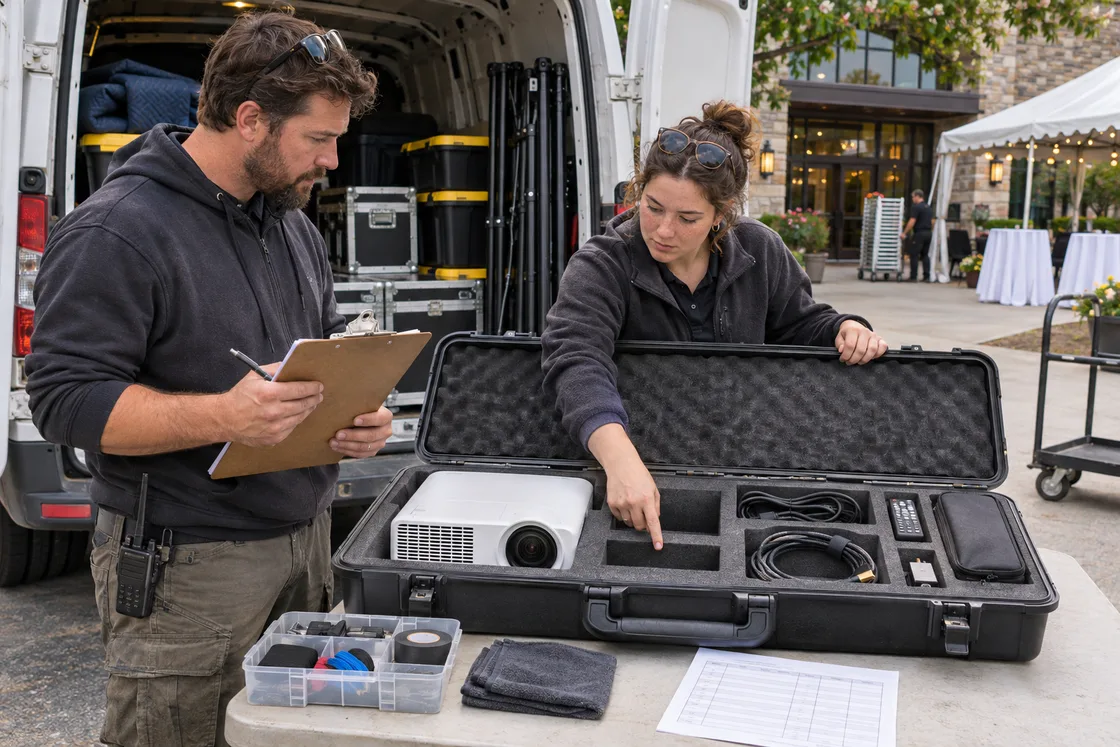
Build an equipment rental agreement with the accepted scope, accessory list, service details, changes and return requirements.

Time review invitations around completed rental work, including final collection, partial returns and changed booking dates.
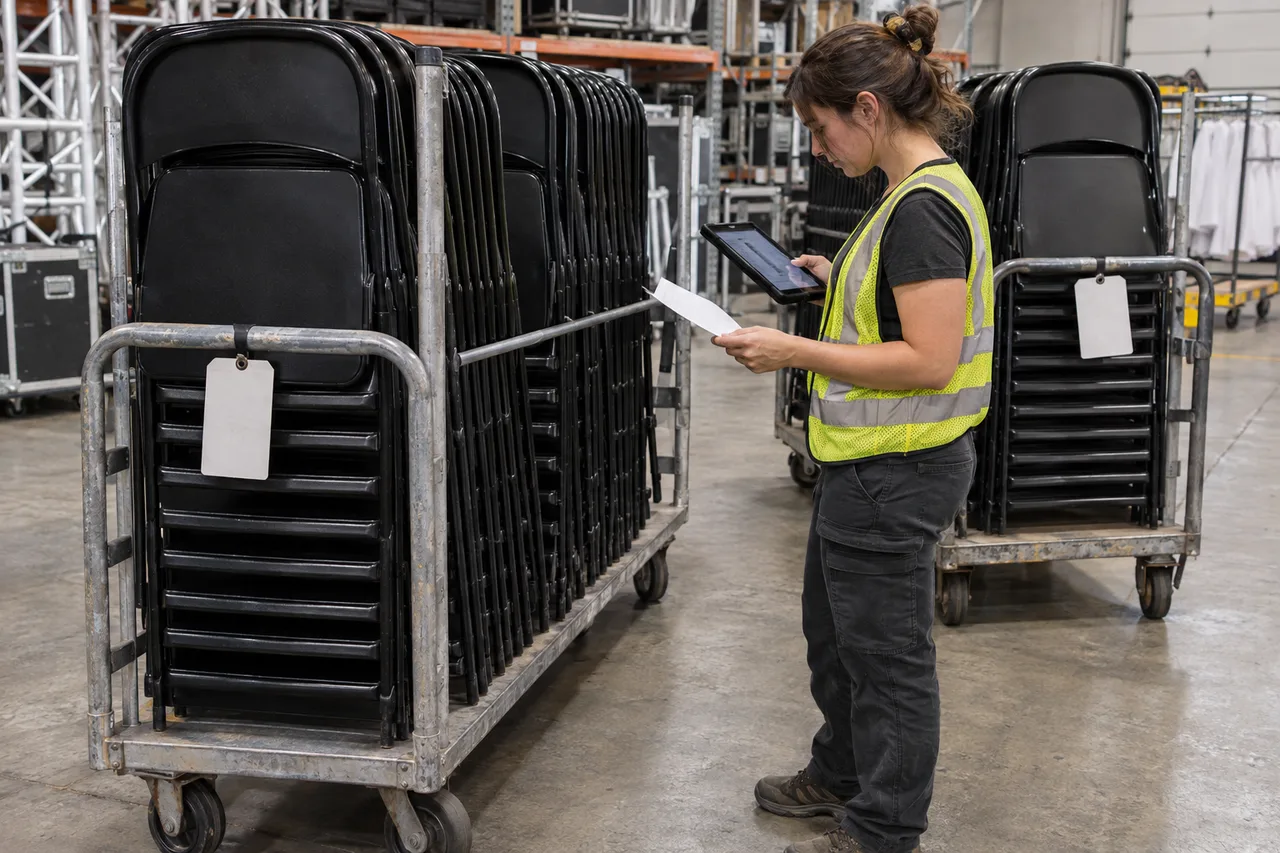
Measure inventory accuracy, readiness, utilization and turnaround so staff can spot and resolve upcoming shortages.
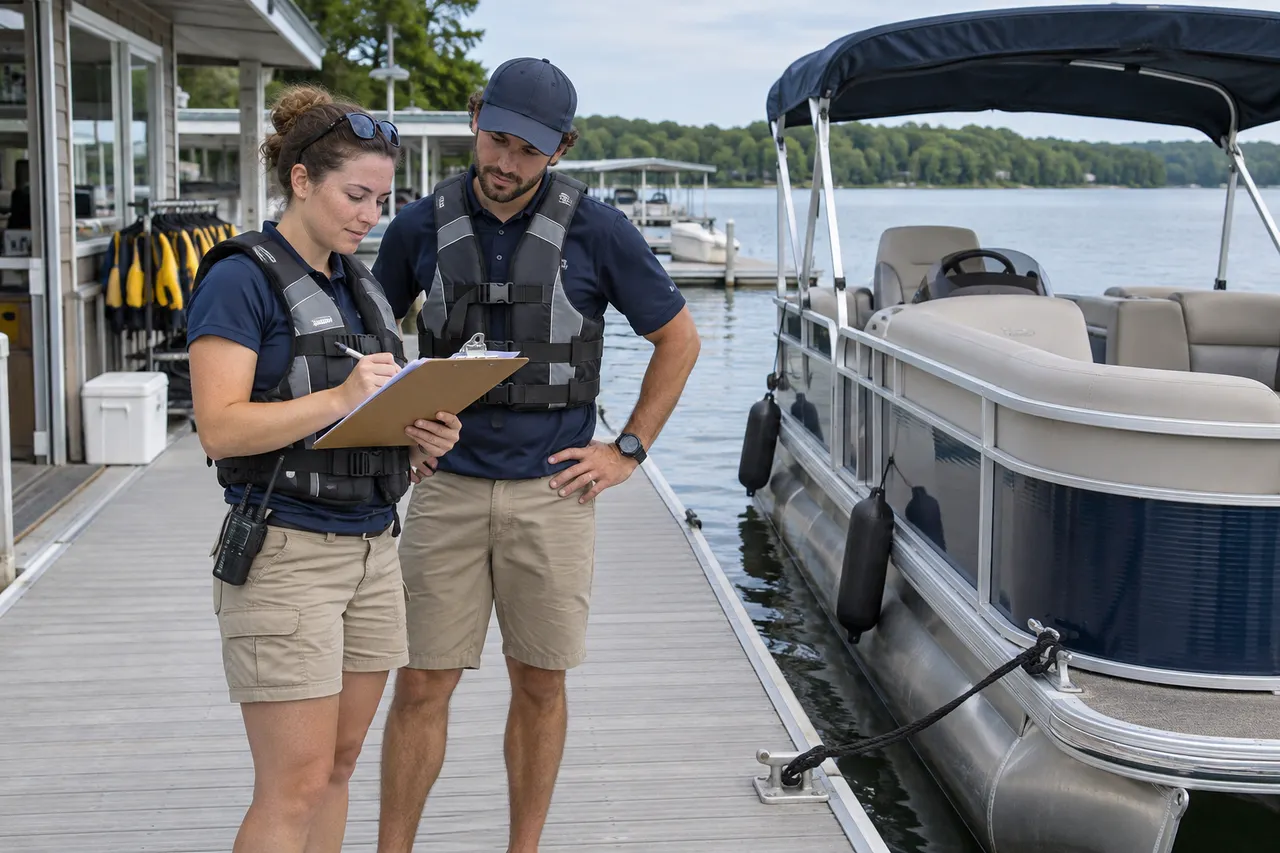
Model a boat rental day around vessel readiness, qualified staff, dock capacity, active trips and turnaround after return.
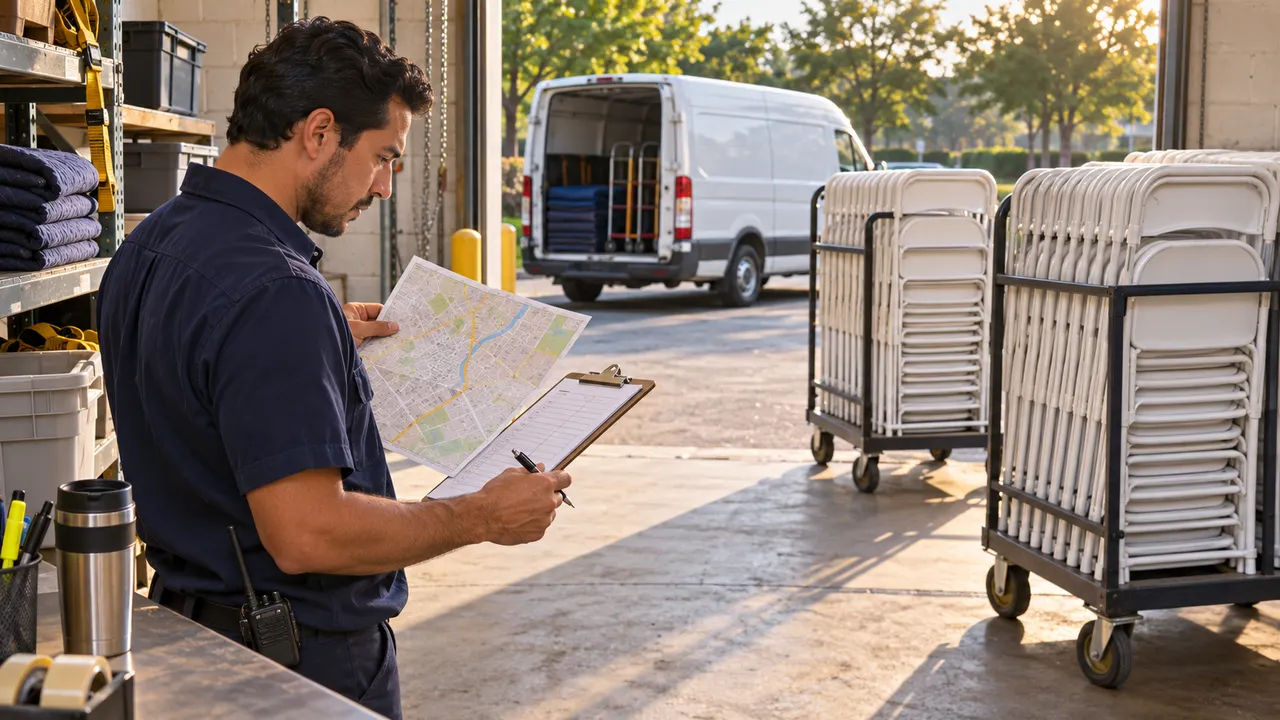
Describe real rental delivery areas and pickup options consistently across local profiles, website pages and quote requests.
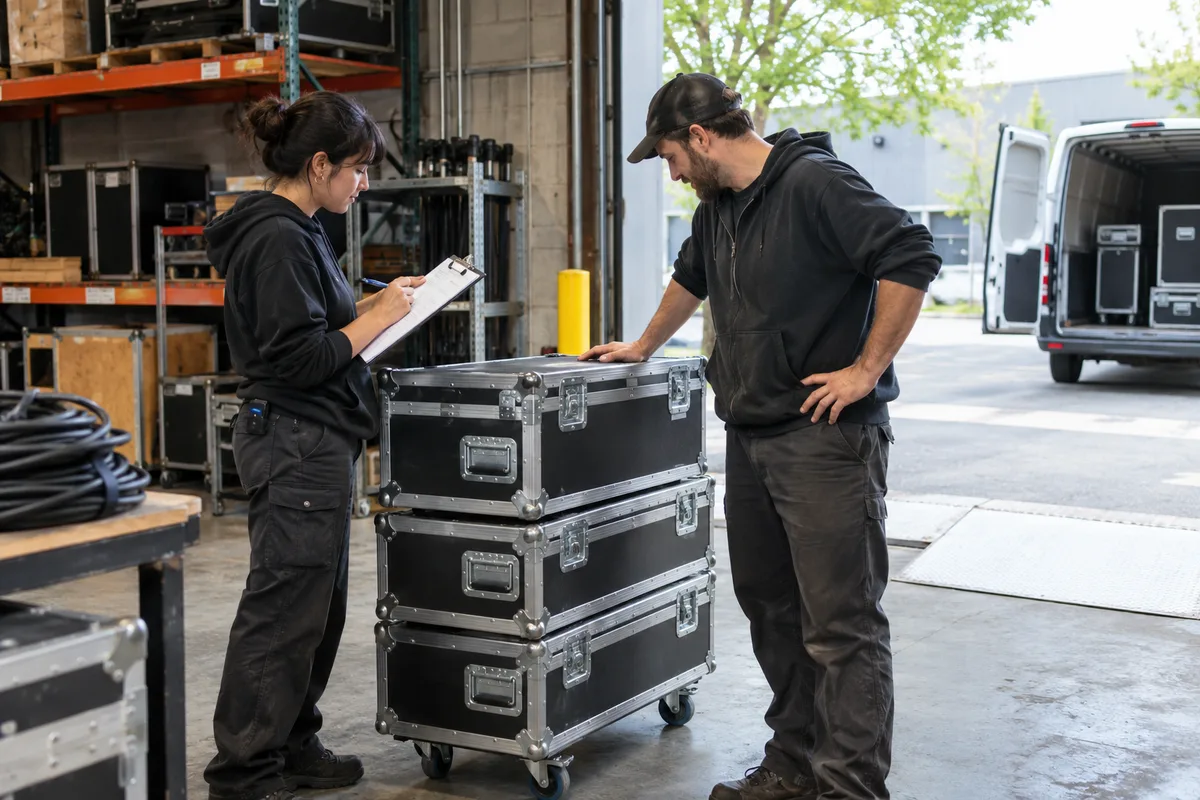
Track borrowed event equipment from a stock gap through supplier confirmation, receiving, temporary allocation, and a verified return.

Decide which rental options need independent stock counts and test how variants, substitutions and returns affect availability.

Plan golf cart rentals around verified properties, approved uses, vehicle records, customer handoffs and inspected returns.

Find where renters stop checking out and test improvements to dates, service options, totals and booking recovery.
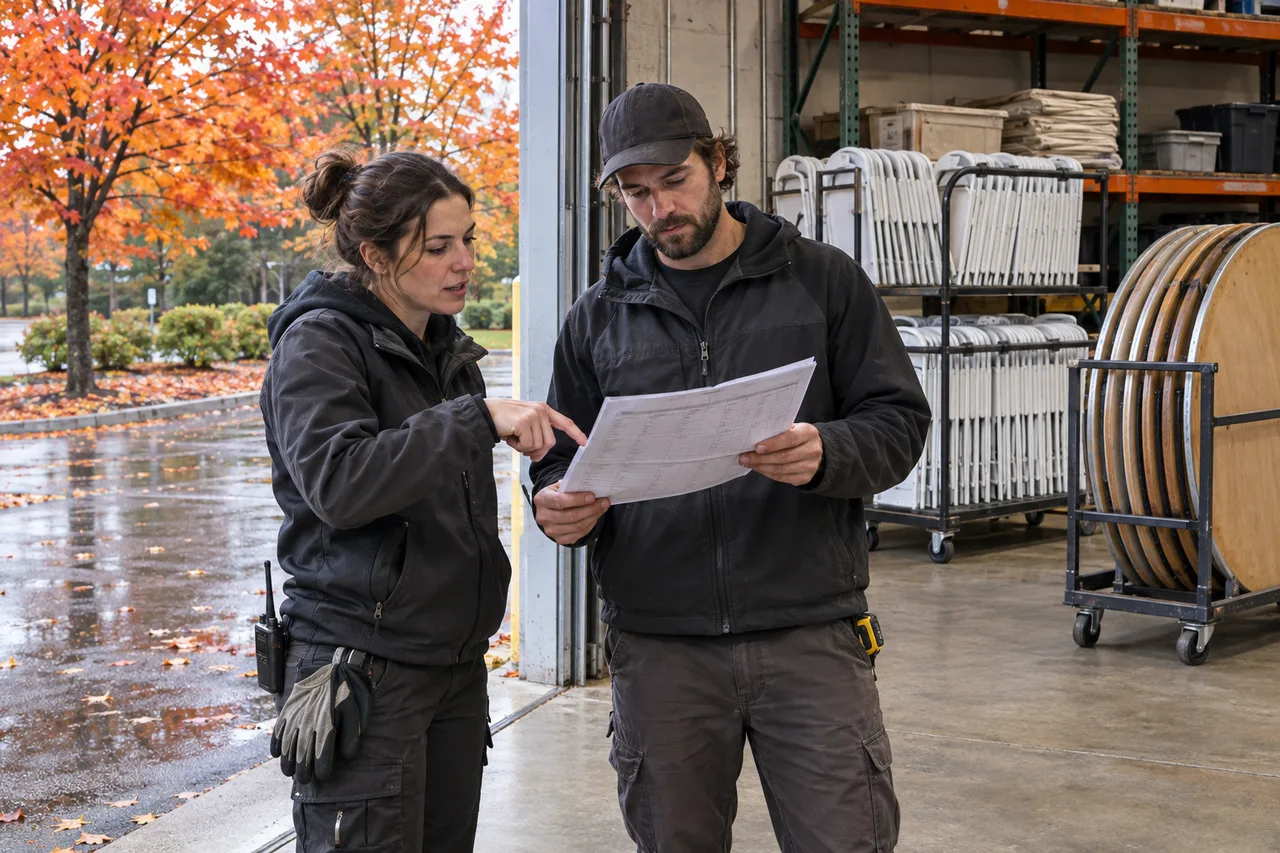
Plan fall rentals around school access, local weather, backup arrangements and the equipment and crew needed to serve each job.

Protect the next reservation when rental equipment comes back late. Includes pickup deadlines, partial returns, and a worked inventory shortfall.

Prepare for an insurance conversation by documenting the equipment, storage, vehicles and crew behind your actual rental jobs.
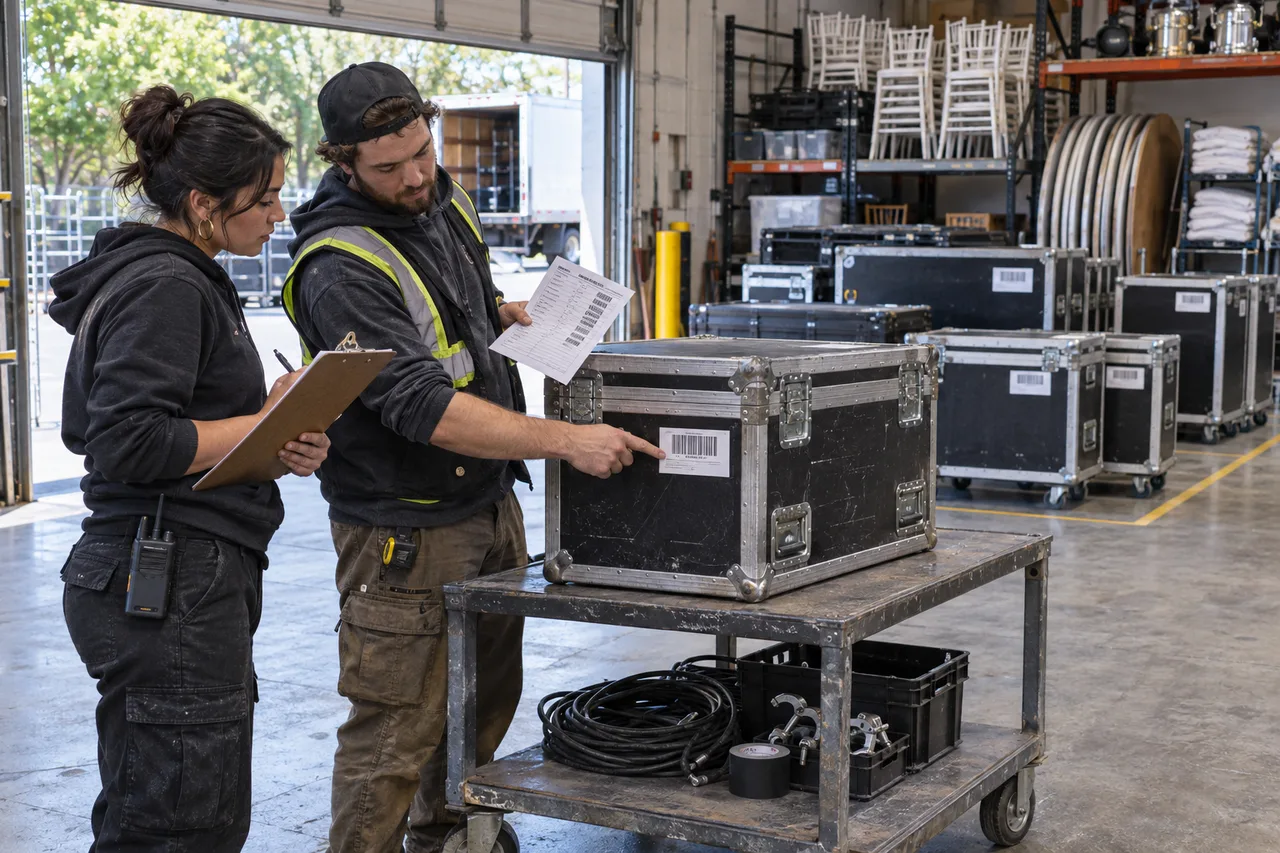
Audit rental handoffs against real equipment and order records to spot mismatches, incomplete returns and incorrect availability.

Draft rental copy from verified product and service details, flag unknowns and check the final claims before publishing.
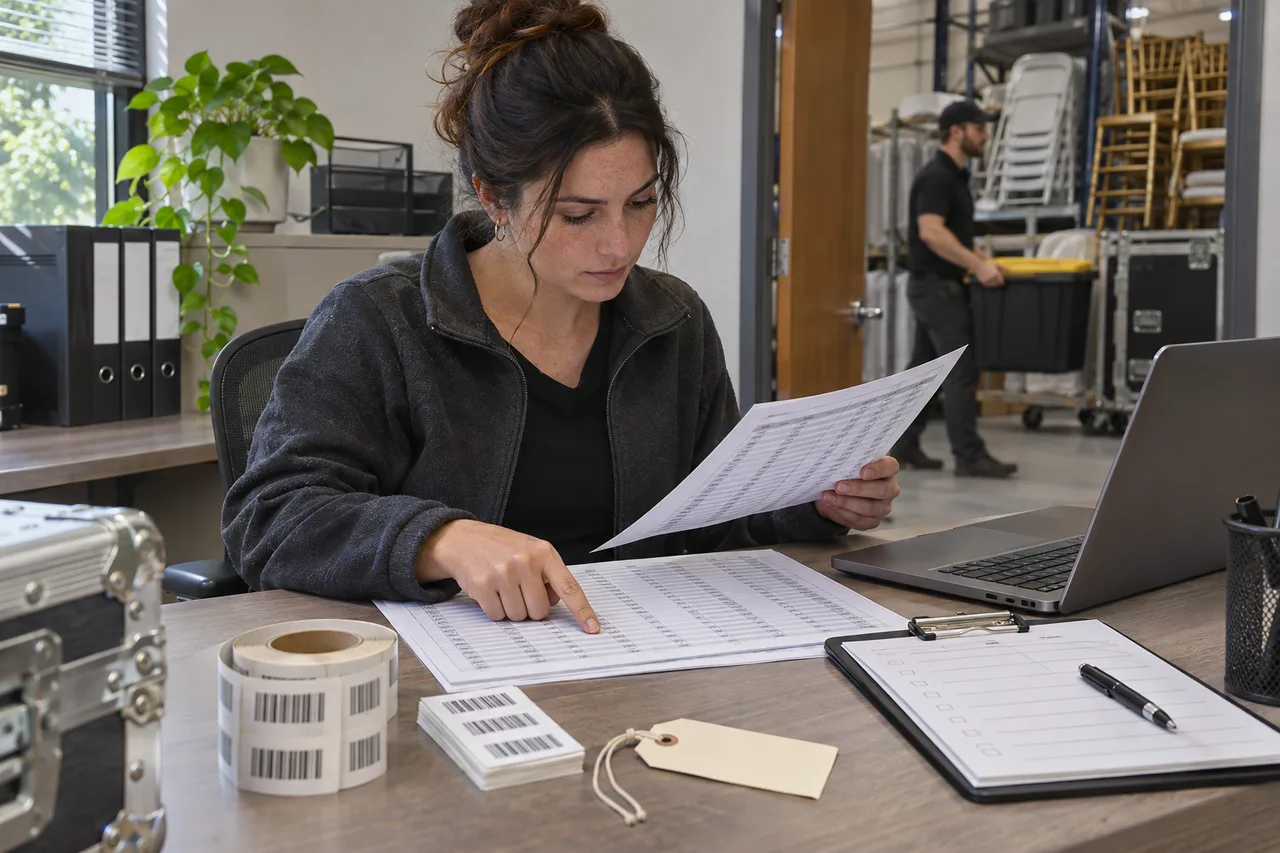
Rehearse a rental software migration and verify that bookings, stock, payment records and daily handoffs agree before cutover.

Turn weekly rental reports into decisions on quotes, stock, or deliveries by assigning actions and checking the results.

Use live chat to answer rental questions, route delivery exceptions, and give customers a clear next step.

Decide when to hire marketing help by defining one rental offer, the work to hand off and a result your business can verify.
Plan an inflatable rental launch with a focused fleet, job-cost estimates, site checks, and an operating plan for your first bookings.

Connect a Squarespace showroom to a rental booking path and verify the links, inventory checks, quotes and customer messages.
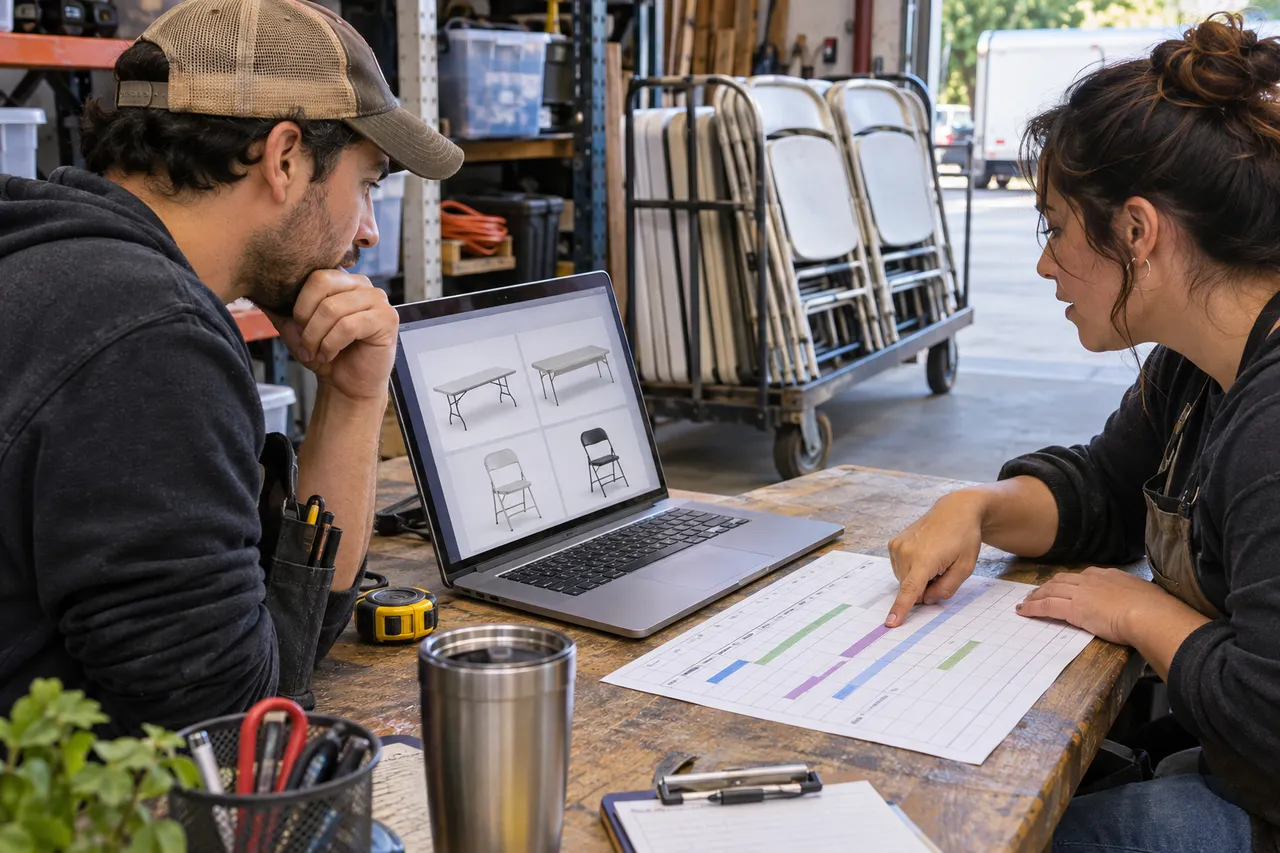
Test WooCommerce rental availability, shared resources, mixed checkout and the warehouse handoff with practical booking scenarios.

Compare the contribution and crew hours of completed rentals to make better decisions about staffing, pricing and capacity.

Start with one camera system and verify compatible equipment, shared stock, customer handoffs and kit returns before expanding.

Build a school rental quote around the organizer’s approval schedule, equipment needs and confirmed venue handoff.
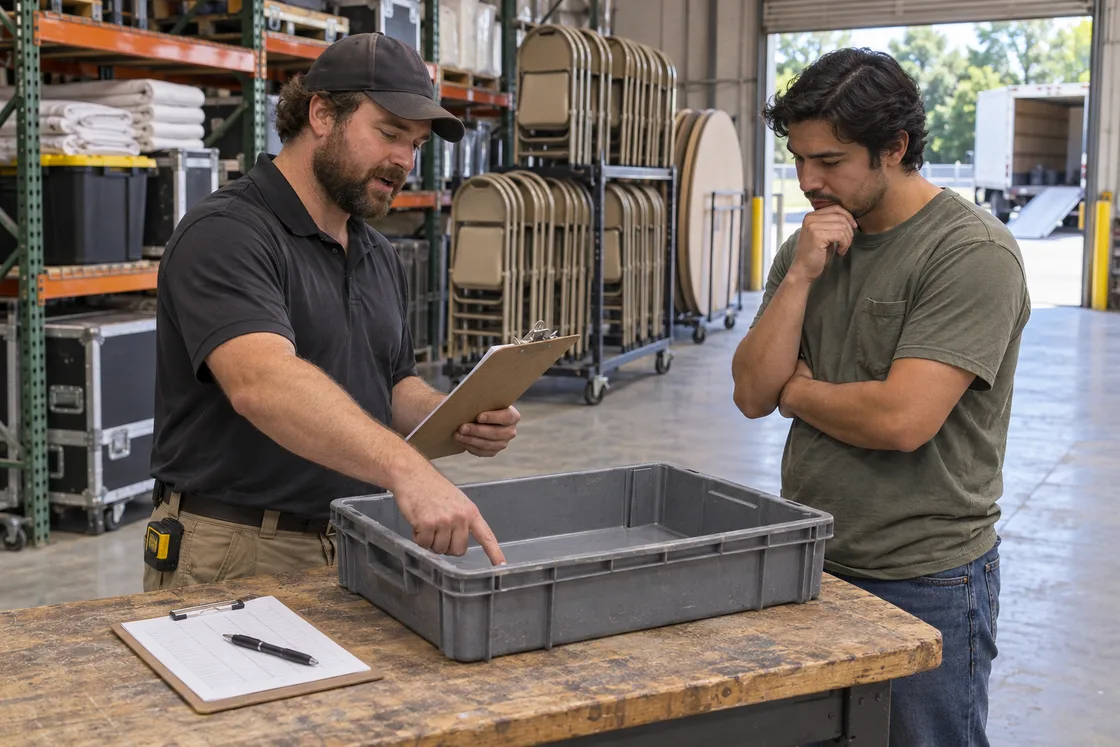
Plan a realistic rental crew job preview using a mock return, clear work expectations and a consistent interview process.

Set up rental call coverage so the first available coordinator can answer, hand off urgent orders and follow through on callbacks.
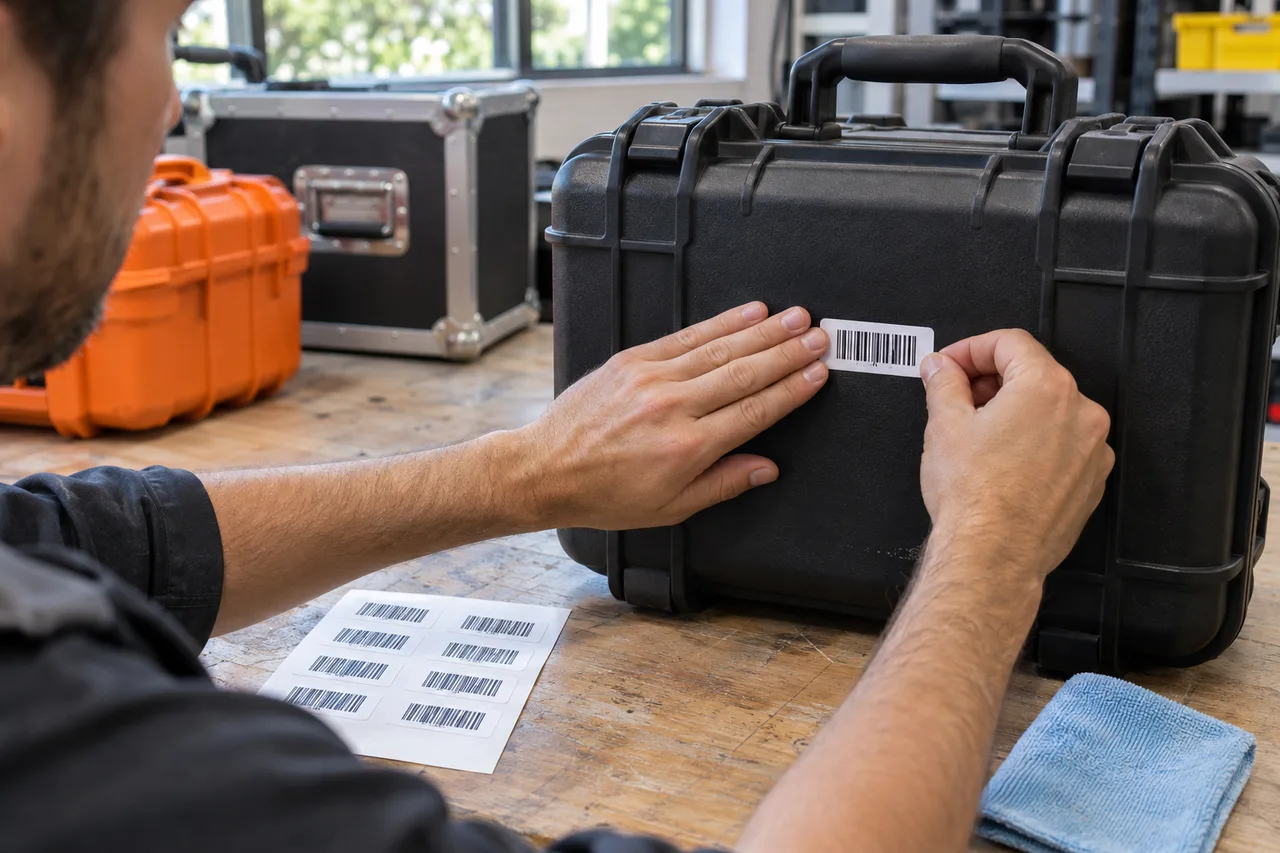
Choose barcode label materials and placements your rental team can scan after routine loading, transport and cleaning.
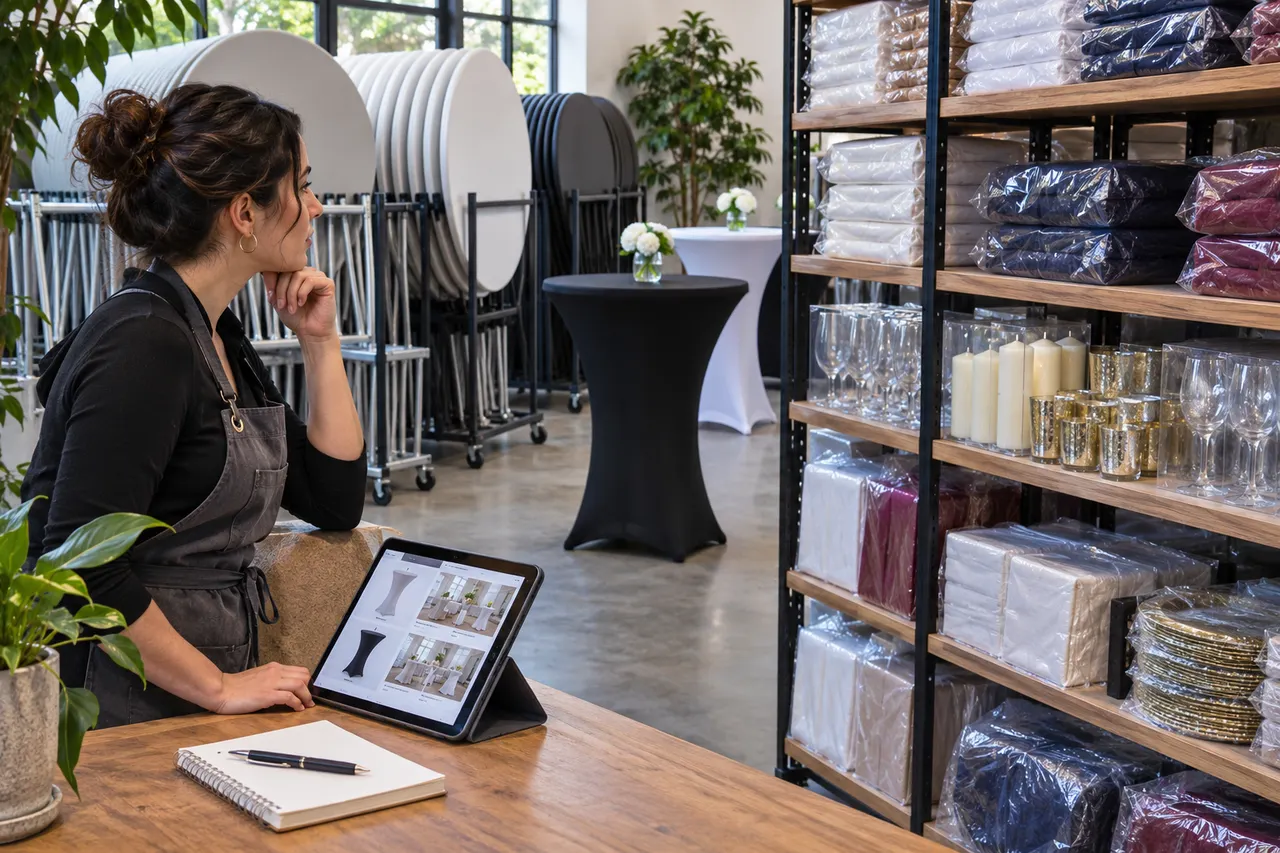
Decide which products to sell, rent or offer both ways, and test stock, fulfillment and returns before launching a mixed catalog.
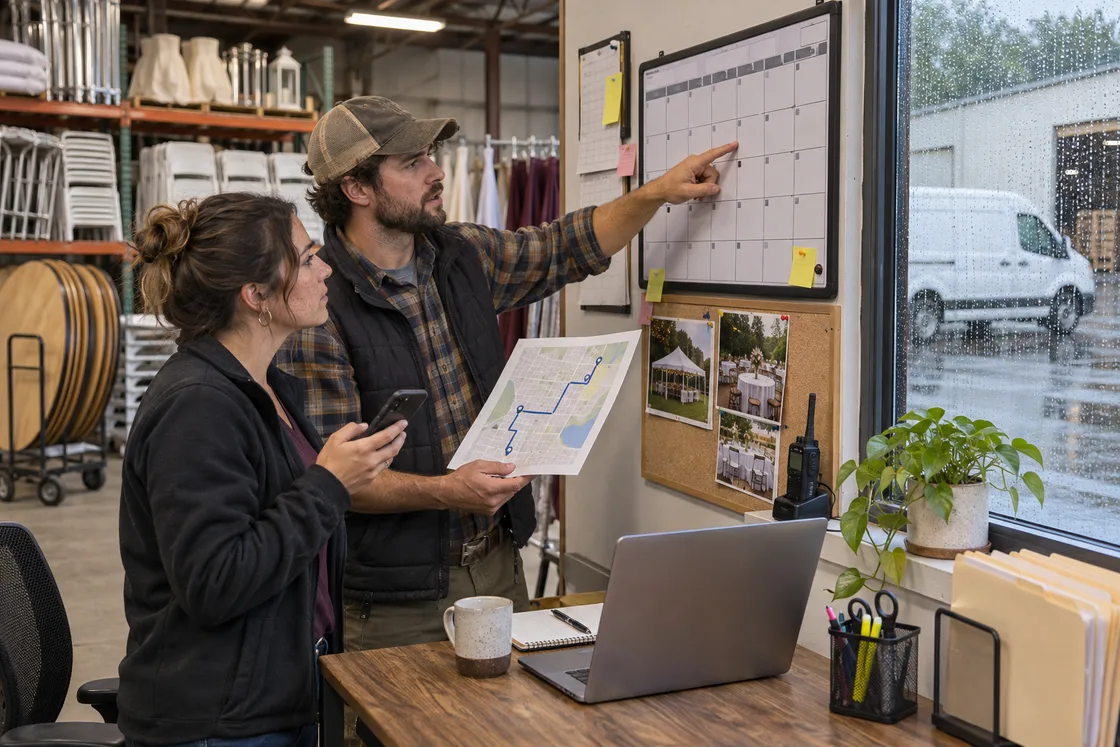
Base your rental cancellation terms on real commitments, clear deadlines and a consistent way to handle rescheduling and refunds.
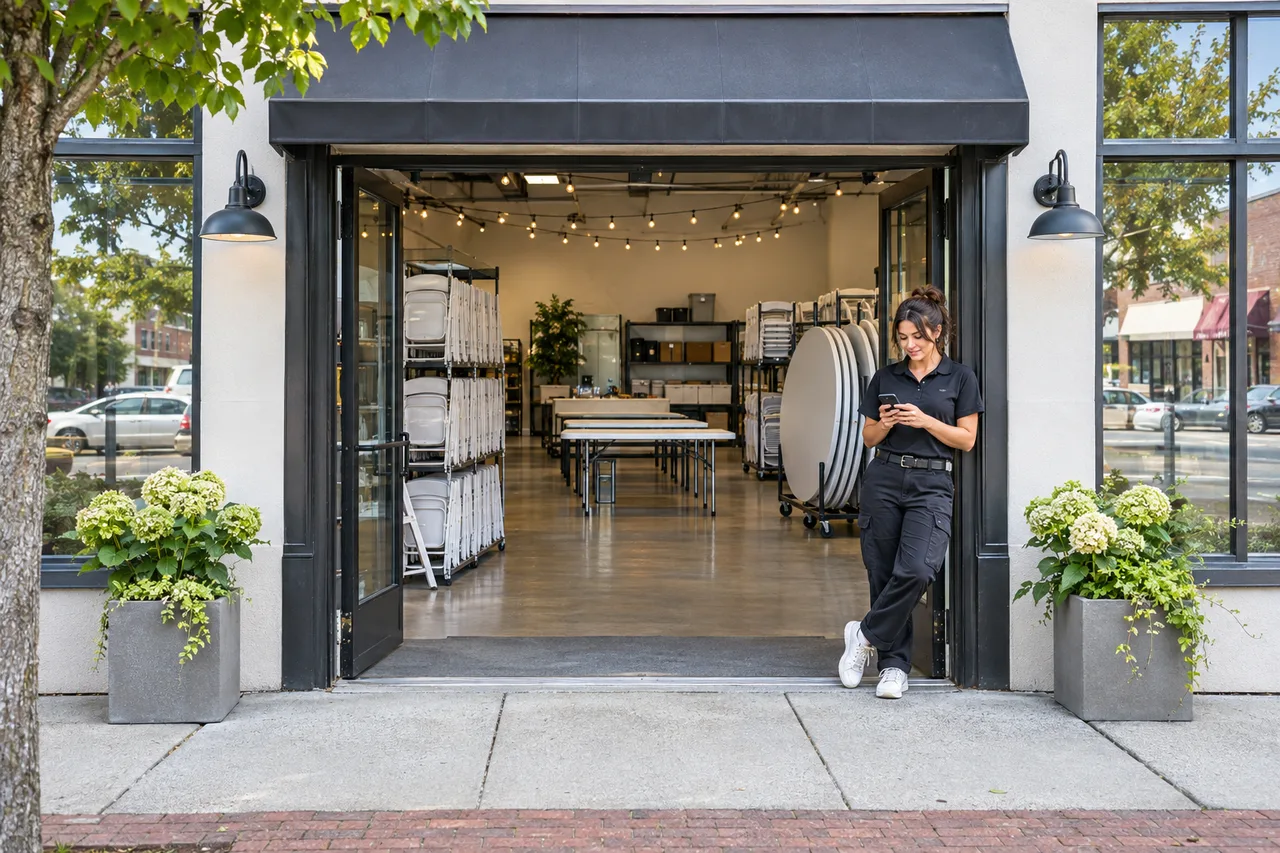
Keep your rental business listing accurate and check how customers find pickup information, ask for a quote and confirm available dates.
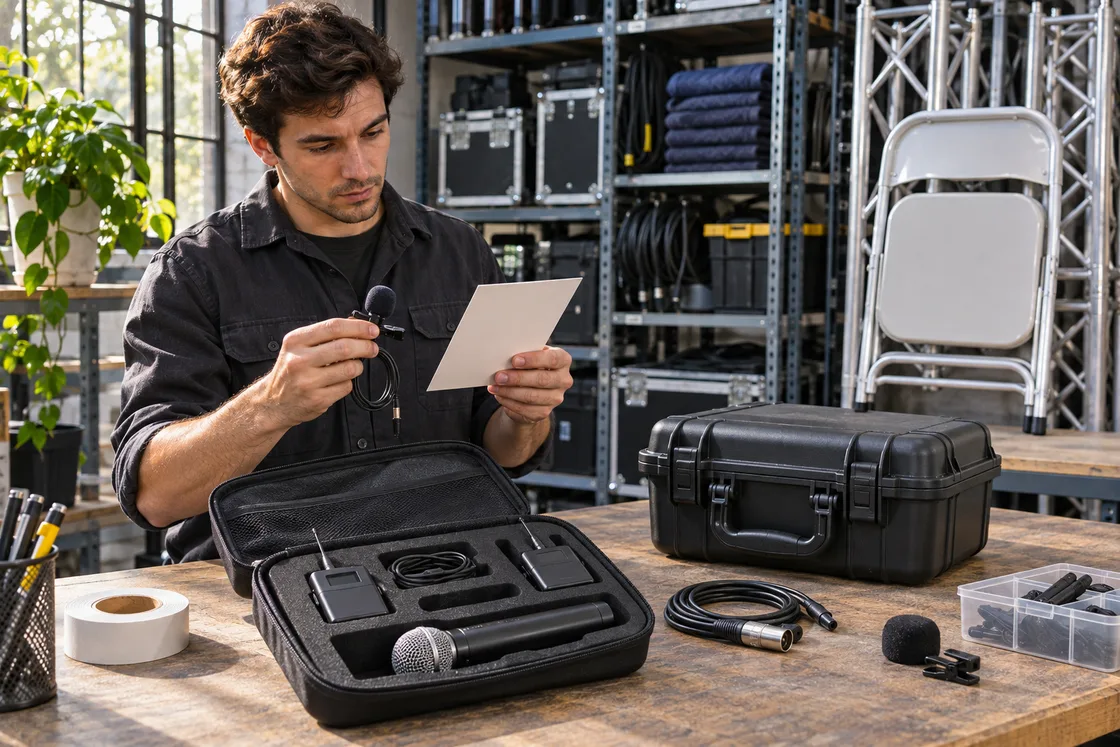
Compare real loss and inspection records across rental categories to choose a reasonable equipment security amount.

Compare wedding rental software by testing a venue change through client approval, stock reservations, updated quotes and delivery.
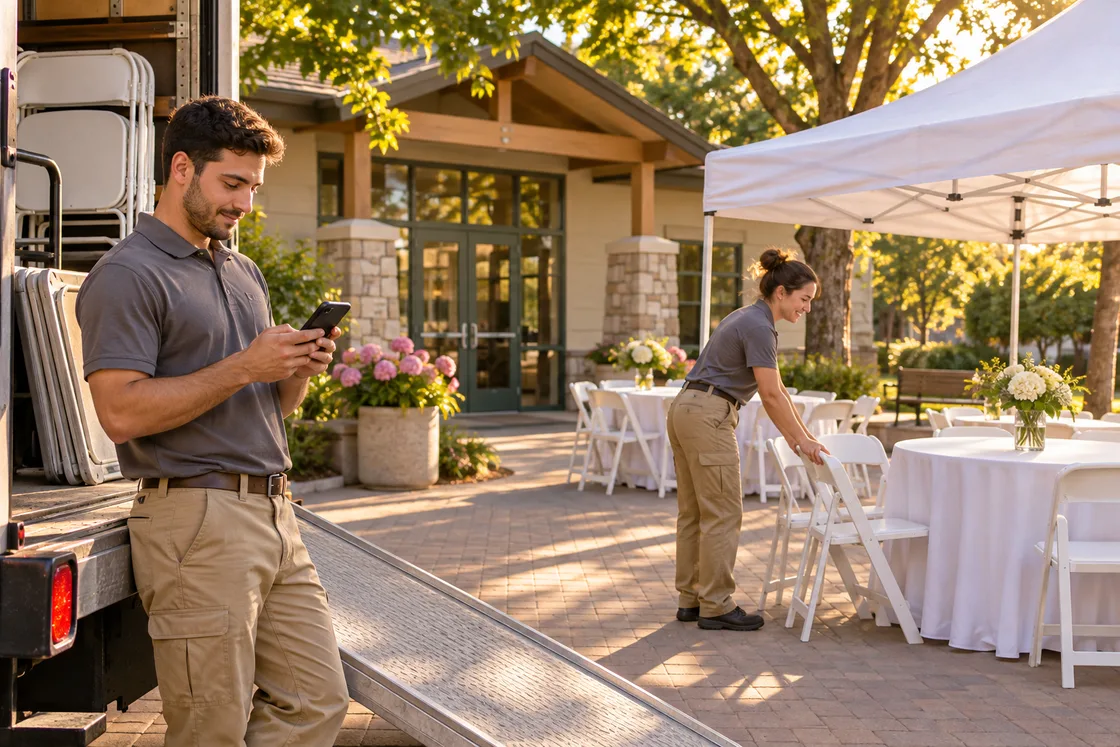
Build a local Meta ad around an available rental date, a clear delivery area and a package your crew can fulfill.
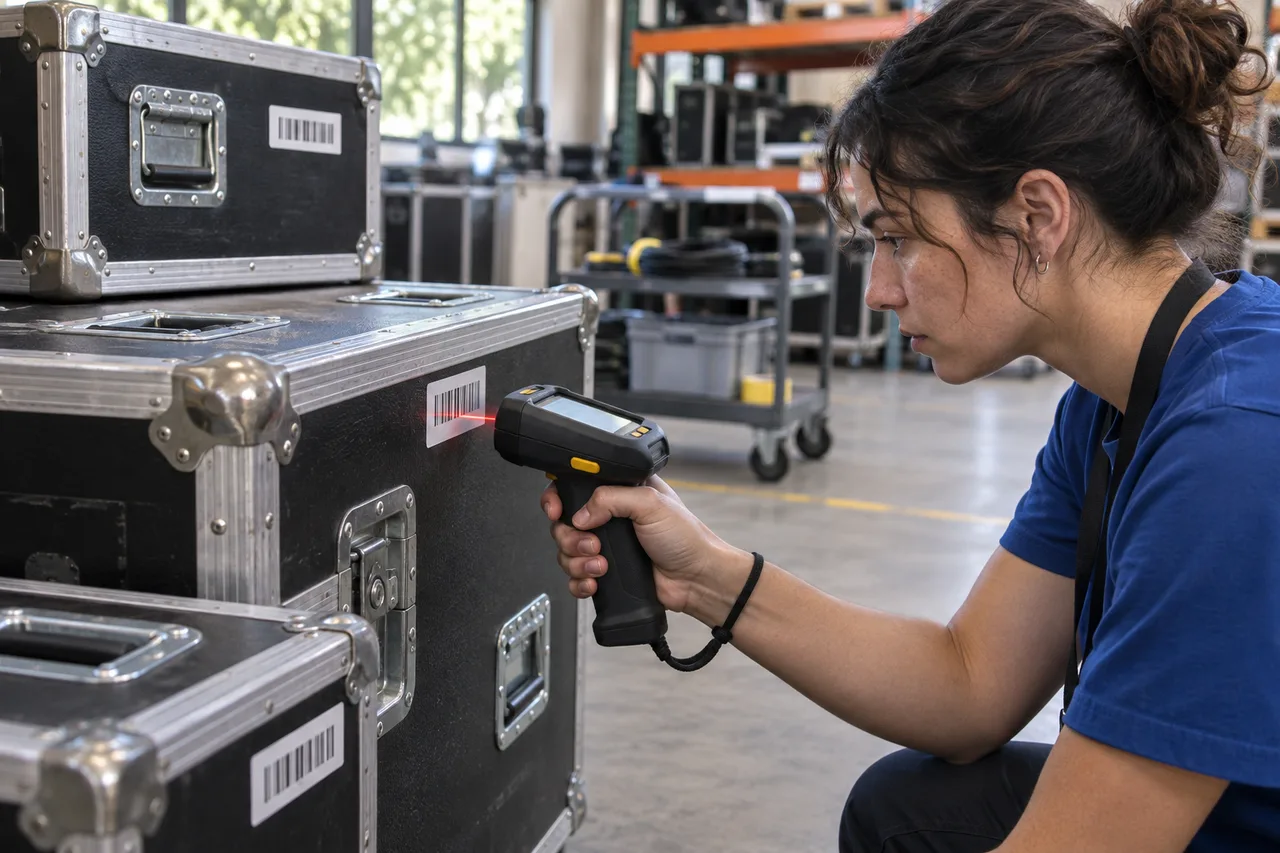
Choose equipment codes that distinguish products, individual assets, kits and locations, then test them through a rental handoff.

Trace the accepted order and actual handoff before proposing a response, then give the customer and crew a clear recap.
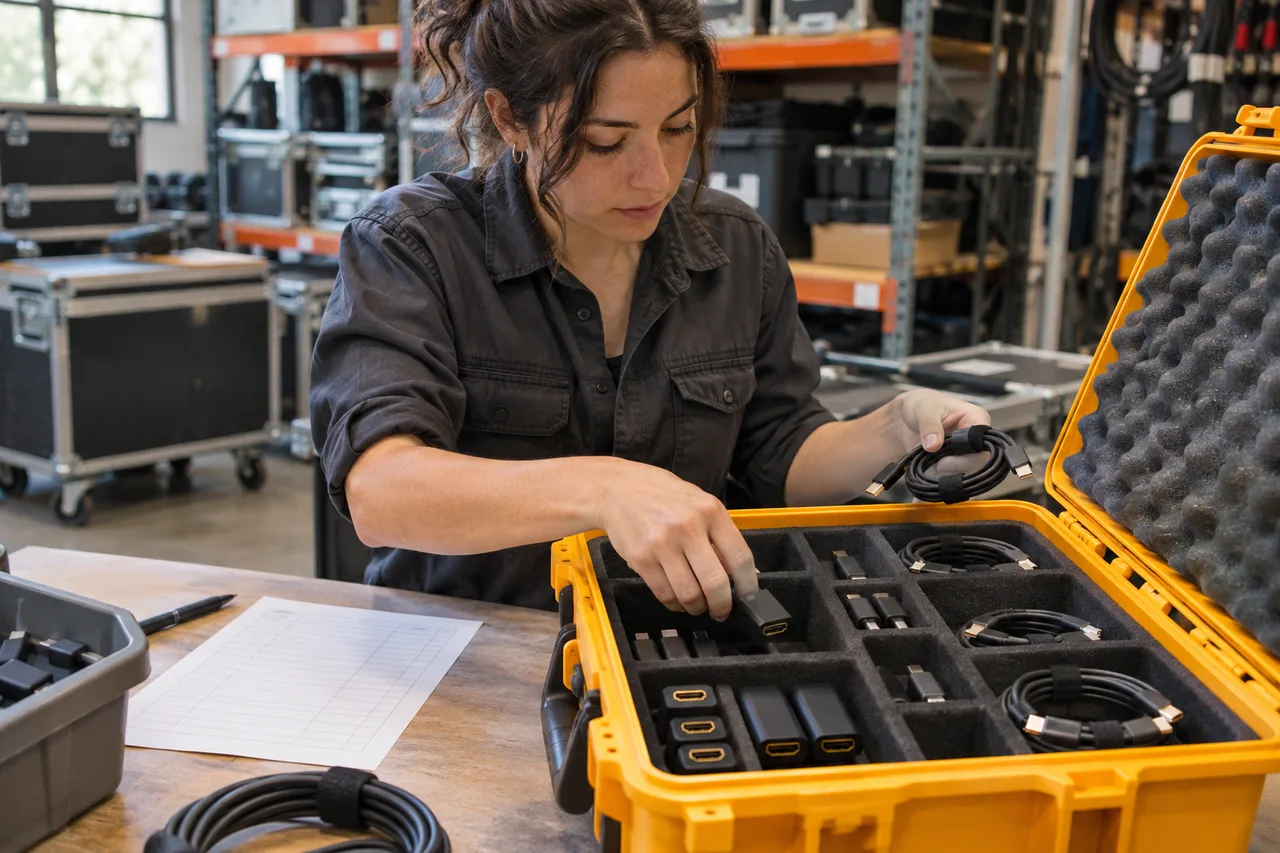
Organize small rental accessories with labeled kits and count sheets, then reconcile missing or substituted parts at return.

Compare website builders using one full rental order, from catalog and availability through confirmation, changes and the warehouse handoff.
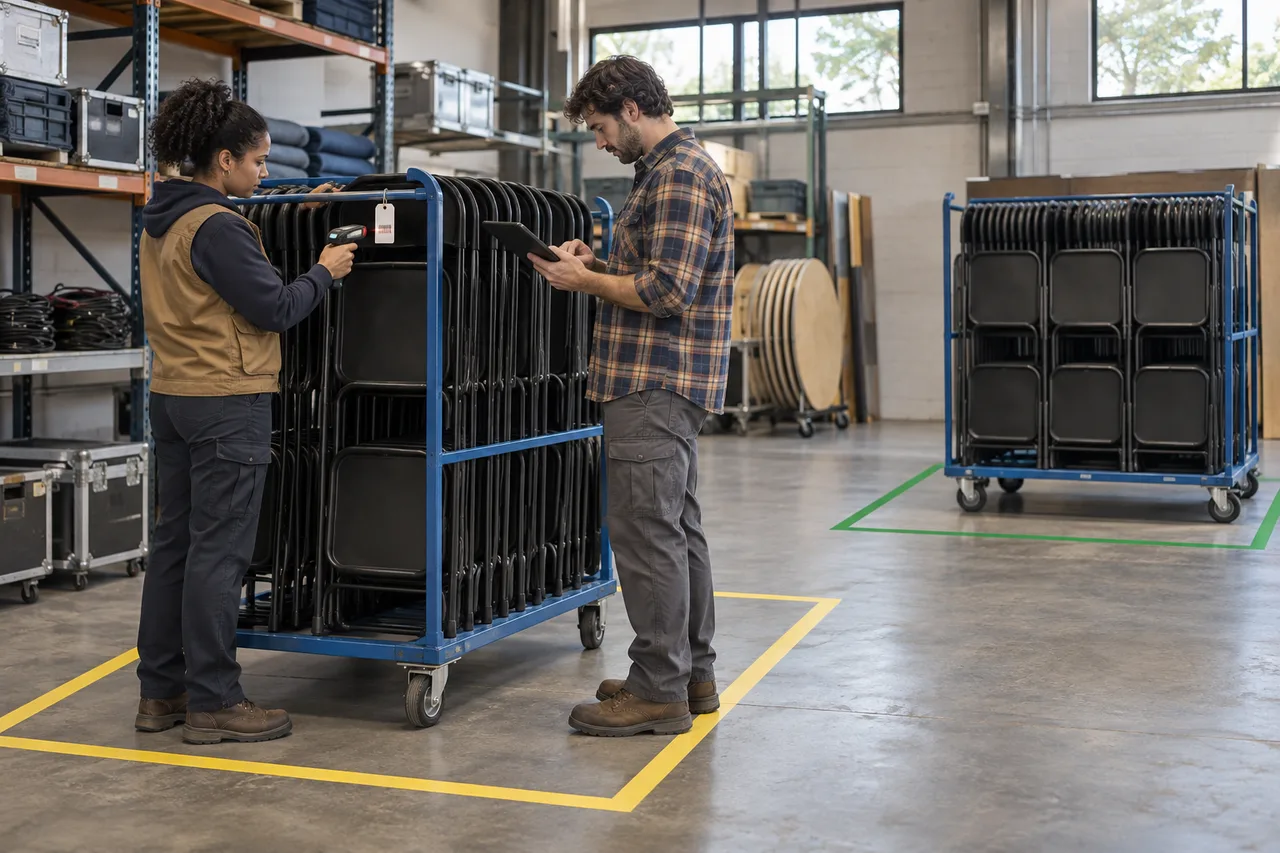
Schedule rental equipment transfers, track what actually reaches each warehouse, and protect bookings when a shipment is late or short.

Compare paid search and paid social using the same rental package, available dates and completed-order definitions.

Use the off-season to prepare spring rental inventory, follow up with organizers and qualify the bookings your crew can serve.

Test a catering partnership by comparing quotes, venue handoffs and staff time before offering food service in-house.

Create a short rental SEO routine that connects search visibility, useful site actions and completed booking outcomes.
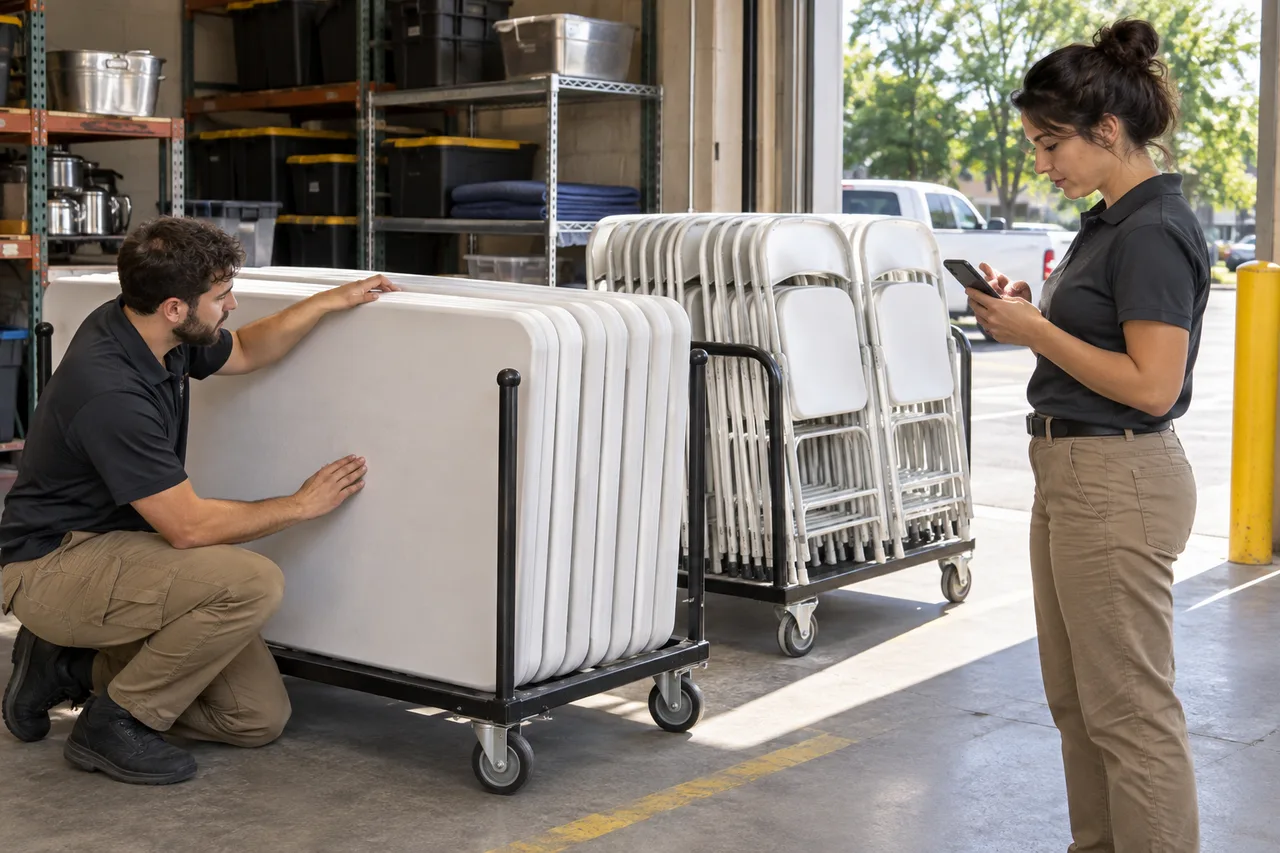
Build a rental promotion around complete packages, available dates and pickup or delivery windows your team can reliably fulfill.

Measure bicycle rental demand by size and time, improve turnaround, and test pickup or transfer changes before expanding the fleet.
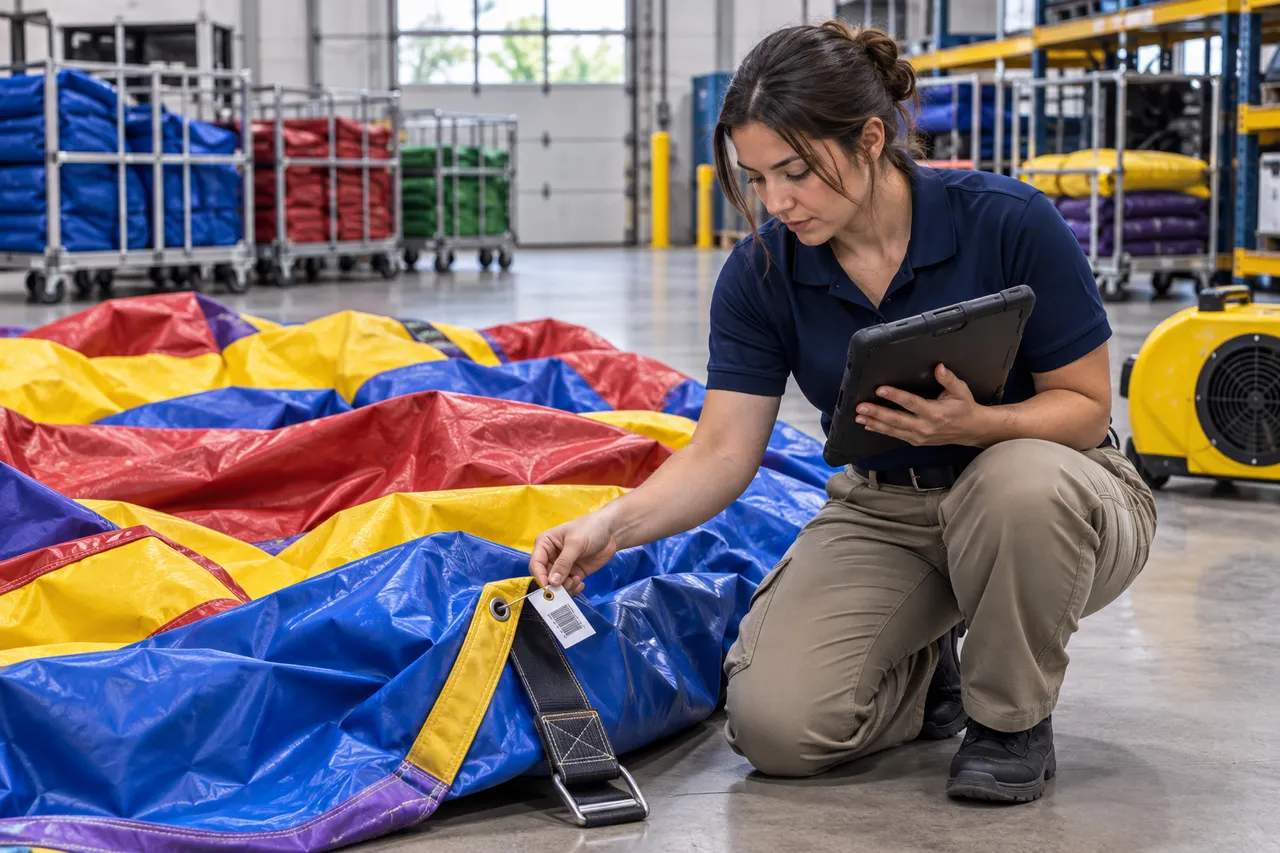
Build a model-specific inflatable cleaning record that connects receiving, approved procedures, condition holds and verified release.
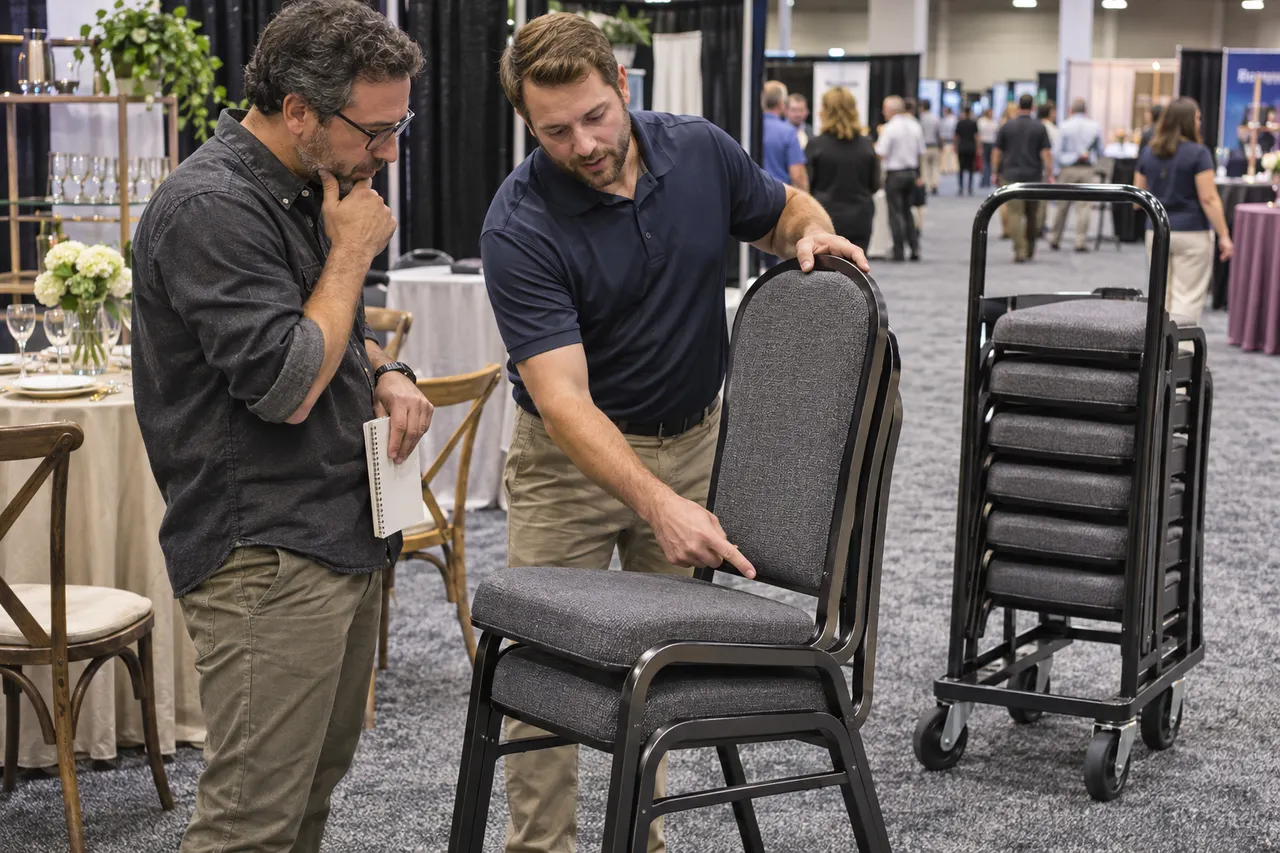
Plan a rental conference around decisions you can verify with vendor demonstrations, peer questions and practical trials.
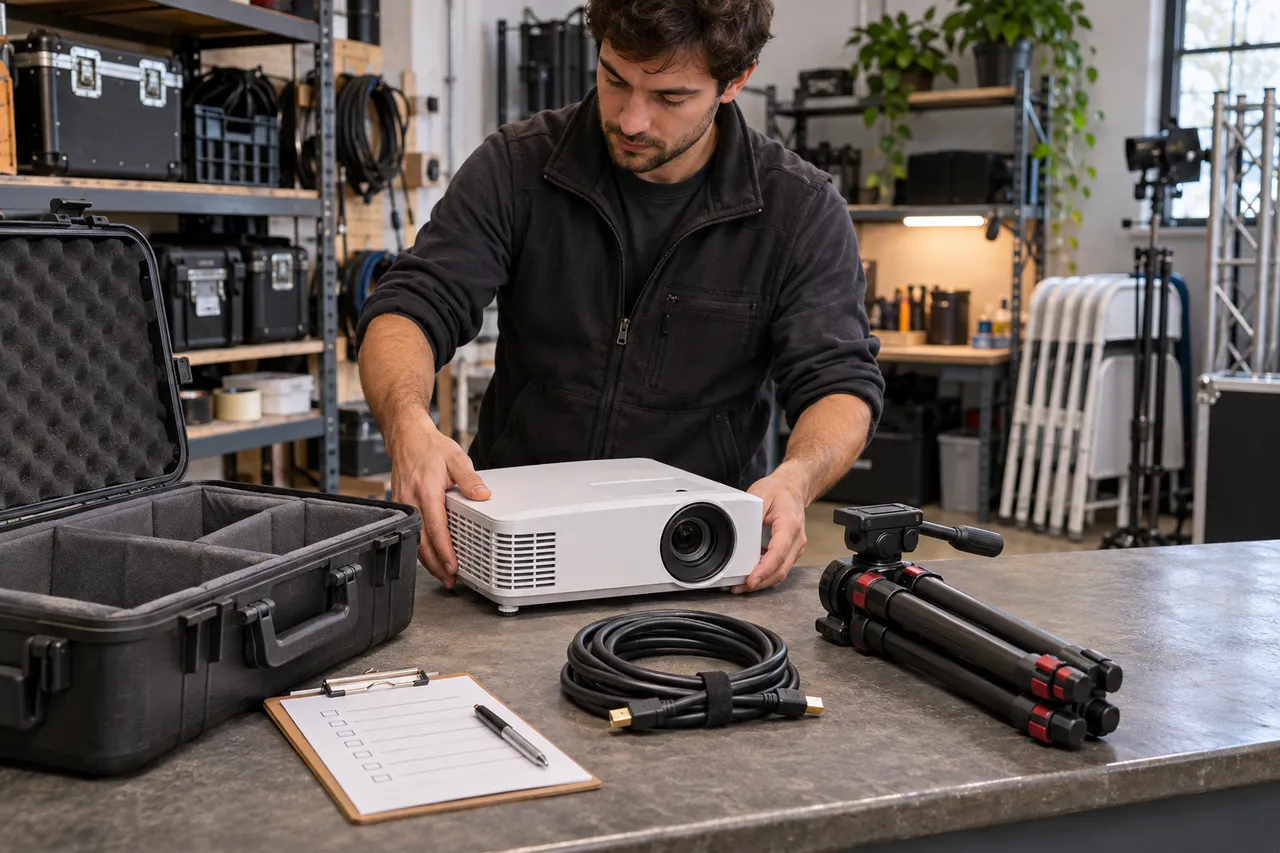
Find rental opportunities in occasional jobs, then test demand, kit contents, customer handoff and the return process.

Review the accepted order, venue access, equipment readiness and route decisions before your rental crew leaves.

Compare rental software setup costs, recurring fees, staff time and contribution from fulfilled bookings to estimate payback.
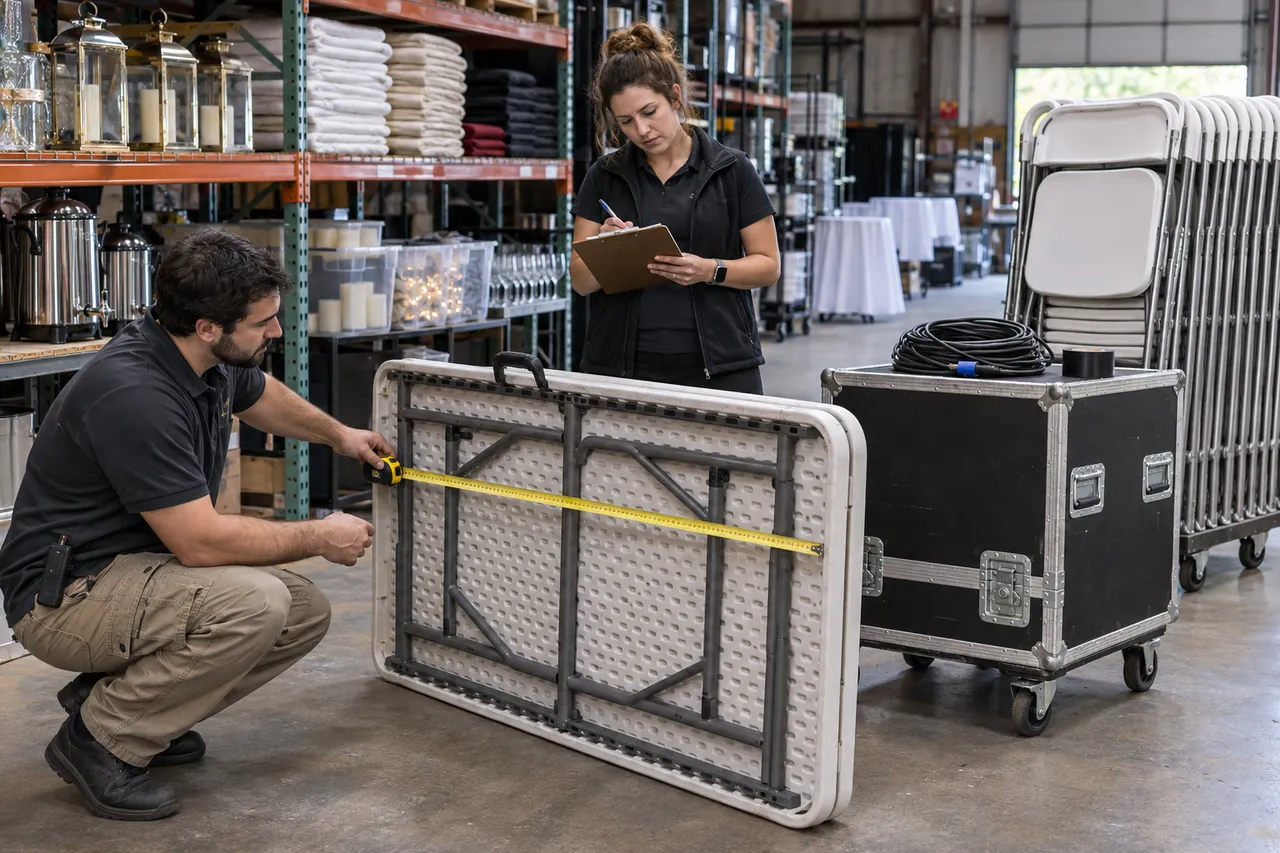
Compare rental ideas using full job timelines, shared stock, vehicle and crew capacity, direct costs and real trial orders.

Use selected social photos to help customers choose rental products, then test image loading and the booking path on mobile.

Compare cash, staged buying, financing, leasing and partner sourcing using the same rental demand and monthly cash estimates.

Give rental drivers a verified balance, an approved way to collect payment and a clear handoff to the office when a payment needs review.

Match event rental deliveries and collections to venue access, usable truck space and the crew’s actual loading sequence.
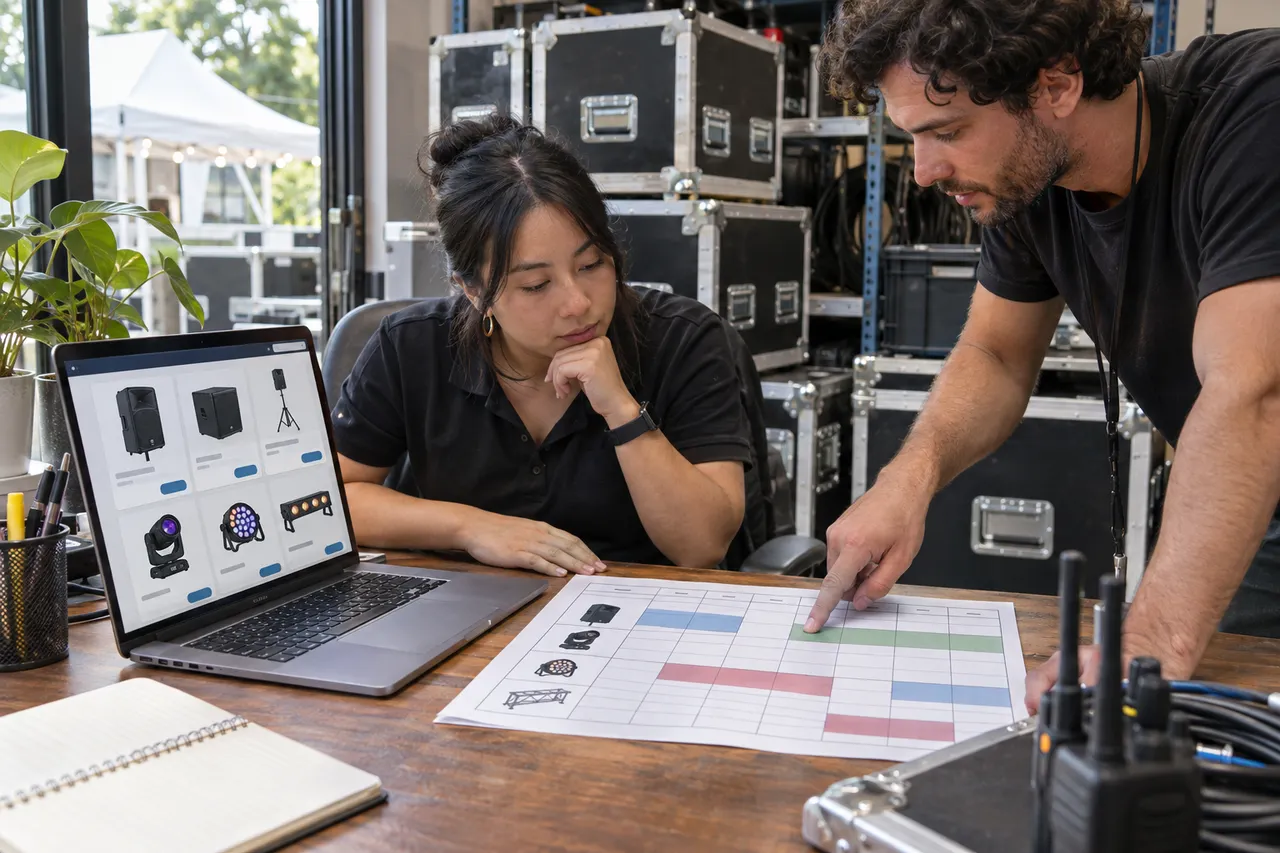
Test how Shopify and your rental setup handle overlapping reservations, mixed carts, returns and order updates before accepting bookings.

Use customer questions and booking tasks to find where people get stuck, prioritize the biggest issues and verify the results.

Plan Saturday rental deliveries around confirmed setup deadlines, venue access and a route the warehouse and crew can follow.

Help dress renters compare actual garment measurements and choose fittings, backup sizes or exchanges that fit their event dates.
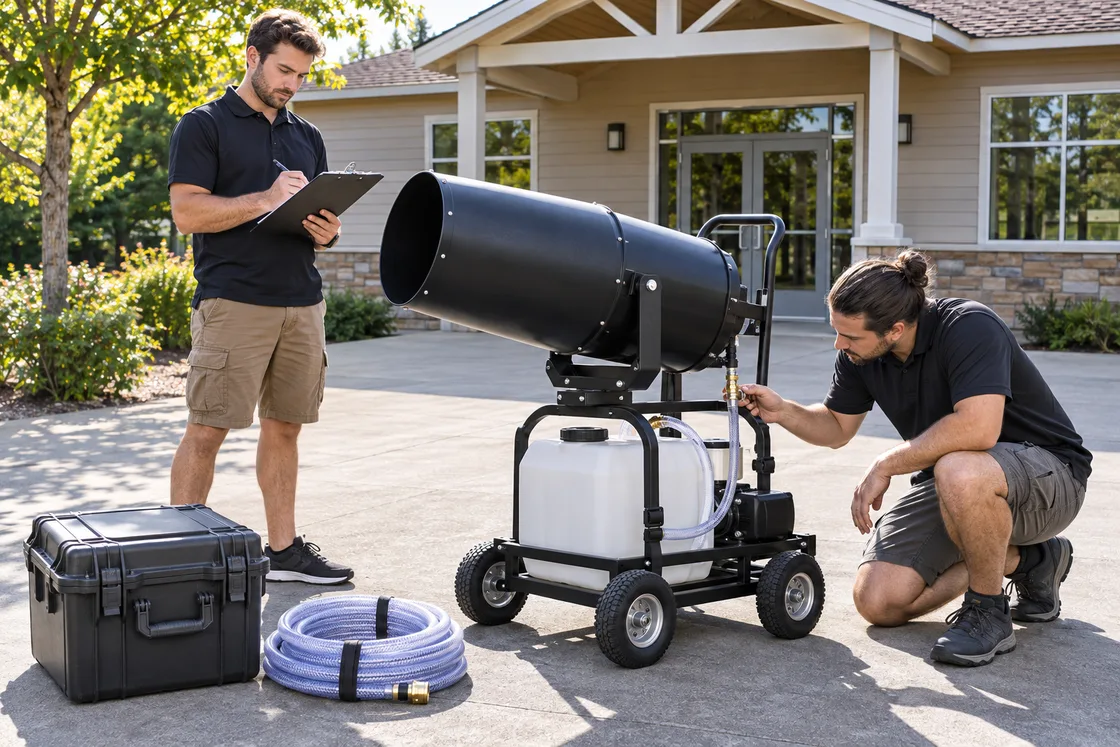
A practical first-business plan for foam equipment, supplies, delivery, and party logistics.

Set expectations around reservation payments and protect your cash flow.
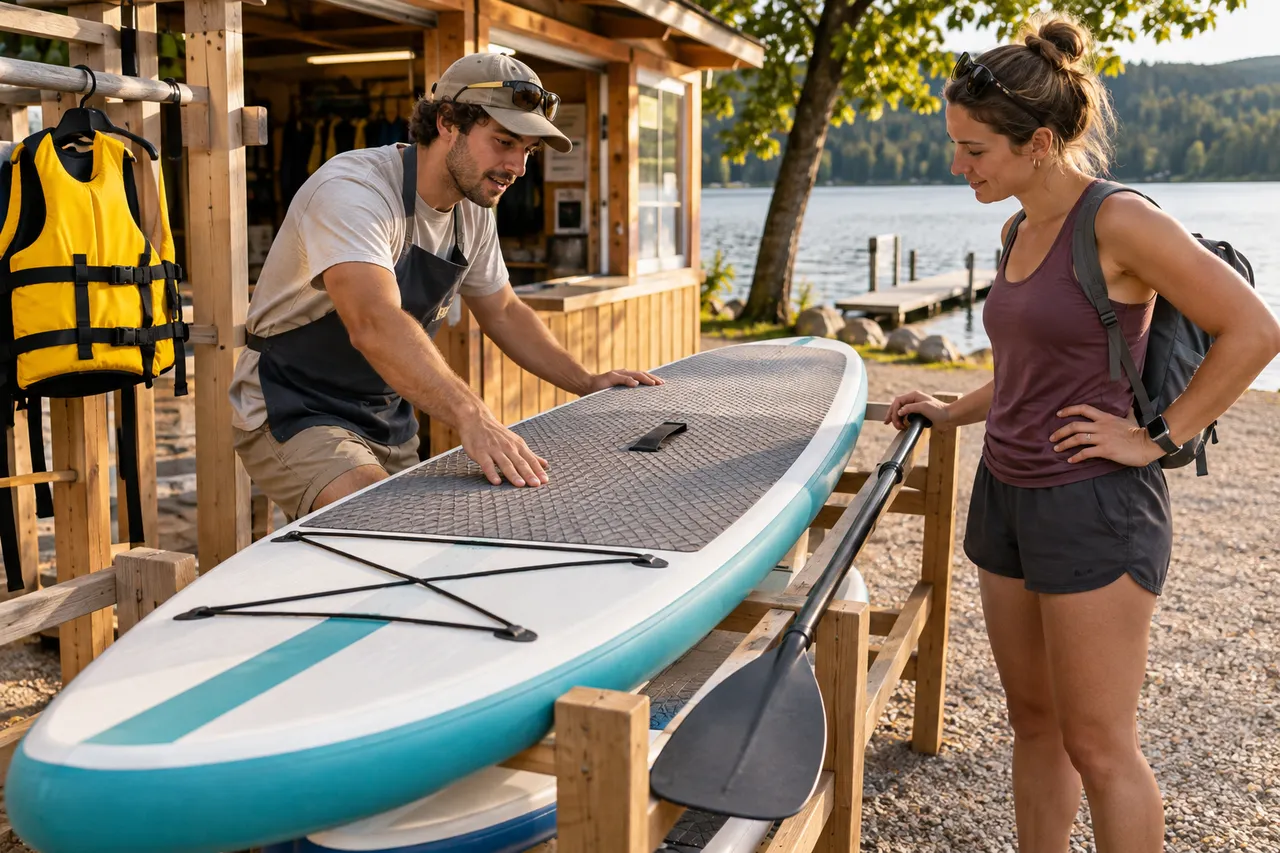
Plan paddleboard pickups and recovery around complete kits, approved locations, staffing, verified returns and turnaround.
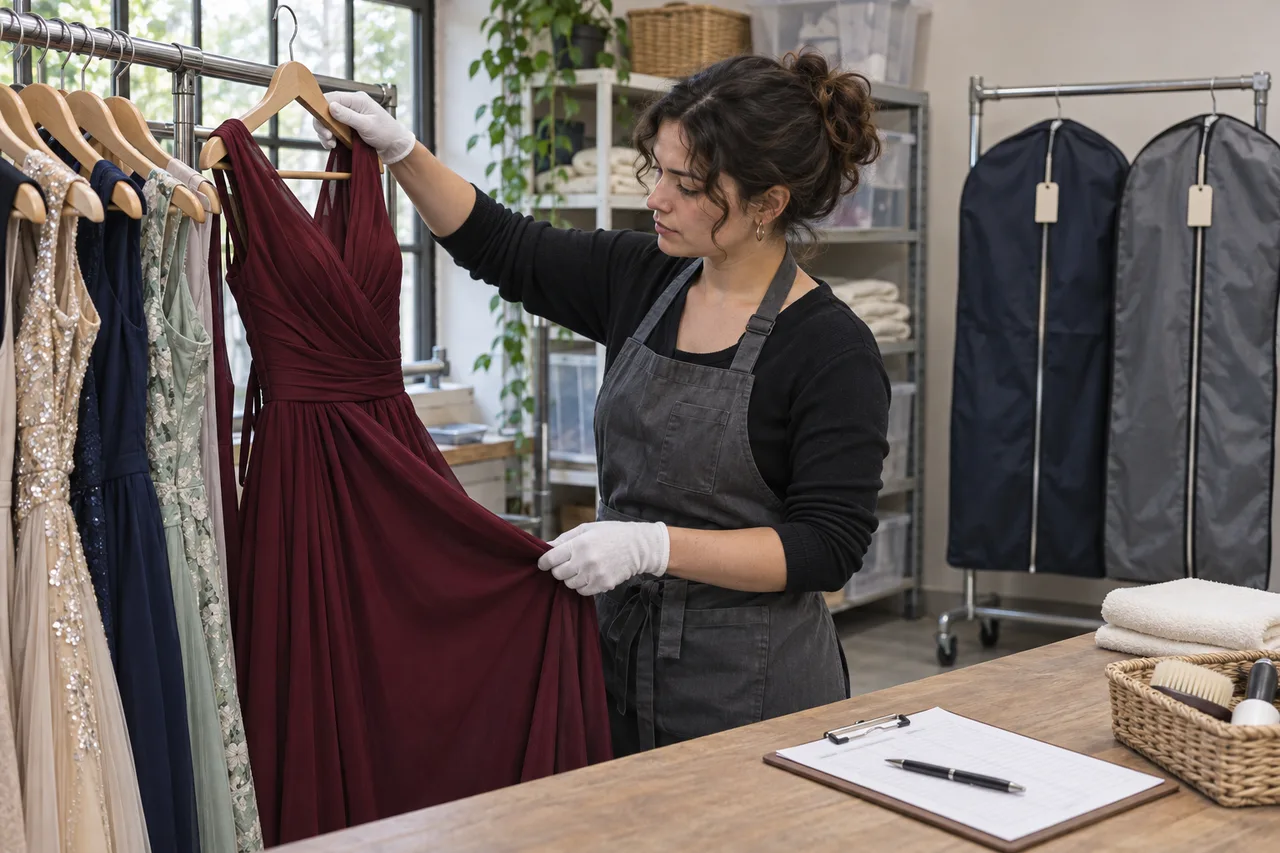
Build wardrobe rental availability around actual returns, garment inspection, care, fitting and preparation for the next booking.

Set equipment rental rates using job costs, idle time, delivery, and a worked break-even example you can adapt.

Create rental invoices that identify the event, show the correct balance and help staff reconcile partial or combined payments.
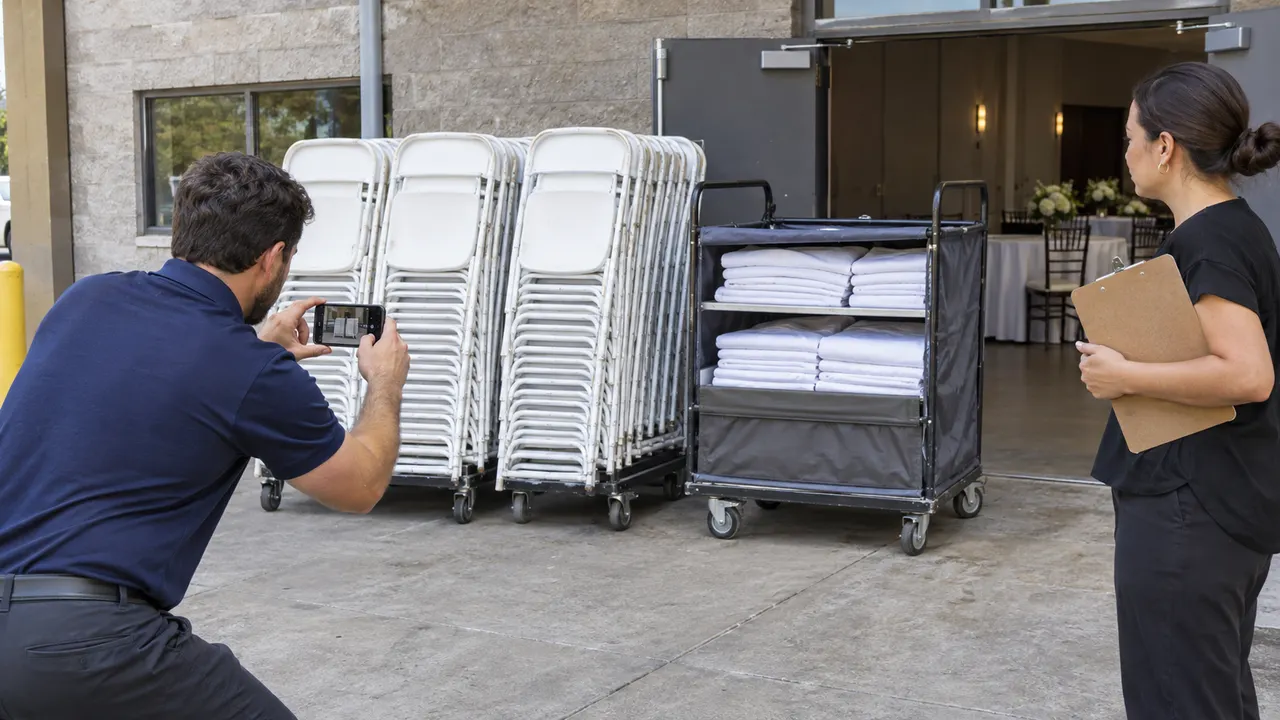
Create a proof-of-delivery routine for event rentals, with actual counts, useful photos, offline receipts and a clear process for partial drop-offs.

Match payment attempts and disputes to the correct rental order, then track deadlines, current balances and office follow-up.

Compare local rental searches with actual inquiries, availability and completed trials before adding equipment.

Turn mileage, labor, and vehicle costs into a predictable checkout price.

Write search titles and descriptions that help renters compare equipment, check dates and understand pickup or delivery before they click.
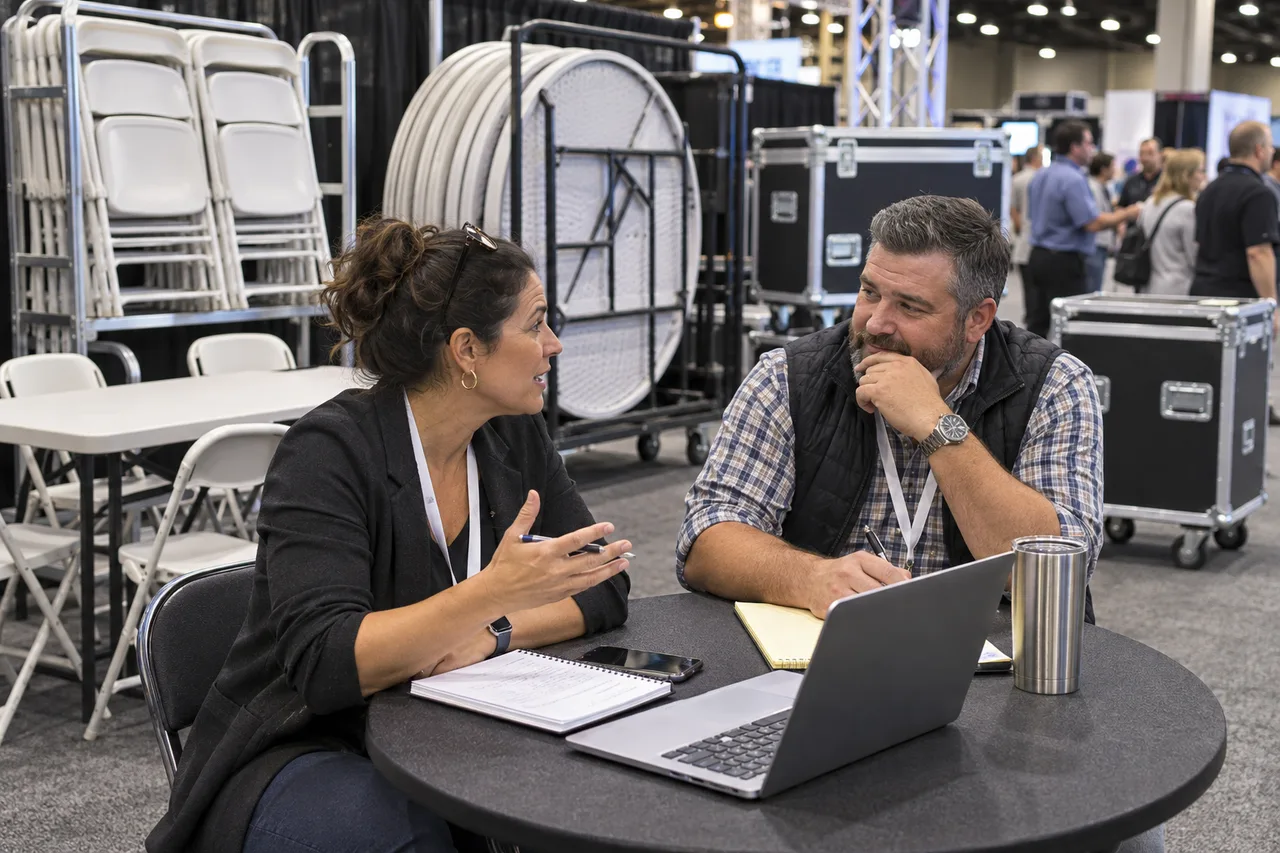
Turn an idea from a trade show or peer conversation into a small, measurable rental workflow test your crew can repeat.
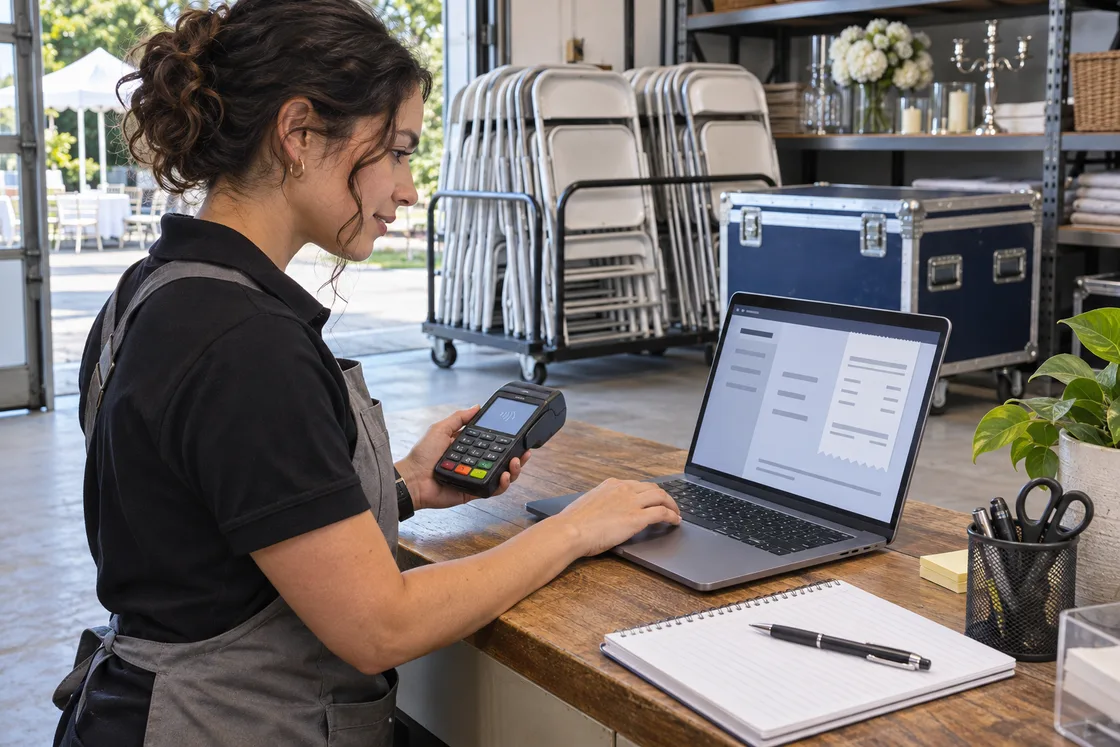
Connect the timing of a rental card authorization to pickup, return inspection, partial capture and release.

Plan baby gear rentals around verified products, predictable lodging handoffs, travel changes and time to inspect each return.
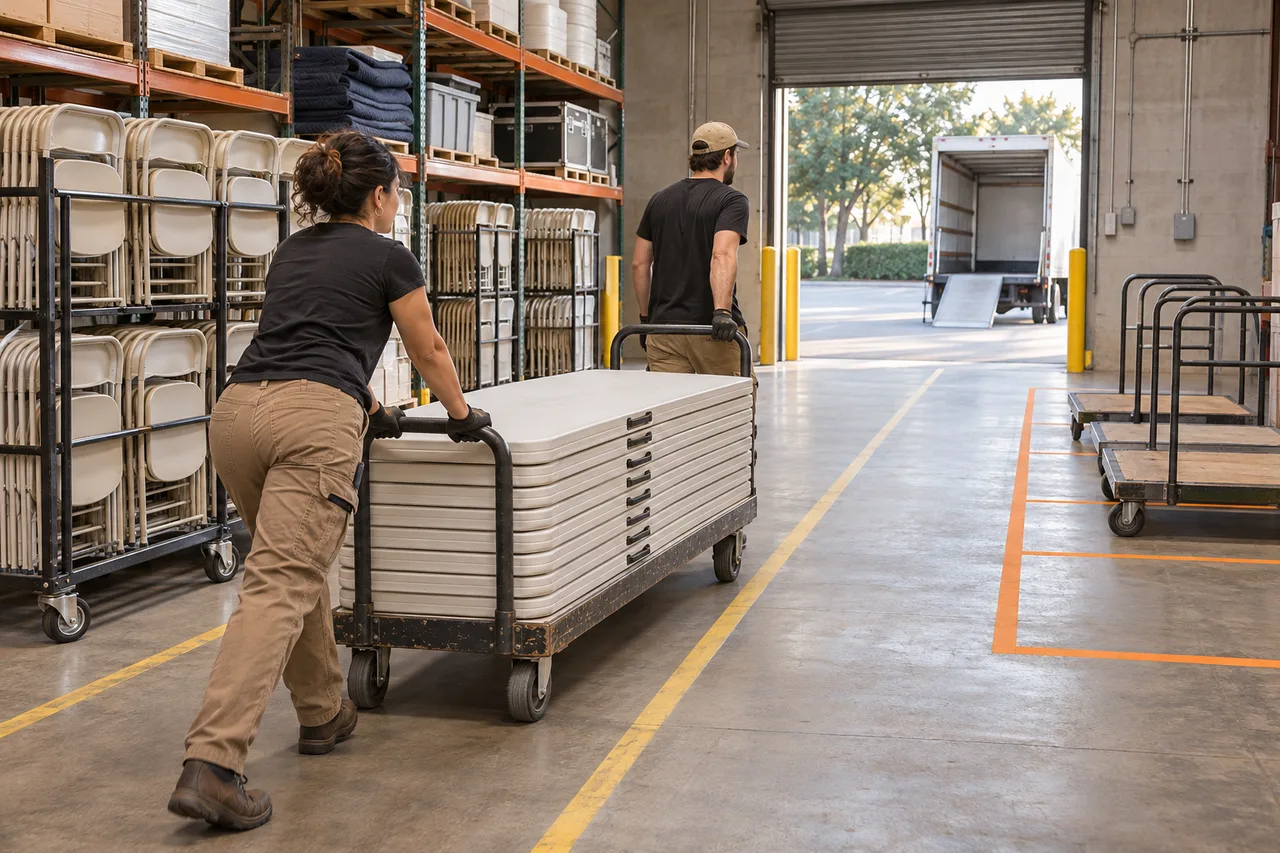
Build a final rental inventory check for what actually leaves the warehouse, including quantities, accessories, route assignments and exceptions.

Forecast rental revenue from confirmed bookings and feasible quotes, using inventory, crew and delivery limits to test each scenario.

Compare rental software using one sample booking from quote and approval through delivery, changes and return.

Organize rental inquiries by the next decision, responsible person and deadline so another employee can confidently pick up the work.

Track furniture condition, reference photos and holds from dispatch through return so each piece can be released with confidence.

Define lead, payment and booking events, then test how Meta receives them against your real rental records.
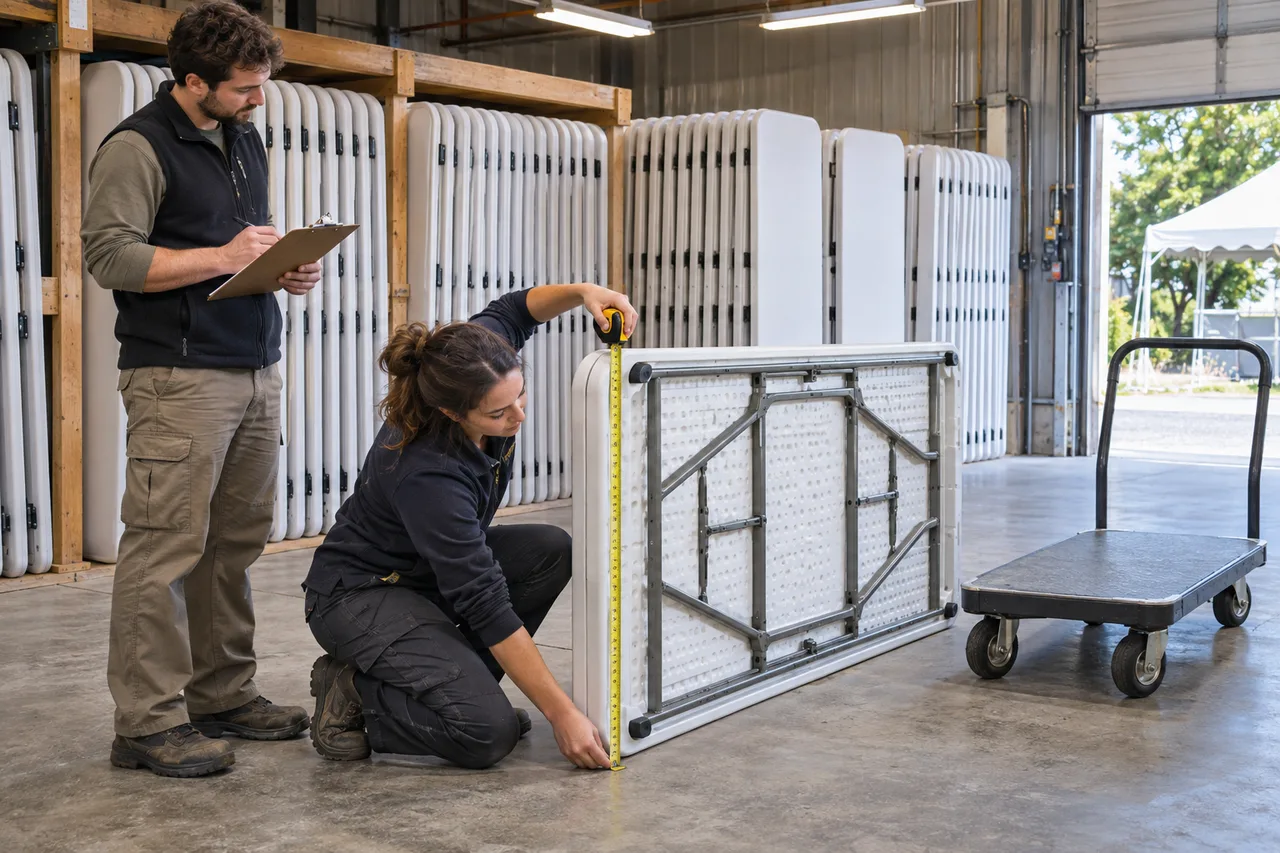
Build an equipment buying list from bookings, warehouse measurements and delivered costs before going to a trade show.
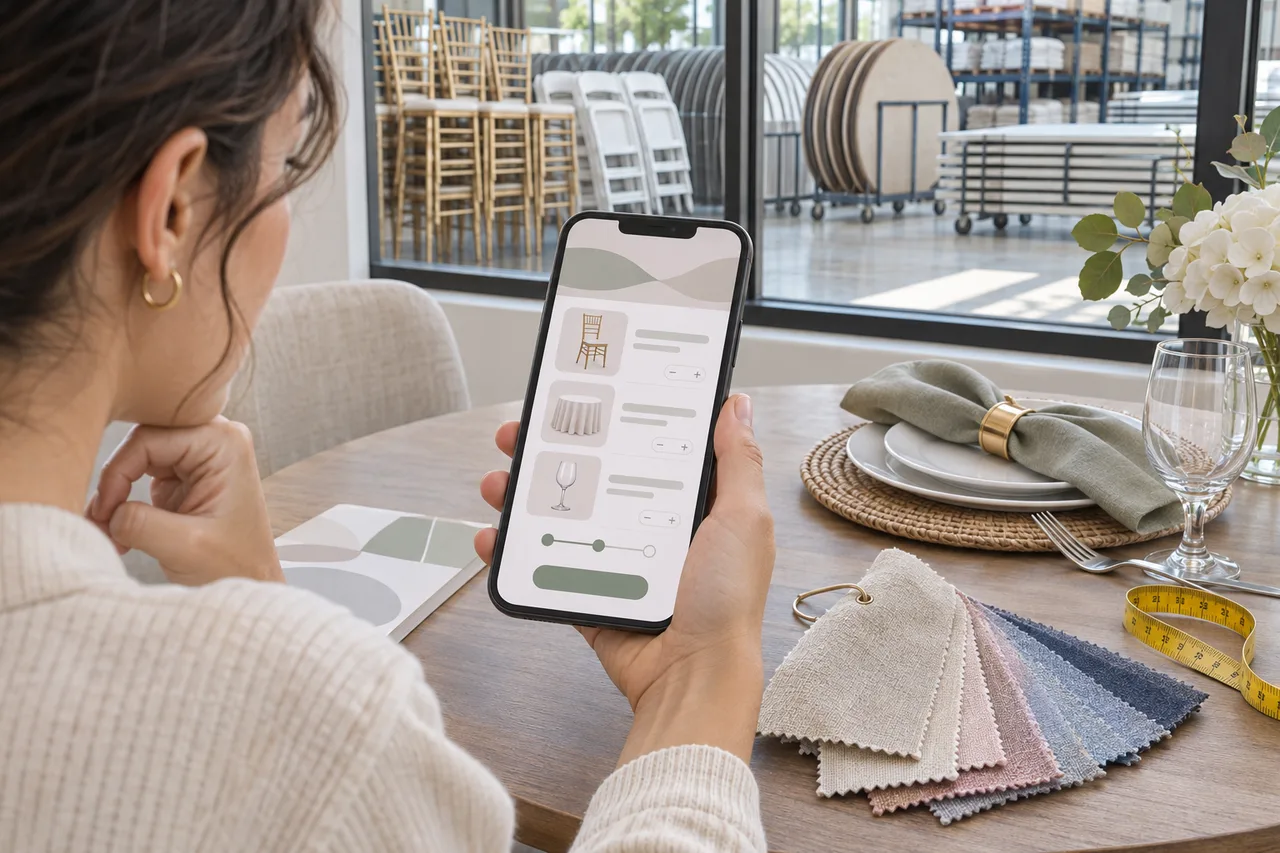
Design rental checkout around the decisions customers make about equipment, dates, pickup, delivery and payment.

Write an optional rental review request with a recognizable sender, a relevant event reference and one verified destination link.

Set seasonal rental rates based on the dates and work they cover, then explain the total on quotes and in checkout.

Give rental crews a job brief with approved agreement details, current setup plans and a path for resolving changes on site.

Use verified rental balances and current due dates to send reminders, including after partial payments and booking changes.
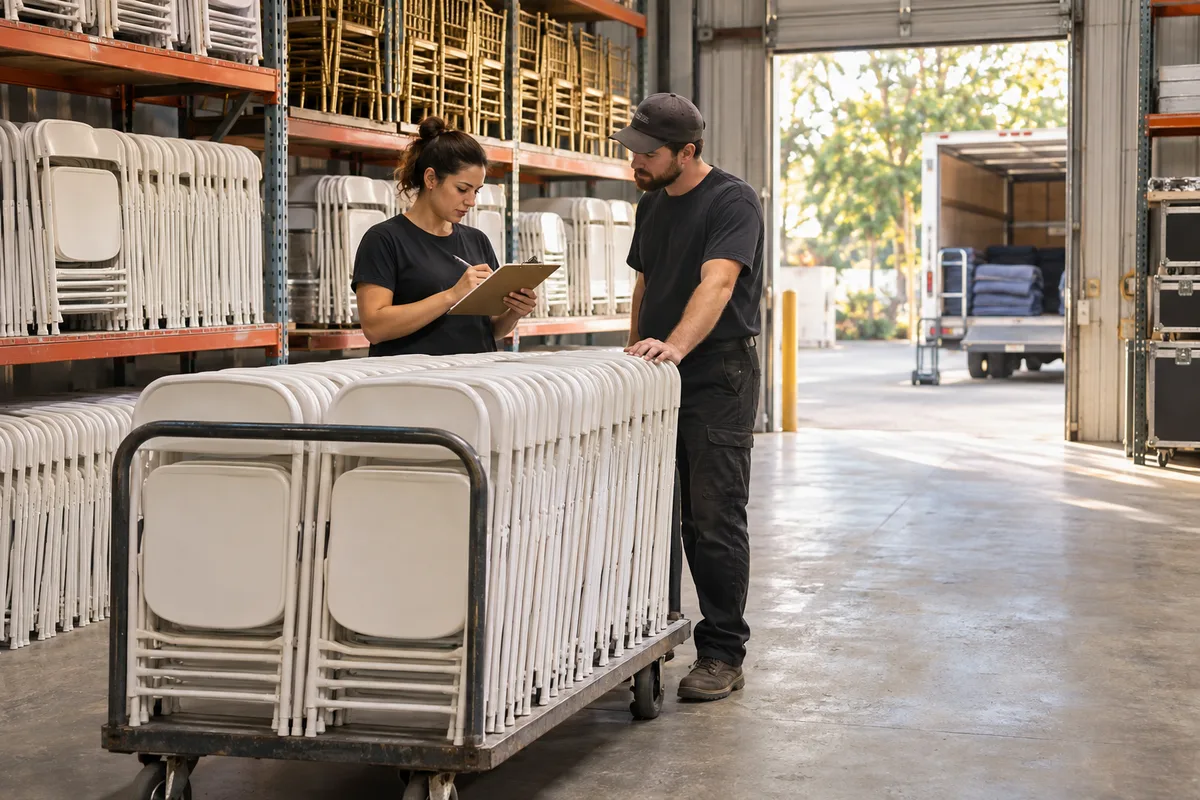
Plan a warehouse return path that separates incoming, held, and cleared equipment. Includes a worked example for partial returns and a layout pilot.

Clarify equipment use, responsibilities, delivery, changes, and returns before an event.
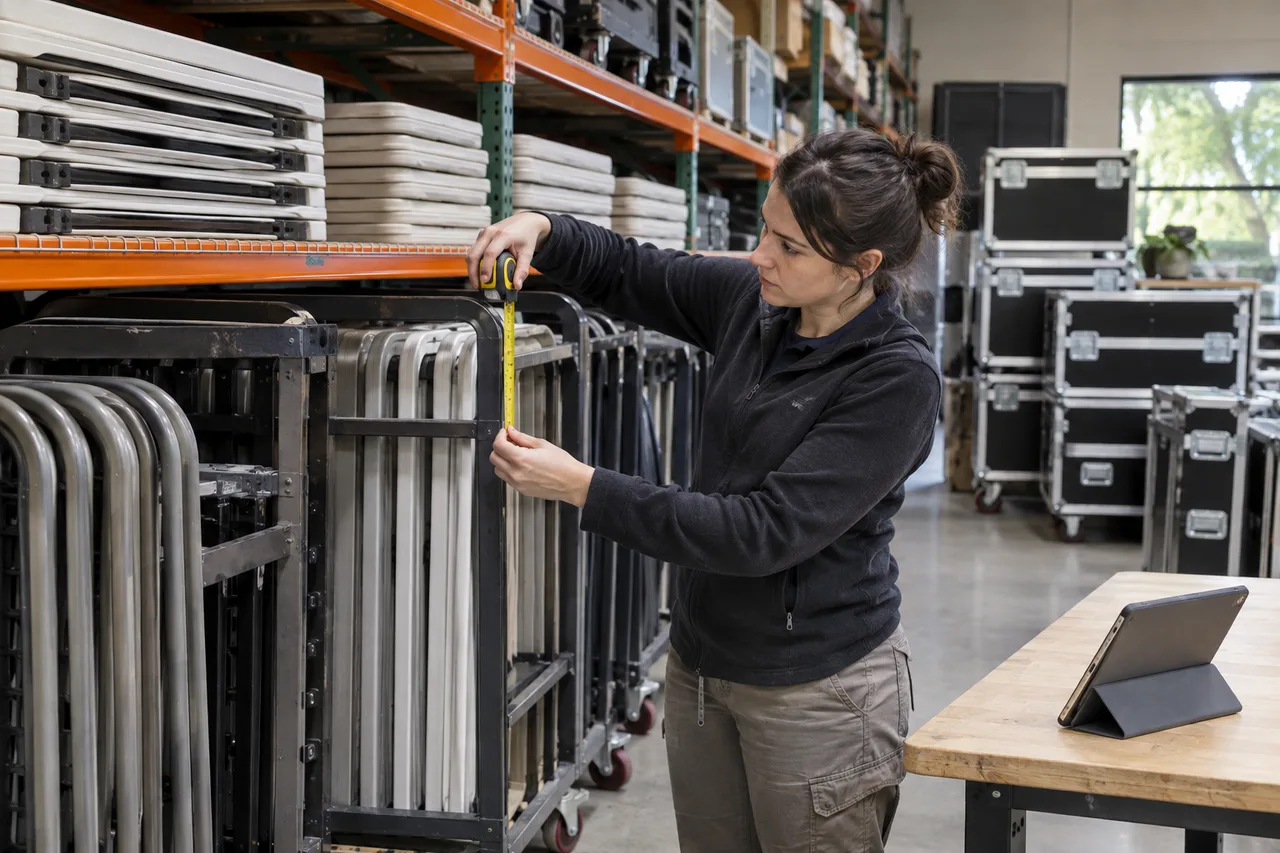
Compare rental equipment by demand, space, vehicle capacity, handling and upkeep before assigning it a rack or buying more.

Test a rental software update on a repeatable booking before rollout and verify that quantities, stock and instructions still agree.
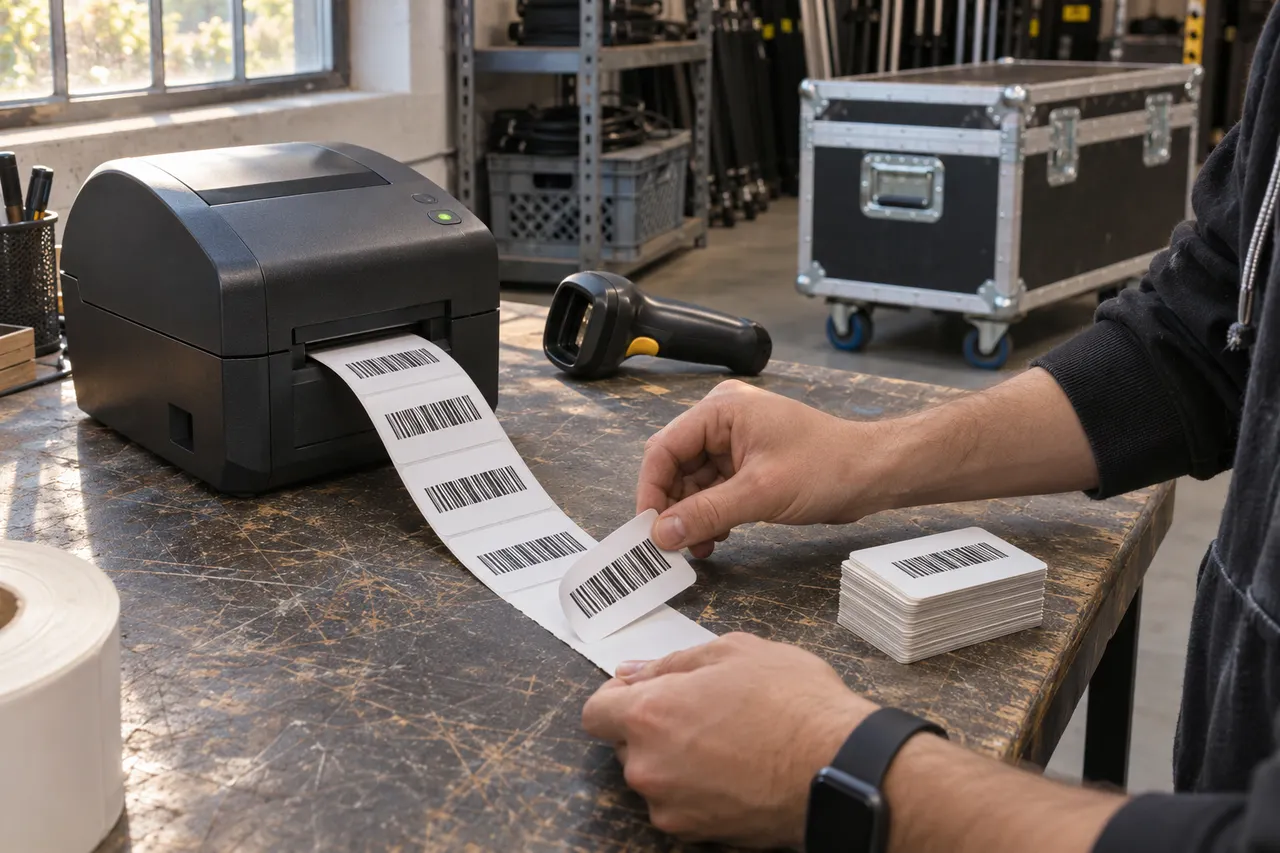
Print, apply and verify rental asset labels in consistent batches, with clear steps for reprints, printer jams and shift handoffs.
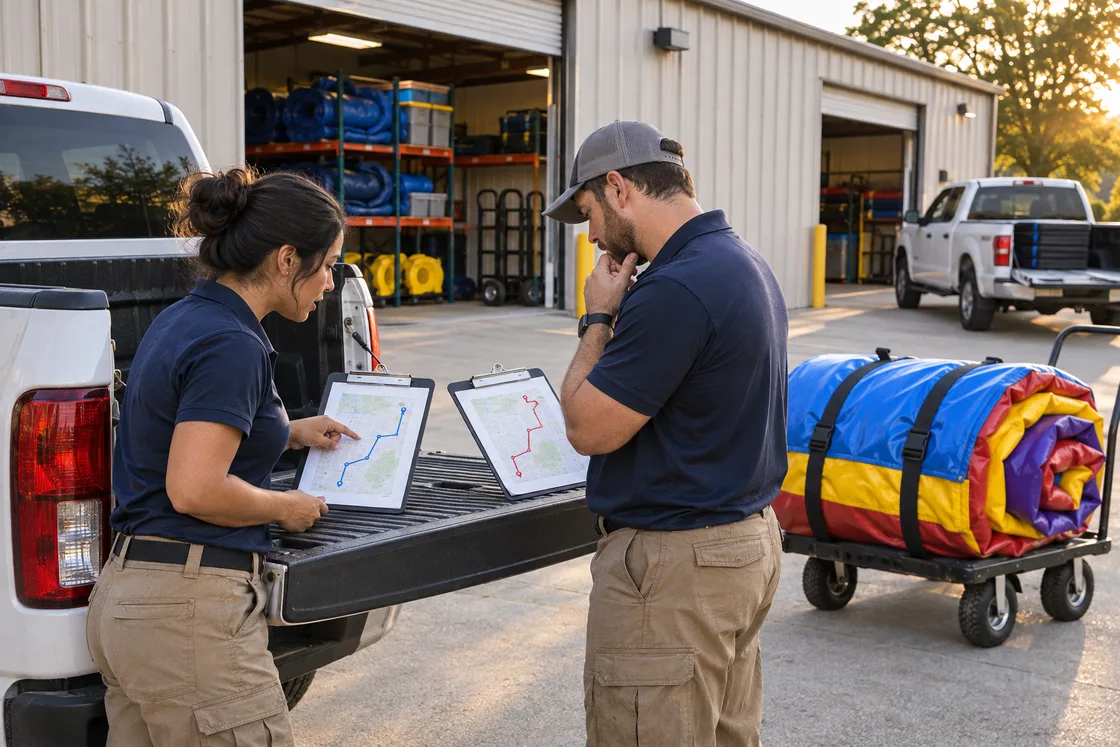
Expand carefully by balancing popular inventory with safety and delivery capacity.
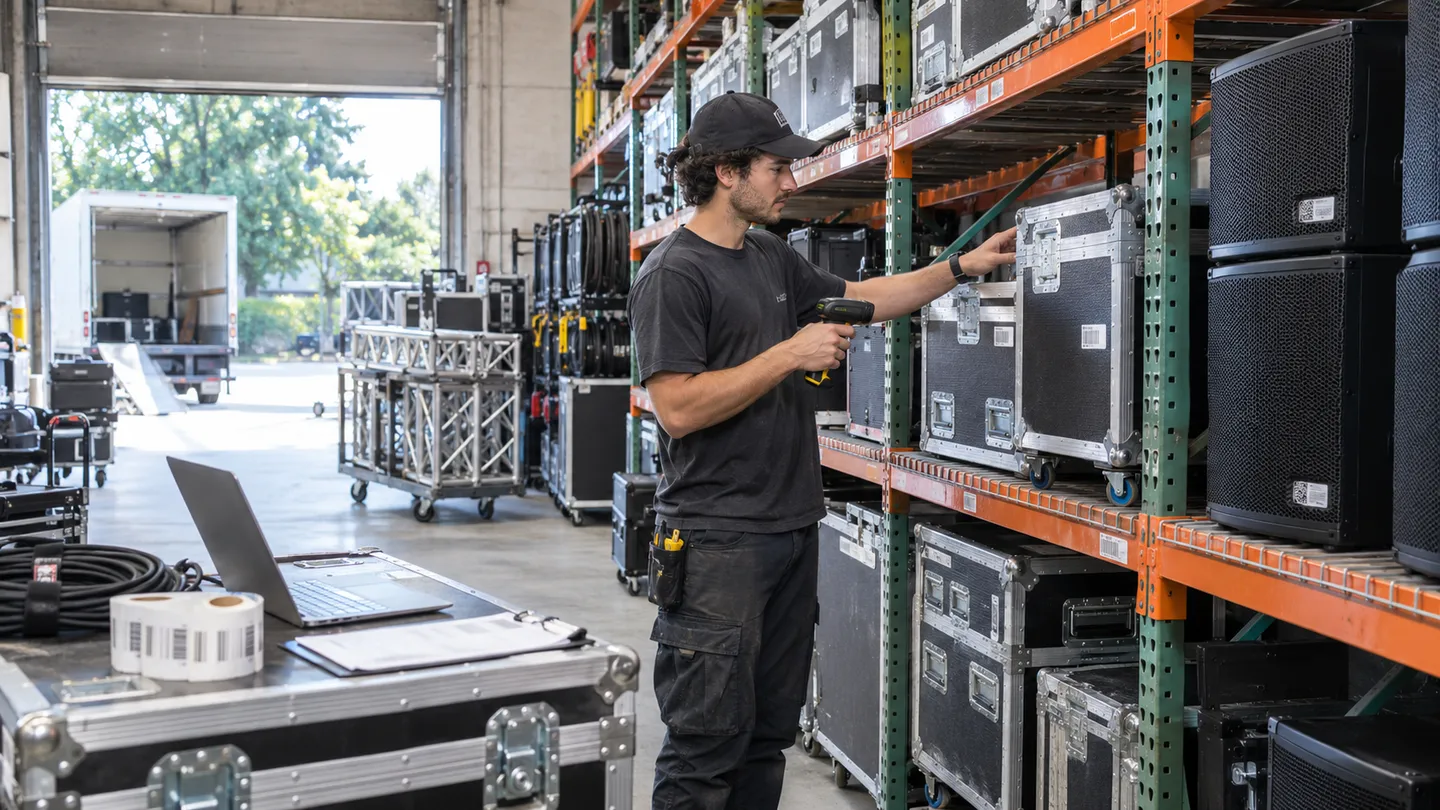
Track individual equipment through loading, delivery, return, and maintenance.
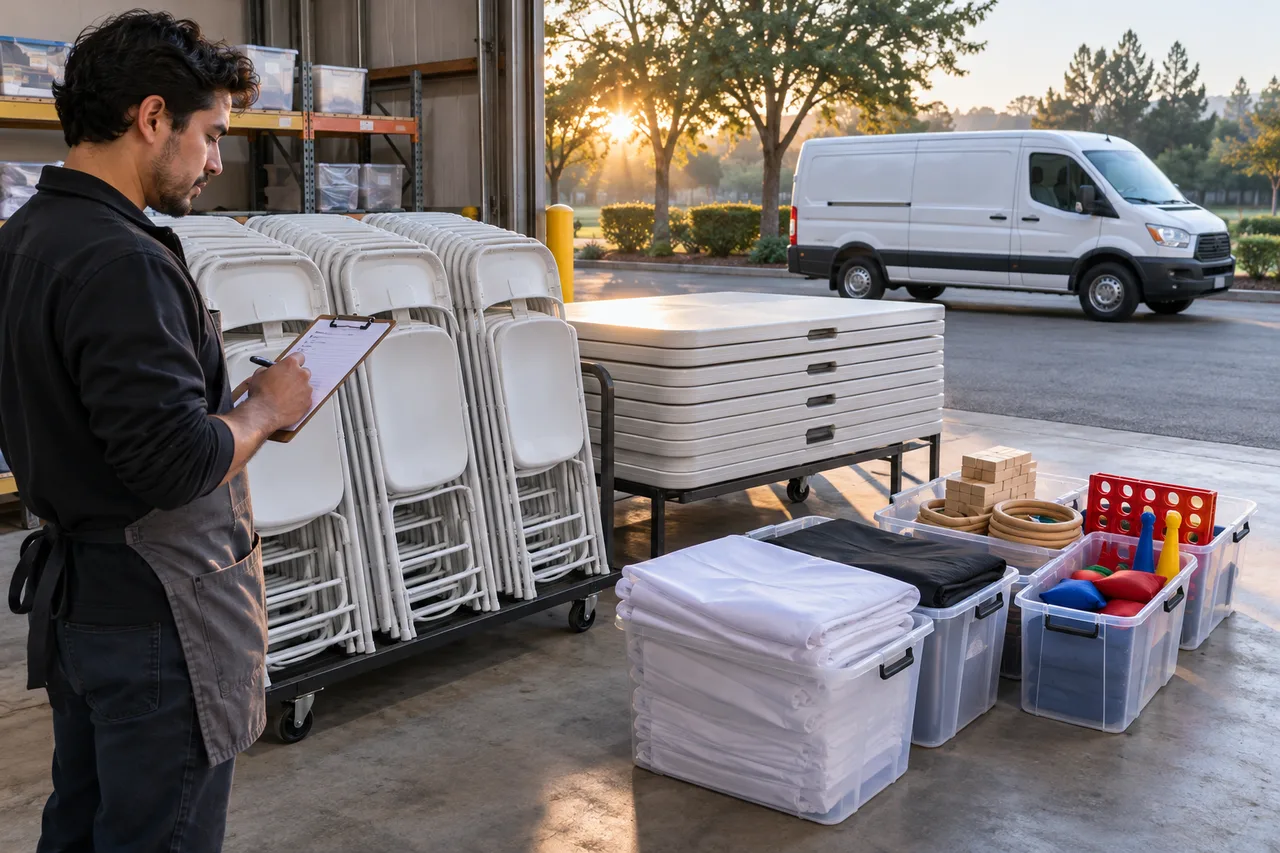
Start with a party rental catalog you can prepare, deliver and collect with the stock, people and vehicles you have.
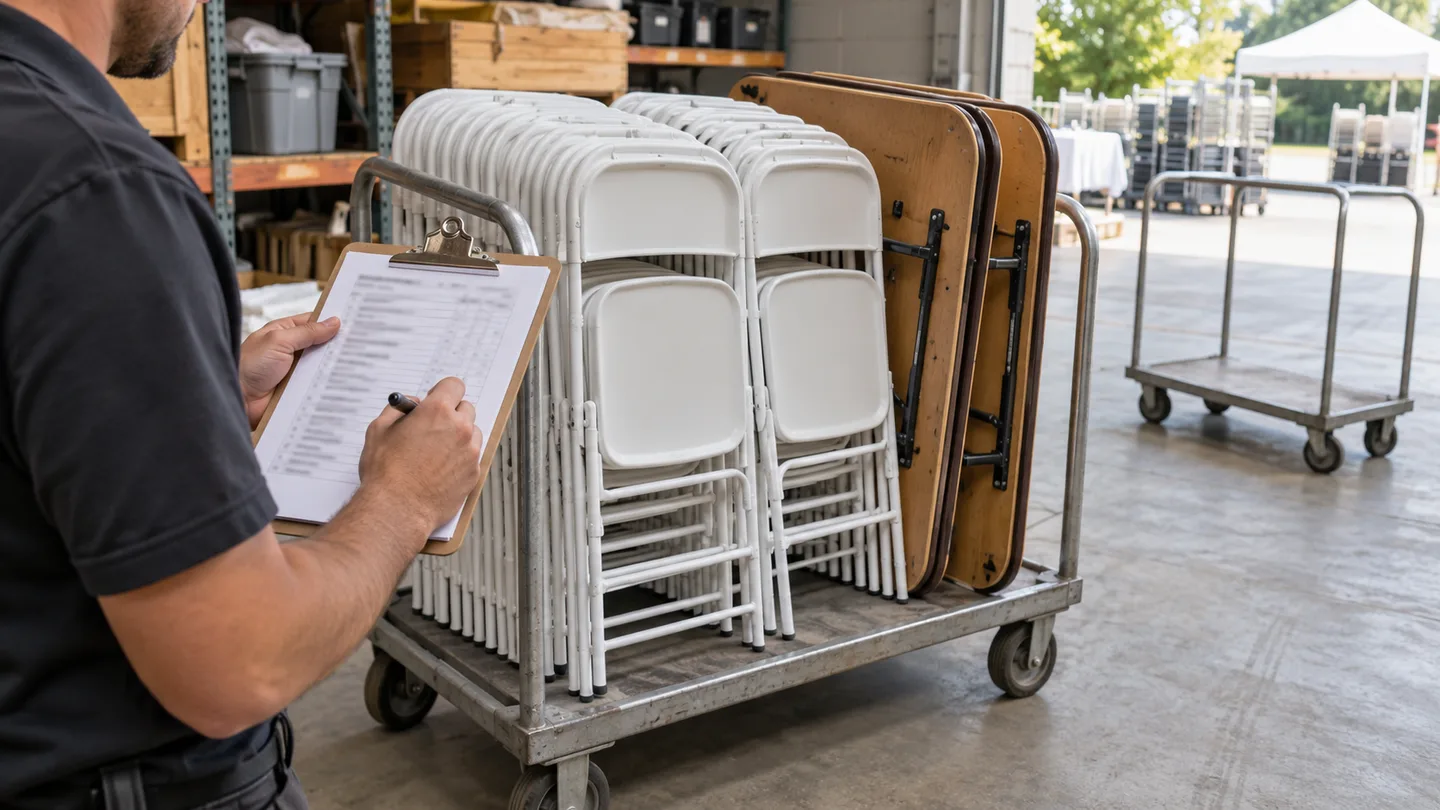
Reduce missing accessories, damaged returns, and confused handoffs.