Can holiday light installation fit your off-season crew?
Review qualifications, schedule capacity, removal and storage before offering holiday light installation alongside event rentals.

A rental warehouse has fewer weekend deliveries after the fall event season. A customer asks if the crew can install holiday lighting at a property, leave it in place for several weeks and return in January to remove it. The first visit might fit between rentals. After adding site reviews, delays, service calls and removal, the owner sees a different business on the calendar. Off-season work can make sense when the crew has the right preparation and capacity for the whole commitment.
Evaluate the offer before marketing it. Decide which work the business can perform, which needs a qualified partner and how a job affects existing rental obligations. Plan the crew and calendar from the first site visit to final retrieval. Compare a small pilot with the actual time and costs involved before opening more dates.
Start with a service the team can describe
Write down what a property owner would receive. The scope might include a planning visit, a seasonal display supplied by the contractor, help if something needs attention and removal at an agreed time. Some businesses may provide rental equipment or planning while a specialist owns the field work. Decide where equipment will be stored between seasons and who owns it. The office should be able to explain the service and the parts a partner handles.
Check who the likely customer is. A homeowner may want a display for a short period. A property manager may need coordinated access across a commercial site and a contact to handle questions. If those jobs involve different crew or equipment needs, treat them separately. Make the first offer narrow enough for a salesperson to know when it fits and when they need the lead to review the site.
Confirm the dates before quoting. A customer may think in terms of one installation visit. Your business needs to plan the site review, setup, any follow-up and removal. Decide what is included in the quote and how staff will handle a request to keep the display up longer. Document any dependencies on a site contact or another provider. If a customer needs a particular date, check the entire sequence before committing to it.
Check how the work fits the crew's capabilities
Make time for a qualified person to assess the proposed work before anyone sells it. Holiday lighting can involve work at height, outdoor conditions and electrical hazards. The business should have the appropriate training, equipment, qualified personnel and procedures for the sites it accepts. Review applicable requirements with qualified advisers and safety resources for your location. OSHA's holiday-season workplace safety guidance identifies hazards associated with seasonal work, including falls and electrical contact.
Look at what your staff do today. Moving event furniture, staging a wedding and setting up an indoor display each use different skills. Previous warehouse or delivery experience may help with scheduling and loading. It doesn't establish that employees can take on a different field job. Ask who can evaluate the site and who can decide whether the scope is appropriate. Include any required supervision when calculating capacity.
Create a way to decline work quickly. A coordinator might accept a request for a review while leaving the installation date unconfirmed. If the site or activity falls outside the agreed scope, staff should know which qualified provider or internal lead can consider it. Give the lead time to answer before offering prices or collecting a commitment. Put the criteria where the people taking calls can see them.
Protect existing event jobs before planning the pilot
Open your rental calendar for the full period that lighting orders would cover. Include school functions, year-end receptions, venue setups and returns already expected during that period. Look ahead to the first month after the displays come down. Some rental businesses use that time for maintenance, vehicle service and catalog changes. Put those obligations on the calendar so the unused days reflect the capacity you can actually offer.
Think through how people and vehicles are shared. A pair of employees working at a lighting appointment can't also stage an urgent weekend rental. If both services use the same vehicle, count when it must be loaded, cleaned or returned before another team can take it. Review the skills and authorization needed for each task. One dedicated crew lead can be a tighter limit than the total number of available employees.
Identify a small amount of capacity you can commit. Reserve a representative setup window and a later removal window. Leave room for a site review, delays or a return visit. Compare the plan with a real week from the prior season. If one slipped appointment would cause a rental delivery to move, revise the plan or explore a partnership before accepting the job.

Schedule removal and follow-up as part of the original job
Set up a job record with planning, setup, support and removal stages. Include the site contact, who owns each visit and when the office should check that it remains scheduled. Give the customer a way to ask a question about the existing display. A follow-up call might be brief but still need a specific person, vehicle or part if the business has to return.
Plan the removal before scheduling the first install. Consider the timing customers are likely to request, site access and competing rental or maintenance work. If several customers choose the same short removal period, check how many visits the qualified crew can make and what might cause them to be rebooked. Confirm the dates using the same acceptance process you use for installation. The job remains open until the required follow-up and equipment recovery are complete.
Try a realistic exception. A property might close unexpectedly on the planned removal day. Have the office identify who can agree on another visit, which customer needs an updated message and where to keep the current date. Consider whether the new date affects storage or another route. A calendar entry that names the right person and records the current agreement can prevent several calls as the season winds down.
Decide how weather and access affect what you can promise
Build scheduling flexibility based on the locations you can serve and the approved operating practices for that work. Avoid assuming every scheduled day can be used. Ask the qualified lead how crews will make a decision when conditions change, and identify who will communicate with the customer. Keep the confirmation clear about when a visit is firm and how the customer will hear about a change.
Try a sequence with two jobs on the same route. If the first property cannot be accessed as agreed, check what the crew should tell dispatch and whether the second visit can still go ahead. If staff need to postpone a job, give them a way to record the reason, the next review time and who will call the site. Make sure the revised visit fits both the crew's calendar and the customer's access arrangements.
Agree how the company handles follow-up questions during unusually busy periods. For example, a display may need an assessment on the same day as a year-end event setup. Decide who can cover the request and when you would ask a partner to handle it. Tell the customer how to reach the right contact. The office should have a working path from a support request to an authorized person who can decide the next step.
Estimate the whole job before comparing it with off-season rental work
List expected staff time and direct costs for every stage. Include planning, travel, loading and return to storage along with the work at the property. Consider any work your qualified partner would quote and which fees your company would be responsible for. If the business needs equipment, training or insurance review for the new service, identify those costs and where they fit in the decision. Build the estimate from the work you intend to offer.
For an illustrative comparison, imagine a pilot project uses two staff hours planning, six crew hours at setup, four at removal and two for travel, warehouse handling and a follow-up visit. That adds up to fourteen crew hours. If your initial estimate counted only the six setup hours, the job would look much easier to fit between rentals. Review each visit on the calendar alongside other work people are expected to do.
Check what happens if the job needs to be rescheduled or the customer requests a change. Some costs will be similar to the original plan and others may involve another vehicle trip or storage period. Decide whether the business can handle that under the quote it intends to give. Compare the project with other useful off-season work, such as maintenance, venue deliveries or training staff. The extra work should make sense for the full season, including the week when the crew is busiest.
Give seasonal equipment an inventory and storage plan
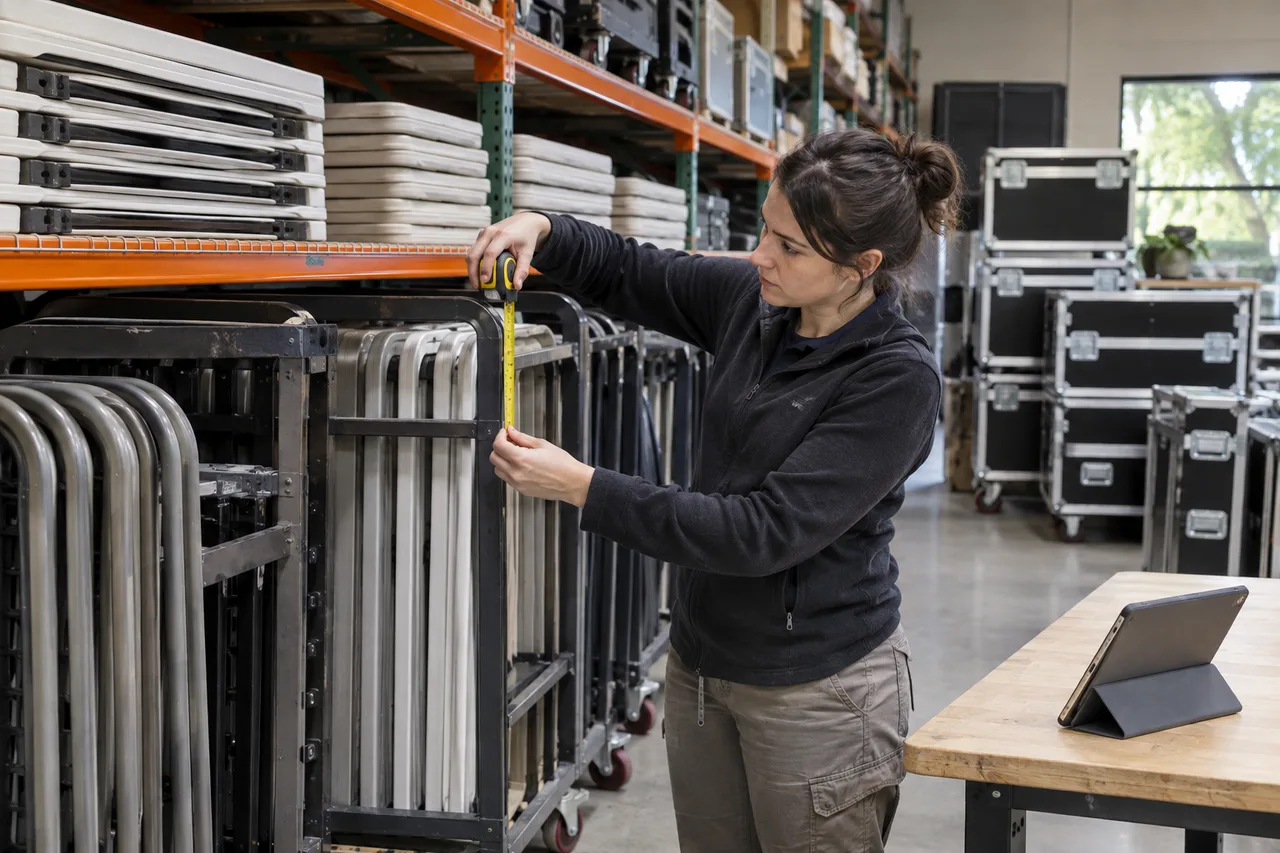
Record which display materials belong to the business, the customer or a partner. Identify where your own pieces will be staged, how they are allocated to a property and when they will return. If several sites use similar-looking equipment, give the crew a reliable way to find the correct job's pieces. Keep scheduling and merchandise information together where staff decide what is ready to load.
Plan storage by the volume that will come back at the same time. A warehouse may have room while the materials are out and struggle when everything returns in one week. Choose space for the expected return, any items awaiting assessment and stock that can be prepared for another season. Think about how the staff will verify the condition and ownership of returned pieces using the appropriate process for the equipment. Set an owner for any discrepancy before the rest goes into storage.
Review what would happen if a customer wants a similar display next year. Keep the approved scope, equipment record and any access notes you can legitimately retain. Ask the customer for a fresh review if the site or agreed work changes. Confirm that annual follow-up fits the next season's calendar. Those records are useful when presenting a repeat offer that staff can explain and fulfill.
Compare a partner-led trial with a job run by your business
If the crew lacks capacity or qualifications for the field work, define a role the business can handle. It might only provide a referral or coordinate rented items for a related event while a specialist quotes and performs the lighting. Check what the customer sees so the responsibility for each part is clear. Agree how a change or support request reaches the right provider and what the two companies will communicate to each other.
If your qualified team will perform the full job, choose a limited pilot and document who reviews the site and who manages the schedule. Confirm the install, support and removal arrangements before accepting additional projects. Have the people doing the work review the estimate and the routing assumptions. Keep what the team learned about each visit and count staff time that wasn't in the original plan. A pilot should produce actual work records you can compare with the estimate.
Test the handoff with an example where the customer wants a different date. Ask the office who can approve it and how the crew receives the latest plan. Determine whether the change affects another vehicle or a stored inventory reservation. If nobody can tell which part of the schedule controls the date, fix the workflow before adding more sales. A partner can help with a specialized scope while the rental business still needs to manage its own commitments.
Run a calendar rehearsal with the office and the crew
Imagine that the shop has space for two first-week visits with a qualified lead and a vehicle. One customer needs a site review before you can offer an appointment. The other already has a review and wants an install before a specific fundraiser. The rental office also has a school delivery on the same vehicle during the week. Place the commitments on one calendar. Verify when the person doing the site review has time, and what the office should say until they have an answer. Keep time for the return to the warehouse and unloading between assignments.
Then bring a common change into the example. Suppose the first visit has to move and the following morning has limited staff. Try to find another appointment without moving the school's delivery. Check whether the customer still needs the work by the original date and whether a qualified partner can offer a different arrangement. Give the coordinator a way to record the current plan and close a visit that was postponed. Check that the old time disappears from the crew's active schedule and that the agreed change reaches the point of contact.
Try a separate rehearsal for the end of the season. The displays can all be removed, but the warehouse will also be receiving two event jobs. The crew needs both floor space and time to record what returns. Ask the warehouse lead to show where the display equipment would go and which work has priority if both vehicles reach the loading door within an hour. Adjust the removal schedule or staffing if the crew can't receive everything in the available space.
Keep the calendar rehearsal with your decision. Write down the main limit, such as the field lead's availability, number of vehicles or amount of receiving space. A different season may leave more capacity. During the first season, use the tightest limit to determine how many jobs the team can afford to confirm.
Add an explicit date when your next season could change the result. If fleet maintenance is scheduled in the only plausible removal window, ask the fleet manager which days are reserved and whether another vehicle would actually be available. If a partner owns the removal, confirm what your team would still have to collect or store and when. Give the warehouse calendar and the customer confirmation the same expected timing. Revisit both when someone extends the display period. A coordinator should be able to tell from the record whether that extra week changes a storage, staffing or vehicle commitment before approving it.
Decide what you can repeat next season
Review the pilot after removal and storage. Compare expected and actual staff time, costs, support visits and scheduling changes. Ask which tasks used the people or equipment your main rental business also needed. Read any client questions about scope, timing and responsibility. Those questions may show where the next offer needs clearer terms or a more limited set of available dates.
Put the conclusion in a short service plan. State the types of sites and work the team can consider, how availability is checked, when a partner will be involved and who handles post-installation questions. Include the capacity you can support and the conditions that should send a request for review. If the business chooses to delay the service, keep the observations so you can revisit the idea with better staffing or a partner.
Use the information from the whole cycle. A successful job is one the team could responsibly schedule, fulfill, support and remove while keeping its other rental commitments. The best first offer is the one staff can still deliver as promised after the first calendar change.