Plan fall rentals around regional weather and school calendars
Plan fall rentals around school access, local weather, backup arrangements and the equipment and crew needed to serve each job.
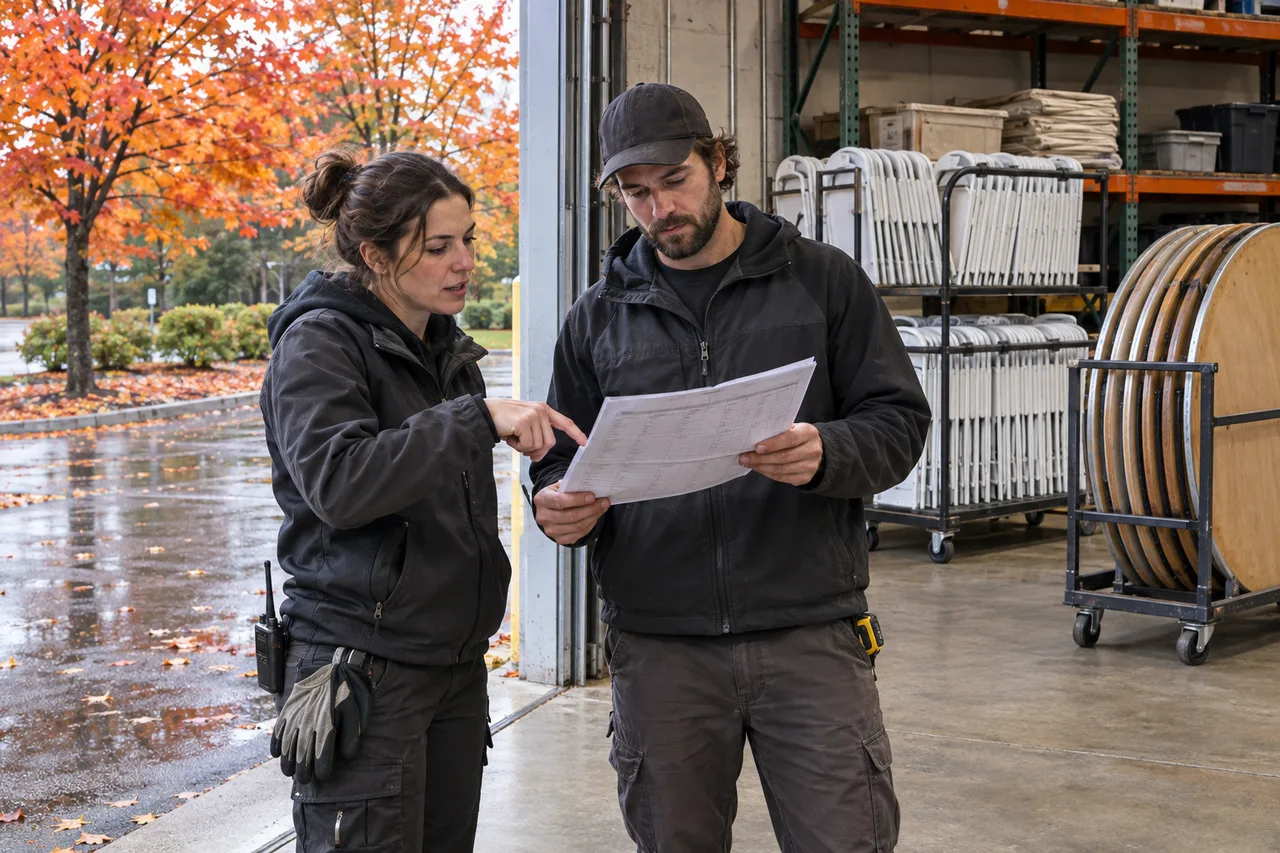
A rental crew sees two school events on the same Saturday. One is a fundraiser with a backup room. The other is a community event with an outdoor setup and a venue that won't open its loading gate until morning. The trucks have enough chairs for both, but the two jobs could need different plans if conditions change. Preparing for fall starts with knowing which dates will be busy and which decisions have to be made before a truck leaves.
Build the season's rental plan from the school and venue calendars that apply to your service area, then review the weather risks that can affect those bookings. Give the office a clear path for confirming dates, access and alternatives with the organizer. Leave enough time for changes and returns when you allocate equipment and crews. A useful calendar tells the business what it can promise and when an order needs a fresh review.
Use the calendars that affect the customers you serve
Start with the schools, venues and community organizations whose jobs your shop can reasonably take. Review publicly available event and school calendars as starting points, then confirm the details directly when someone asks for a quote. A date listed for a game or homecoming event may differ from the date a venue needs furniture or a pickup. Put the expected delivery and collection windows alongside the event date.
Distinguish dates you know from ones you expect. A school may usually hold a fall dinner on a Friday without having confirmed this year's plan. Give the potential order a follow-up date instead of reserving stock on a guess. When a customer confirms a date or chooses a listed alternative, use the shop's normal booking process to reserve it. Let the warehouse see which items are committed and which demand it should simply prepare for.
Notice overlaps. A fall festival, school game and venue dinner can share parking, roads or delivery windows even when they are different events. Put the relevant details beside the orders. Ask the people who know the routes what changes when there is a busy evening at the school or a restricted lot. A useful planning calendar includes the parts of a day your crew can actually use.
Define the normal access arrangements for school and venue work
Check who can confirm that a vehicle may reach the site. Ask where the crew should enter, whether the organizer needs to meet it and where furniture can be staged before an event. Record both the delivery and collection details. A delivery gate may be open before a school program, while the collection crew may need an entirely different entrance later.
Use specific examples when asking questions. A shop might be able to deliver tables early while a maintenance employee is present. A customer pickup may have a different route for moving items into the room. Ask what changes during normal dismissal, an athletic event or a building closure. Place the accepted details on the order so dispatch doesn't have to ask the organizer after the vehicle has been loaded.
Review what the site contact can approve. The event organizer may choose the furniture but need the facility manager to confirm access or a backup room. Give the office the correct owner for each question. If someone requests a change, check whether it could require a different route, vehicle, delivery time or staff assignment. Let the organizer know when the revised plan will be confirmed.
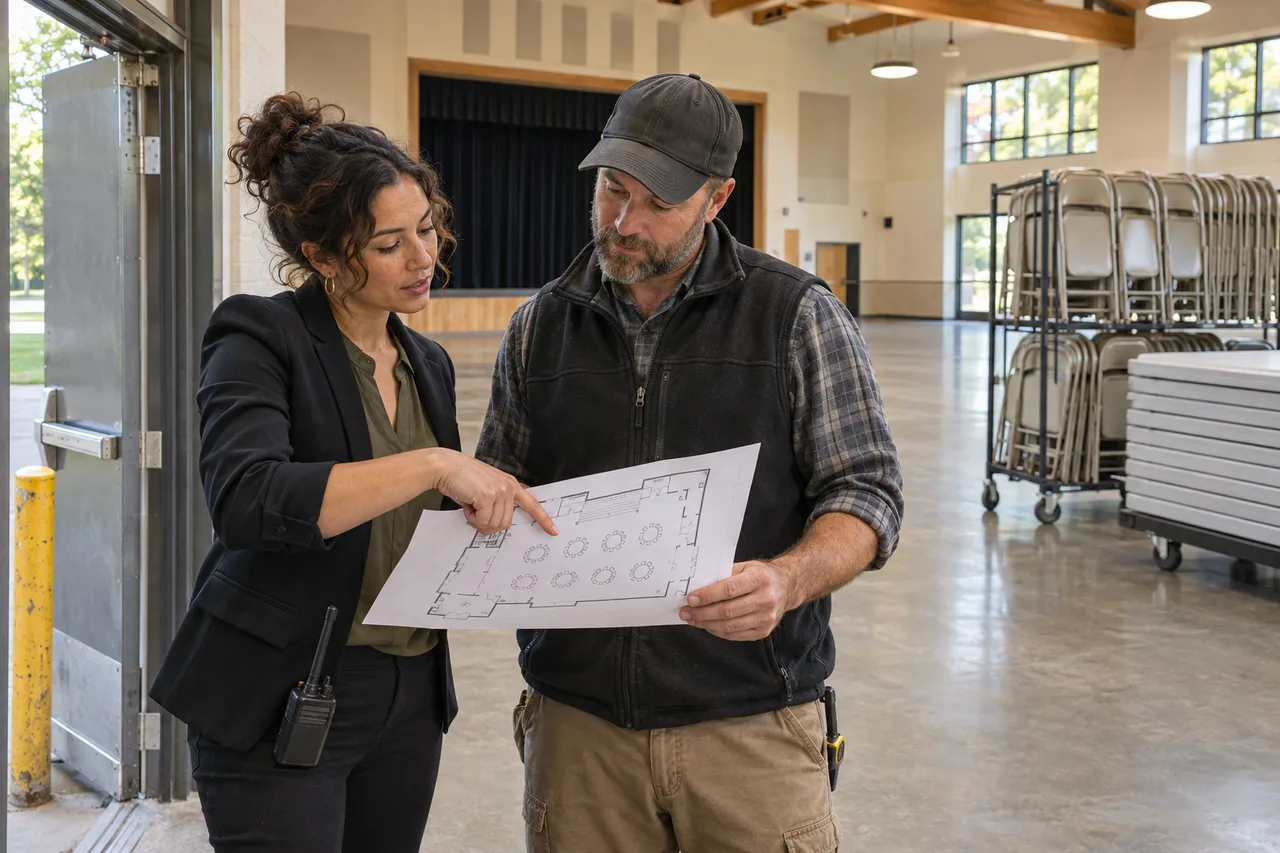
Plan for local conditions instead of applying a single rule everywhere
Review what commonly disrupted your own fall jobs. Some areas may see periods of heavy rain or wind, while others may have earlier cold weather or reduced daylight during loading. Focus on the specific sites and work the crew serves. A covered unloading area, an indoor backup and seasonal limits at an outdoor location can lead to different decisions for otherwise similar orders.
Build weather review into the event plan with the organizer. Identify who checks the relevant forecasts, watches and warnings and who is responsible for an event safety decision. The National Weather Service publishes resources for planning weather-ready outdoor events, including ways for organizers to plan monitoring and communication. Your crew should use the safety requirements and qualified review appropriate to the equipment and site. Keep the rental logistics tied to the event's approved procedures.
Agree what the rental office needs to hear if the venue changes its plans. For example, a move indoors can mean a different room, fewer tables and different door access. It may also mean some equipment will no longer be appropriate. Check the revised requirements with the organizer and the people responsible for the work. Give the crew a new plan only after staff verify what can be fulfilled.
Decide on a backup before the original arrangement is under pressure
Ask for the fallback when you quote a weather-sensitive order. A school might have an alternate room, another date or a plan to cancel. Verify whether the proposed room or date is actually available and who can confirm it. A backup location has its own access and equipment requirements. Get enough details to know whether the order would need different items or service.
Put important assumptions on the quote or booking where the team can find them. This could include when the organizer expects to review the plan, which person can approve a change and which parts of the order require another check. Make the customer aware of the applicable booking terms and how a revised arrangement will be confirmed. The office can then give a clear response instead of improvising after the weather changes.
Review an alternate date against the rest of the shop's calendar. A rain date may overlap another event that already uses the same furniture. Decide what the business can and cannot reserve at once under its normal process. If the customer wants to secure an alternative date, explain the specific arrangements you can offer and how they affect the original booking. Check equipment, crew and vehicle capacity for every commitment the business accepts.
Put the forecast and site review ahead of loading
Choose a point in the schedule when the crew can still change its plan. Ask the organizer what time its review happens and who will reach the rental office if an approved change is needed. Review the locally relevant forecast and applicable procedures. Look at route access, the room and any change in the assigned equipment. If the decision is still pending, let dispatch know before sending a crew to the wrong site.
Run a hypothetical example. A school moves a dinner from a courtyard to an indoor room. The required chair count stays the same, but the tables need a different layout. The loading door is now on the other side of the building and the afternoon schedule changed. The office verifies the layout with the organizer, checks that the team can deliver within the new window and records the agreed order. Dispatch shares a revised route and the crew reviews the current list before loading.
Try a case where the venue isn't ready to confirm a backup. The office records the remaining question, identifies the proper contact and tells dispatch when to expect a review. Depending on the arrangement, it may delay preparation or stage only the equipment already agreed. Plan how the business will respond if a decision comes after its feasible delivery window. A clear record helps staff describe the situation to the organizer without making a promise they cannot honor.
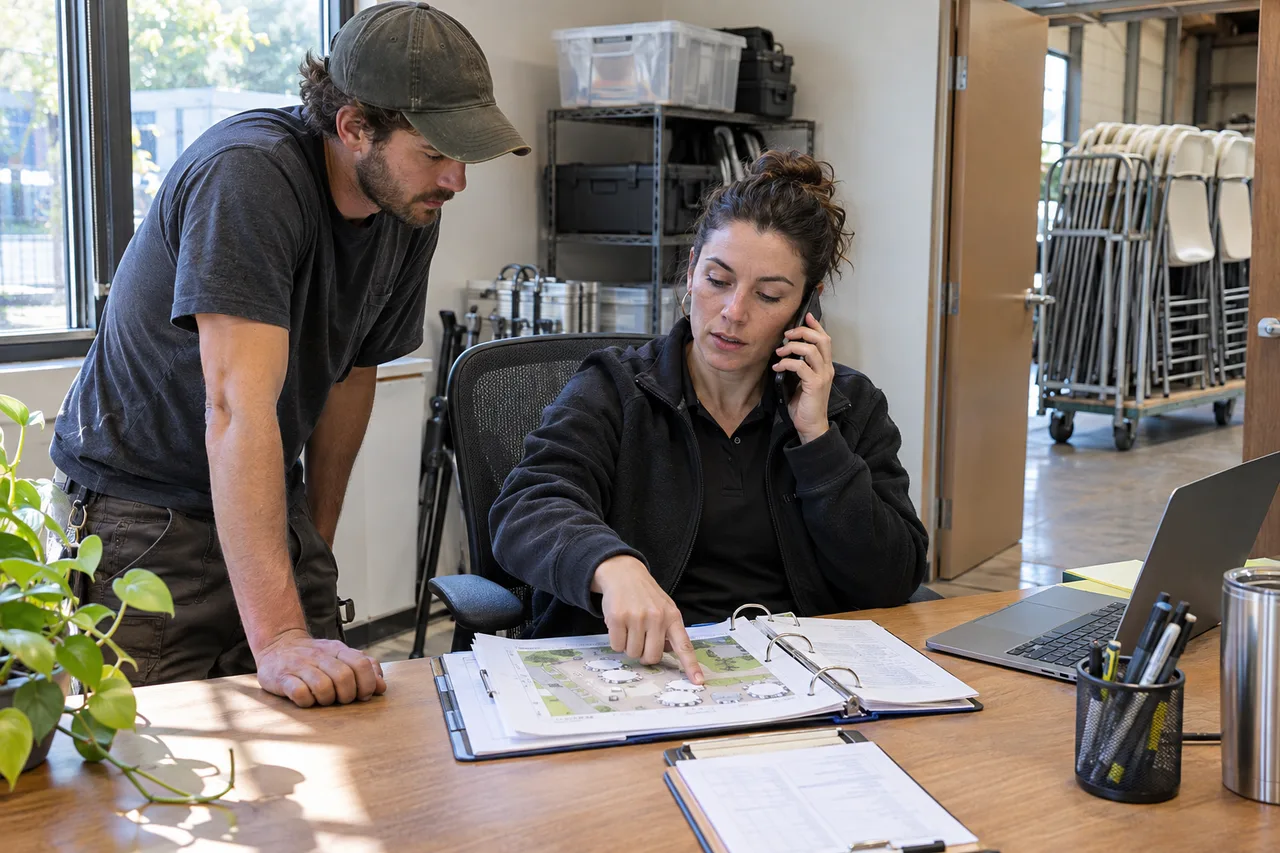
Keep crew hours, carts and return space in the same plan
Count equipment availability across the entire time it will be in use. A table that returns late from a Thursday event still needs enough time to be checked and prepared for a Friday delivery. A school that collects items early may need to keep them through a weekend building closure. Talk through these windows with staff and base confirmed work on what the team can prepare for each date.
Consider the shared resources used by several orders. Two crews could both need the same loading lane, a particular cart or a vehicle that fits a site's access. A rush on a single Saturday may occur because of those practical limits, even with plenty of inventory in storage. Put the jobs on a timeline and see where they need the same thing. Plan a workable sequence before the office accepts more work for those windows.
Reserve time and floor space for receiving. Equipment may come back damp or need additional inspection under the shop's approved procedures. Identify what can be released to stock and what will need to wait. Tell the next shift where to put each group and when to verify usability. If the warehouse can't manage several returns at once, find out whether pickup times can be scheduled differently before confirming the original jobs.
Separate a calendar change from a booking change
Teach employees what they need to update when an event moves. A new date on the dispatch calendar is only one part. The reservation must reflect the accepted equipment and dates. Staff need the current service address and pickup window, and the customer needs an accurate confirmation or quote. Check every record the crew relies on so the people preparing the work can identify the latest agreement.
Use an ordinary order change as a rehearsal. Move the delivery start by an hour and change the collection point in a test record. Ask the office, dispatch and warehouse to find the current instructions separately. If one role uses a saved copy or printed list, identify how that copy should be updated or replaced. Give each person a clear action before a real schedule change arrives.
Record who approved the update and which details remain open. If the venue hasn't decided whether to change rooms, keep the current confirmed plan visible and state when the next check will happen. A request for another date can affect several orders. Have staff verify availability and confirm the change using the existing booking process. Make the accepted version easy to find.
Make your pickup terms work for school closures and event weekends
Check when the pickup location and the school's event site will each be available. A Thursday office closure can matter even when the Friday event is still scheduled. A customer collecting equipment from your warehouse may need a longer reservation because the facility cannot admit them again until Monday. Ask when they can actually load, unload and return. Confirm the dates and service window using the business's normal quote process. Keep the cost and availability based on the time they will have the equipment.
For instance, a school contact reserves fourteen tables for a Friday program. They plan to collect Thursday after their regular workday, but the warehouse's last appointment is earlier. The school also expects to leave the tables in a locked room until it reopens Monday. Check whether the shop can offer an earlier pickup or a delivery it has room to schedule. Then review the Monday return against another confirmed order for the same tables. The customer's event date describes only one part of the booking window.
Tell the warehouse what was agreed. A note should state who will collect, which appointment they have and when staff should expect the equipment back. If the venue changes access, the office should check the update before someone rearranges other orders around it. Ask one employee to read the customer confirmation and another to read the warehouse schedule. A practice check catches differences before a car or truck arrives.
See how a schedule change affects the next two jobs
A typical weekend plan might include a Friday school fundraiser, a Saturday reception and a Monday customer pickup. Each has access to a different group of tables, but the same crew and vehicle are available for two of the moves. If the fundraiser shifts indoors and loses its original delivery window, put the proposed new time beside the other bookings. Ask whether the reception can still be delivered when promised and whether the warehouse has room to unload the vehicle before Monday's pickup.
Look for a workable sequence with the team rather than sending people to make it work at the site. You might need another approved time, a different vehicle, or an arrangement the organizer has to confirm. If the business can't keep both commitments with the new request, raise the issue while there is still time to discuss alternatives. Keep the original customer agreements visible until the proper changes have been accepted. Update the shared schedule after the office finishes that step.
Run the same sequence in reverse for returns. Two jobs may finish early or both be held by a venue closure. Know where the vehicle will go if it cannot unload at the usual time and when the crew can check what comes back. Confirm the next booking only when the shop can meet its planned readiness rules. This helps prevent a change at one site from becoming a shortage the next customer sees.
Keep seasonal offers within your service limits
Use a calendar review when writing a promotion for a fall package. Check the dates school and community customers are likely to request, select pickup or delivery windows the team can support and show those conditions clearly. Avoid promising a package for all weekends if the eligible times are more limited. If the crew can serve some events with an overnight collection and others require same-day removal, give the office a way to identify which arrangement the quote includes.
Review the first few inquiries from seasonal messages. A school may be interested in the furniture but need a room that can accommodate it, a delivery time between activities or separate approvals. If the same issue appears on several orders, update the offer or quote form to ask about it earlier. Keep the message focused on what customers can do now. That could be checking a date, asking about a service window, or providing the venue information the shop needs before giving a firm answer.
Review the first stretch of fall before taking on the next one
After the first busy weeks, compare how the plan held up. Review dates that attracted several requests, jobs that moved and returns that required extra attention. Ask which venue contacts and access information helped. Record recurring problems, such as too little time between Friday evening collection and Saturday morning staging. Use the evidence to adjust available windows.
Keep a short note about useful calendar sources and when each date needs verification. Next year's school schedule may change, even for an event the shop served for several years. Have a contact follow up at an appropriate time, and review the warehouse's readiness before sharing specific availability. Keep the details that help the next crew plan the work.
A fall rental calendar is ready when staff can see what they've accepted, what could change and who should make the next decision. Use actual school and venue dates to plan the season, test the most likely changes and check which resources each event will need. The crew can then prepare for ordinary days and have a way to respond when the plan moves.