Find a market for rentals that sound unusual
Find the buyers, words and sales routes for an unusual rental, then test a practical package with real dates and qualified inquiries.
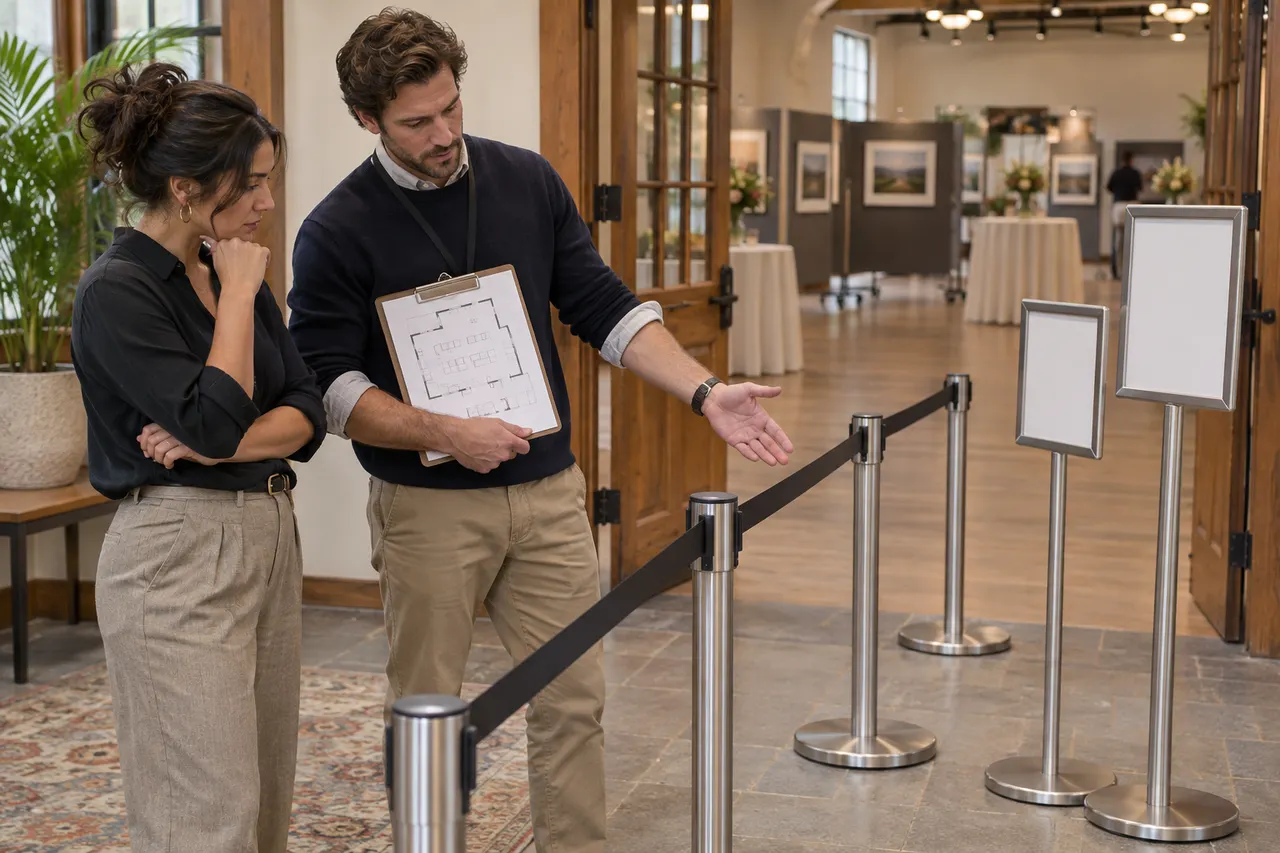
A rental owner is offered a set of retractable stanchions and portable sign stands. The equipment looks plain beside the company’s wedding furniture. A local gallery wants to guide visitors through ticket checks without attaching anything to the building. A community center needs a different entrance layout for an event it runs twice a year. The opportunity might be a temporary queue and wayfinding kit, yet both customers describe it in terms of a problem with their entrance. Finding a market means discovering how people ask for the work and where they make the decision to rent it.
Start with the job that changes from event to event. Learn who is responsible, where they look for equipment and when they need an answer. A rental that sounds unusual in the shop can be quite ordinary to a group with a recurring problem. Reach that group through a clear offer, a credible date and a service you can actually provide. Judge the market by the requests that fit, not by how unusual the gear seems.
Name the job without relying on the equipment name
Ask people who run events or spaces to describe an ordinary busy entrance. Where do visitors wait? Who needs to see a sign? Which area has to stay open? Let the buyer describe the task before suggesting a product. A coordinator might say “We need a second ticket line” rather than asking for a belt stanchion. The catalog can use both terms so a buyer recognizes the job and knows what is included.
Write two or three common situations. A small exhibit may need a temporary line during the opening. A venue with changing layouts may need signs to route attendees to a different room. A registration desk may need markers for separate groups. Record the layouts and timing people actually described. If each situation needs different quantities, delivery or review, treat them as distinct entries in your notes. They can share inventory without being the same market.
Look at what the customer does now. They may borrow stands, use furnishings already on site or ask staff to direct guests. Find out where these options are adequate and what triggers a search for something better. A venue may only rent when it needs taller sign holders or a matching set for a larger crowd. Your offer can focus on that condition instead of trying to convince every venue to replace tools it already has.
Find the person who learns about the problem early
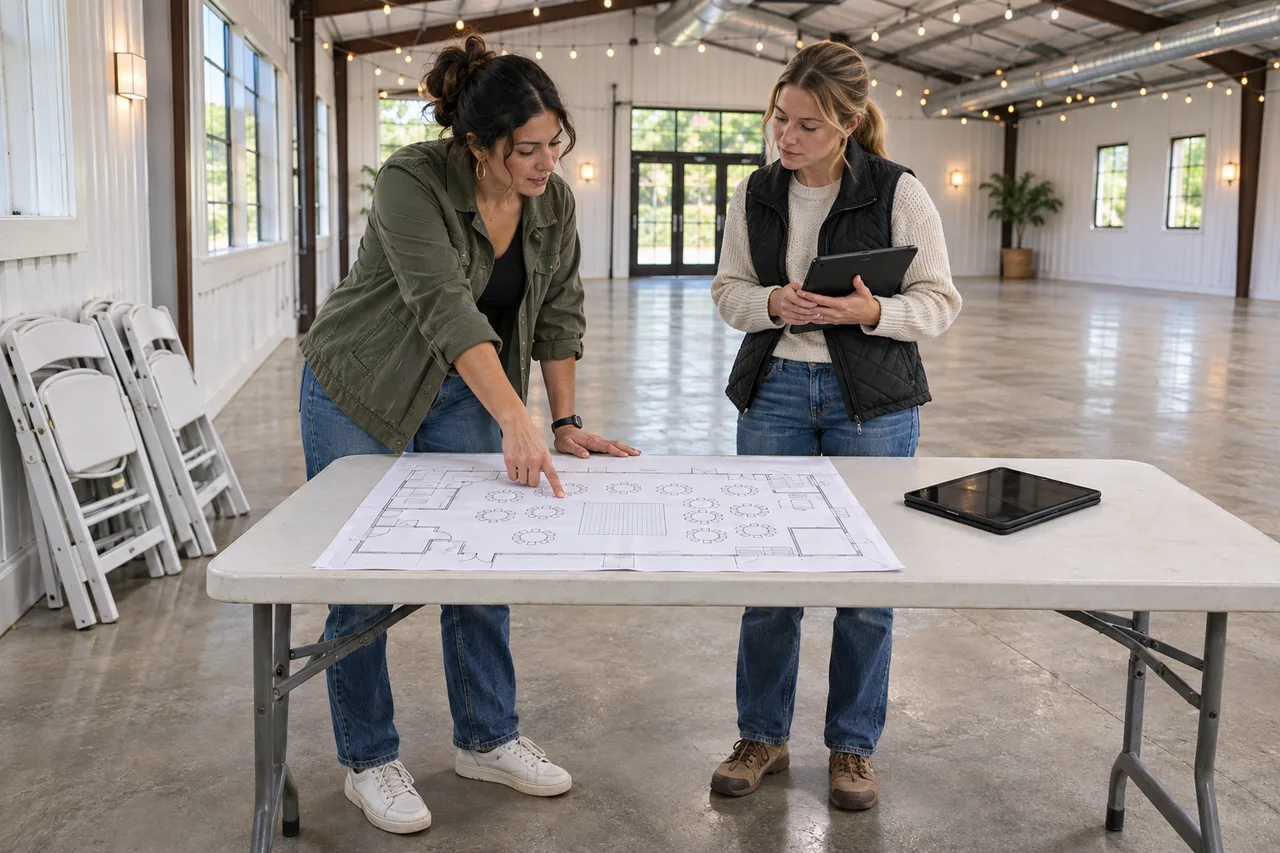
List the roles that see the need before the public does. A venue manager might see a change in room use months ahead. An exhibition coordinator might learn numbers from ticket sales closer to the event. A school administrator may need several approvals before ordering. Find out which person chooses the configuration, who approves the spend and who will receive it. A conversation with the person who moves equipment can reveal questions the buyer never sees.
Use genuine conversations with existing contacts or new leads who are open to hearing from the business. Ask which route normally helps them find equipment. They may want another supplier in the same area, a known quote contact or a clear product page they can send to organizers. Talk about the recurring task rather than leading with a catalog launch. Give people an easy reason to share a useful detail, such as when the venue needs the second line or what access they can provide.
Map the lead time. Some decisions happen far enough in advance to order equipment or schedule a truck. Others arise the week of the event. The same customer group can require a different offer based on when it decides. Find a way to be visible while the buyer is planning, and state how much time the shop needs. It is easier to learn how many visitors can place a feasible order when the offer describes ordinary availability.
Build a small package that is understandable from a link
Turn a repeatable case into a useful offer. A basic ticket-line package might include a defined count of posts and sign stands, with pickup or reviewed delivery. State the intended occasion, the pieces included and the space the customer will need. Ask them to confirm the venue’s layout and access needs. Use an appropriate local review process for placements near doors or walkways. Describe who places the equipment and what the shop can verify before committing.
Choose photos that identify the actual product and show the kind of arrangement it supports. Add one photo of the kit packed or separated so customers can see what arrives. If the image includes tables, signs or décor that are not included, list the contents separately. Use clear dimensions the buyer can compare with their site. A coordinator should be able to send the offer to a colleague and get a useful response without forwarding a long explanation.
Give the offer a different path if the job varies substantially. A straightforward set can use a date inquiry. A larger venue needing several routes may need a plan and staff review before it gets a quote. Explain which details to send for that kind of request, such as proposed entrance, event schedule and delivery access. Meaningful next steps help the business distinguish a shopper who has a real plan from someone browsing an unfamiliar item.
Test several routes to the buyer
Share the offer where an appropriate customer can recognize it. Try a page aimed at venues, a product link that existing staff can share or an introduction through a partner who handles temporary layouts. Use the business’s normal outreach and get permission where needed. Keep the message about the same offer and give each route a way to reply. When you change the package, note which version a person saw. You want to know where feasible requests come from rather than gathering indistinguishable reactions.
Look for phrases the buyer uses when searching or talking with a partner. Someone might ask about event queue equipment, temporary registration lanes or directional signs. Select phrases that describe the supported work. Put the practical offer and service area on the page that people will land on and connect it to the appropriate request. If someone discovers the business through a photo, the caption can name the use case and tell them where to check the package.
Follow the first few responses. Ask the person what they were trying to find and why they used that route. A phone caller may have seen a printout of the product without the link. A planner could be gathering several quotes for a client, while an existing venue contact already knows which package they need. Note the context before deciding which channel to continue. A route that produces a few qualified inquiries can be more valuable than one that produces many unresolved clicks.

Put calendar feasibility beside the response count
Create a short inquiry list with purpose, requested date, location, quantity and status. Add the reason the business could or could not supply it. Six buyers on the same Friday may justify a limited source arrangement for that date. Six bookings on different dates can use a smaller stock pool. Distinguish a customer’s interest from the stock and labor the business can provide during the whole requested period.
Discuss conditions for approved substitutions. A venue may value matching signs more than the finish on the stands. Another may need every item to present the same way because guests will see it in a central hall. Put those facts in the quote record. Decide which units can be shared across the different packages and where the shop needs a specific set. If all the popular requests depend on identical units, record that stock limit before adding another type of post or stand.
Test the service area and turnaround time. A distant venue can require twice the travel and awkward collection, even with the same equipment. Operators may choose to restrict delivery or require more lead time. Put those limits in the offer and watch whether they improve the quality of requests. A buyer who can collect can remain suitable after the shop chooses to limit a route. The result should make sense to the employee qualifying the inquiry.
Look for repeat business before expanding the offer
A recurring event is promising when the organizer can identify future dates or repeated conditions. Ask whether the same package would be useful if the event moves a room or runs longer. Use the first completed job to check which parts actually mattered. If only one unusual display created the need for signs, it may be a one-time order even if the venue is a good referral partner. Keep customer feedback specific enough to guide another test.
Try an adjacent audience with the same practical requirements. A museum might need temporary directions during a change in exhibits, while an event hall needs several workstations for a show. Compare the package and booking work. A separate product may be worthwhile if quantities or staffing are different enough. The market analysis works when it helps a customer recognize their task and the shop recognize a feasible job.
Consider smaller repeat opportunities that help connect demand between peaks. A set might support regular daytime venue pickups while crowded weekend events remain quote-only. Check the return times and whether the goods can come back in ready condition for both. Useful repetition can justify a small stock addition. Repeated marketing interest with no workable dates is evidence to change the route or the offer.
Make a prospective buyer’s next decision easy
Imagine an exhibition organizer wants to share the package with a site manager and someone who approves the budget. Give the organizer a link that describes the contents, the rate basis, the dates the shop can review and the key site conditions. The person responsible for operations can use it to say whether the proposed configuration fits. The person approving the quote can use it to identify the offer and included service. A concise page with those details can go farther than a broad catalog that requires the organizer to write a second description.
Ask whether the buyer has an approved supplier process, a date by which they need a quote or a preferred way to document the request. Use the information to decide which lead you can serve. A venue manager may be willing to introduce the business to an event organizer but cannot commit the budget. Keep the contact’s role and next action in the record. Give them a useful example to share without assuming that an introduction guarantees an order.
Choose how your staff will qualify a request using that example. A caller can give a venue, date, purpose and general layout, and the employee can tell whether the standard set is a possibility. Questions about busy routes, larger layouts or the applicable venue checks can go to the person responsible for reviewing plans. Give the caller a response window so they can continue making arrangements. A qualified inquiry is one for which you have a next decision and the information needed to make it.
Share the same offer with a second venue contact and compare the information that moves through the chain. If each coordinator knows which page to use and which details to send, you have a channel someone else can maintain. If all requests arrive as incomplete forwards, improve the link or give the buyer a short list of details. Staff should be able to tell how an order started without reconstructing a private conversation.
Compare two audiences using the same small offer
Choose two groups whose needs seem comparable, such as venues that host ticketed exhibitions and community spaces that change the entrance layout several times a year. Before contacting them, check that the same service area and delivery boundaries apply. Give both a chance to consider the same package and note the period of the test. Ask the same questions about timing, quantity and the problem they need to solve. Compare which inquiries include a real event and the ability to proceed.
Suppose four venue contacts describe upcoming events with room for the same set, but only one community space can collect the goods during ordinary hours. Review whether those differences reflect the group or the specific organizations you reached. A small sample can guide the next test without proving a broad ranking. Talk to a second group of comparable customers where possible. If their needs differ enough, write down the difference before testing a different version of the offer.
Revisit the leads that were incomplete. One buyer may be waiting for the venue’s decision. Another could be looking for an installed system the shop does not offer. Follow up when expected and when the buyer wants a response. Keep records sufficient to understand the test without holding unnecessary contact data. See whether a clearer action or description would have helped suitable customers reach the next step faster.
Compare direct and referred requests using the same criteria. A venue partner may describe a layout correctly before making an introduction, while a shopper who finds the product online may require help translating a guest count into pieces. Track both the orders and the time spent getting to a workable quote. If the direct offer needs a better explanation, test that before spending more to reach unfamiliar customers. The choice of market includes how the business can serve and communicate with it.
Decide which market to serve next
Write a one-page review of the customers reached, the events they described, completed jobs and unresolved constraints. Include direct work such as transport, handling and turnaround. Give the next employee examples of a good inquiry, an exception that needs review and a request the shop cannot serve. If there is more than one promising niche, compare what each would require from the same stock, staff and calendar.
Set a next step that fits the evidence. Continue a narrow offer for the venues that can use it repeatedly, try another route to people responsible for buying, or pause while you keep a sourced option for occasional work. Use a manageable test date or an ordinary service period for a second trial. Choose the decision you want to make before spending the next amount. A business can learn much more from a few qualified customers than from showing the same unusual product to a wider audience.
Give the staff a useful way to update the market record. When a quote falls through, record the cause so it can be distinguished from a scheduling or fulfillment issue. Note changes to the product, service or price the customer saw. Compare new requests with the original examples after a short period. If the same kind of workable inquiry keeps coming back, make that the regular offer and explain it plainly on the page.
The market for an unusual rental is often a group of ordinary people solving a practical problem. Find the words they use, the place they look for help and the period they need. Give them a package with clear terms and follow it through the calendar. Their actions will tell you where the equipment belongs in the business.