Earn the referral at the delivery handoff
Earn rental referrals by delivering a clear venue handoff, asking for specific feedback and giving organizers an accurate link to share.
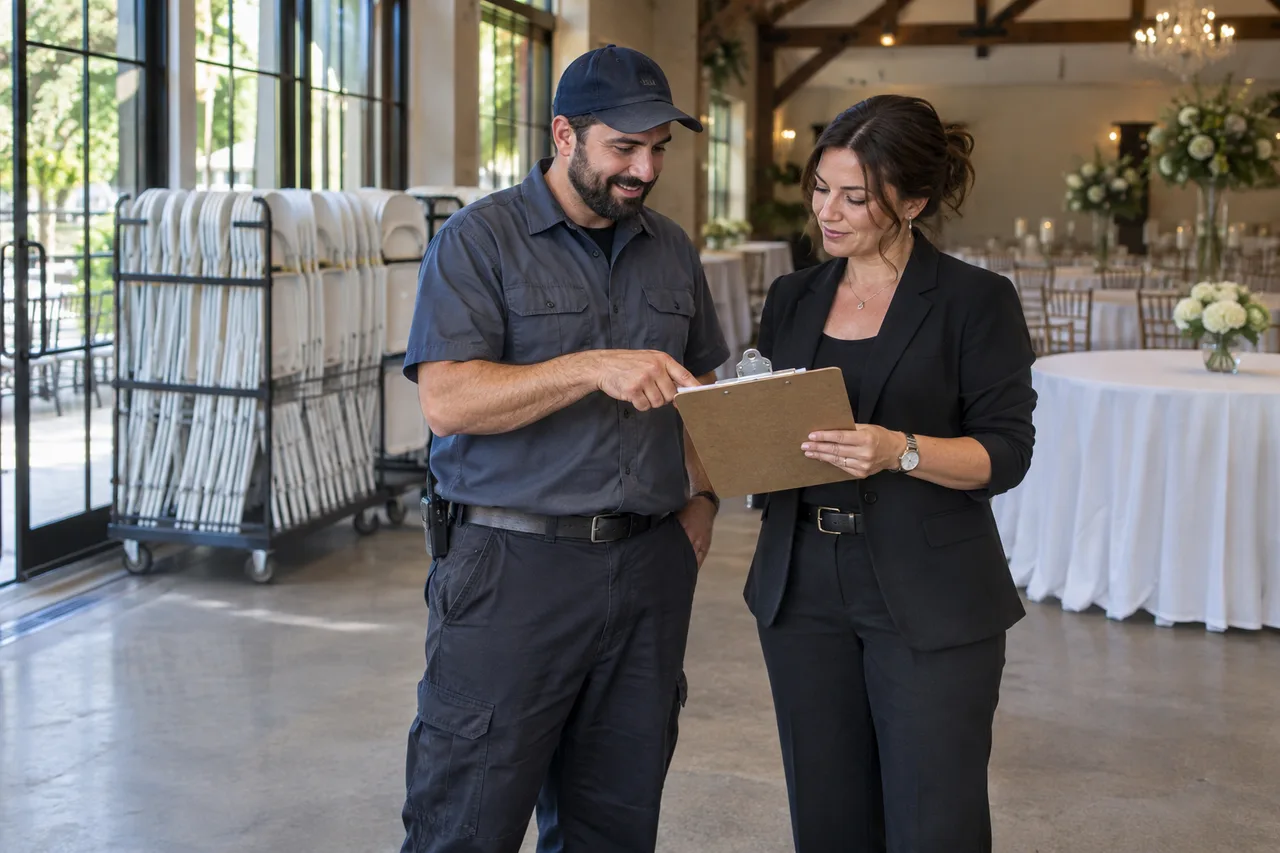
A venue coordinator sees your crew show up in the agreed window, find the right door and leave the ballroom ready for the next vendor. Months later, another planner asks the venue who can handle a similar job. The coordinator needs more than your name to give a useful referral. Give them a clear way to describe what you do, where you work and how someone can check the date. The delivery handoff is where the business shows that the description is accurate.
Start with a recent delivery that went well. Ask the crew what helped the venue receive it and ask the office which details the customer already had. Identify one thing an organizer might recall after the event, such as the team arriving with a clear layout or communicating a changed pickup time. Use that as the model for a handoff worth recommending. Focus on the actual experience before deciding when or how to ask for a referral.
Give the venue a useful first impression
Confirm the access point, receiving role and service window before dispatch. Send the customer a concise summary using the normal booking process. Let the dock or venue contact know which pieces are arriving and what the crew will do once they get there. If a different vendor needs the room afterward, verify the schedule that applies to your part. The handoff should help other event work continue.
Ask the crew to introduce itself with the booking or event name. The receiver may be dealing with trucks for several vendors at once. Use the agreed unloading and placement instructions. If the venue requests a change, get the appropriate approval before promising different work. Keep the host informed without asking them to recheck decisions already made. A dependable delivery is easier for a venue employee to remember than a long sales pitch.
Give the recipient a single place to ask about the rental after the crew leaves. That might be the phone or contact route already listed in the booking. Show the collection time and which pieces need to be returned. If the venue needs to stage equipment after use, confirm the ordinary process for those items. A good handoff makes the event organizer's next task easier.
Leave an accurate record of what was delivered
Verify the accepted quantities and placement with the appropriate contact. If the job uses more than one room, record where each group went. If the customer approved a change on site, identify the action and who confirmed it. Use the normal authorized booking record to preserve the outcome. A later team should be able to find the actual plan without reconstructing an unrelated conversation.
Give the customer a short summary of the completed part. Include the accepted items, the pickup or collection arrangement and the contact for a change. Keep sensitive order details in the correct private channel. A venue that coordinates many events may want a brief handoff for the specific room. The office can supply it without including billing information that only the organizer needs.
Close the loop on a problem before asking someone to refer you. A crew may have arrived late or missed a package part. Check whether the requested remedy happened. Give the customer a current answer and explain any next step. Once the business has completed the work, ask what they would want a future planner to know. Their answer can help you improve the next delivery whether or not they give a referral.
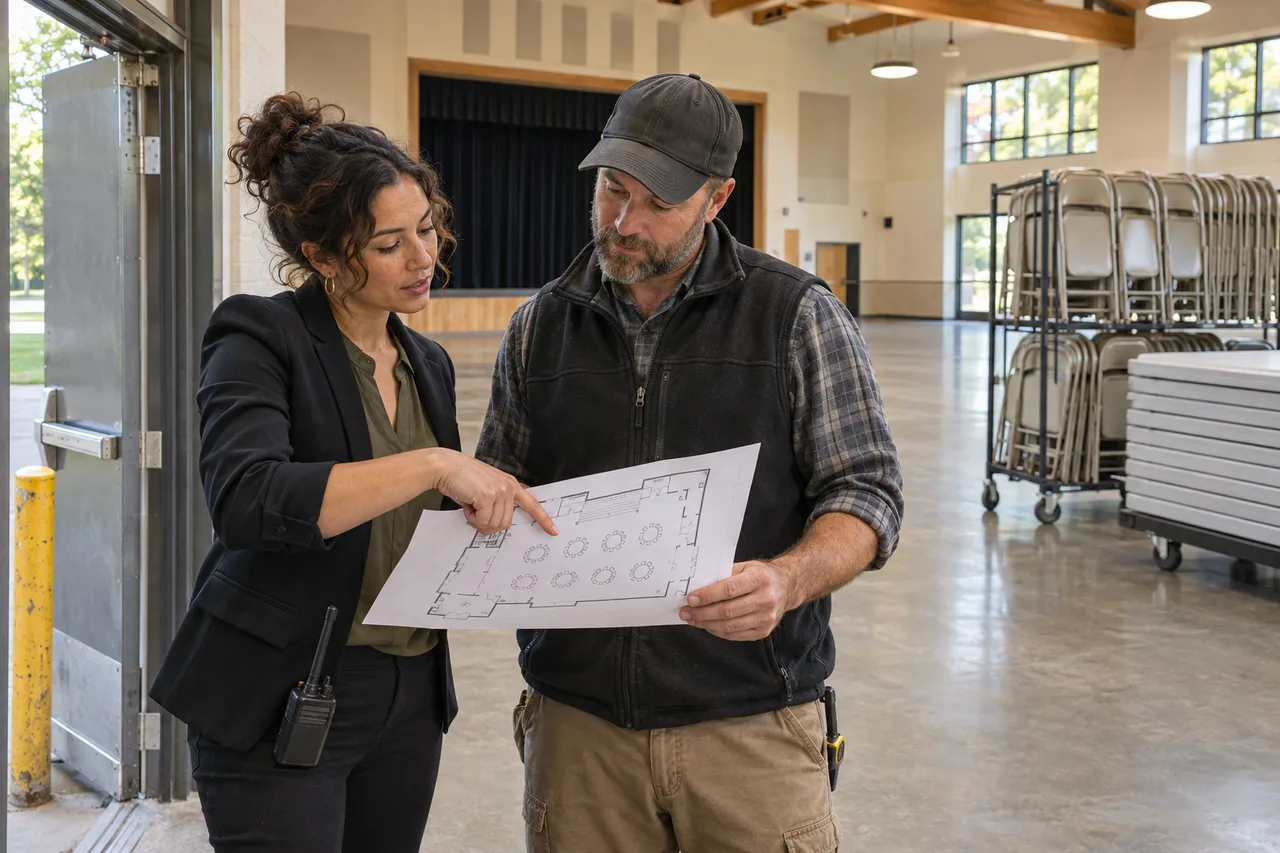
Choose a natural point to ask
The delivery itself can be busy for the customer. Use the moment to finish the promised work and make any information the organizer needs easy to find. A follow-up after collection can be more useful for a referral request, when the customer has experienced the whole rental. Use the normal channel through which the business communicates with them and give them a simple way to respond.
Keep the request specific and optional. You might ask a repeat venue contact whether it's useful to have a link they can forward when another organizer needs tables or seating. If a customer has already offered to make an introduction, provide a short current description and the best contact. Give them a way to connect someone who wants to hear from you. Avoid assuming the customer will share another person's contact details.
Choose the timing according to the job. A planner with a completed annual fundraiser may be able to talk after closing the event. A venue normally reviewing vendors at the end of the season may prefer a short note then. Ask how they want to handle any future contact and keep the useful event context with the account. A clean follow-up respects their schedule and lets the business show up when it can offer real help.
Give the referrer something accurate to share
Prepare a short description of the type of work you do. Include the service area and where a planner can check the equipment or request a date. “Local table and chair rentals, with pickup and scheduled delivery options” is a simple starting point if it matches the business. Add a direct page for the relevant offer. A person who receives the introduction should understand what they can ask about without expecting every service from the original event.
Keep the destination current. A venue may refer someone to that same link months later. Review whether the page still describes available product types and the way customers can ask about a date. Use a stable collection or contact page if the business runs a short seasonal promotion elsewhere. If the organizer wants a recommendation for a specific setup, choose an example that shows the actual pieces and services available.
Give staff a short reply for a lead that came from a referral. Thank them for the connection where appropriate, then ask about their event date, location and quantities using the ordinary qualification process. Compare the new request with real inventory and service. A venue may have seen a delivery to one room, but another event might use a different location or time. A useful response carries the relationship forward and verifies the details for the current job.
Walk a venue referral from one event to the next
Imagine a delivery of eight tables and sixty chairs for a community dinner. The building contact confirms the east entrance and a ninety-minute setup window. The crew arrives as agreed, verifies the room layout, places the furniture and shares the collection instruction. A volunteer sees that the tables were ready before the other vendors arrived. After collection, the office closes the order and checks whether any point was hard to navigate.
The organizer says the receiving door was easy to verify and asks for a link to share with a colleague planning a fundraiser. The office sends the current table and chair collection and a short description of the service area. The colleague contacts the shop about ninety chairs for an upstairs room. The rental desk asks for the current venue access and event timing. A similar job at the same site may need different unloading and crew arrangements.
The new inquiry becomes a confirmed order only after those details are reviewed. Record how the planner found the business and which part of the first experience made the introduction useful. Give the warehouse the new arrangement, including stairs, room placement or the confirmed delivery point as applicable. The result is a referral for work that genuinely fits, with a reliable handoff like the one that prompted it.

Record introductions in a way that helps the next employee
When someone says they were referred, ask how they heard of the business if they are comfortable sharing. Record the source and only the context needed to help with the order. If the venue makes frequent introductions, keep its preferred contact process in the relationship record. Avoid assuming an individual organizer wants their event or contact details shared. Follow the business's regular privacy and communication practices.
Give the team enough information to follow through. A new planner may have been told you offer a particular configuration, such as seating in a named room. Identify which part is relevant and which needs an updated check. A staff member should be able to see the offer and current service area from the approved catalog. Confirm the facts before presenting prices and dates.
Check what happened after the introduction. Count inquiries the business could serve, jobs booked and jobs completed from referrals. Note common reasons a connection didn't fit, such as a delivery date already full or a different vehicle requirement. Those results can tell you whether the referral instructions need to explain the offer better or whether there is capacity worth reviewing.
Ask which part of the handoff was hardest
Follow up with a question the organizer can answer in a sentence. Ask which detail was hardest to find, or which step took longer than they expected. A specific question can surface useful issues even after a successful booking. The answer might be that the delivery door was clear but the collection time was buried in an earlier message. Check where the rental team displays the time and how it tells the customer when the plan changes.
Ask the person on the venue side the same question when appropriate. The planner may have all the documents while the person receiving the truck only sees a text with an arrival window. A site contact might need to know whether equipment is going to one room or two. Find a way to share the approved handoff details with the role that needs them. Try the improved version with a coworker who has never received that kind of order.
Review feedback with the crew. They may say that they were ready to place furniture but the room was still occupied, or that a venue worker resolved access quickly because the confirmation named the right door. Record which part of the process can be repeated. Then adjust one field, message or handoff step so the next customer benefits from what the team learned.
Give the delivery team a simple checklist
Build the list around the moments workers can verify. Before leaving, the crew can check the right order, equipment, service window and receiving instructions. At the venue, they can confirm the contact, actual items and the agreed placement. Before leaving, they can verify which parts are done and what the customer needs for collection. Put a way to report an exception near the relevant step.
Use the checklist on an ordinary delivery. The employee should be able to tell the customer what to expect without asking them to repeat the route plan. If the crew cannot complete an accepted part, give dispatch the situation, expected deadline and who is available to decide. Once the decision is known, make it visible to the customer and the next worker who touches the booking. A clear exception record can turn an ordinary disruption into a predictable response.
Compare the list with one return. If someone needs to collect tables from a different room because the venue made a confirmed change, check that the new location appears in the receiving assignment. If a customer asks a question about an accessory, the office can find which pieces actually went out. The quality of the handoff includes what happens after the first delivery is finished.
Use a clear boundary for introducing the next customer
Make it easy for a venue to share the rental company's information without taking on extra coordination. A website link and general contact are often enough. If a venue wants to make an introduction, use the approach its people prefer. Ask whether the planner wants the business to follow up directly, and keep any personal or event details in the proper channels. A referral should help the interested party make the first useful decision.
Check what was promised in the introduction. If someone describes a same-day delivery or a service outside your usual area, explain what the rental team can actually offer for that event. Ask for the date, venue and quantities, then verify stock and access. When eligible, confirm the order through the normal process. Treat the venue's recommendation as context and keep the new booking terms grounded in the current work.
Let the original referrer know you've received the introduction where appropriate and through the preferred channel. Avoid sharing private booking decisions with someone who only connected the parties. A simple acknowledgment can be enough. If the new customer requests a different service, give the account owner a clear place to continue the conversation.
Review whether the approach leads to better orders
Compare the introductions with actual jobs over a useful period. Note which service was recommended, whether the rental team could serve the request and which orders were completed. A referral from the venue could come from one excellent handoff months earlier. Avoid crediting every new inquiry to the most recent message. Focus on which experience a customer or venue actually mentioned and how the shop responded.
Look for service promises that are easy to repeat. If people regularly mention clear arrival windows, make sure the rest of the crew can offer the same level of coordination. If they value a setup detail that only one employee knows, document how the team does it and what information the venue needs. Ask whether the same approach works when the regular driver is away. Reliable service from several employees gives a referral a strong basis.
Give the next shift one completed example with the accepted instructions, the customer's feedback and any introduction that followed. Ask a coworker to identify which detail mattered and how they would use it on the next event. The next step might be checking a room handoff or updating a service description. Keep the customer experience at the center. The simplest referral is one the venue can explain because it has seen the business do the work well.
Make the first visit useful to a venue you haven't served before
After a new venue confirms, ask which receiving details team members often miss. It could be the time the service lane opens, the name of the room on the site schedule or who can receive a second load. Give the correct answers to the crew and confirm what they actually used. A repeat visit can then begin with verified information, while the new planner can still make changes for their own event.
Keep one simple service description to share with a future organizer at that site. Describe the ordinary equipment and service scope and link to the current collection or inquiry page. When someone follows the link, ask what they need for the date and verify the current conditions. A useful introduction connects the person with a real offer they can verify without copying another customer's arrangement.
Before sharing an introduction link, open it from a phone with no booking open. Verify that the referral points to the right service and that the contact details are current. The receiving venue or planner should be able to take the next step without needing the original customer's order information.