Start tool rentals with jobs customers already need to finish
Build a tool rental offer around common customer jobs, with suitable equipment, compatible accessories, qualified handoffs and time for inspections.
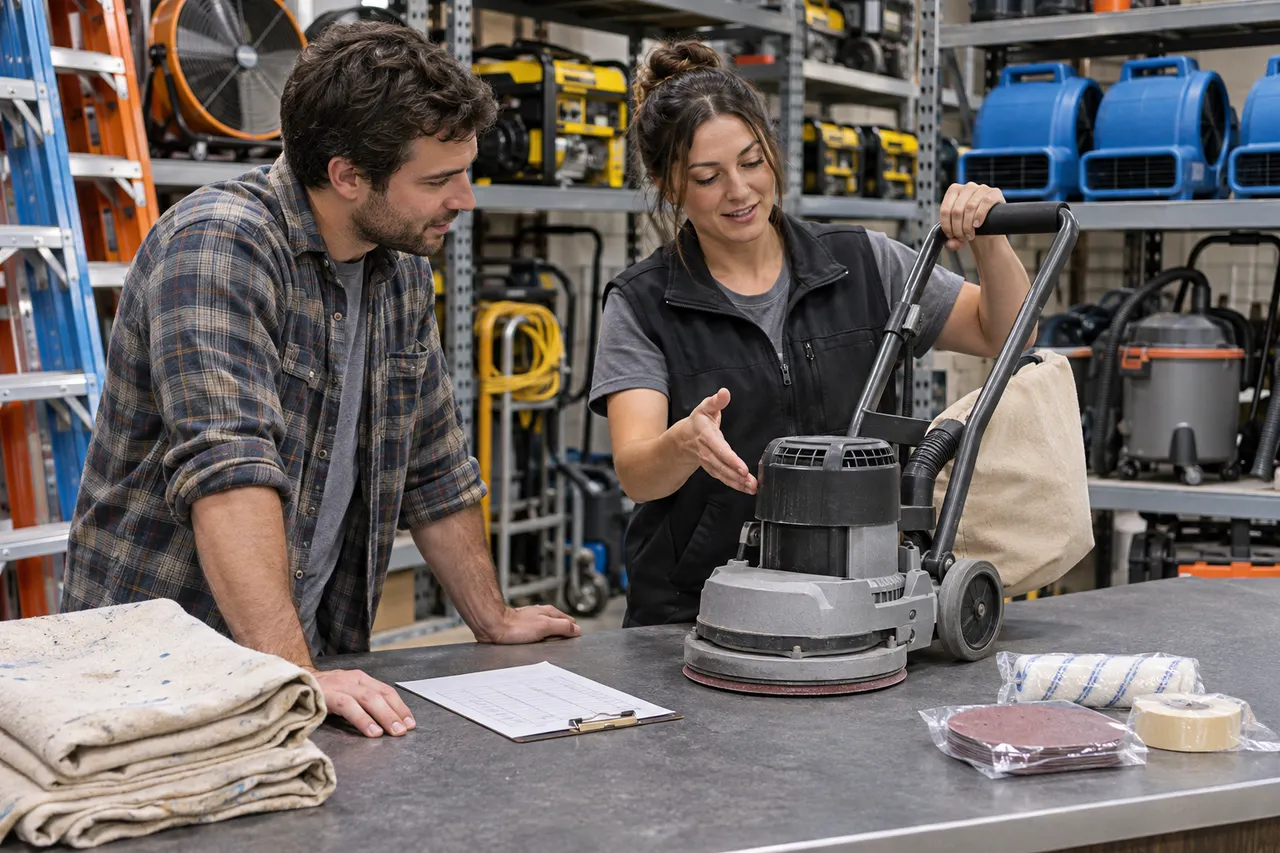
A homeowner arrives at a tool rental counter and asks for a floor sander. The employee asks what kind of surface needs work, how large it is and whether the customer needs help choosing a suitable machine. The conversation reveals that the customer has already planned a weekend, has limited space in the car and needs to know what accessories are compatible. A tool labeled “available” in the catalog is only part of the answer. The business can earn a useful rental by understanding the job it will support.
Build a first tool rental offer around a few jobs customers can already describe. Learn how they decide which tool to use, what must accompany it and what the shop needs to check before handing it out. Start with equipment and service your team is qualified to support. Then track what really happens through return and inspection before buying a broader fleet.
Pick a job before picking a machine
Interview people who have completed work in the area you want to serve. A property manager may need a temporary floor cleaner. A small contractor may need a replacement tool while their own is being repaired. Someone preparing a room before a move might need an appropriate tool for a single weekend. Find out how they solved the job last time and why they might use a rental next time. Ask when it had to happen and which details determined the equipment.
Separate routine work from jobs that require assessment or qualifications your shop does not provide. A new offer can support a narrow, predictable job and route other requests to a qualified person. A customer should not have to guess whether a product is appropriate for their material or conditions. Ask staff to identify what they need to know before recommending any option. Use the manufacturer’s intended applications and the business’s own approved procedures.
Write a helpful name and description. “Carpet cleaner with a hand tool for stairs” is easier for some renters to recognize than a model number. The model still belongs in the specifications and inventory record. Include the type of work it supports, the pieces included and practical requirements for pickup or delivery. Ask someone who did not write the listing to explain what it offers. Improve the product description if people consistently expect a different tool or service.
Learn where the customer’s choice can go wrong
Choose a start-of-order checklist based on the job. Ask appropriate questions about the material or surface, planned dates, area or scale, access and collection. Avoid directing someone to a tool based only on its name. If the customer discloses a circumstance that could make the choice unsuitable or hazardous, get the right expertise or defer the rental. Give employees a clear route to handle unfamiliar work without guessing.
Identify which information belongs on the product page and which needs a conversation. Weight and transport requirements may be useful up front. A complete list of optional attachments may be more confusing than showing which items fit the common job first. Describe which accessories are included, which are optional and which must be selected for a specific tool. Staff should be able to check the compatibility of a model or accessory before promising it.
Use the documentation available for the exact equipment. Keep the maker’s instructions available to the staff member checking it out and to the customer as appropriate. For employers, applicable workplace tool requirements should be handled through their own safety procedures and qualified review. OSHA provides guidance and links to standards for hand and power tools in U.S. workplaces. OSHA hand and power tool resources
Pack an order that can be verified quickly
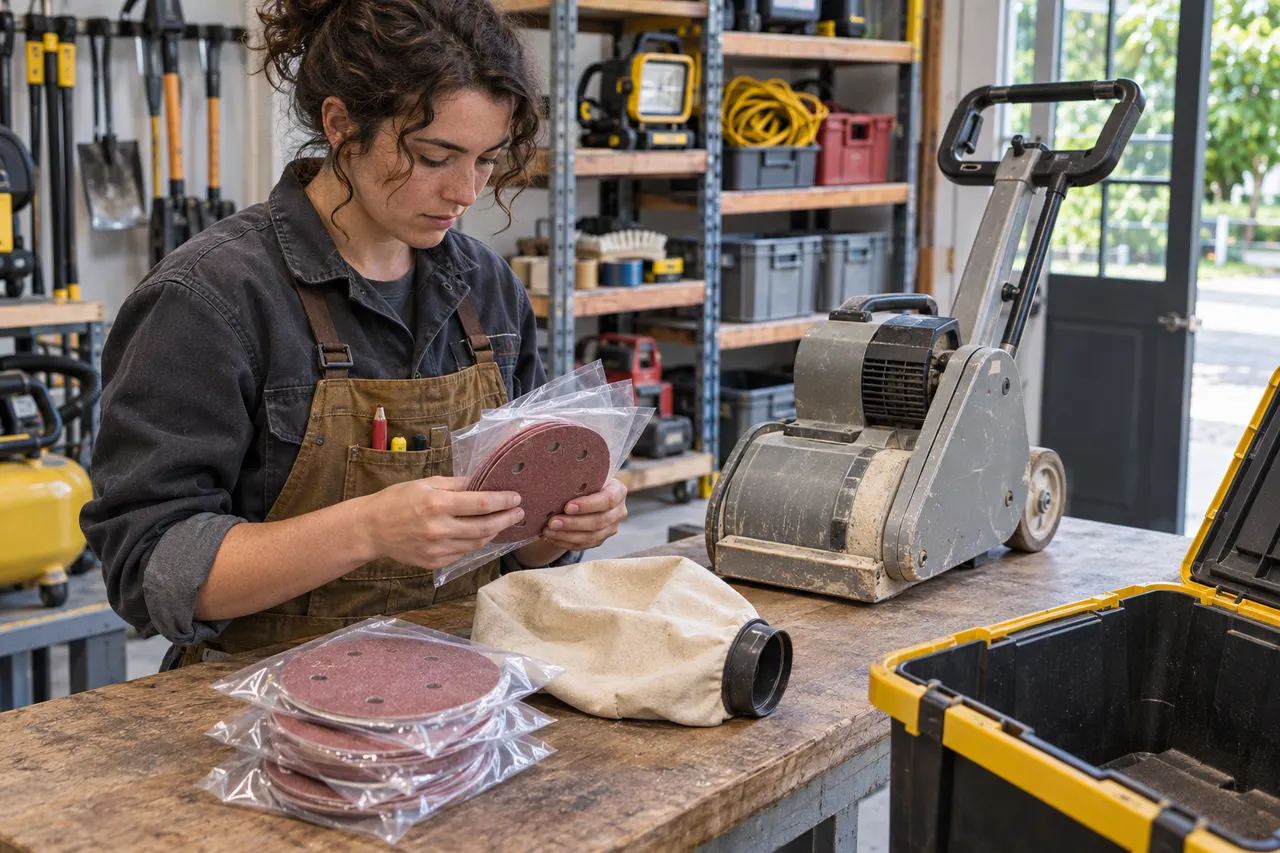
Give the shop a short checklist for each tool or kit. List the unit, compatible accessories and any included manuals, cases or supplies. Decide which items customers return and which they purchase or use up. Mark the distinctions on the customer’s order and the warehouse pick list. An empty box of supplies is a different issue from a missing reusable component. Staff should be able to say what was present when the equipment went out.
Use a practical storage location. Keep the accessories a worker normally needs with the tool or identify the bin they come from. Where a component can be reserved with more than one package, count it as shared inventory. A customer can reserve an available machine and still need a specific attachment another customer has. Test that familiar allocation issue before promising an entire kit based on the machine count alone.
Record the unit that actually leaves. An asset identifier is useful for higher-value or frequently serviced equipment. Confirm the visible condition and the appropriate checks for the model. Give the customer a simple way to report a problem with the supplied items before attempting work. If a worker substitutes a unit for the one planned, confirm that the replacement is suitable and that everything on the receipt matches the new unit.
Decide how pickup and delivery work for each job
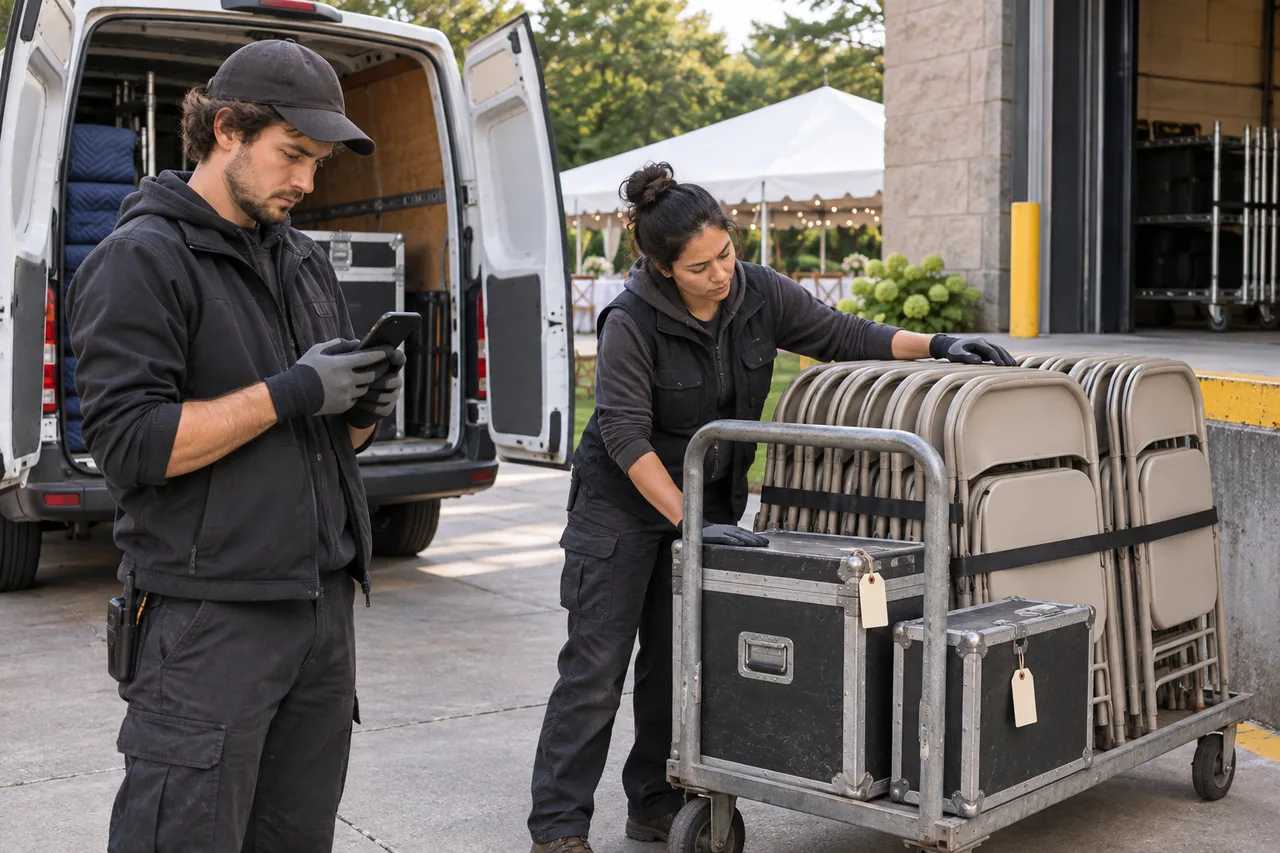
At the counter, ask who will collect the tool and whether the chosen transport is suitable. Let the customer know what to bring or verify in advance. For heavier or awkward equipment, the business may need a reviewed delivery option or appropriate staffing and handling arrangements. Work from the manufacturer’s guidance and local requirements. Make the timing and services part of the quote so a buyer does not discover a major limit after reaching the shop.
Plan the handoff based on experience. A returning trade customer may need to verify the unit number and accessories. A new user may need the documentation and a guided review from qualified staff. Confirm the customer knows how to reach the shop during the rental and when equipment is expected back. Give people clear next steps when they cannot safely use the tool or believe something is missing. The business should be able to recover the precise equipment and order record before advising.
Add a straightforward reservation path. Let people choose the relevant product and dates or send a short job request. If a representative has to confirm suitability, describe that step before any booking becomes final. A rental may be easy to reserve for some configurations and need review for others. Explain both choices instead of implying that any item with a date field can be picked up regardless of use.
Put inspection and repair time on the schedule
Identify what each tool needs before a second customer can take it. A return may require a count, cleaning and a check by an authorized person. If something is damaged or shows signs of a problem, separate the unit from ready inventory and record the status. Determine who can put it back into service using the appropriate procedure and maker’s guidance. Ask a trained person before attempting repairs or tests the business is not equipped to perform.
Use the actual receiving window when you plan bookings. A tool returned late Saturday may miss the shop’s next inspection shift. If another customer arrives early Sunday, the business may still need a ready spare. Put turnaround on the availability record so staff can see the difference between scheduled return and release. If a customer requests an extension, examine later commitments before agreeing. Keep the person handling pickup informed.
Review one ordinary and one incomplete return. For the ordinary case, record the complete kit and the time when it becomes available. For the incomplete one, record the missing piece and whether the tool can be prepared for a different rental. Do not return an item to availability unless its normal checks and equipment requirements have been met. Follow the correction that brings it up to date when a missing accessory is found later.
Set the first offer’s price around actual work
Estimate effort from a complete job. Include selection, preparation, receiving and ordinary wear. Keep direct expenses for cleaning, consumables and any delivery visible. Compare the income per booking with your costs and the time the item remains unavailable. A tool can have a good rate on paper while spending most weekends on a single rental or out for check and repair. Use evidence from a short trial to understand how frequently you can rent it.
Explain the rate basis to the customer. Make it clear which days or hours are covered, when the tool must be returned and which optional supplies change the total. Discuss what happens if an extension is requested and how the business confirms it. Review any deposit or damage terms using the store’s established process and applicable requirements. A customer who needs to finish by Monday should know whether returning on Monday is part of the original agreement.
Build the price check around realistic bookings. A one-day tool rental might bring 85 before optional supplies. If its direct handling and ordinary consumables cost 25, the difference can go toward ownership, service and overhead. If the unit is delivered outside the local route or needs a specially trained employee for a longer handoff, recalculate. Treat illustrative numbers as planning examples and use your real costs and trial work.
Support the people who choose, collect and use the tool
A property manager might arrange the job, a maintenance employee might collect the tool and a separate crew might operate it. Ask which role needs which information. The manager needs the total and schedule. The collecting employee needs to verify the item, accessories and transport. The person using it needs access to the proper operating materials and any training or supervision the work requires. Put essential details where they can be retrieved when another person picks up. Check that the named recipient is authorized to take the equipment under the shop’s ordinary procedures.
Test a request that changes after the original customer leaves the counter. The employee receiving the call should be able to locate the order, identify the exact model and see what came with it. If a customer has a question the employee is unqualified to handle, give them a route to help rather than expecting them to infer instructions from the product listing. Have the person taking the call write down what happened and who will follow up. The next shift should know whether a tool is being returned, swapped or held for examination.
See which ordinary communication prevents a second trip. A short confirmation might repeat pickup time, address and which compatible items are included. The page can give returning customers a reference for the package rather than asking them to remember model names. Keep the important details accessible offline if staff expect a weak connection at the site. Avoid relying on a private note that only one employee can find. The business can save time without shortening a handoff that needs a qualified review.
Make the catalog reflect actual accessory counts
Suppose a machine is ready and there are two compatible accessory kits, one already due out in the morning and one reserved for another kind of tool. Look at how the two bookings affect the same supply. A tool that can technically be offered with multiple accessories does not always have the full set ready on a specific date. Decide which accessories are optional, which are required and which can be substituted after checking compatibility. Make the distinction visible at checkout and on the picking record.
Test the stock after a partial return. The main unit comes back on time, while an accessory remains with the customer. If your shop has a separate verified compatible kit, the unit may be usable for another job after the usual checks. If there is none, hold the complete offer until it can be supplied. Give staff a way to see which piece is still outstanding. Otherwise they may choose the right machine, discover the required part is missing and need to call the next customer just before pickup.
Track consumables separately. A customer may buy enough supplies for the actual surface and return any reusable parts. If replacements are needed during the job, clarify how the shop can help and which additions need another charge. Record what accompanied the equipment when it left. A worker handling returns can then distinguish a missing component from material meant to be consumed. Review whether commonly ordered supplies can be offered without making quantities or receipt instructions harder to understand.
When new stock arrives, verify the tool against the catalog and make sure its accessory references match the actual model. A similar-looking unit might use different parts. Test the entry with one ordinary booking and a later return. If the new version fits rather different work, give it a separate place in the catalog or route the choice to staff. This small check helps keep the catalog aligned with the units shoppers will really receive.
Choose one product family for a controlled trial
Pick a tool family with customers who can describe the job and staff able to guide them. Keep the first offer to a limited number of configurations and a clear pickup or delivery process. Add only the accessories you can account for consistently. Offer the service on dates with preparation and receiving coverage. A narrow launch gives the team room to measure the work without making commitments it cannot serve.
Ask the staff to record the most common issues during a few jobs. Useful notes include what people expected to be included, how long a suitable unit took to prepare and why a customer could not use the normal collection window. Look at returned items and record what usually needs attention. Compare the observed workload to the original estimate. If the selection depends on one employee and repeated questions, improve the guides or route the job to that person until other staff are trained.
Try the next request with one change, such as a customer collecting the tool instead of receiving it on site or needing a compatible optional accessory. Watch how the booking stays associated with the chosen unit and how staff confirm the updated order. If it requires a different service than the store can support, keep the original offer narrow or design a separate option for later.
Adjust the assortment to what actually gets finished
Review which jobs were completed reliably and which had avoidable problems. Add capacity when the team sees repeated qualified demand and can prepare and receive another unit. Add a different model or accessory when it supports a repeatable job existing tools cannot handle. If customers keep asking for the wrong type of equipment, fix the catalog or change the package before assuming the business needs a bigger shelf.
Ask for practical feedback at return. A customer may have used only one of the included accessories or needed a clearer way to access the instructions. Compare those responses across similar orders. Change one part of the offer at a time and check whether the next customer can identify and return what they need. Keep equipment conditions and procedures visible to staff as the list expands.
A first tool rental catalog can be small and still solve important work. Lead with the jobs customers already know, match them to equipment your team can support and plan how the gear comes back into service. Build the assortment when the shop can see how each addition fits the next real booking.