Starting a Foam Party Rental Service
A practical first-business plan for foam equipment, supplies, delivery, and party logistics.
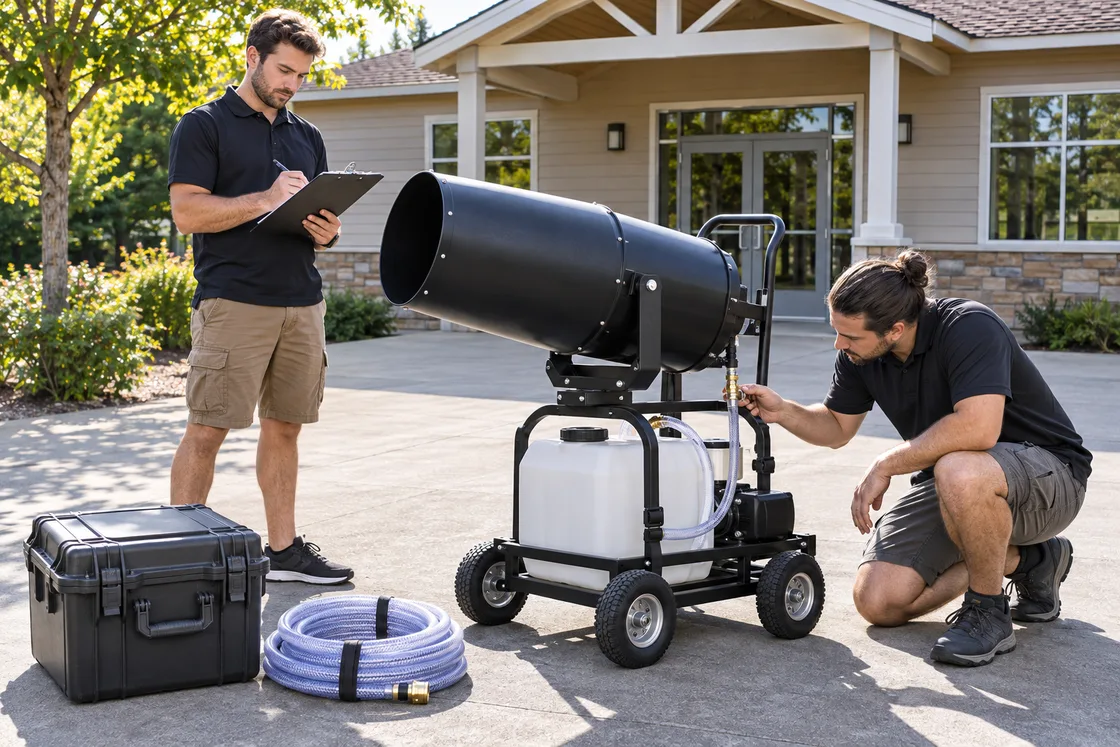
A foam party looks simple on camera because the preparation happens outside the frame. The operator still has to approve the venue, confirm what the location can provide, position and supervise the equipment, keep the activity within the approved area, and leave the site as agreed. That preparation determines whether the service can support a viable schedule. Start with an attended package you can set up and deliver consistently before expanding to more events or equipment.
Imagine a recreation center wants a forty-five-minute activity after its field day. The director has a reserved lawn, a large group of children and a hard cutoff before the site closes. The business needs an approved setup area and schedule, a way to confirm the site's utilities and access, and enough time for teardown and cleanup. Working through that one inquiry gives you the beginning of a booking checklist. It also helps you see which attractive-looking requests deserve a separate quote or a different activity.
Define what the customer is buying
Describe one offer that staff can explain in a sentence. It might include an attended foam session of a defined duration, within a specified local service area, for a venue and group the business approves after reviewing the details. Let the office distinguish the activity duration from the period the crew needs at the site. A session that runs from two to three may still require access well before two and enough time after three for removal and cleanup.
Decide what the crew handles and what the organizer provides. Spell out who manages the participant queue, who communicates activity rules to guests, how any additional chaperones are arranged, and who has authority to interrupt the session. Different venues and types of operation can require different staffing arrangements. A helpful quote answers those questions before the event rather than leaving the customer to infer them from a promotional photograph.
Choose where this first package is intended to work. Backyard parties, community centers and larger events can involve distinct access, facilities and participant arrangements. A school field day may require a facilities review, a certificate of insurance, a plan for several groups and more time to process a purchase order. An event with a vendor load-in schedule may be less flexible than a private yard. Begin with a class of jobs the crew has time to check properly.
Name any services you can price separately, such as extended operating time, a second trained attendant or a farther route. Keep the rules for extra time and additional guests clear. If capacity depends on rotating groups through an activity area, the organizer needs that information before inviting participants. Ask about planned ages and group size as general event details. Collect only what you need to assess staffing and suitability.
Choose equipment and supplies for the operating plan
Speak with suppliers about the exact model, compatible consumables, operating conditions, maintenance, parts availability and what training is provided. Request the manual and the documentation for the materials you will handle. Look at how heavy and bulky the full kit is when loaded, how it fits your vehicle and where it will dry or be inspected after use. A kit that is easy to move in a vendor demonstration can feel very different when it returns wet at the end of a second job.
Compare the complete package cost. Include safe transport and storage, manufacturer-specified accessories, cleaning and maintenance supplies, any approved power protection and routing equipment appropriate to the setup, and spares that the manufacturer permits. Decide who inspects and records the kit, which components must travel together and how to flag a unit that should be taken out of service. Avoid improvised repairs or substitutions. If a part is essential and cannot be replaced locally, find out how quickly the supplier can ship it and how you would handle a booking in the meantime.
Store instructions and product information where the operating crew can find them. For workplaces that use hazardous chemicals, U.S. OSHA guidance covers communication about hazards, including labels, safety data sheets and training. Use the supplier’s label and current safety data sheet for the exact product, and determine what requirements apply to your workplace and location. The relevant directions must be available to employees while they are working. Use approved products in accordance with device and product directions, and keep materials in properly labeled containers. OSHA’s Hazard Communication overview
Review the service with your insurer before taking paid bookings. Describe the exact scope you intend to offer, including where it will operate, the ages or types of gatherings you anticipate, and who will supervise the activity. Ask about coverage, exclusions, staffing and venue paperwork in writing. Check with local authorities and venues about any event permission, electrical, water use or discharge requirements that may apply. Keep a list of which jobs require an additional review so your office can avoid committing to a date while those questions are still open.
Qualify the site before sending a firm quote
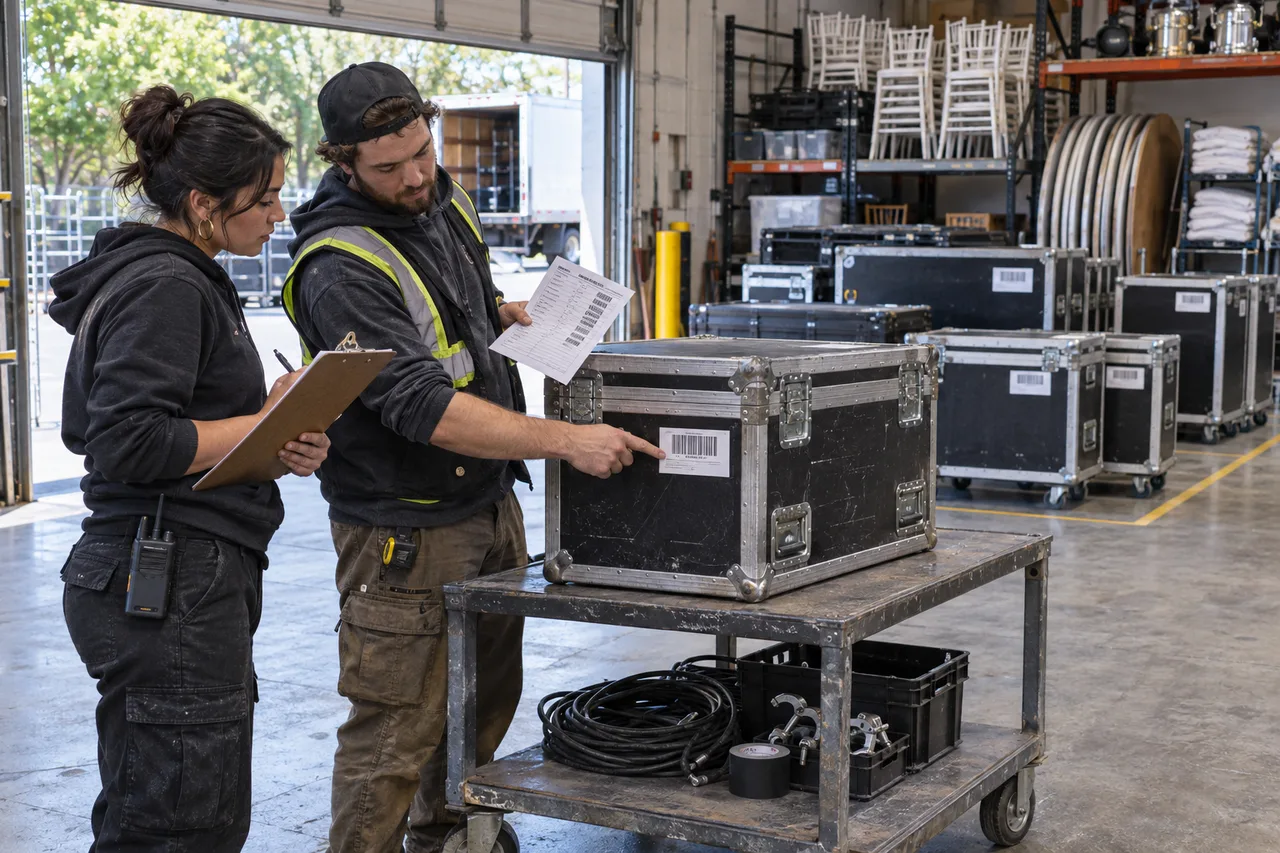
Build a short intake form that asks for the event date, general venue type and area, number and age range of participants, desired schedule and a contact who can approve site details. Ask whether the organizer has permission for the activity and whether the venue can confirm an appropriate location, access and utilities. Provide secure instructions for sharing any photos the office needs. Finish logistics inside the booking record so the crew sees the agreed conditions without searching through personal messages.
A site review should address the usable activity area, adjacent surfaces and property, route from the vehicle, participant entry and exit, expected runoff, and a way to protect equipment and connections from the operating area. Consider how guests will move between the foam activity and other parts of the event. Wet feet may cross a smooth entrance, and queueing families may drift into a vehicle path. The proposed site should make those movements manageable. Ask what happens if wind changes direction, a drain is unavailable or the venue needs another access point kept clear.
Use qualified help and venue approval for electrical and site questions beyond the crew’s authority. An organizer's photo of a wall outlet cannot establish that it can safely support the specific equipment in the intended conditions. Confirm a suitable supply and approved protective measures with the venue and appropriate personnel. Follow the manufacturer's electrical instructions and rules applicable to the setup. Where a location cannot be verified, postpone approval or offer a suitable alternative. Avoid promising that a longer cable or a different water connection can solve a question before someone qualified has looked at it.
Record the result in plain language for the route packet. Write the approved zone, the preferred access route and load-in time, the person meeting the crew, who owns each prerequisite and whether any approval is still open. If a customer sends new photos on the morning of the event, give staff a way to route them to the lead instead of assuming the quote already covers the change. Changes of site, activity area or schedule should reach the crew before they leave.
Build an operating rehearsal before taking serious volume
Run a dry rehearsal at a location you have permission to use. Walk through loading, parking, staging, setup checks, participant briefing, a simulated stop, cleanup and return. Use trained staff and follow all venue and supplier conditions. Time the transitions. Try a rehearsal where the meeting person is late or access is blocked so the crew can practice contacting the office and deciding whether to wait, choose an approved alternative or stop.
Set an order for the day. On arrival the lead confirms the site and operating conditions before committing equipment. The team controls public access to the preparation area, establishes the approved participant flow, checks communication and begins only when ready. During service, staff observe the participants, conditions and equipment so they can stop when needed. They should know how to request additional help if a group becomes hard to manage. The post-event checklist includes packdown, the agreed site handback and making a maintenance entry if the unit needs inspection.
Practice the conversation as well as the equipment routine. “We need a few minutes to check the new area before we can start” gives an organizer a clear status. If the crew stops, agree who explains what happens to the remaining session, rescheduling and any charges. Comfort with that conversation helps the lead carry out the stop decision even when the event is underway and the crowd is waiting. It also lets an owner see whether the operating plan relies on a person who may be serving another job.
Make a separate rain and weather plan with the applicable equipment and venue limits. Assign a person to monitor conditions and decide when a change requires an updated approval or stop. Revisit wind, runoff and visibility as the event progresses. Share the operating and cancellation rules with the customer before taking a deposit. The sales materials should accurately describe them so that another member of staff can answer a rescheduling question consistently.
Price the service by the time it takes to complete
Time the whole route. A crew of two could spend twenty minutes loading, thirty-five driving each way, forty-five setting up and checking the site, forty-five operating, forty minutes breaking down and handing the site back, and twenty minutes unloading and inspecting equipment. That is four hours for each person, even though the activity itself lasts less than an hour. If a facility asks the crew to wait through lunch before starting, either the price covers that time or the scheduling model needs to change.
A sample job might bring in $525 before tax. If fully costed crew time is $200, route costs are $45, solution and cleanup supplies are $48, and payment fees and routine wear total $47, approximately $185 remains before fixed overhead and marketing. On a farther route with another thirty minutes of driving each way, labor and mileage can reduce that amount. If you need a third attendant, price the role consistently. Keep the example separate from the amount the operation will actually charge in its market.
Plan for products and maintenance over the season. If a particular kit must be used only under certain site conditions, assess how often those conditions align with demand where you operate. Forecast cancellations and plausible reschedules, and make room for training, maintenance, insurance and storage between paid events. A bank account with a series of deposits can look healthier than it is if several bookings come with refund or rescheduling commitments. Separate earned revenue, customer balances and amounts the business may need to return.
Put the inclusion list and pricing in writing. A clear quote should show the confirmed space and activity description, a time range, which travel and staffing costs are included, what happens if the organizer wants to extend the session, and the circumstances that trigger a review. For larger events with separate participant waves, quote the staffing and total block of time rather than treating all sixty-minute sessions as identical.

Take the first bookings through one repeatable flow
Publish a page that shows a typical approved setup or preparation with permission to use the imagery. Explain the kind of location the crew can review, the area you serve, the activity duration, and the difference between submitting availability and receiving confirmation. Avoid sweeping assurances about suits, surfaces, ingredients or cleanup. Use the exact operating information your supplier, insurer and applicable requirements support. Make it easy to ask about venue specifics and participant accommodations.
Start outreach with organizations that can review a site and schedule with you. A recreation director may know which weekends have suitable capacity. An event planner may be familiar with venue approval requirements. An existing rental customer can tell you whether the arrival and cleanup details are understandable. Use questions from these conversations to improve the quote process. Ask whether people understand the need for access and staffing or whether they think they are only reserving a machine.
Give one person ownership of the inquiry between quote and dispatch. That person checks for open site questions, documents confirmation from the venue, and sends a short recap to the organizer. Set a deadline for outstanding information that gives your team time to decline or adjust the booking responsibly. If a site contingency means the order is only provisional, the booking status and any payment message should explain that accurately.
Take the first paid jobs on dates where a second event is unlikely to compress the schedule. Ask the lead to record departure, arrival, operating start and stop, warehouse return, and any time spent dealing with missing prerequisites. Note which requests were accepted with awkward compromises and whether those compromises should change your rules. A trial run is more valuable when it reveals the cost of a route you can repeat.
Give the venue the details it can confirm
A community center and a household can receive the same basic intake questions, but they may answer them with different people. A director may approve the event schedule while a facilities employee is the person who can identify the approved access and operating area. Ask the organizer for both names early. Send a concise recap with the requested arrival, activity and handback times so each person can approve the part they control. Make any assumption that remains open visible on the booking.
Think through the case where the organizer requests a lawn and a venue employee points the crew toward an adjacent paved courtyard on event day. The lead should pause before moving the setup, check the proposed change using the same review as the original location, and contact the office if an approval is needed. If the replacement area is unsuitable, use the agreement's rescheduling process. Save the details afterward so the next crew and coordinator know why an apparently simple venue change affected the booking.
Review the first month before adding another unit
After each of your first several bookings, compare the promised session, actual paid hours and contribution. Review what changed at the venue, how well the customer understood the instructions and whether the on-site team could manage it with normal staffing. Look for patterns across locations. A set of efficient community-center jobs could point to venue partnerships, while frequent delays in venues with tight access might justify a firmer site-review policy.
Track jobs you chose not to take. A venue that cannot approve an operating area may be unsuitable regardless of demand. A suitable job outside your delivery radius may become viable as part of a future route. A day with two ready venues but no second qualified lead is evidence about training capacity. Keep those distinct so a large pile of inquiries does not automatically turn into a recommendation to buy a second machine.
Choose the next stage using those notes. If the crew needs longer cleanup windows, keep the same number of bookings and adjust the schedule. If customers consistently request longer sessions and the staffing works, add a priced extension under the conditions you have tested. If the next machine really would let a trained team serve approved orders at a sustainable cost, build a separate preparation, dispatch and return plan for it. The first service succeeds when your team can make the same clear promise, verify the location and deliver the job without inventing a new process at every event.