What to test before making a small party rental investment
Test customer demand, landed cost, loading, storage and a real order before committing to a small party rental purchase.
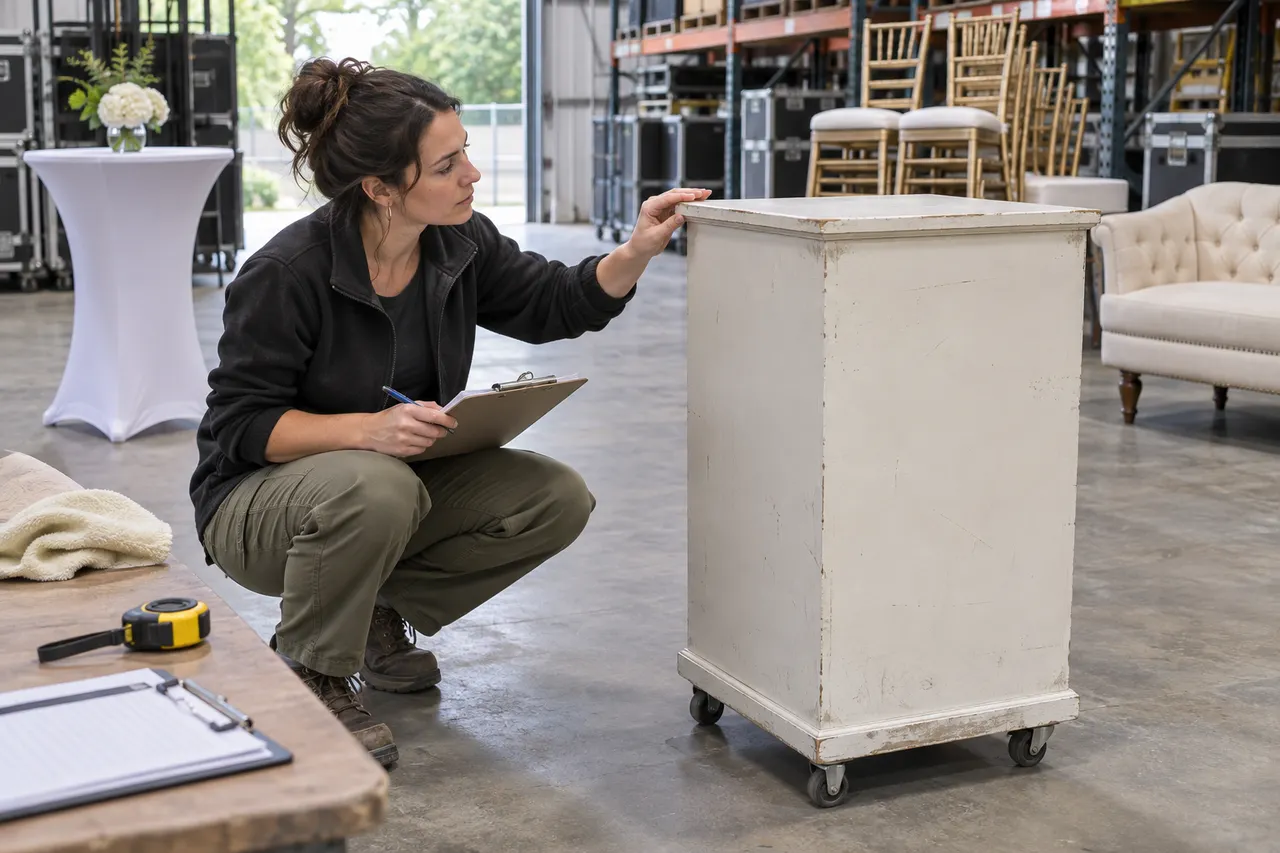
A party rental owner finds six used display pedestals and a listing that makes them look easy to deliver. A venue has asked for pedestals twice this spring. The next step looks obvious until the owner tries putting one in the van and discovers it does not fit upright with the existing chair carts. The venue liked it for a single show. It may or may not need the same pedestal again. A small purchase can still consume money, storage and staff time long after the first order.
Test a proposed party rental investment with a specific job and a defined amount of effort. The result you want is enough evidence to decide whether to buy the item, change the offer or leave it alone. Use ordinary measurements, a real packing and return sequence and a few customers with dates. Keep the plan simple enough to run before you commit.
Write a decision you can answer in a short test
Name the item, the first customers and the specific job. “Buy four suitable display pedestals for venue and exhibitor rentals, with delivery through the existing Saturday route” is a testable proposal. “Add décor inventory” is too wide. Write what attracts customers and why the operation can use the gear. Include the expected rental amount and the service included so you can compare the idea with the work it takes.
List the assumptions that might change the decision. The business may need customers who want two units rather than six. It may need a usable place to store the equipment and a way to pack it without buying another vehicle. It may need enough dates spread out over the season, and a straightforward inspection and touch-up process. Start with the conditions that cost the most if they are wrong.
Put a limit on the test. Choose the time to spend, the amount of sample gear to handle and the people who can approve real work. Decide what evidence would support the purchase. That might be a successful delivered trial, several requests for repeatable jobs and a quote that covers the work. Make the conditions specific enough to tell when you should investigate further. You can revise them as you learn, but keep track of why.
Check demand for the exact use and date
Ask the venues who mentioned pedestals what they used them for and what they actually rented. Find out the count, size, finish and access constraints. Ask which dates they expect to need similar equipment. A venue might remember the desire for a display but choose something else after seeing how guests need to move around the room. Use examples people can describe rather than collecting general enthusiasm.
Offer a basic description with the normal rate basis and service boundaries. Explain how you would confirm the date and which options need approval. If the business does not yet have gear to supply, label the inquiry as a request and confirm availability before accepting. Record customers with a real planned date and what alternatives they considered. If all interest comes from one event, decide whether a short supplier arrangement is a better match than owning several units.
Look at how the new order would reach you. A venue might refer the request from a floor plan. A shopper may search by intended use and not recognize the product name. Try describing the offer in the language they used. Ask whether a photo and dimensions answer the first question. Figure out how staff will know which demand is for the actual item versus interest in a photograph that features other furniture.
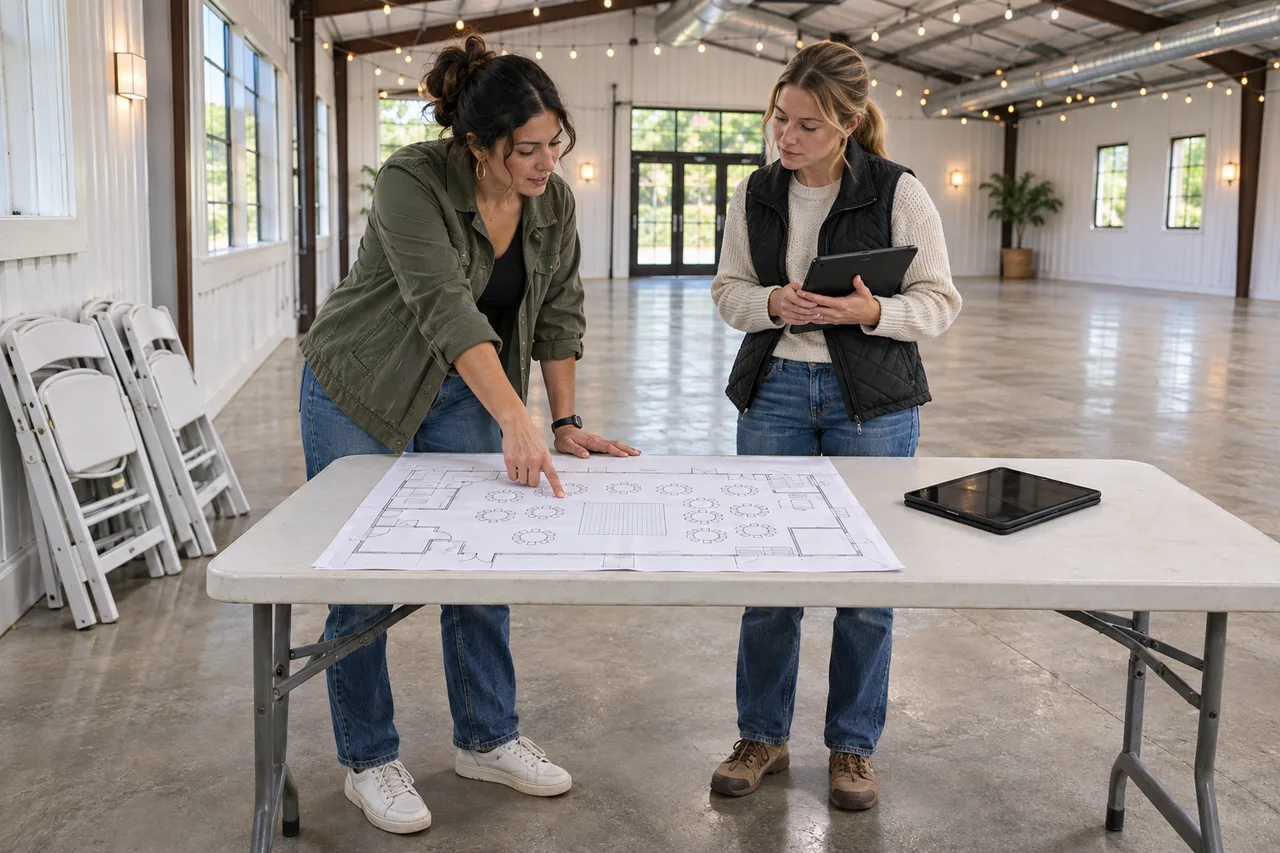
Get a real landed cost and time estimate
Collect the price of the item and the costs needed to get it into ready inventory. Include freight or pickup travel, packaging, cleanup or repair, any required replacement parts and the time to label and photograph it. Make choices around the actual condition of used equipment. If you cannot inspect it before purchase, identify what you can verify and how you would handle a defective unit. A low listing price can change substantially after transport and preparation.
Estimate normal costs per rental. Include time for staging, delivery, pickup, receiving and cleanup. Add protective material and recurring supplies. If you can deliver it on a route that already exists, measure the extra time and space required. Avoid counting a trip as free when the item uses space another profitable job needs. Record likely costs if a repair occurs or if the item must be replaced to fulfill a booking.
Use a simple example to make the arithmetic visible. Suppose two pedestals cost 320 ready to rent. A typical order with two units brings 160. Direct delivery and handling attributable to the order cost 70, leaving 90 toward ownership and overhead. Four comparable orders would produce 360 before other costs. If the business often takes only one unit or needs an additional trip, recalculate. Count realistic off-season demand and the time the equipment sits between orders. This is a planning illustration. Use the values from your actual quote and trial.
Measure the gear from storage to the venue
Use actual dimensions and the normal storage setup. Measure shelves, doorways and the vehicle loading area with safe space around the equipment. Determine how the item can be secured and which surface protects its finish. A unit that barely fits by itself may be impractical alongside folding chair carts or a dolly. Compare it with the freight and packaging you would take on a typical order.
Walk the staged route. Load or mock-load the item with the other pieces the business normally sends. Try a second version with the next booking packed too. At the venue, identify the route into the room and who should confirm access. Use manufacturer instructions and the business’s own procedures for lifting, secure transport and setup. If the work requires a second person or a different vehicle, revise the estimate before quoting the offer.
Bring the item back and assign it a location. Check if the shop has room for a return that needs cleaning before going back into storage. For dedicated shapes or finishes, decide how to keep the item from being damaged while waiting for the next order. Ask what the next shift will need to check before sending it out again. Return handling is part of the investment even though it does not appear in the vendor listing.

Rehearse a job using equipment you can already access
Look for a rental, showroom loan or approved supplier arrangement with terms that allow your trial. Make the supply and dates explicit before offering the job. If the intended item cannot be borrowed, use a comparable unit for the loading and placement test. Write down the differences in weight, dimensions and finish. A cardboard outline can help you estimate storage, but it cannot show how a real item handles at a venue.
Choose one ordinary job that fits your proposal. Use the same quote details, service window and return plan you would use on the next one. Record the observed setup time and how people handle the equipment. Ask the customer what they were planning to do with it and how they judge fit. On return, note damage, missing accessories and prep for its next outing. This is evidence about the item, the service and the match between them.
Rehearse a busy case before counting the job as repeatable. Put the same order on a Saturday when you already have scheduled work. Check how pickup or delivery affects the next stop and the return period. Try one plausible change, such as a tighter door window or an extra unit. See who can review the change and where the quote needs adjustment. Treat an unusual accommodation as a separate outcome so it does not hide the staffing requirement of the standard offer.
Inspect the candidate units against the promise you want to sell
If you can inspect the equipment, compare the actual units side by side. A set may include two different sizes or visibly different finishes that look identical in the seller’s photos. A display surface might have a worn edge in the same place customers will photograph. Check joints, fasteners, missing pieces and evidence of prior repairs using an appropriate inspection process. For items whose condition or installation requires special expertise, get a qualified review before relying on them. Write down which units you would offer together and which need work first.
Ask the supplier how the item is intended to be handled and what replacement parts or ordinary upkeep it requires. Check whether an accessory belongs to the equipment or must be purchased separately. If it arrives as individual components, identify who will assemble and verify it. Do a price comparison on the ready-to-rent set, including usable copies of any accessory needed for each unit. Do not compare the cost of an incomplete used item with a complete new one until you have accounted for the difference.
Try matching the actual unit to your product page or quote. Use the dimensions, condition and service you can provide. If a clean-looking item requires a long reset or cannot travel with the current cart, move those costs into the same offer. Check whether the customer accepts a comparable older unit or expects a close match to the photo. This can influence how quickly an existing rental can be replaced if one item gets damaged. Decide which differences need to be visible in the catalog.
Estimate how the item affects other orders
Put the proposed equipment into an ordinary plan for your storage, truck and crew. If the pedestal requires a dedicated storage slot, check what would move or become harder to access. Compare which assets are frequently picked around the same time. A larger job that pays well can still slow the rest of the shift if other carts have to move each time the equipment comes out. Count changes to handling space even if no new rent is involved.
Use a case where demand for the new item conflicts with a regular order. Suppose a venue requests two pedestals right during the main pickup route. Determine whether the new order adds contribution because the truck has room or displaces an existing booking. Check where the returns would overlap. If the schedules can coexist with a different collection time, see whether the customer would accept it before treating that as a solution. Put the resulting boundary in the offer instead of depending on exceptions at the last minute.
Recalculate using a quieter customer mix. A week where only one unit goes out, or where an extra trip is needed, can make the contribution considerably lower. Use the real outcomes to decide what set size and service is worth offering. Also consider whether the business would use the idle space and labor for another item. The value of waiting can be concrete when it leaves a truck window or storage bay for jobs you already handle well.
Estimate how much attention the new offer needs after it launches. Decide who will answer questions, check later price changes and track damage or replacement. A clear package with a short list of choices may be manageable for the existing team. If customers consistently need a redesign or site visit, include that preparation in the operating model. Small investments work better when the owner can point to the work behind the price.
Compare alternatives that require less upfront commitment
The choice might be to buy two units, keep sourcing the item when a customer asks or advertise an alternative the business already owns. Compare the same expected job under each version. A supplier may add fees and a second pickup, but keep the business from holding stock between occasional orders. Owning a small number can work if you can serve most requests and supplement them only when confirmed. Check what you can responsibly promise about condition and matching pieces.
Ask which option has the least friction for staff and customers. A two-unit offer may generate more useful inquiries if most events need one or two. A larger set might be essential for a venue that orders once each quarter and can book ahead. Look at quantities and dates supported by evidence. If you keep a sourced option, note who can verify supply, what lead time they need and whether a substitute can be approved by the customer.
Consider alternatives to buying the same thing. If the trial showed that customers needed a way to display items and did not care about an exact style, check whether a compatible shelf or table the shop owns can serve the job. Give each alternative an accurate description so customers know what they are getting. A tested option with a clear purpose can be more useful than buying inventory that people asked about only once.
Set a decision date and test the assumptions again
Give the test a deadline and review the evidence on that date. List inquiries with the relevant use and time, quotes you could prepare and the work you actually fulfilled. Compare estimated and observed costs. Inspect whether the business has room for the equipment, whether the crew can handle it and whether an ordinary booking pays for the way you would serve it. Put unresolved constraints in a list with an owner and time to verify.
Decide in terms of job and capacity. You could buy a defined number for a particular offer, change the service to pickup, keep a supplier route or decide to wait. State which outcome led to that choice. For example, three prospects who need the item on the same date could justify a sourced solution for that date while a few delivered jobs at different times might better support a small owned fleet. Keep a copy of the estimates and evidence for a future revisit.
Choose limits for the first version after purchase. Check the stock in, prepare it, photograph the actual units and create the booking rules the team tested. Set a review after the first few jobs. Monitor handling effort, expected return and whether customers understood what was included. If the order requires a change you did not plan for, update the process before accepting more work of the same kind.
Keep an exit plan even on a small purchase
Check whether the equipment can be used for another existing rental or resold if it earns less than expected. Avoid counting a future resale amount you have never verified. Consider how long it will occupy storage while you decide and what needs to happen if a unit becomes damaged. A simple exit plan helps the business compare a short test with a commitment that limits other jobs for the whole season.
Write a rule that prompts a later review. You might review after a number of months with ordinary demand or after a minimum number of comparable inquiries. If the offer is not covering the extra labor or tying up scarce space, examine whether changing the package resolves it. If few customers have the needed job, plan to keep it as a sourced option or retire it. Let staff know how to route inquiries after the change.
An investment can be small enough to test and still important enough to measure. Demonstrate the rental’s real job, use the actual cost and capacity, and decide what you will do if the next date brings different demand. That gives you a reason to buy the next unit or to keep the space for something the team can rent more reliably.