Make your rental offer easy for schools to approve
Build a school rental quote around the organizer’s approval schedule, equipment needs and confirmed venue handoff.
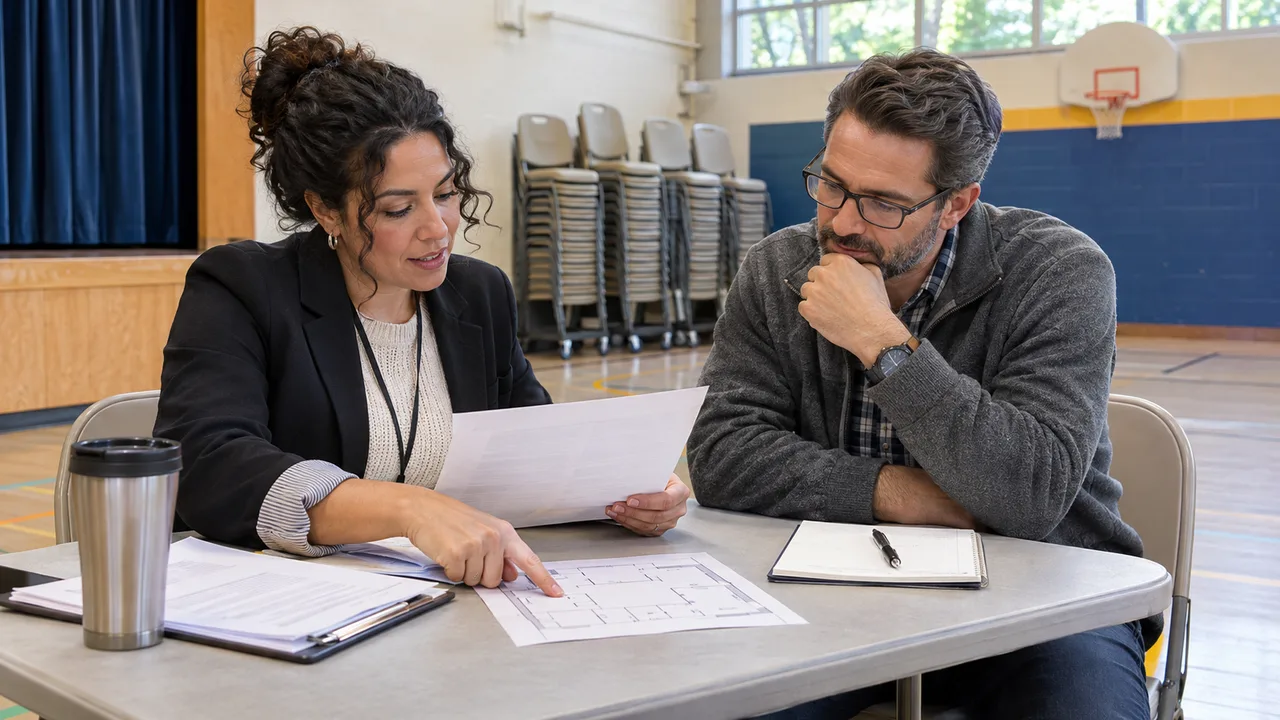
A school volunteer asks for tables for a spring fair. They know the date and the approximate count, but someone else signs off on spending and another person opens the building on Saturday. A useful rental offer helps each of them answer their part of the question. Give the organizer a quote that can be shared with the right people, clear site and service information, and a timeline that makes it possible to confirm the order before the equipment is needed.
Start by asking how that particular school or event group makes decisions. A parent group, school office and outside organizer may each work differently. Confirm who is arranging the event, who approves the amount and who controls venue access. Record the dates and contacts the school wants to use through its usual process. Use those facts to build an offer for the event rather than assuming every booking follows the same schedule.
Ask what the school needs to decide and when
Begin with the event name, dates, approximate attendance and intended use of the equipment. Ask where the items should go, when they must be ready and when the site can allow collection. A fair may need tables ready before vendors arrive, while a banquet could have a later receiving window. Confirm whether the school expects delivery and placement or will collect and arrange the pieces itself.
Find out when the organizer needs a quote and when someone expects to approve it. A person asking for prices now might need to bring an itemized quote to a committee meeting next Tuesday. The rental business may need a decision by the end of the week to commit stock and arrange delivery. Write down both times. If the schedules don't align, identify another available option or review the decision with the organizer before promising the equipment.
Ask which documents or references the school's normal process calls for. It might request a quote addressed to a particular office or a specific reference for payment. Let the organizer tell you what applies to the booking. If something needs to be reviewed by a different person, use the school-approved method for routing it. Record who is responsible for supplying or confirming it and when they can follow up.
Make the equipment and service easy to review
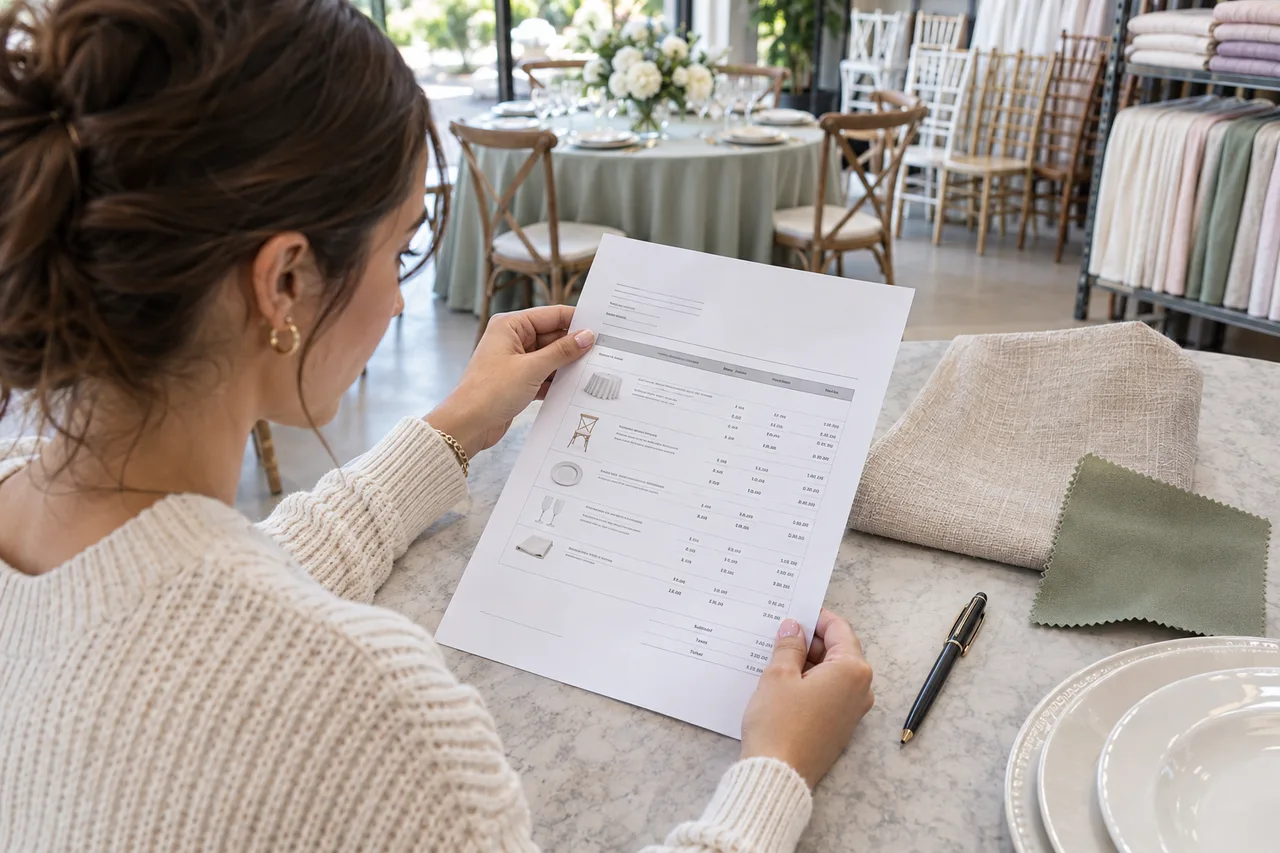
Group the offer using familiar names. A spring fair quote might show registration tables, vendor tables and seating. List quantities and sizes, with details that affect the layout. If the offer includes covers or carts, show what the customer will actually receive. Use one clear number for each approved quantity so the staff member who orders and the person who receives it can compare the same list.
Distinguish the equipment from the work. State where the crew will deliver, whether furniture placement is included and which organizer needs to be there. Describe the expected collection arrangement. If a package involves multiple rooms, specify which items go to each. Optional service can remain a clear choice with an explanation of what it includes. The school can then compare the proposal with the work its own event team can handle.
Give a practical option for a request that does not fit the original scope. An organizer might ask to move tables between a gym and an outdoor area. Check whether the rental company can support an agreed layout and schedule. If the path requires further review, describe that condition and identify who can confirm it. Keep the offer grounded in whatever the crew can actually do at the site.
Include the site details needed for a reliable handoff
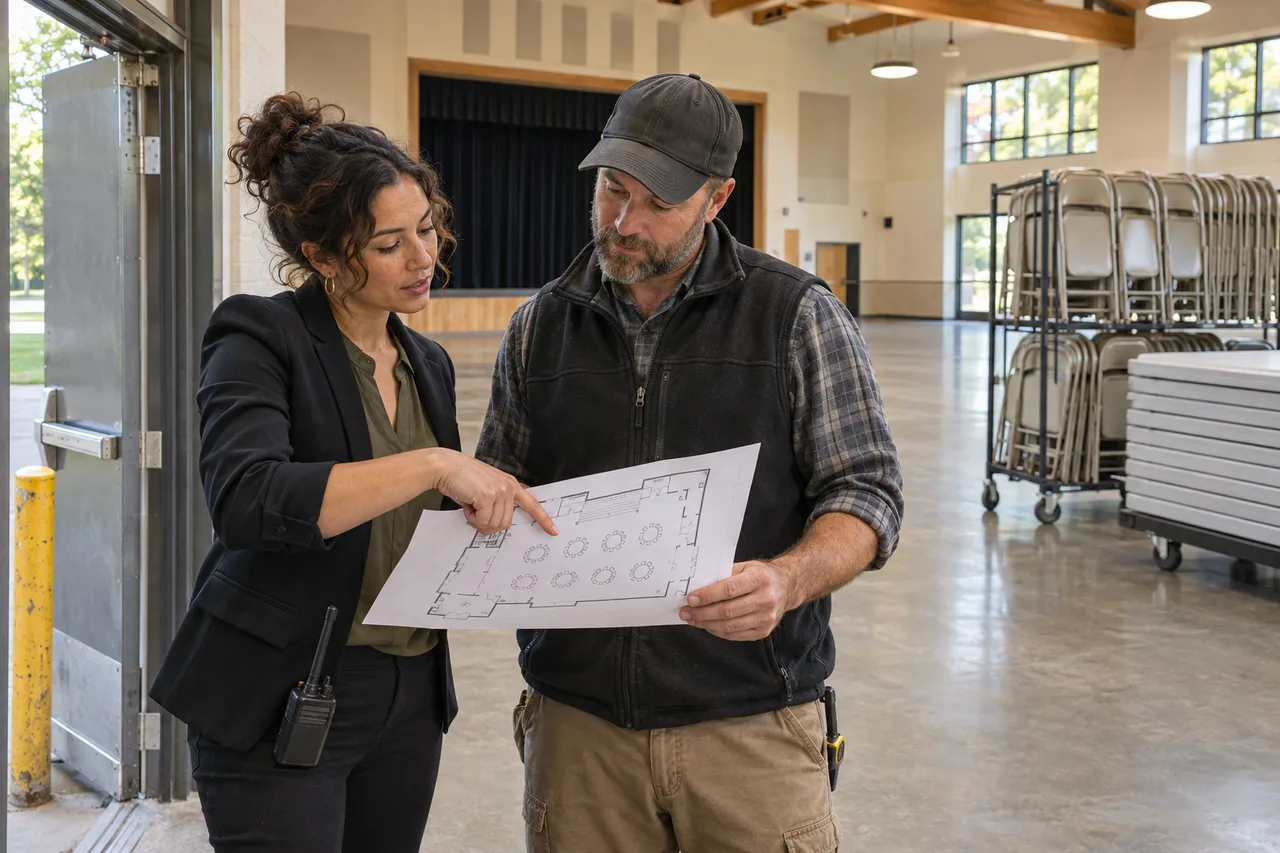
Confirm the service entrance, the time it can be used and who will receive the order. A building can have a public address and a delivery approach on separate sides. Ask about other activities that affect access at the agreed time. Use the school's confirmed arrival and staging instructions, including any normal procedures it asks visitors or vendors to follow. Give dispatch a person or role to contact about changes.
Walk through the steps from door to placement area with the people responsible for the venue. If a plan changes between an indoor space and a courtyard, check what those changes mean for the equipment, approved setup and collection. Record the accepted location and any contingent plan the school wants considered. Ask who makes the decision when conditions change and by what time your crew needs to know.
Describe the handoff in the quote where it affects the work. Include any site detail the organizer must confirm before the business can accept the order. A short call about access can prevent a late reorder of trucks and quantities. Give the school time to ask its own staff for an answer. Then pass the confirmed details to the crew before it starts preparing for the event.
Keep the approval and payment path visible
Show the price and accepted services in the format the school can use. Include which amounts are needed at which points according to the offer, along with the actual due dates. If the organizer is waiting for approval or a purchasing reference, ask where it will come from and when it is expected. Give the office a way to verify the required step before moving the order into fulfillment.
Use one current version of the quote. If the school changes the quantity after review, update the price and affected timing. Tell the organizer what changed and which version they should share. Verify the accepted result when the school responds. Another employee at the rental business should be able to find the current terms without reading every earlier message.
If some inventory will be held temporarily, give the school the quantities, dates and when the hold ends. Explain what confirmation is still needed under the actual process. A short hold can be useful when a decision date is known. If the approval timing slips, check availability and service before extending or reissuing the offer. Keep the event contact informed so the school can choose a workable next step.
Run a school fair booking from the first request to the return
Imagine a fair with eighteen tables for vendors, three for registration and sixty chairs for a seating area. The organizer wants them ready by nine on Saturday morning. The school office reviews spending on Tuesday, and the building contact can receive a truck between seven and eight that morning. The rental desk confirms the quantities, service access and the staffing needed to meet the deadline before setting the quote expiration.
The initial offer gives the layout groups with quantities and shows whether the rental crew is placing tables or leaving them in a designated area. The school asks to reduce registration tables to two and add four chairs. Sales confirms the new counts and updates the current quote. The warehouse should see the final list only after that version is accepted under the usual process. The crew can use an attached layout where it helps them place the furniture.
At delivery, the school receiver checks which items are for registration and points out the agreed staging area. If the event manager asks for an additional move, the crew contacts the right person before doing work that differs from the quote. At collection, the rental team verifies the expected counts and notes any exception on the order. The school can use the same reference for questions about the handoff or the agreed payment plan.
Give the school one summary it can forward
Include the approved date, equipment list, delivery and collection times, contact route and any action still pending. Put separate details where they belong for the people who need to check them. The office may care about the price and purchasing reference while the building contact needs the receiving time and setup. The organizer should be able to send the same summary without making up a different description for each group.
Check that any names and instructions shared with the crew are appropriate to the work. A receiving role can be more useful than a list of every volunteer. Let staff use the normal private order system for details that identify the customer. Give the site a reliable contact if the expected arrival changes. A clear plan can reduce the number of people each side has to notify while preserving the agreed responsibility.
Try sending a practice summary to a colleague acting as the venue contact. Ask them to identify who should open the door, when the first load arrives and where the furniture goes. Then ask a different colleague to use the quote to find the current price and what counts as acceptance. The results can show whether the organizer has enough information to move the order through the school's ordinary steps.
Prepare a next step for a plan that changes before the event
Ask who can approve a change in quantity, hours or location after the order is accepted. A volunteer may know that the fair will move indoors while the school has yet to confirm the new room. Have the rental office check the actual space, service and timing before committing to the change. Document the request and confirm what was accepted through the normal workflow. The original plan can stay visible until the school and rental desk agree on an updated one.
Set a practical cutoff for reviewing late changes. A revised count received Wednesday may be easy to handle, while one received after loading on Friday can affect another order. Tell the organizer when the company needs a decision and who will report back. If a last-minute change isn't possible, give an accurate alternative if one is available. The person preparing the equipment should have a clear list while the office handles the discussion.
Try a scenario where two rooms need the same items at different times. Confirm whether the school plans to move them, whether the rental company has agreed to that service, and when each room needs the equipment. An end-of-day plan for collection should still work when the furniture is in the final room. Give the warehouse and crew enough detail to understand what comes back and where to find it.
Set up a clean close after collection
When the equipment returns, compare the items with the accepted order. Note the actual counts and any approved additions that were made before delivery. Give the office a person to consult if parts arrived with another vehicle or still need to be picked up. Use the original order reference in any follow-up. That gives the school a clear way to identify the equipment and the service being discussed.
Finish any outstanding paperwork with the appropriate contact under the school's agreed process. If the office has an invoice or other approved summary, check that the actual items and service agree with the quote as revised. The organization may need its internal reference to match the document. Ask the person who handles it whether there are any open questions about the event. Record any agreed step rather than assuming all work ended when the truck left.
Review the event with the organizer when appropriate. Ask what made the approval or site work easy and what information could have arrived sooner. A scheduling issue can be useful to record before the next term. Keep the useful operational facts with the venue or booking history, such as the receiving time that was workable and the layout the school actually used. Verify those details again on a future order.
Plan a useful follow-up for the next school event
If the event is annual, ask when they expect to begin planning again and how they prefer to be contacted. Record that date and the kind of event the school described. A reminder six weeks before a typical committee decision can be more useful than reaching out during a rush to place the order. Confirm whether the event will use the same space and expected quantities before offering the prior arrangement.
Use an example from this booking to make the next quote simpler. If the organizer liked the room-by-room list, keep a blank version the team can reuse. If the approval office needed a specific reference before it could confirm the offer, make that a question at intake. If loading access changed because of another activity, note which role could verify it. The next customer conversation can start with better questions without assuming the same answers.
Keep the initial offer flexible enough that staff can support a different type of school event. A student performance may need a delivery window shaped by rehearsals, while a staff luncheon may only need furniture dropped at one room. Ask which requirements are known and which need a decision. Clear dates, service descriptions and contacts give each booking the appropriate level of review.
Keep a checklist the next person can use
Write down the facts needed for a school quote, who confirms availability, how the school accepts the current offer and what the warehouse needs for dispatch. Include a sample event with a delivery contact and a separate approval contact. Give the practice request to a coworker and see whether they can name the next action without looking through an unrelated email thread.
Review a second case with a quote that will expire before the school's expected decision. The employee should know who can confirm a different schedule, whether any stock is held and what can be offered if the first date fills. They should also know where to record a school-approved change in quantities and service. That combination makes the offer easier to approve and gives the rental team a plan it can honor.
After the first few bookings, check whether any requested documents or follow-up steps regularly slowed the order. Ask the person who handled them what could be captured earlier and what actually applies only to one school. Keep the reusable pieces straightforward and record unique requirements with their own event. That helps each school review a clear offer while giving the crew the right conditions for a reliable handoff.
Check the offer with the person who usually approves it
If the organizer shares what the approval team needs, build one practice quote in that format and read it from their perspective. Confirm the event date, spending amount, delivery scope and address without opening the warehouse instructions. Then ask the employee responsible for the job to read the corresponding work list. They should find the agreed quantities and access arrangement. Keep questions for the organizer in one short message so they can route each to the right person.
When changing a repeat offer, identify the parts the school already knows and the specific new decision. A change from warehouse pickup to scheduled delivery may need a new site confirmation and a different amount. A quote with those changes visible can move through the usual review without asking the school to reconstruct last year's plan. Save the new information with the accepted booking.
Record the approved contact and the date of the next site check when the order moves to dispatch. Have the opening crew locate both from its normal assignment. This lets the school reach someone who knows the order and helps a substitute driver confirm the correct entrance without reconstructing the approval conversation.