Build local rental demand beyond search
Develop local rental demand through venues, community events and referral partners with accurate rental offers and measurable follow-through.
A local rental shop has a full Saturday schedule in June and open pickup windows in the following week. A venue needs a reliable way to refer planners, and a neighborhood group is organizing a series of outdoor events. Build local demand by working with people who already know when those events are being planned. Give them a current offer and a way to check if the rental team can serve it.
Start with orders that delivered well in the area. Find out how customers heard about the business and which services they chose. Separate referrals from venues, repeat bookings, local event listings and community posts where you can identify the source. Review the dates and locations the shop could support. That gives you a way to match an introduction to available equipment and time instead of asking every potential partner to promote the same thing.
Identify the local decisions that happen before a customer searches
Think of a planner choosing a room, a school organizer checking a calendar or a neighbor deciding what can fit in their yard. Each may ask a person they trust before searching for individual rentals. Look at local venues, neighborhood organizations, recurring events and professional groups that already help people make those decisions. Choose a few whose work actually matches your products and service area.
Ask which questions they usually answer. A venue contact may need to know who can provide a certain quantity of furniture within its service windows. Another partner may want information about warehouse pickup for people who can transport the equipment. Give them a verified description of what is available and the process for confirming a date. Keep service details tied to the current offer rather than assuming every referral involves the same event.
Check whether the business can support the inquiries it hopes to receive. Make a list of the eligible areas, ordinary product sizes and dates with room for more work. For a smaller shop, a partner referring one or two well-matched orders a month may be easier to support than a large burst of messages about a sold-out date. Start with an offer an employee can confirm and fulfill through the regular process.
Make it easy for a local partner to describe the offer
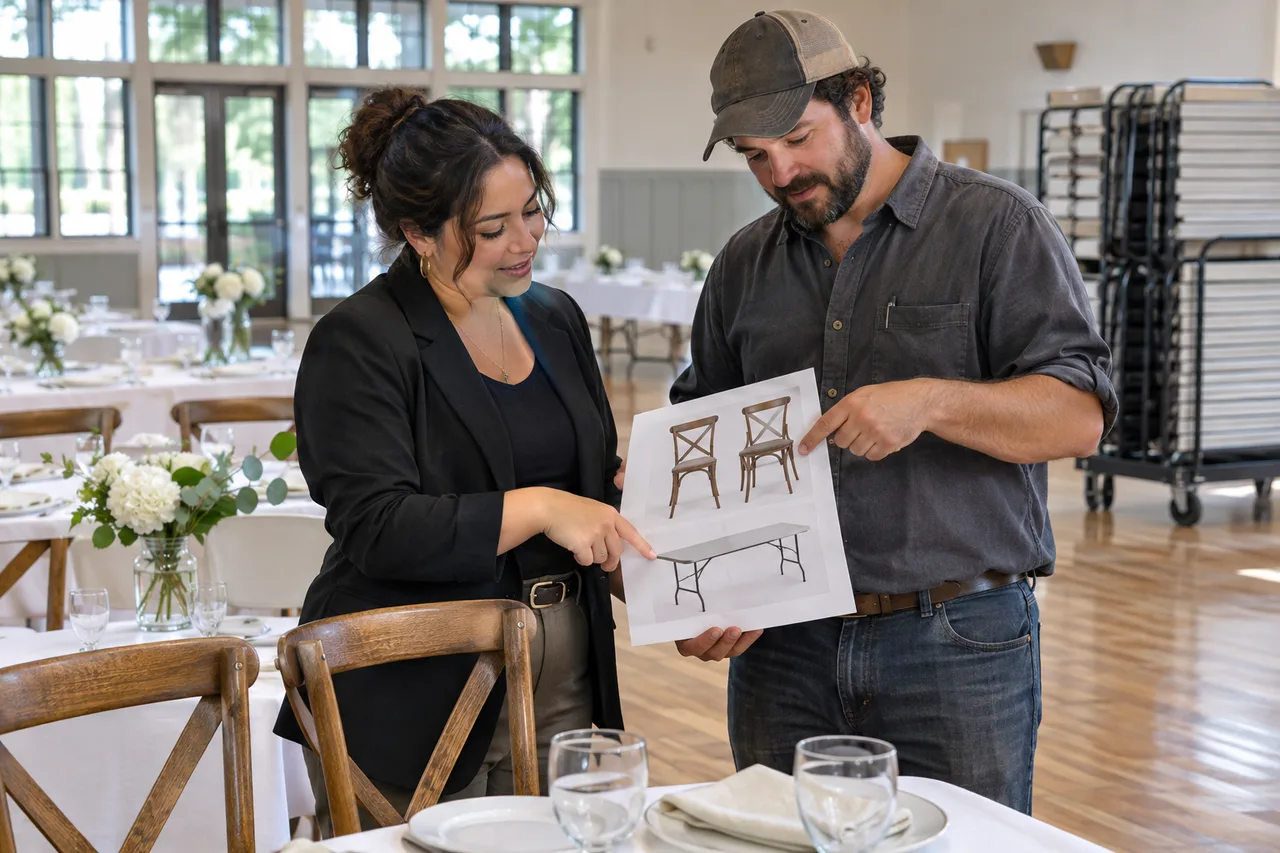
Write a short paragraph the partner can share or adapt. Include the product type, relevant service area or pickup location, and a direct route to see current availability or request a quote. Use an accurate photograph where it helps. For example, a warehouse may have round tables and folding chairs available for Friday pickup. Show what the arranged set includes and explain when delivery or layout services need a separate check.
Give the partner a stable destination. They may share your link in a welcome packet, an email or a neighborhood calendar long after the current offer ends. Use a page that still helps a reader understand your products and get a current answer. If you create a dated community offer, check how someone will reach the general collection when it ends. Ask the partner which kind of material is easiest for them to maintain.
Agree who answers the resulting inquiries. A venue employee should know which details the renter can ask you directly. Give them a simple contact method and avoid asking them to send private customer details unless that is authorized through the normal process. Use the introduction as context. The rental desk still needs to check quantities, dates and service for the new job.
Show up in the places customers already plan events
Look at local calendars and the groups that coordinate regular gatherings. A directory listing from an event association could help a planner find a useful contact, while a booth at a neighborhood fair can show people the actual scale of a rental. Choose the route that suits your offer and the time staff have to respond. Give potential renters enough information to plan a follow-up.
If a community channel permits local businesses to share a post, read the group's current rules and use the approved approach. Share an offer that fits the people who are there. A short note about available pickup windows, the items included and where to check the dates can be more useful than several identical announcements about the business. Keep a way to measure whether the people who reach you can be served.
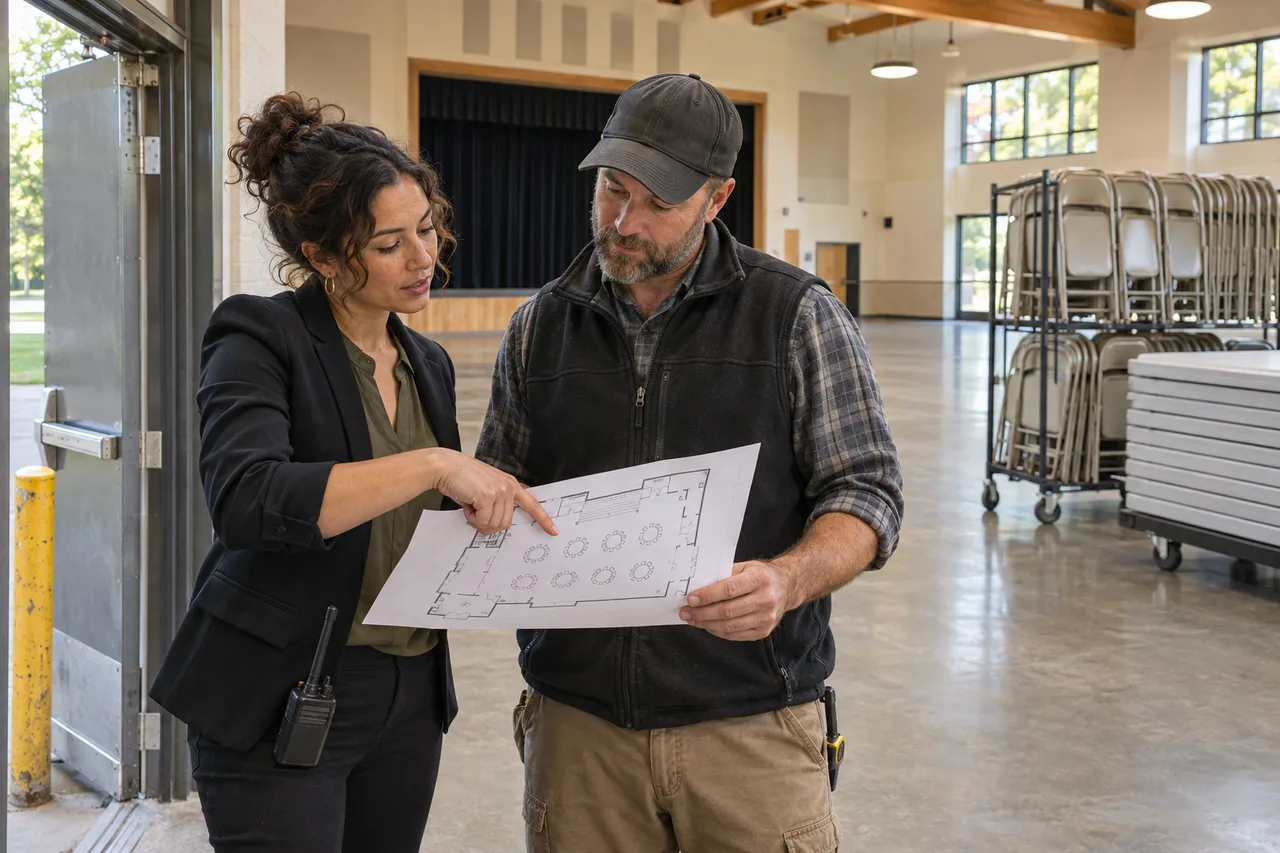
For a local event, use one small example a customer can recognize. A sample table layout can help someone understand the space and chair quantities. Ask who will take inquiries and how they will record the reason someone stopped. A short conversation at the right event can tell the business whether the products, dates or service match what people need. Keep the conversation useful before asking anyone to book.
Follow the local planning calendar
Ask a partner which months they set event dates and when they confirm vendors. A community hall might publish its open dates before planners decide on furniture, while a school group may wait for a committee. Record the useful planning point. Send current availability or a short setup example when it helps someone make a choice. A reminder from the last year is only useful if the new offer reflects this year's service and equipment.
Use the calendar to fill a real opening without overcommitting popular dates. If Saturday setup is nearly full, provide an offer around a day or pickup window the business can support. Check whether the partner's audience needs delivery or can collect items under the normal terms. Offer a specific next step with a link that opens the current product or request. People should be able to ask about a genuine option rather than finding a date the shop already knows it can't serve.
Review how someone can learn about the offer again later. In a multi-month partnership, a venue might share the same information for several events. Choose who confirms when details change and how you will update the handout or page. Give the office a place to check the current message alongside availability. A partner can make better introductions when the public information matches the work the shop will offer.
Try one venue and one community event before expanding
Imagine that a community hall regularly receives inquiries for table and chair packages. The rental business has enough matching equipment but only a few weekday delivery windows. The owner meets the hall coordinator to check which times usually work and gives them a link to a furniture collection. The note names the delivery area and explains how guests can ask about a date. The hall doesn't accept the order for the rental business.
In the same month, the shop participates in a neighborhood gathering. It shows one sample table and a small selection of chairs. The person staffing the booth answers questions about fit, pickup and indoor placement using the current catalog. Staff track which attendees want more information and follow the normal communication process for any contact. The booth has a specific purpose the shop can evaluate against actual requests.
At the end of the trial, the venue sends three qualified inquiries and two bookings. The community event leads to twelve conversations, three eligible inquiries and one pickup order. Compare the working time, types of jobs and service availability behind both results. One might be worth repeating the next time the hall opens a new date or the neighborhood hosts another event. Write down which conditions made the result feasible instead of treating the channel as a permanent answer.
Track the source in the same place as the next action
Give the person answering inquiries a small set of source labels. Examples include venue referral, recurring community event, organizer introduction and local listing. Capture the actual partner or event when known and useful. Leave the source unknown if the customer didn't say. This keeps the inquiry tied to the job without asking staff to investigate every new name.
Add the fields that tell you whether the conversation can become an order. Record the date, collection or delivery area, likely quantities and the next decision. A lead from a hall might need a confirmed access time. A person who met you at a local event might be waiting for a date to open. Give each request an owner and a time to check. A useful record helps both the marketing review and the employee preparing the next quote.
Compare the source when the order closes. See which referrals became completed work and why others did not fit. If a community post received many views but most inquiries were outside your area, change the message or choose a channel closer to the work. If a venue produced several well-matched requests but the partner used an old link, update the material. The data gives you a specific improvement to make.
Give each partnership one task you can repeat
A small venue may need a concise furniture list it can give to people after a tour. A school organizer may prefer a short description of what the rental team needs before making an estimate. A community center could use one set of chairs for a weekly program with a fixed return time. Develop a repeatable next step for one setting before adding more partners. The more precise the handout, the easier it is to find out what happened when people used it.
Write down how the offer reaches the customer. The venue may give the renter a web link, the association may include your business in its current vendor directory, or the event organizer may let you show equipment at a planning meeting. Confirm who sends or displays the information. Ask what timing helps their audience. Choose a shareable example that reflects the work you can deliver and doesn't rely on the partner to answer questions only the rental company can resolve.
Review what the business contributes to the relationship. It may provide a current photo, a short setup guide or a way to check pickup sizes. A partner may value a reliable person to contact when a venue date changes. Give them the right name or role and an appropriate backup. A clear process can be more valuable than a constant stream of promotions, especially when customers want to know whether an event is feasible.
Handle weak demand and excess demand with different changes
Suppose a venue link generates two inquiries during a month, both for jobs your team can serve. Before deciding to extend the effort, ask whether the people who received the information had events coming up and whether they could understand the offer. If the venue typically shares material at the next planning season, adjust your review date. If visitors use the link and repeatedly ask for a service the shop doesn't offer, make the description more specific.
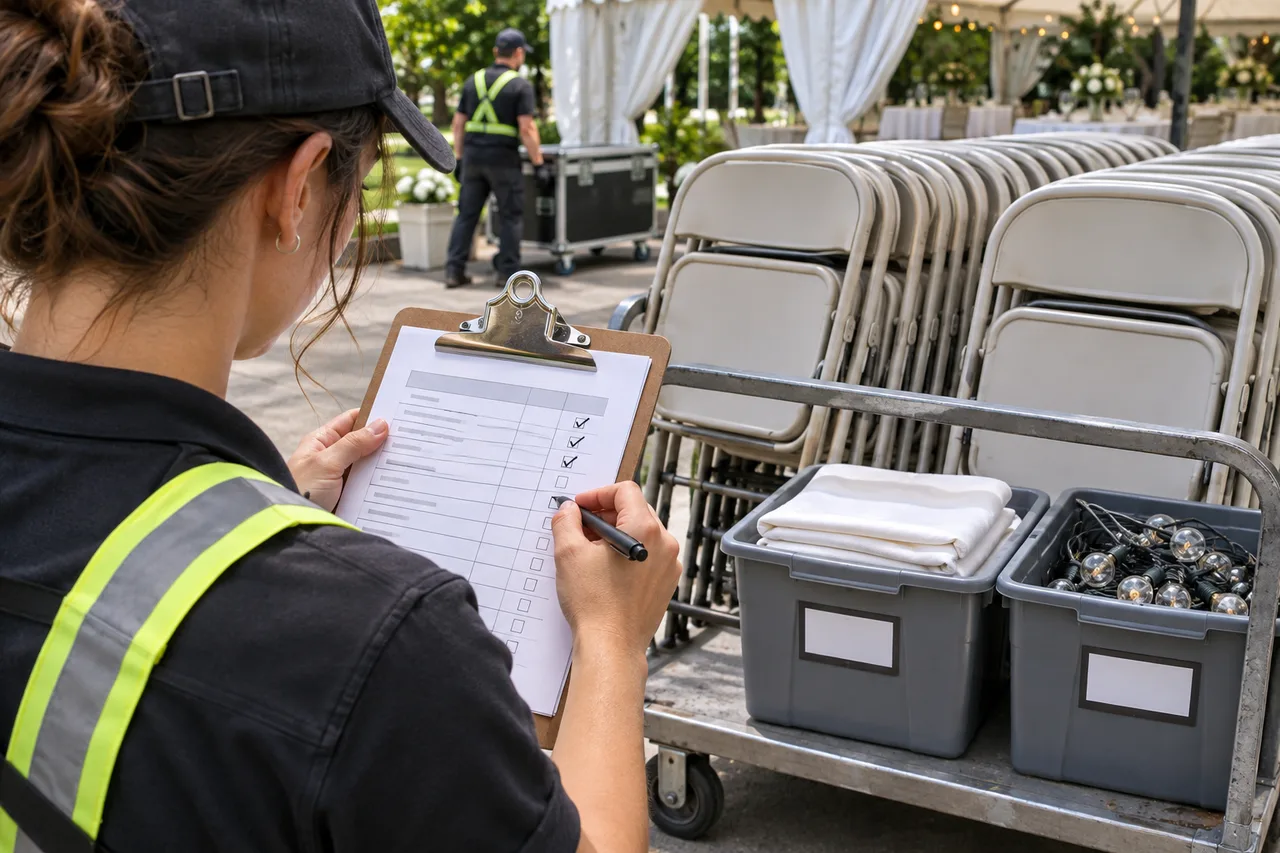
Now imagine receiving twenty inquiries for the same delivery window. Check how many you can actually serve and whether the remaining customers can use another service or date. Tell the partner what capacity changed and point new readers to the current options. Review what the office should say if someone asks about the earlier date. That lets the business handle legitimate local demand without treating every expression of interest as a booking opportunity.
Give staff one example of each situation. A fit may lead to a current quote. A request outside the service area can lead to an appropriate alternative when one is available. A clear inquiry that arrives before a venue date is confirmed may need a follow-up. Put the expected action in the same place staff track the source. The owner can see why a channel creates a certain kind of work and which adjustment to make next.
Measure the work the channel actually produces
Compare the hours spent preparing material, attending an event and responding to inquiries with the completed orders that followed. Include the equipment and crew work each booking required. A local partnership can produce valuable business even when it has little volume, such as a few confirmed orders for available dates. A community gathering can be useful for learning what people ask about even if no one books that day. Decide which outcome you are evaluating before changing the plan.
Track the lead time and common questions too. If a venue frequently introduces people who need short-notice rentals, check whether the shop can support those requests without disrupting existing work. If referrals lead to larger orders that require separate planning, build a realistic intake for those before adding another partner. Try one adjustment and compare the next group of bookings.
Share the most useful observation with the partner when appropriate and without discussing private orders. You can say which categories or pickup windows are often possible and when it helps to ask earlier. Keep the direction current enough for them to share. The relationship works when someone starts with the right expectation and the rental staff can confirm the work through normal channels.
Make the handout specific enough to use at a venue visit
Imagine a hall holds an open house six weeks before its fall availability opens. Visitors can ask about seating, but the venue won't confirm a date or an equipment request at the visit. Give the coordinator a small card with the entry points they can share. The first might show the chair and table collection with typical quantities for the room. The second might explain whether a customer can pick up from your warehouse and who supplies the vehicle. The third might point to a short inquiry that asks for the event date, guest count and venue name so your staff can check delivery. Give the coordinator one person to contact with a question before they circulate it.
Test the card with a venue employee during a walkthrough and ask them to describe the next step from memory. If they say “tables come with the room,” check which line led them there. Rewrite that line to say where guests can select and request chairs and tables. If they give the rental warehouse address as the venue address, put the labels beside the links so the difference is obvious. Let staff open one example on a phone and track whether the question reaches the right place. A handout is ready to share when the coordinator can explain the offer, a guest can make an appropriate inquiry, and the rental office can confirm the request through its normal process.
Build the next cycle from useful introductions
At the end of the initial period, pick one connection to follow through. Send only the promised information at the time it helps them. If the partner is planning events for the next quarter, refresh the current catalog link and give them an example of the setup you can deliver. If the partner is between seasons, record when to check again. Give the next employee the same context so the relationship isn't limited to one person.
Run through the resulting customer path one last time. Open the handout, go to the shared page, find the correct products and submit the kind of practice inquiry the business wants. Check whether staff have enough information to identify the source and confirm the dates. Then compare that with one completed local booking. Local demand grows more usefully when a partner can describe an accurate offer and the people receiving it can reach a real rental decision.