Plan an event rental business around your first venue partnerships
Plan first venue partnerships around real equipment needs, clear referrals, agreed delivery and a dependable receiving plan.
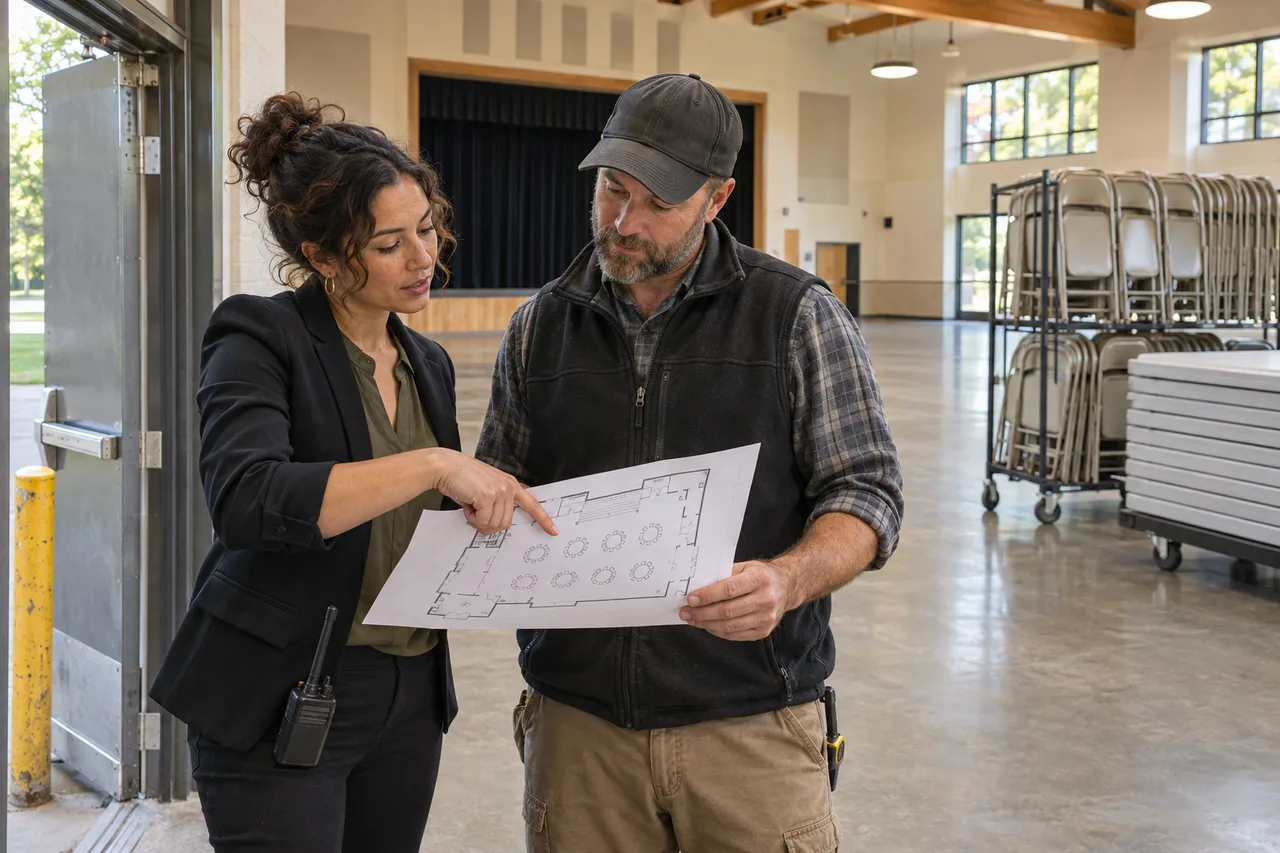
A venue coordinator likes a rental company’s furniture and wants to refer it to clients. The first job already raises practical questions. Can the truck use the service entrance before a meeting ends? Is the company dropping the furniture at the dock or placing it in the room? Does the planner approve changes, or does the venue handle them? A list of referrals will not answer those questions on delivery day.
Start venue partnerships with a narrow offer and a shared plan for the first few events. Learn which bookings the venue serves, verify the equipment and access conditions, and agree on who handles each decision. A useful relationship gives clients a dependable option and gives both teams a way to solve ordinary changes before they reach the loading bay.
Choose venues that match the work you can fulfill
List the kinds of events your operation can already handle. Include rough equipment quantities, setup capability, service area and the times your crew can deliver and collect. A small shop may be especially good at dinner packages with predictable access. It may have limited ability to move furniture between rooms during an event. Use those facts to choose a venue whose needs are a practical fit.
Find out what each venue already provides. It may own standard chairs and tables and need particular sizes, staging equipment or additional capacity for some dates. Another venue may rely on rentals for every event. Ask for a few representative bookings. The details can show how the rental company fits into a normal event day and whether a small initial offer is enough.
Check the schedule and geography. Two locations may be close by and both need delivery at nine. A single route slot can limit what you can offer even with enough stock. Look at weekday meetings, Saturday events and collection times. Choose partners for the combination the business can support. A referral helps only if the customer can find a real time and service that work.
Start with a small list of possible relationships. Look for venues whose personnel can identify the right contact, describe the space and review a practical plan. The first relationship is a chance to learn what questions your team should ask at every venue. It does not need every piece of the catalog or a large number of bookings on day one.
Ask how a normal event moves through the venue
Talk with the person who manages bookings and someone who receives equipment. Ask when the venue sets the room, where a supplier unloads and who can confirm access if the schedule changes. Walk the route with an approved staff member when possible. Give your crew a named entrance and receiving point they can recognize when they arrive.
Ask which services people tend to assume are included. A coordinator might expect rental companies to place chairs in the room. Your normal delivery may stop at a dock. Discuss what the venue needs on a few typical jobs. If you can provide different scopes, define each one. Describe who supplies the approved room plan, who moves chairs during an event and how the collection will work.
Find out what documentation the venue actually asks for. Use the venue’s current requirements and your normal verification process. Assign a person on each side to handle the documents and check them before the first job. Avoid keeping an outdated copy in an employee’s private inbox. The next coordinator should know how to locate the record and when it needs a fresh review.
Identify the points that require a decision from another person. A planner can choose the chair finish, the venue can approve the room arrangement, and the account holder may approve changes to the price. Write down the decision and the contact rather than assuming the person who sent the inquiry can confirm every detail.
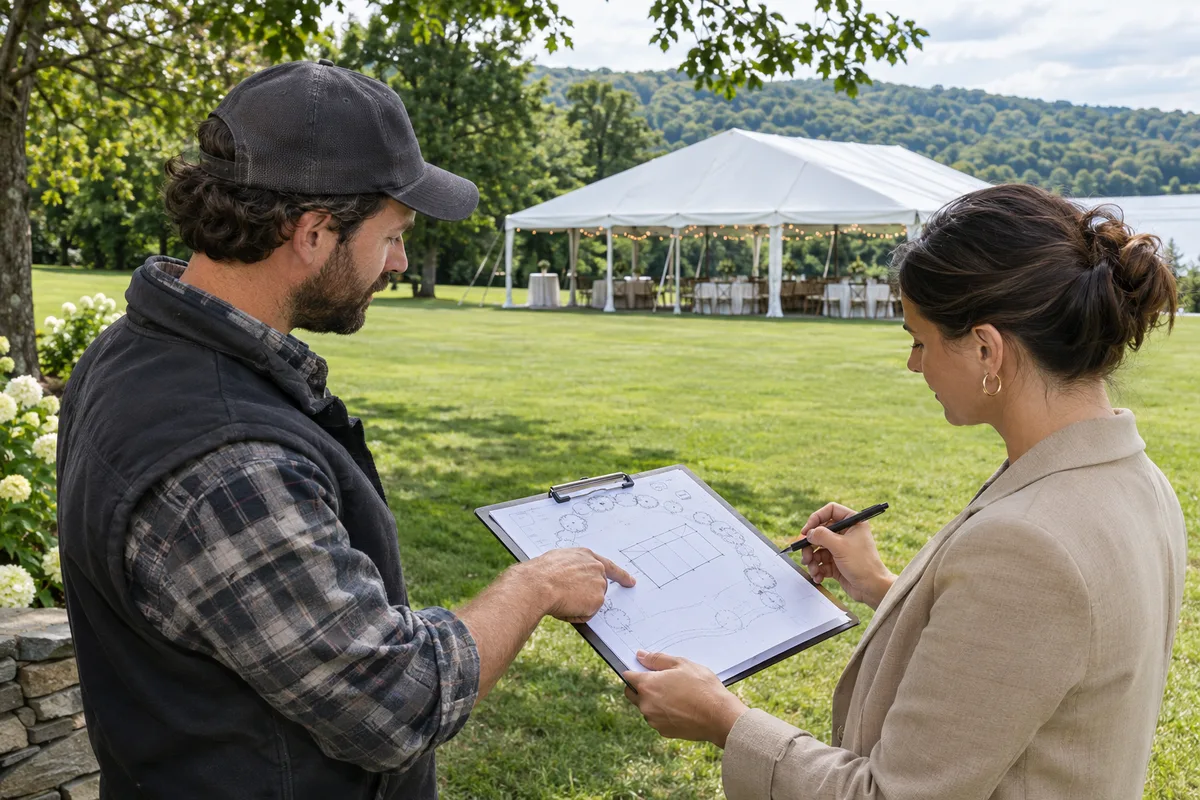
Create a small offer both teams can describe
Choose one or two services with clear equipment counts, dates and responsibilities. For example, a venue that owns banquet tables may need an extra set of chairs and two registration tables for larger shows. An introductory offer can cover the stock you can provide and the handoff you have checked. Give the venue a short description and a way to direct clients to the current price or quote process.
Be specific about what the venue can tell customers. It can share the names, size and scope of supported packages. It may need to refer the customer to you for date availability, a firm price or a revision. Give them a short example of the difference. Equipment that is listed in a venue guide may still be committed to another event on the date a client asks for.
Define the accepted arrangements in a short written reference. List where orders are reviewed, how the customer pays if applicable, who approves changes and how cancellations or adjustments are handled under the agreed terms. If referrals, repeat rate arrangements or reserved windows are contemplated, discuss them explicitly with the appropriate people. Use an accurate summary and document what each party agrees to do.
Review how the offer looks when a venue sends it to a client. A link or brief information sheet should show the current product and a useful way to ask for a quote. Keep the actual package and date details in the booking. The partner should be able to point clients to one source for the current offer without sending around several old price lists.
Give each event a sequence and a contact list
Map the flow from initial inquiry to final collection. The venue may introduce the client. The rental office verifies stock and service. The planner can provide the chosen items and layout. The receiving team confirms the dock and times. List the next person at each point. Give each a way to see what is already known and which decision is open.
Create a short site record. Include the service entrance, receiving contact, relevant access hours and how to confirm special instructions. Note which recurring information staff can reuse and which details need to be checked for every event. An elevator booking could change with the room schedule. The name of a particular dock may stay accurate for a long time.
Make the plan usable on the day. Put the delivery and collection windows, scope and on-site contact in the route and approved order where appropriate. A venue running multiple events needs a way to tell which load goes to which room. If the rental company is expected to place the equipment, it needs the version of the layout the venue and client approved.
Plan how to handle a late change. The receiving contact may need another entrance, or a room could remain occupied longer than expected. Decide who can check the new constraints and who needs to hear the result. Put changes that affect timing, scope or price back in the booking. Send a short update to the people who will act on the changed plan.

Walk through a first booking at a community hall
Suppose a community hall owns six rectangular tables and 30 chairs. A client is planning a seated dinner for 54 and needs two additional surfaces for food service. The venue knows its own equipment is available and approves a room layout using additional chairs and tables. The rental company checks the quantities and suggests a limited furniture package.
The venue has one service entrance and asks suppliers to arrive after another program ends at three. The rental office confirms a time for the driver and checks who will let them in. The planner pays for placement in the room under the agreed service. The quote shows which items the supplier will bring, where the crew will deliver them and who handles the furniture already on site.
On the morning of delivery, the venue wants to move the load to another entrance because the original program will run late. The receiving contact calls dispatch. The crew verifies which carts fit the approved route, and the office confirms the change with the planner if it affects their plans. The booking receives the updated entrance and the driver sees it before leaving.
After collection, the rental company and venue check how the handoff went. The furniture matched the layout, but the driver had to call to distinguish the rented chairs from the hall’s own. The next booking can use a clearly marked return group agreed with the receiving team. The partner relationship improves because both sides learned from a particular problem and can check the result next time.
Keep referrals, requests and accepted orders easy to distinguish
Agree how an introduction reaches the rental company. A venue can tell the client what kind of work the supplier handles and give them the current contact or inquiry page. With the appropriate information and agreement, the planner can share the venue, date and requested work. The renter should know who will contact them and which business will provide the quote.
Record the introduction as a request. Check stock, access and staff availability before confirming any specific service. If the venue supplied a typical room diagram, verify that it is the one the client plans to use. The quote should state which quantities the rental business will provide, which items the venue already offers and whether the client still needs to choose a setup or collection time.
Confirm who receives the quote and approves changes. Sometimes a venue orders equipment itself and the client pays the venue under a separate arrangement. In another job, the rental company works directly with the client and sends the venue only the information it needs to prepare. Use the actual agreement for each event and record it with the booking. The office should know whose approval and payment it is waiting for.
Keep the client’s accepted order easy to find when a referral continues through several conversations. A venue coordinator may need a working copy of the timing and scope without the full billing history. The supplier can give the people involved the information relevant to their roles through the agreed channels. After a revision, update the current booking and notify whoever has to act on it. A clear handoff prevents one party from acting on a version the other already replaced.
Give the venue a recovery plan for an ordinary problem
Start with the situations either team has seen before. A client may want more seats than originally approved, a venue employee might be unavailable at a scheduled dock arrival, or some items may remain in the room after collection starts. Write down who can decide what happens next. A plan should support the people at the site without turning every ordinary problem into an owner-to-owner call.
Walk through a simple access delay together. If the room is occupied when the truck is due, ask the venue who can confirm a new receiving time. The dispatcher checks the route consequences and tells the driver where to wait or when to arrive, according to the agreed arrangement. The planner needs the updated plan if it affects the event. Record any change to scope or cost before relying on it. The customer should know who will follow up and when.
Check collection with equal care. A venue may have its own chairs in the room alongside the rented ones. Agree on a place to group the rentals, a pickup contact and a way to record a partial count. The driver can check what actually came back and the venue knows which pieces are still waiting. If two events use the hall in one day, keep the remaining equipment marked until it is collected.
Try the recovery plan with a new staff member reading only the booking and site record. Have them find the current room, receiving contact and the person who can approve a change. Give the answer the venue wants them to use while they wait. If it is hard to find, put it beside the route or appointment. Revisit the same test if staff change or the venue rearranges its supplier entrance.
Ask both sides for feedback before putting the plan into the next booking. A short review can reveal whether the alternative contact actually answers during an event and whether the collection point remains available after the last guest leaves. Record the checks the teams can repeat. A good recovery plan lets both parties respond to a small delay while keeping the event and the next booking in view.
Review the first few bookings with both teams
Check what was referred, quoted and actually booked. Ask whether clients understood the handoff and whether the venue had the needed information. Look at setup time, route delays, changes and return condition. Compare the actual service with what the quote included. When something took longer, identify the step so the next estimate or schedule can reflect it.
Choose one change you can verify. If the driver often waits for a contact, update how the arrival is confirmed. If the venue gives customers an equipment list that conflicts with the quote, revise the shared reference and point people to the current offer. If a package requires extra warehouse work, review the price or limit before making it available to more clients.
Ask what each team can depend on. The venue may value a specific setup window. The rental company may need a clear cutoff for quantities or an available space to stage returns. Agree on the limits that make those commitments possible. A few standard conditions can make the first offers easier to repeat at the same venue and more useful for future partners.
Protect existing bookings when modifying the partnership. Keep the approved scope, prices and contact details available for current customers and update future offers separately. If one side changes coordinators, make sure the next person receives the site and booking references. A relationship that depends on two employees remembering every detail can get difficult when one of them is away.
Grow the relationship at the pace of reliable service
Decide whether bookings should continue as referrals, become scheduled packages or include a different service. Look at what customers actually used. If the venue regularly needs the same equipment, confirm its dates and any sharing with other customers before promising capacity. If the orders varied widely, a dependable quote review may remain the best way to support them.
Set a regular check for changes in contact, venue access and furniture. Schedule it around a new season or planned venue changes. Reconfirm the next events and note where the partner’s information should be updated. Ask whether any client questions could be answered more clearly in the shared offer. A good relationship can stay simple while the event mix changes.
Use the first partnership as a reference for the next one. Keep a short list of the questions that affected the work, the information you needed in the booking and the conditions that made delivery repeatable. Use those questions at a similar venue, then check its actual service needs. A venue partnership becomes valuable when it helps both sides give a client an offer they can fulfill together.