Validate a rental business with a small paid pilot
Test a rental business with a narrow paid offer, then measure customer demand and the full cost of completing each job.
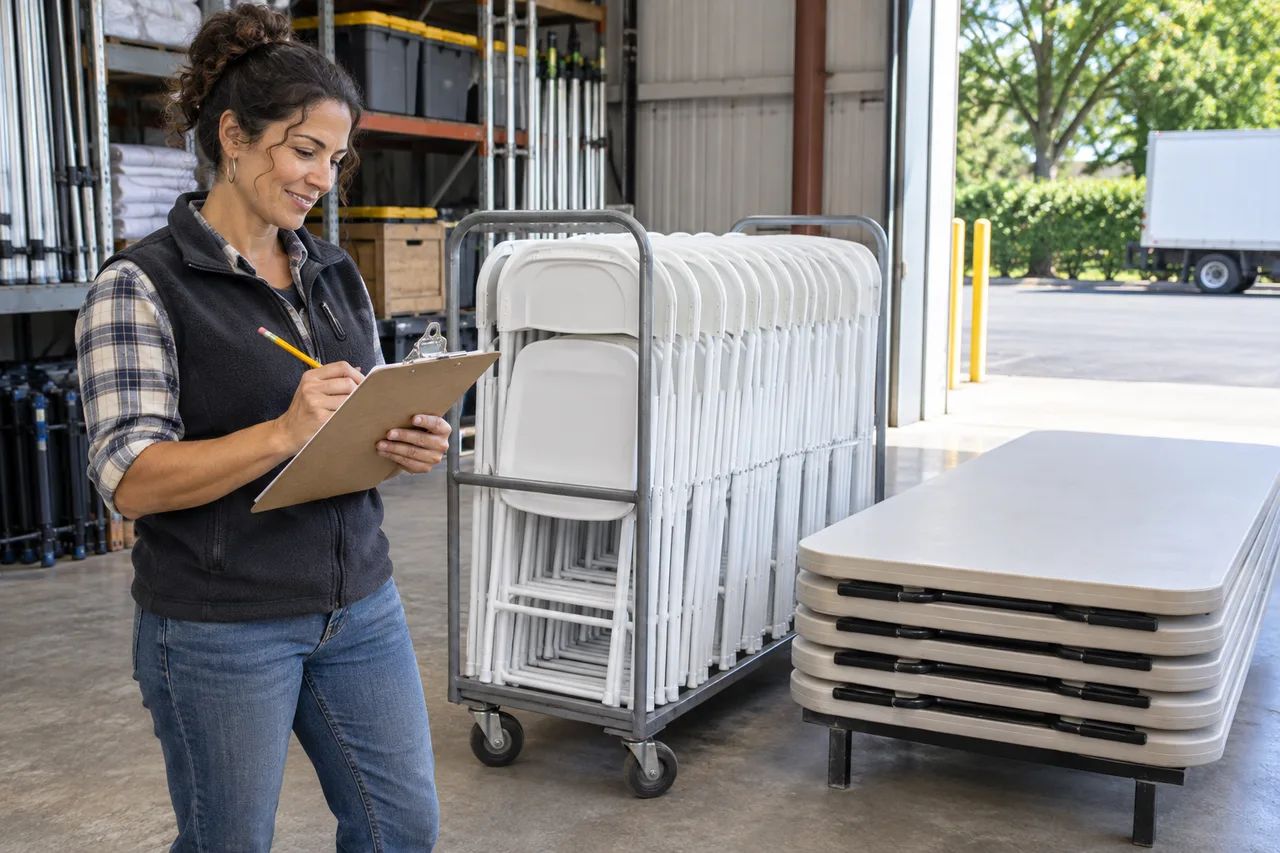
A new rental owner has a free weekend, storage for one cart and a few people who say they would rent furniture for a party. Buying several complete sets would make the catalog look more established. It would also turn untested interest into inventory that needs space, preparation and a way to reach customers.
A paid pilot can test one rental offer on a small number of bookings. Choose the work you can already support, show customers what it costs and follow each order through its return. The pilot gives you information about demand and the day-to-day work of fulfilling it before you commit to a larger operation.
Decide what question the pilot has to answer
Name the decision you want to make after the trial. It might be whether neighborhood backyard parties will book a chair-and-table package for pickup. It could be whether a few small venues will pay for a weekday display setup. A good question sets a boundary around the product, event, service and time. It gives you a way to recognize a useful answer.
Distinguish interest from an order you can serve. A person saying they like a chair is early evidence. A customer selecting a real date, approving a clear price and completing a booking gives you more to work with. Record both types of evidence where relevant. Several people can like the offer and be unable to collect the gear, which points to a handoff issue rather than a lack of interest in the product.
Ask what you can observe directly. A handful of completed rentals may tell you whether people can collect an item and whether the return check is workable. A longer test may be needed before you can compare different seasons or customer groups.
Choose a manageable period. A few comparable weekends or a defined run of weekday appointments can show how the plan works. If the product needs a particular season, note the conditions the pilot represents. Keep in mind which facts may change later, such as venue schedules or staff availability. Use early evidence to size the next test rather than treating one short period as a forecast.
Write the result that would justify another step. For example, you might want three completed paid pickups, a per-order contribution at or above your estimate, and no need for a second vehicle. Use numbers that reflect your own operation. Include a customer outcome, such as being able to find and return the equipment without asking about the basic process.
Build one offer you can explain and deliver
Choose one ordinary setup with a specific count and service. A package could include four tables and 24 chairs with Friday pickup and Sunday return at a named location. Add optional parts only if you can verify their stock and show what they change. A simple offer makes it easier to tell whether customers will use the product and which part needs improvement.
Describe the work customers need to do. State what they collect or receive, how they can verify fit, and what they need to arrange at the site. Include the current amount, available dates and the next step to book. If the operation can provide delivery only after checking the address and schedule, show that before the customer starts paying.
Confirm the supply behind the offer. You might use existing equipment, a permitted loan or an arrangement with a reliable supplier. Know which units you can actually offer, when they become available and who handles a change or damage. Do not sell dates that rely on equipment you have yet to confirm. A small number of orders you can fulfill is more useful than a larger number you cannot serve.
Give the office one place to record requests. Track the item, event date, service, quote and next action. A written request with its owner helps prevent two people from assuming the same equipment is still available. Decide which state means the customer has reserved it and make the same state visible in the confirmation.

Estimate the work and price before opening bookings
Walk the package through preparation, customer handoff and return. Check how long it takes to locate stock, move it into the staging area, count it and put it back after inspection. If delivery is part of the offer, review the actual route and the receiving arrangements as well. A quick rehearsal can reveal a cart, storage need or work step the initial budget did not include.
List the costs that change when you take an order. Rental or supplier fees, staff time, vehicle costs, packaging and direct cleaning supplies may matter. Keep the startup investment and regular overhead visible separately. Use estimates where necessary and record what needs to be checked. The pilot is a chance to measure actual work before setting prices for more bookings.
Try a simple sample calculation. A $130 pickup package might use $38 of preparation, handoff and return time, plus $12 of parts or other direct costs. That would leave $80 before fixed costs in this example. If the team needs a dedicated delivery, new costs and possibly a separate service price apply. Use the actual inputs for your trial and compare them with the job after it returns.
Set the maximum number of orders the business can fulfill and the total amount you are willing to spend on the test. List any additional resources it requires and how they will be supplied. Check what happens if one customer returns late. Keep enough capacity to handle a normal issue without making a promise for stock already committed.
Invite customers with an actual reason to use it
Choose a few places where people can find the offer. Existing customers who asked about the product, venues serving the appropriate event type, or a current storefront page may be useful. Explain what can be booked now and when. Use the channels and contacts your business can serve appropriately. A reliable reply can help the customer decide whether it fits their dates.
Ask what event they intend to use it for. Listen for the conditions that affect the offer, such as guest count, layout or a tight pickup time. Capture those details in the booking record so the next employee can verify them. If the customer would need a change the pilot cannot support, record the request and make an accurate offer only if it can be fulfilled.
Avoid assuming all interest came from the same place. One person may have followed a recommendation from a planner, while another arrived at a product listing after comparing options. If you can, record enough to recognize a useful source. A very small sample does not show that every customer from that source will book. It can still help you decide where to collect more evidence.
Give shoppers an easy way to accept or decline. Show the complete amount, current availability, included pieces and service. If a quote needs review, state when the business can reply. Count each real booking once even if the customer sent several messages. The next review needs accurate results, not a larger tally of conversations.
Follow the first paid booking all the way back
Choose one order to document more carefully. A customer needs four tables and 24 chairs for a family event. They select pickup, approve the price and receive the time and address. The warehouse prepares the four tables, counts the chairs and checks any agreed accessories. The employee meeting the customer can verify the equipment from the same booking.
At handoff, review what the customer needs to know to return the goods. Confirm the date, location and any pieces that are packed separately. Record the actual departure time if it will help evaluate the appointment. If the customer asks for a change, see where the normal process can handle it and record the revised amount or timing when appropriate.
At return, check the actual quantity and condition. Move equipment awaiting preparation to the right place before making it available again. Record how long the handoff took and how long the reset lasted. The final booking result includes the portion after revenue was received. A fair pilot accounts for the work required to get the item ready for another customer.
Compare what happened with the planned order. The customer might have collected in a suitable vehicle and returned on time. The warehouse could still have needed an extra trip to bring the gear forward. Ask which small change would help the next booking. A better cart position or clearer instruction can make the second order a more useful test than buying more stock right away.

Write a short test record while the events are fresh
Set up one row for each customer request and a small section for the work attached to the confirmed orders. Capture the requested date and quantity, the chosen service, the total that was offered, the status, and what happened. Keep notes on the reason a booking did not proceed when the customer provides it. One working record is enough. A good review uses the same information the office and warehouse saw at the time.
Write down the planned cost and actual cost for an accepted order. If an employee expected a ten-minute pickup and spent twenty minutes moving a second cart, include the observed time. A cost that happened on two out of three bookings may deserve attention before a larger trial. A cost caused by restarting the equipment count after a unique incident can still be recorded without assuming it will happen on every order.
Give the customer a way to report what was clear or unclear. Ask a simple question about the part you are testing. For a pickup pilot, you could ask whether the directions helped them find the warehouse and whether the pieces were easy to verify at return. Keep the response optional and record the pattern alongside the handoff. A positive reaction to the equipment and a complaint about the pickup window can point to different next steps.
Check the consistency of the small sample. Compare which packages got a complete offer, which were out of stock and whether each had enough time for the customer to decide. If you changed the title, price or return window midway through the test, note when it happened. That gives context for later orders. Even a few good records can make a next experiment more specific.
Do a closing check on each trial booking. The paid amount should match the accepted terms, returns should show any pieces still due and equipment that still needs inspection should be easy to find. A paid order is useful evidence about demand after you know whether the business can complete it. Use the same check on orders that needed an exception, since those often reveal work the original offer did not include.
Compare a second offer with a single deliberate change
If customers are interested and cannot use the first handoff, keep the core package and test one different service window or option. Suppose the first offer had Friday pickup only and several reachable customers needed a late Thursday collection. Check whether a Thursday shift and the available stock can serve those bookings. Quote the same product and note which new orders the changed window helped.
If the test was about price, keep service and scope stable while you evaluate a different offer. Document the amount and expected direct costs so both groups can be compared. Consider whether the new option gives customers something useful, like a simpler handoff or a different set size. Track whether they book and how work at pickup and return changes. Extra volume can still create an appointment or storage problem the business needs to solve.
A small test can compare a bundle and an individual option. A customer may want only chairs and already have a table. If the business can serve that order and price it clearly, offer it to a limited group of dates. Check whether the smaller order uses the same amount of employee time as the original package. The result can inform both the catalog and the pickup schedule.
Decide in advance when the comparison ends. If a real-world change interrupts it, record any bookings already accepted and what remains open. Move or preserve existing commitments only through your normal process. Use the review to choose a next step the crew can carry out with the equipment and time it has.
Check the results against the initial question
Review every qualified request and completed booking. Note what customers asked for, which offers were accepted and which could not be served. Look at the actual price and work involved. Compare those facts with the decision the pilot was supposed to support. If people wanted delivery and the pilot offered pickup only, you have learned something about the service choice without necessarily learning enough about the product.
Include costs you discovered after the first estimate. An extra trip, a second person at loading or a longer return count can change the contribution. Decide which events were unusual and which steps will recur. Record actual examples and use a range for work you cannot yet measure accurately. A new estimate should make the limits more visible.
Review feedback at the point it occurred. A customer might find the price clear and struggle to locate the pickup point. An employee might complete the route and need a separate list to identify returns. Use those observations to fix the parts of the process the business can change. A small correction can turn an early problem into a clear experiment for the next group.
Choose between running the same pilot, trying one change, or expanding the offer. If the staff can fulfill the package and similar customers keep asking for it, calculate what another set or window would require. If the main constraint remains unresolved, keep the scale small and test a solution. An orderly pilot gives the business a chance to see whether a problem came from demand or from the way the service was offered.
Keep the next test focused
Write a brief review with what was offered, the dates, orders completed, costs and what staff would change. Include one booking that went smoothly and one that needed a correction. When you test a new option later, you will be able to compare experience rather than relying on a general impression of the first weekends.
Keep existing commitments visible as the trial ends. A customer who already booked should receive the package and service agreed. Change the availability and public offer for future bookings separately. Confirm which equipment remains assigned and what a new customer can reserve. Give staff a reference for questions about the earlier terms.
Decide which operating practice to keep after the first trial. A good component list, a clear pickup message or a reliable inspection time can work for several types of rental. Build on the practices the team actually used. The evidence from a few paid orders can make the next catalog decision easier and help the business fulfill more work at a pace it can support.