Design a wardrobe rental operation around turnaround
Build wardrobe rental availability around actual returns, garment inspection, care, fitting and preparation for the next booking.
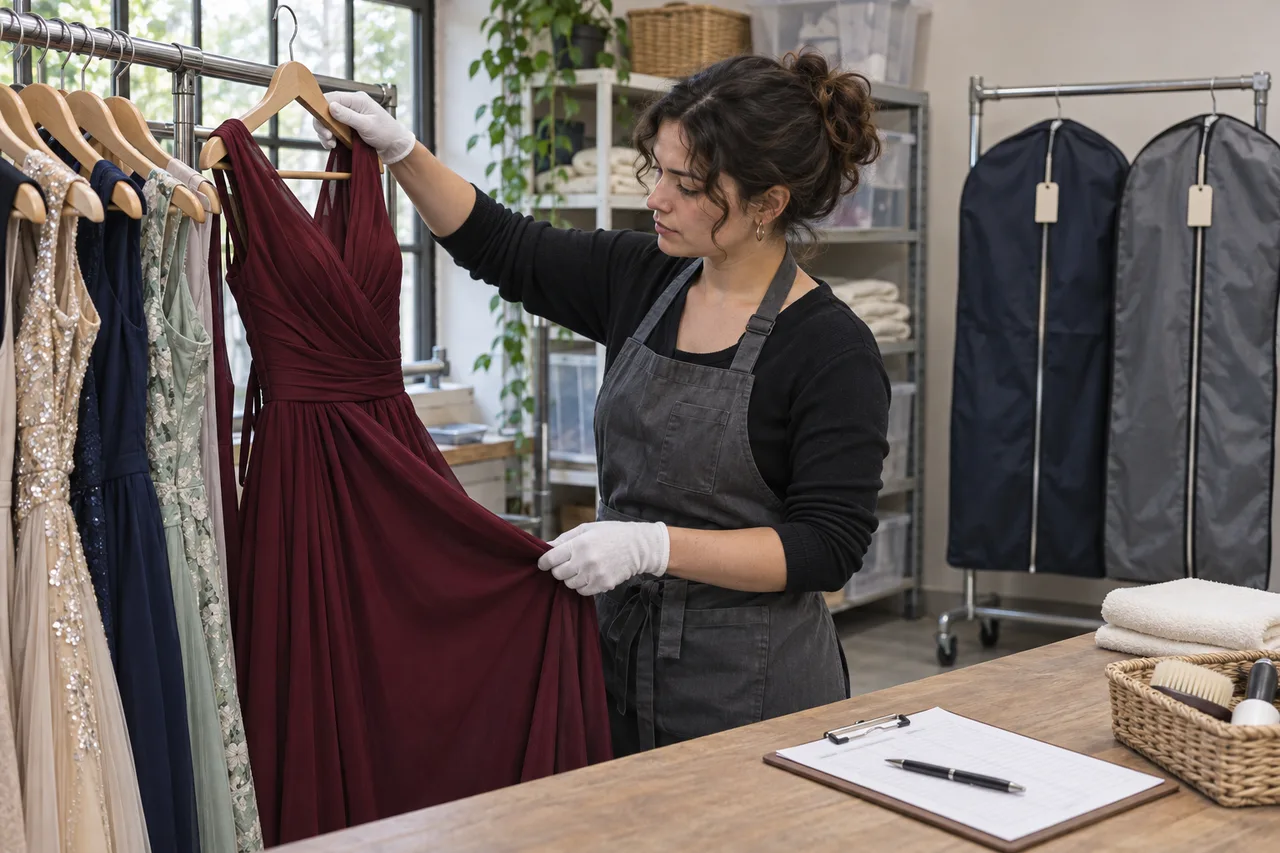
A dress returns on Monday morning. The next rental is scheduled for Tuesday afternoon. On the calendar, there seems to be time. At receiving, a worker finds that the garment bag came back separately and the dress needs a cleaning appointment before it can be inspected again. The next booking depends on several steps that were never included in the availability plan.
Design wardrobe rental around the time between physical return and the next ready garment. Track the exact piece and its condition, give each turnaround step a place and owner, and reserve appointments that allow the work to happen. The goal is a garment a customer can collect or receive in the expected condition on the date they booked.
Define a complete garment and its working status
Record the style, size and exact piece where identity matters. Two dresses may share a product name and have different condition histories or accessories. Connect the physical garment to the booking record so a future employee can verify which one is out. Include a hanger, bag, detachable belt or other piece only when it is part of the offer, with a count the worker can check at return.
Use statuses that describe what the garment can do. A piece can be at the customer’s event, in transit, physically received, awaiting inspection, at a cleaner, awaiting repair, or ready. Choose the stages your operation actually uses. Make the ready state meaningful. A garment hanging within sight of the counter still needs to pass the required checks before it is available for the next customer.
Record where each step takes place. A receiving rack can hold items that came back this morning. A separate area can show pieces ready for pickup. Use a temporary tag and booking reference when you send something to a service provider or move it between locations. The staff member answering an inquiry should know where to check and what must happen before the item is offered.
Decide how an exception appears. A returned item might have a missing bag, a loose detail or a condition that needs specialist review. Keep a place to record the observed facts, who is responsible and when a decision is expected. A date on the calendar should leave the issue visible to the person planning the next rental.
Work out the time the garment spends in each stage
Follow a few pieces from return through receiving, condition review, cleaning and preparation. Check how long each step takes, including time waiting for the next available person or provider. Look at prices and expected turnaround for the service the garment requires. Use the garment care information and the operation’s approved process. Follow the piece back to its assigned storage or next booking.
Measure variations by garment type. A standard garment may follow a predictable process. A delicate material, detailed trim or multipart outfit may require a different amount of time and care. Use actual records and the appropriate service requirements. A general turnaround estimate can be useful for an ordinary booking while some items need longer holds.
Include travel and handoffs. A garment sent to a cleaner might leave after batching on Tuesday and arrive back on Thursday. A customer return at another location might need time to get to the inspection station. Track that movement and the expected ready date separately. The business can plan a next booking from when the piece will be ready, with all the work in between accounted for.
Make room for common uncertainty. A customer may return late or a piece may arrive in condition that requires staff review. Give the normal turnaround a buffer suited to your records and fulfillment promises. Decide which orders need attention when that time is used. A schedule that leaves no time for an ordinary inspection will be difficult to keep during the busiest week.

Make the calendar reflect physical custody and preparation
Reserve the garment for the whole time it is unavailable. Include preparation before the customer collects it, the period they keep it, and the turnaround before it can be used again. If shipping is part of the offer, include the planned transit and receiving time. The customer needs clear pickup or delivery, use and return dates. Staff need to know when the piece can be safely allocated again.
Use actual availability for the exact style and size. A store might have two visually similar gowns and only one in the requested size. A second garment with a different condition history may still be suitable after review. Keep each identity connected to the right reservation. If a packed kit has an accessory shared with another offer, account for its actual period as well.
Set the release where a worker can verify it. A cleaner expected to return a garment on Thursday can update the forecast. The piece becomes ready after it comes back and staff complete the required check. Show both facts. A quote or confirmed appointment should reflect what your team can actually promise under its workflow. If a booking depends on the forecast, make the dependency visible and review it early.
Test a booking that ends near another one. Use a sample garment with one return date and a short turnaround before the next customer. Check the storefront or quote results at each stage. When a condition issue delays release, the office should see the affected booking and be able to act. A date checker is most useful when it reflects the time the garment needs.
Give the customer a return plan that helps the next booking
State the return time, place and list of included pieces in the confirmation. If the item comes with a bag or separate accessory, show which ones should come back. A customer can delegate return to someone who did not collect the order. Use a short list that helps that person find the right pieces and follow the agreed handoff.
Explain what the renter should do if they need more time or notice that something needs attention. Use the business’s contact and change process. The office should be able to check the date the next booking needs the garment before agreeing to an extension. Record the approved return time and update anyone waiting on the change.
Show which care and handling obligations belong to the customer. Follow your approved materials and garment instructions. For items the business sends for professional care, explain what the renter needs to do at return, including how to report an issue. A clear handoff makes it more likely the shop gets the garment and accessories in the condition and grouping it expects.
Keep the actual return record easy to check. Note the time, exact item and parts received. If a return arrives in more than one package or at another location, record that state before joining it to ready stock. Give the office a way to answer a customer’s question about what is still due. The next worker can then focus on the right garment and its required checks.

Walk through two bookings for one dress
Suppose a shop has one burgundy dress in a particular size. The first booking has Friday pickup and Monday morning return. A second customer wants to collect it Wednesday. Previous turnovers suggest there is time for receiving, cleaning and a ready check if the first garment comes back on schedule. Staff record the expected return and assigned inspection at the point of booking.
On Monday, the dress arrives and the matching belt is missing. The employee records which piece returned and asks about the belt using the agreed follow-up. They send the dress through its usual care process and check whether a verified matching belt exists for the Wednesday booking. The office sees that the complete offer is pending the accessory decision.
The original belt arrives that afternoon. The dress returns from cleaning by Tuesday, with time for the final review. A worker checks the piece and belt, records them together, and releases the booking for Wednesday. If the belt had not arrived, the office would need to propose a confirmed alternative early enough for the customer to decide. The second booking depends on having the complete garment ready by Wednesday.
After the two rentals, the manager checks why the belt came back separately. The customer’s copy listed the dress and bag, while the staff list showed the belt. Add it to both and give it a visible place in the bag. The next test can show whether those two small changes improve the actual return count.
Keep the service provider’s handoff visible
Make a list of the garments that leave for outside care. Give each item its identifier, any agreed instruction from the garment information, the date it left and the expected return. Confirm who receives the pieces and where the shop will collect them. Keep the list with the items and in the record used by the employee answering booking questions.
Compare the expected and actual return from the provider. A bag may contain several garments. Verify each piece and note whether a special item arrived in a separate group. Record a missed item before the next available time is changed. If the provider gives a new expected date, give the office the new information and identify any booking that needs review.
Confirm who can approve an unusual treatment or repair. A receiving worker may only need to record a loose detail and hold the garment in the right place. The next person can review the appropriate service and expected timing. Give them the observed condition and the intended date of the next rental. A useful handoff helps them choose which cases need immediate attention.
Keep a record of the last ready check. The worker receiving a garment back from service should confirm its identity, included accessories and condition against the expected offer. A clean garment may still need a count or approved replacement accessory. Mark the piece ready after those checks and put it where the next employee can find it. Update the booking forecast if the new time differs from the original plan.
Track performance from one complete cycle to the next. A provider may usually meet a promised time and be unavailable on a holiday or busy date. Check the schedule before assigning a garment to a tight follow-on booking. Keep the actual handoff and pickup times available for future planning. Use a confirmed alternative process if the regular arrangement cannot meet the expected date.
Plan fittings, shipping and changes in size requests
Give a fitting its own appointment and garment allocation where the operation needs it. A shopper may want to try two sizes on one afternoon. Decide which pieces are held and for how long, and account for any checks needed afterward. If the customer selects one garment and the other becomes available, record when it is ready to offer. Staff should see the current status of both pieces.
Make sizing information clear in the booking process. Use accurate measurements from the relevant garment and explain how the customer can ask about fit or arrange a try-on. If the business can offer a backup size, say what it means for cost, custody and return. Check the schedule for both pieces before confirming the arrangement. A backup garment can still be unavailable to another renter until it is returned and cleared.
When shipping is part of the offer, use the agreed delivery and return process and realistic travel time. Record the intended arrival, date of use and when the package needs to be sent back. The piece remains unavailable while it travels and while staff check it after receipt. If a package is delayed, give the scheduling team a way to see which next bookings could be affected.
Provide a separate record for more than one piece traveling together. For example, a customer could reserve a dress and a backup size in separate garment bags under the same booking. The return checklist names both pieces and any accessories. A parcel arriving with just the backup still gives the business a partial result. Staff can record what is present and what is still expected before planning the next booking.
Check a sample order in which the customer asks to change size after acceptance. Verify that the requested garment is ready for the dates and check the price and pickup or shipping choice. Keep the existing commitment visible until the new choice is approved. Update each garment’s status when the change is accepted. This makes it possible to explain what the renter should receive and prevents two pieces from remaining allocated by mistake.
Review the extra preparation these choices create. A fitting can be brief when the right pieces are ready and the sizing information helped the customer narrow their choices. An additional backup or shipping handoff can lengthen the time an outfit stays out. Choose which services are useful to offer and reserve enough time to complete the care they require.
Review delays and change one part of the turnaround
Track the cases where a garment missed its expected ready time. Look at physical return, time waiting for inspection, external service and the final check. Identify which part delayed the release. A late parcel and an item awaiting a decision on repairs can both affect availability, with different next steps. Record the facts while the people who handled the item can still explain them.
Compare completed turnarounds using the time the item entered receiving and the time it became ready. Keep exceptions visible alongside the normal range. A late courier return describes a different staffing issue from a full workbench with everyone present. Sample both on a quiet day and during an event rush. Review the sequence with the people who do the work, then choose the one stage you can change. If a worker occasionally completes a return much faster, check whether the same steps were performed before using that time in the schedule. A credible estimate comes from the actual ready check.
Check whether the calendar rule fits the garment family. If part of the collection consistently needs an extra day, adjust its availability rather than asking the team to finish sooner. If there is repeated idle time waiting for an available staff member, try another inspection shift or change the pickup windows. Verify what happens during a busy period before assuming the new schedule works.
Use a backup offer when appropriate. A similar item may suit a customer if its size, condition and scope fit, and the customer approves it. Keep the revised choice and accepted terms with the booking. Record the original issue so the team can improve the process for the next order. A substitution works when the customer can make an informed choice in time.
Review the next several bookings after any change. Check that customers received the expected item, staff could find the pieces and the garment was cleared before the next rental. Use those observations when adding another style or location. A wardrobe catalog is reliable when its availability describes the work the business can actually complete between events.