Help dress renters choose a fit with confidence
Help dress renters compare actual garment measurements and choose fittings, backup sizes or exchanges that fit their event dates.
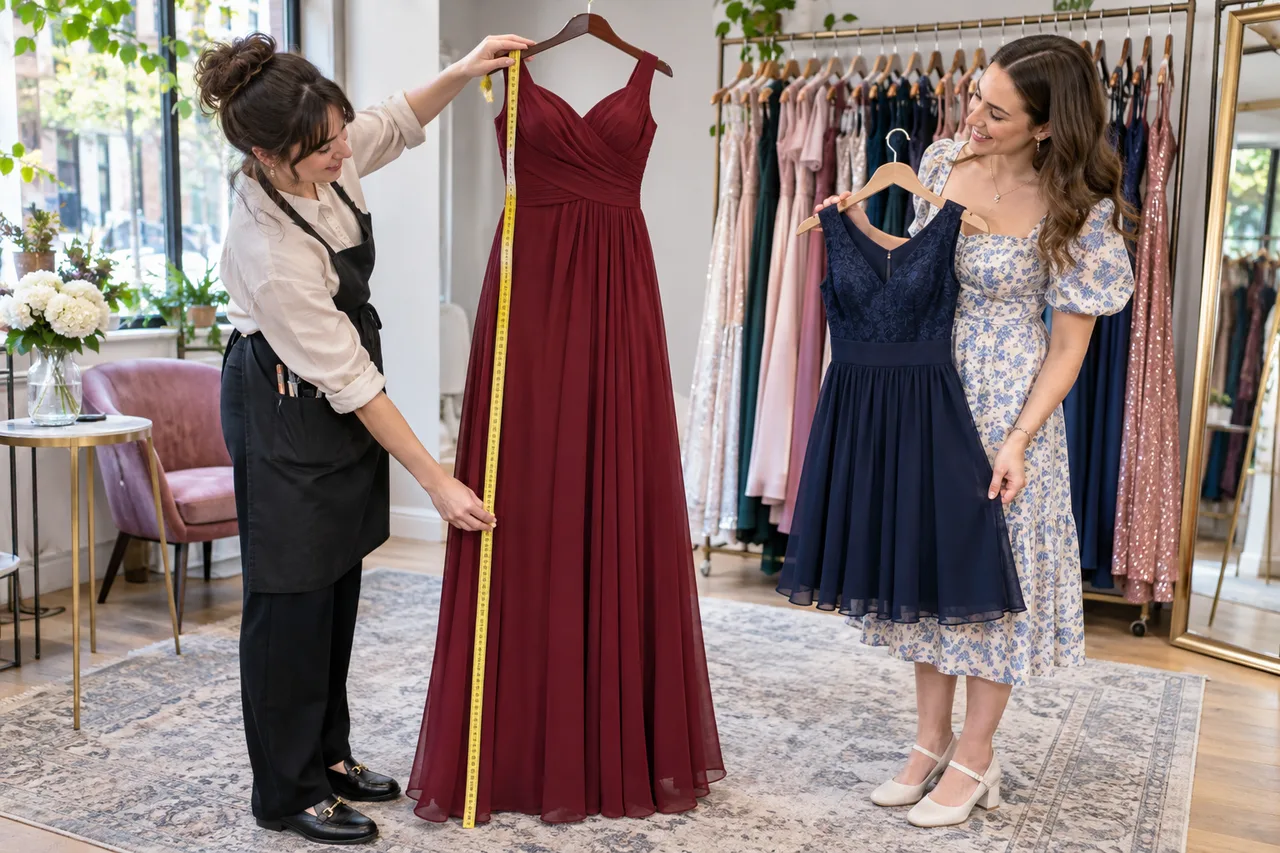
A renter finds a dress they like, chooses the size they normally buy and schedules delivery two days before the event. When it arrives, the listed size makes sense, but the dress is too long for the shoes they planned to wear. The product page showed a clear size label. The renter needed information about one exact garment and the time to act on it.
Helping someone choose a dress starts with giving them accurate measurements, describing how the style fits and showing what options are available if they are uncertain. Bring those details into the booking early enough to make a fitting, backup size or alternate garment a real choice.
Choose measurements that help the customer make a decision
Measure the actual item you offer, using a consistent process suited to the garment. A waist, hip or bust measurement may help with one style. Overall length, sleeve opening or the position of a fitted seam may matter more to a different renter. Review the cut and design and choose the points customers need to compare. Keep the raw notes so staff know how an amount was measured.
State whether you are showing garment measurements, the maker’s suggested body measurements or a size label. They answer different questions. A finished garment measurement describes the piece itself. A size guide may describe the customer’s approximate measurements and the intended fit. Tell the renter which reference they are reading and what unit it uses. Avoid moving between measurement methods without labeling the difference.
Give a simple explanation of how a customer can use the information. They may compare a measured garment with something they already own, or consult the maker’s instructions for their size guide. Describe the reference position if it affects a decision. A length measured from the shoulder is different from one measured from a waist seam. A clear description helps people compare the right information.
Update measurements when an exact piece changes. A repaired hem or replacement from another production run can affect what the renter receives. Check the item record and relabel a measurement if you change the process. A person picking the order should know which physical item matches the listing and which information has been verified.
Describe the style with photographs and useful words
Use photos that show the silhouette and key fit points of the actual style. Include a clear front and back. Show details such as a fastening, strap adjustment or relevant seam if they affect a choice. Make the image description useful to a reader who cannot see the image. A close view of the closure can help the renter understand how a measurement relates to the garment.
Describe the intended shape in ordinary language. A fitted waist, straighter skirt or adjustable strap may matter to a person choosing between two items. Use the garment’s information and your fitting experience. Be precise about what can be adjusted and who adjusts it. If certain changes are never allowed on a rental piece, state the business’s handling terms at the point someone might consider them.
Show color and finish accurately where possible. Lighting can affect the look of a fabric. Provide a useful reference and note an important difference a renter should check at a fitting. If photos show a sample in one size or condition, make sure the item description describes the version the customer can reserve. Staff can answer a question about a particular piece from its actual record.
Keep garment and model information separate. If you include details about a photographed look or styling, explain which accessories or shoes are part of the rental. A customer may want to know whether the length suits their own shoes. Include the garment length and what was measured. The visual reference can show an example without having to stand in for the measurement.
Give shoppers a way to ask a focused fit question
Invite the customer to say which garment and fit detail they are unsure about. A person may know the size they normally wear and be unsure about length, sleeves or the closure. The office can use that information to describe the exact piece or suggest an available alternative. Collect measurements only when they are useful for the question and through an appropriate channel.
Ask about the use and timing relevant to the fit. A customer might need to sit for a long dinner, use stairs at a venue or wear shoes with a particular height. They may be able to visit a fitting or have only a short delivery window. Use the facts that help them choose a garment. Keep personal notes access-limited and relevant to the booking.
Give a concrete next step. Staff may confirm a measured length, provide the usual fit information from the maker or offer an appointment. If two sizes look plausible, check which ones are available for the intended dates before recommending either. When a choice depends on a fitting, tell the customer when the booking can be confirmed.
Keep the record useful for the next employee. A note can say which garments the renter is considering, what they need to verify and when they need the answer. Avoid entering an assumed size as if it was the customer’s confirmed choice. A clear handoff gives the customer consistent information if they return later or speak with someone else.
Offer a fitting when it can resolve a real question
Set up the appointment so the relevant pieces are available and ready. Confirm which styles and sizes the customer plans to try and when they need the eventual rental. Reserve the fitting time and any equipment the appointment actually uses. If an item is booked on the event dates, offer another option before presenting it as a practical fitting choice.
Give the person receiving the customer a short record of what the fitting needs to resolve. They may need to compare the length of two styles or show how a closure works. Use available garment details and the appropriate fit information. Record the customer’s choice and any pending decision separately. They should know which piece is held and what they must do to reserve it.
Check what happens after the appointment. Release unneeded pieces when they pass the required checks. Update the booking for the exact garment the customer selects. If the intended dates change, check the garment’s availability again. A successful fitting should end with a working booking or a clear next step, with the right item and timing visible to both teams.
Consider remote options where the operation supports them. Customers may be able to use accurate measurements or ask a question before shipping. Give them precise delivery and return timing. If the order arrives close to the event, identify what choices the shop can realistically offer after delivery. Be specific about the support the customer can expect.

Walk through a customer choosing between two styles
A customer needs a dress for a Saturday dinner. They find a long style and a shorter one in the same listed size. The long style measures from the shoulder and the shorter one lists from the natural waist. The customer asks about the length with their planned shoes. The employee clarifies the reference points and checks the exact lengths on both pieces so the customer can compare them.
The customer can visit on Thursday. The shop checks that both items are ready for the fitting and can be reserved for the event if chosen. The worker prepares the two garments and asks what the renter needs to decide. The customer chooses the shorter style after trying it. The booking shows the exact item and size, the pickup and return dates, and any agreed accessories.
If the shorter style had already been reserved, the staff member could find a similar available piece or explain which dates would work. If the customer could not attend a fitting, the employee could provide the most useful measurement and discuss whether an available backup option could arrive in time. Each answer depends on what the shop can confirm before the event.
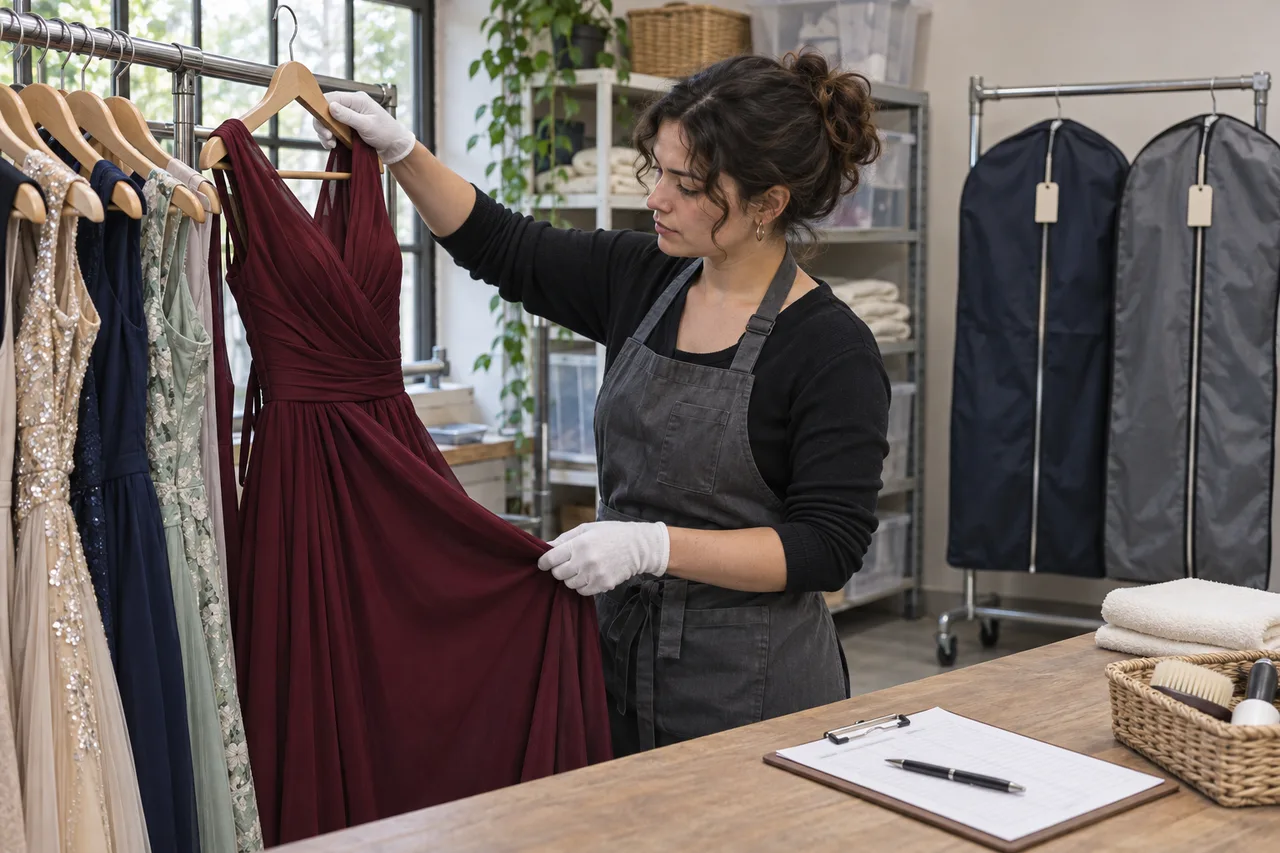
After acceptance, the warehouse prepares the selected item and verifies that the tag, measurements and included pieces match the order. The customer receives a confirmation with the agreed amount and schedule. When the dress returns, the worker checks it and updates readiness. The next shopper can make a fit choice using the same accurate item record.
Make a backup or exchange option clear before booking
Decide what the business can support. A backup size or timely exchange may be practical for some dates and locations. It requires another ready item, a clear custody period and a way to record what still needs return. Show which sizes are available and how much the service costs, if applicable. Clarify whether the backup travels with the first garment or stays at the shop pending review.
Use plain terms for an exchange after the customer receives a garment. Tell them when to contact the shop and what choices may be possible before the event. If a replacement requires different scheduling, verify the timing and let the customer approve any change in service or price. Keep their original booking and the updated plan available. An exchange can affect both the customer and the next person waiting on either garment.
Tie the options to an accurate calendar. A backup piece held for one customer is not freely available to another. Confirm when the customer needs to decide, when the item is released and whether it needs a check after being tried on. The customer can still receive a simple confirmation while the warehouse tracks each piece separately.
Rehearse a return with two pieces. The customer brings back one bag in the morning and sends the other later. The worker records the actual item and time, and the office sees what is still due. If the second piece is needed for a later event, give the scheduling team that fact. Backup and exchange options are useful when the business can handle their return as reliably as their delivery.
Teach the team to record garment measurements consistently
Choose a reference process for each style group. Record where staff start and end a length measurement and how the garment is positioned. Where a closure, seam or adjustable piece changes the result, note how it was set. Use the same unit every time. Follow the garment's handling requirements and the shop's inspection procedure so the process can be repeated without changing the item.
Have two staff members measure the same piece independently using the reference. Compare the points they used. If their results differ, check whether one started at a different seam or was handling a movable strap differently. Add a simple diagram or photographs of the reference points when those details cannot be described briefly. Verify the next item using the revised reference.
Keep the measurement with the physical item’s record. If several identical dresses share one listing, verify which information applies to all of them. Record any difference that matters to a shopper, such as a changed hem on one unit. When staff choose the item to dispatch, they should see both the booking’s selected size and the actual item information they provided to the customer.
Show the detail people need without making the listing hard to use. Put the most useful measurements near the size choice. Provide a fuller set where the customer can open it if needed. If a measurement depends on the specific piece they would receive, say how to ask about it before reserving. Customers can then narrow their choices with the information available and request help when the result is uncertain.
Use a short intake check whenever the shop acquires a replacement or takes back a garment after approved work. Confirm the item identifier, style and expected measurements. Review whether an updated photo or description is useful. A good intake record lets the next employee explain what changed and determine which accepted orders could be affected.
Check that fit support works within the time you sell
A garment can be ready in time for an event and still leave little room for a change after delivery. Decide which appointment or shipping dates give the customer a useful opportunity to check fit. Show when they can arrange an earlier pickup or make a fitting. The choice should reflect actual availability of the desired garment and any backup you can offer.
Walk through the timing for a customer booking late in the week. If the event is Saturday and they can receive the piece Friday afternoon, ask what the business can do if a question comes up after that. A local pickup might allow a verified alternate during opening hours. A shipped order may have fewer practical options. Explain your actual process before accepting the booking and make sure the office can carry it out.
Give the team a simple check for exchanges before sending an offer. Verify the exact alternate piece, its ready status, the remaining time and what happens to the original garment. Confirm the amount and handoff with the customer. A fast reply is useful when it describes a replacement the business can actually deliver. Keep the receiving record aligned with the new plan so nobody expects both garments at the wrong time.
Use those examples to decide which support options deserve a place on the storefront. Customers may benefit from a clear length comparison most of the time and occasionally need an appointment or backup. Count which option helped them complete a rental and which added work at the shop. Review the choices during a busy period and adjust the offer if customers or staff cannot use it consistently.
Improve the guidance from actual fittings and bookings
Review the problems that recur. A customer choosing the usual label may need a size guide with clearer measurement references. A question about length may be easier to answer with a better photo or a precise measurement. A customer arriving too late to try another option may need an earlier appointment choice when booking.
Compare several similar garments and events before making a broad change. A fitted style may get more questions than a loose one. A particular item may be affected by a repair or include an accessory that changes how it sits. Update the description for the right item. Keep staff able to answer the same question from the product record and during a fitting.
Give the warehouse a way to report differences it sees after return. A replaced piece, changed accessory or updated condition note can affect what the next customer expects. Verify the recorded measurements and update the listing if needed. The next booking should describe the same garment the employee will prepare.
Use the next appointment or delivery as the test. The renter should be able to choose a piece with enough information, understand their fallback and receive the specific garment they agreed to rent. Clear measurements and a workable schedule make those decisions easier from the first view through return.