Validate a rental idea before spending on inventory
Validate a rental idea with credible dates, clear quotes and a small fulfilled trial before buying more inventory.

A rental shop puts a photo of a lawn game on its social account and receives dozens of reactions. The owner assumes the set will book every weekend. When he offers pickup on an actual date, most people stop replying. A few want delivery that makes the order expensive, and two want the same busy Saturday. The reactions were genuine. They answered a different question from whether customers will book a specific offer the business can fulfill.
Validate a rental idea by giving people a clear price or price basis, service boundary and usable date. Watch what they do next. Use a sequence of small tests to learn which needs recur, what customers will agree to and what the shop must do to make the rental work. You can collect useful evidence without filling the warehouse before the first booking.
Name the business assumption that is worth testing
Write a sentence that names the customer, job, equipment and service. For example, “Hosts with outdoor gatherings in the local area will reserve two lawn games for weekend pickup at a price that covers a complete reset between bookings.” State what you need to learn. You might be confident people like the game and uncertain they can collect it. You might understand the service but need to know which dates attract orders.
Separate demand, price and fulfillment assumptions. A customer may want the equipment at a price that does not cover one delivery. A venue may accept the rate but require four sets on one date. Another group may be able to collect, use and return a single setup at a time. Record which of those can change the investment decision. Keep the first test focused on a realistic customer and a clear service option.
Write down what would count as enough evidence to take the next step. Useful observations can include prospective renters who share dates and quantities, quotes accepted under realistic terms and a completed trial that fits your team’s workflow. Put a limit on the time or effort spent at each step. The test is meant to surface useful uncertainty. It should stay small enough that you can try another approach when the first evidence is mixed.
Ask about the last time the customer faced the problem
Talk with hosts, planners and venue staff who have needed the equipment or an alternative. Ask what prompted the event, what they booked and when they decided. Find out how they solved delivery, setup and return. If they already rented something similar, ask what they would have changed. If they decided against it, learn which requirements led to that choice.
Look for what people did rather than what they might do someday. A venue manager might have organized a summer program three years in a row and already know when this year’s dates will be set. An organizer who says lawn games are popular may have no responsibility for ordering or pricing. Both conversations are informative. Give more weight to stories with dates, amounts, operational constraints and a credible person who will make the decision.
Record opportunities you cannot serve. If people need equipment outside your operating area or want the item only as part of a service you cannot provide, interest alone does little to validate the offer. Ask if the same customer has another ordinary use you could support. If a venue almost always supplies the item itself, the best market may be a different type of organizer or an occasional overflow need.
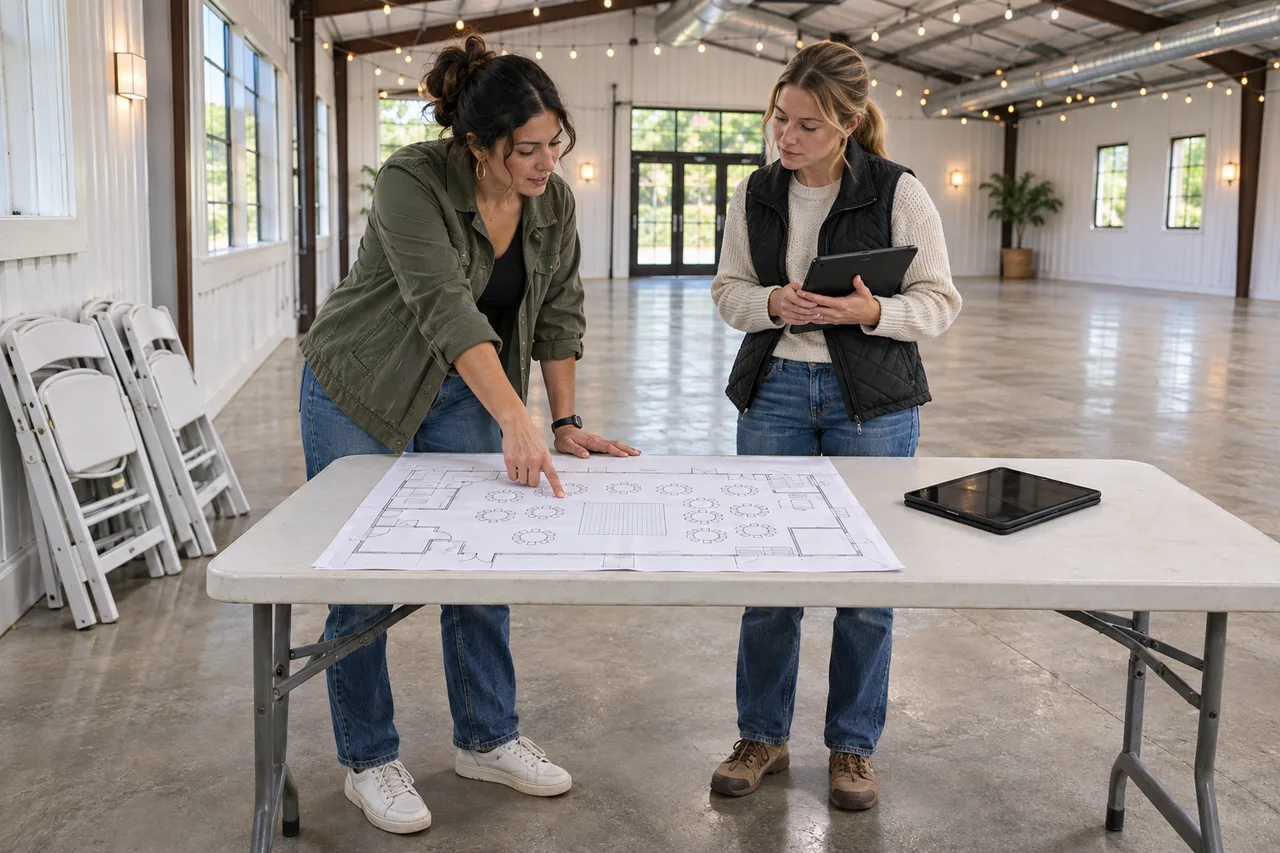
Put an offer in front of people who can act on it
Make a short product brief with a representative photo you have permission to use, the pieces included, dates or lead time, general service area, price or price basis and a clear next step. If the service is still being tested, say that inquiries require confirmation. Avoid claiming units are available until you have checked a legitimate way to supply them. The aim is to learn how someone responds to the real offer.
Start with a small audience that includes people who already said they have an upcoming need. Share the brief through the business’s ordinary channels or ask appropriate venue contacts to review it. Keep the message consistent and note the source and period so you can interpret the result. If the offer is changed half way through, record which version a person saw. Avoid comparing an old list of likes for a generic photograph with inquiries from a local page that shows the actual rate.
Give visitors one usable response route. Ask for event date, broad location, quantity and a way to reply. If the shop needs to know whether the customer can pick up, ask them to choose. Keep the first step short. The team can request additional details after checking fit. Capture the optional reason for interest only if it will help distinguish requests for the equipment from requests for a different service.
Track actions in order of what they reveal
Give each inquiry a simple timeline. Someone viewed or replied to the offer, shared the details of a job, got a feasible quote, accepted the quote or completed the rental. Keep the stages separate. An interested message can inform the description. A quote accepted for an actual date helps show willingness to pay. A completed booking tells you about both demand and supply. The distinction matters if most responses stop after learning the service area or price.
Log why a real request did not go forward. The customer might have chosen another date, already booked with a venue or needed three units while you could source one. A disagreement about price deserves a different label from an unavailable Saturday. If the business repeatedly attracts the wrong address or date, improve the offer and test again. A clear reason gives you a next action the team can review.
Check how much work it takes to reach each result. If every inquiry requires several calls to learn whether the customer can collect the set, put pickup information in the brief or form. If every lead needs a different setup, test whether a defined package serves the most common ones. Estimate the time used to make a feasible quote. Demand that depends on lengthy owner involvement may still be valuable, with a different price or service model than first assumed.
Distinguish price feedback from a logistical objection
Offer the normal service and describe the price clearly. Say what is included in the price and whether fulfillment will be quoted separately. When a shopper declines, ask which part kept it from fitting. “Too expensive” may mean delivery raises the total above a fixed budget. A renter might be content with the equipment fee and unwilling to collect at the offered window. Match the next test to the reason you observe.
Compare one change at a time where practical. Keep the number of games and presentation the same while trying pickup on another day. Or keep the available dates steady and test a simpler package with a different quantity and price. Write down what changed so any improvement can be understood. Avoid treating a good response to a large discount as proof that the regular price will work.
Set a threshold using the work you can observe. If a two-game pickup package brings 115 and uses 40 for direct labor and supplies, 75 remains for equipment cost and the rest of the business. A delivery version can have another set of costs. This is only an example. Use the local prices, quote details and observed expenses you have. Include the time you will spend on reset, replacements and confusing requests that need support.
Run a trial order with a responsible supply plan
Identify a safe way to fulfill a small number of jobs. Use equipment the business owns or a supplier whose terms allow the planned rental. Verify availability and condition before accepting. Get clear on what happens if equipment is missing or a customer needs a change. Do not rely on a vague promise of inventory to take a paid order. A test should deserve the same follow-through as any booking.
Choose a trial that reflects the intended offer. If personal delivery by the owner is not part of the long-term model, try the normal pickup or staffing arrangement. Track preparation, handoff, use and return. Ask whether the customer got the equipment they expected and which instructions or pieces they used. Record actual work even when it includes a delay or extra trip. Those details are part of the cost and capacity.
Repeat the test with another customer or day if you can. One successful order could depend on a nearby venue or someone who already knows the equipment. A second case can show which parts are repeatable. Confirm whether an employee other than the owner can prepare and receive the same set. Review how much additional time would be needed to handle two jobs at once.
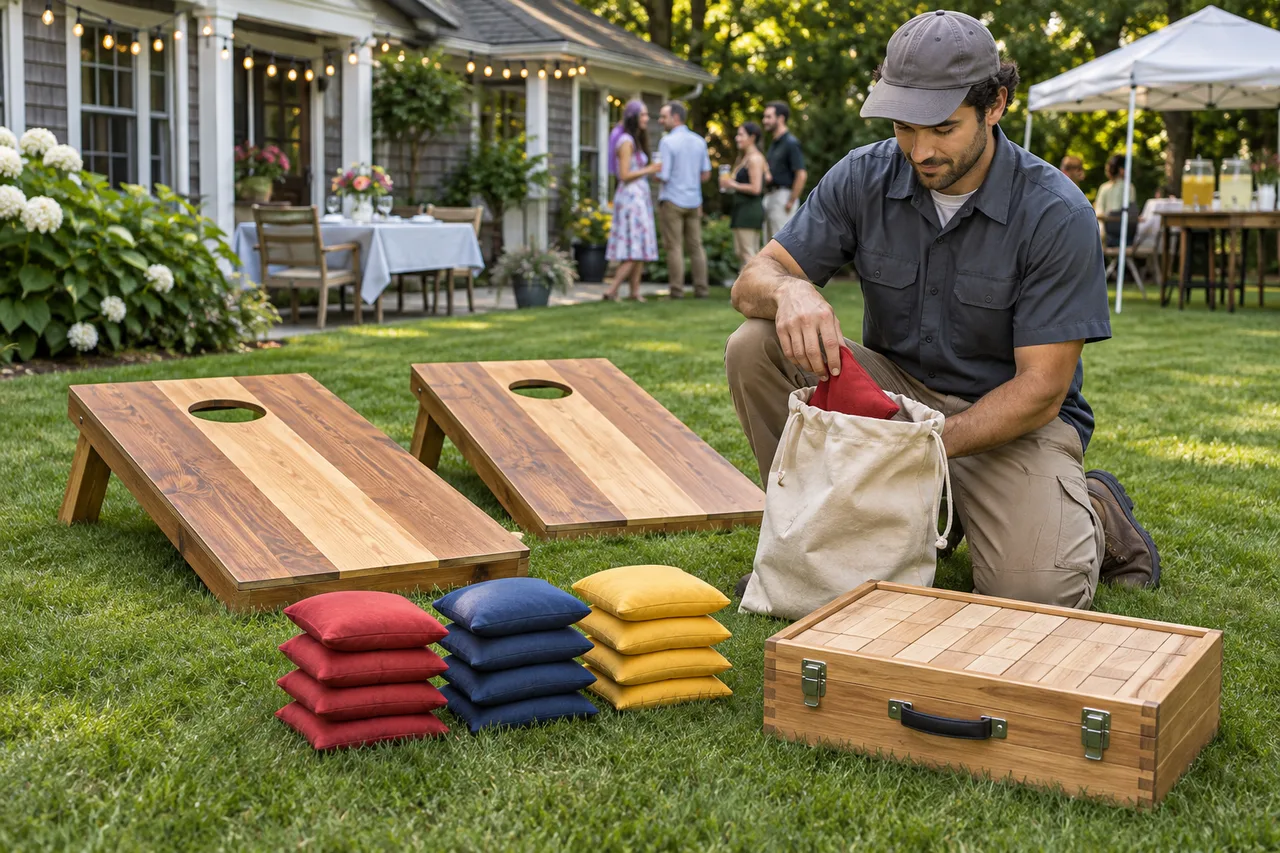
See how booked demand uses the calendar
Place credible dates on an ordinary schedule alongside existing work. If three people request different Saturdays, a single set with dependable turnaround may support each one. If they all request the same evening, the business needs more equipment or stronger limits on what it offers. Separate unique customers from the number of useful booking periods. This can change the estimate of how many orders one unit can serve.
Include pickup and collection, along with time for cleaning and counting. Check where the equipment will be kept if a customer returns it after closing. Identify who can release it for use after inspection. If you see conflicts on the calendar, look at the actual constraints. A different collection window could reduce a schedule clash. Buying more units may solve a stock constraint but leave the same shortage of staff.
Use one likely exception to see how the trial copes. A customer moves the event after rain or a bag is missing at return. The business should know whether it can serve the new date and how to verify the kit. Ask which part would change the quote or availability and how staff would communicate it. You can limit the first model to cases the team can handle without assuming every rental will go exactly as planned.
Review what the test does and does not prove
Summarize how many visitors gave a date and a usable job, how often the shop could meet the requirements and how often a feasible quote became a completed rental. For a tiny test, keep the actual numbers and examples alongside any rate. Two orders from six qualified conversations can tell you what happened in that trial. They cannot support a month of precise demand forecasts. Describe which customers you reached and which typical cases you still need to try.
Ask what surprised the team. More leads might ask for pickup than expected. Customers may want the games included with furniture rather than as a separate order. A package that relies on an additional trip may work only at certain locations. Decide which finding changes the offer and which needs another test. Record what you learned about the work as well as the number of requests.
Consider results from a different time or group before drawing a broad conclusion. A school fair may generate unusual volume for a single date. An established venue can show how scheduling and payment work without representing the demand of smaller parties. State the limitations in your decision. Choose a next test that reduces the uncertainty that matters, rather than continuing to accumulate likes.
Turn ambiguous responses into the next test
Suppose you show the package to 18 local organizers. Eleven say they like it. Four give real dates. Two dates fit the calendar and service boundary. One organizer accepts the quote and completes the pickup, while the other asks about delivery to a part of town the business does not serve. Those counts are useful together. The completed pickup strengthens the case that this setup works for at least one customer. The other inquiry shows where demand may differ from what the current offer can serve.
Look back at the two requests with dates that did not fit. If both fell on a day when the only unit was already committed, verify that the customers needed it and would accept the same terms before treating that overlap as proof you need another set. If both wanted dates before you could source a trial unit, run a test when you actually have the required inventory. If they were outside the service boundary, decide whether to adjust how the offer describes its area or run a separate feasible delivery test. Each cause has a different remedy.
Use a second small round to answer the unresolved question. Keep the original pickup offer available to a comparable group and show a clearly priced delivery version to a narrow zone the team can serve if delivery seems feasible. Compare how often the inquiries include a real date and location, where they stop and whether the team can provide the agreed service. If only one version is tested at a time, record the dates and any seasonal change that could affect the comparison. Small observations can guide another test without promising a precise market result.
Give yourself a point at which evidence is sufficient to make a modest move. For example, the first completed booking can justify verifying several more dates with the same pickup rules. A second group completing a similar rental with an ordinary handoff can justify planning a small addition. Decide the maximum investment based on usable periods and staff capacity. Keep the evidence and the decision together so a later high-interest post does not erase what the real inquiries showed.
Decide how much to commit and when to stop
Choose a next step that fits the evidence. If several customers want the same setup at workable dates and rates, consider a limited fleet matched to the jobs you observed. If the demand depends on one venue or season, continue sourcing for specific requests while you learn. If you cannot serve the work without a change in transport or staff, revise those requirements and run another small test. Give the follow-up a clear time and condition.
Write down the service you can actually offer next. Include the locations you can serve, how many units you can prepare, pickup and return boundaries and which changes need review. Keep a record of the customers you can follow up with under your usual practices. This lets someone else run the next trial using the same offer and see whether results improved.
Make it acceptable to stop a weak trial. If prospects repeatedly decline a quote the shop needs to make the work feasible, or the items do not fit the operation, save the lesson and use capacity elsewhere. You can revisit the idea after changes in demand, space or staff. The test succeeds when it gives the business a grounded decision, even if the result is to buy nothing.
A photo or a reaction can start a conversation. A real date, accepted quote and completed return show what the proposed rental asks of customers and the shop. Work through those steps before spending on a fleet. Buy the next unit only when you can describe the job it will serve and the evidence that makes the commitment worthwhile.