Prepare a rental operations brief before shopping for insurance
Prepare for an insurance conversation by documenting the equipment, storage, vehicles and crew behind your actual rental jobs.

A rental owner asks for an insurance quote and describes the company as a party rental shop. That phrase could mean customers collect folding chairs, or it could mean crews deliver, install and retrieve equipment at several venues every weekend. An insurance professional needs enough detail to understand the actual work. The owner needs a way to check whether the proposal addresses the trips, people and property the business depends on.
Prepare a short operations brief before asking for proposals. Describe the equipment and work, where it happens, who does it and how the business tracks it. Include changes you can already foresee. Use the same brief in each conversation so differences in the proposals are easier to understand. The brief can organize the questions, while your licensed insurance professional can help evaluate how specific policy terms apply.
Describe the work in terms someone can picture
Begin with the legal business name and usual operating locations. Outline the categories of equipment you rent and the main types of customers and events you serve. Explain which orders are customer pickup, which the shop delivers and which include setup, attendance or removal. Use specific descriptions so the reader can understand the difference between handing over a chair and installing a venue setup with people working onsite.
Write down where each activity happens. Include storage, collection and event sites and the service areas where vehicles normally travel. If you sometimes borrow storage or serve a neighboring region during a season, explain how it works. Identify work handled by employees and work another business performs under its own agreement. Give your insurance professional the actual arrangement and ask what other detail is needed.
Include a business change before you count on a quote for it. A startup might rent tables now and plan to add managed event installations later. A larger operation might expect a second warehouse, more employees or a different vehicle setup. Note what already happens, what is planned and the expected date if you know it. An owner can then ask what needs a fresh review before the company starts serving the new work.
Build an inventory picture from your operating records
List equipment by category and location. Include quantities and an appropriate basis for the values you report, such as what you paid or what a comparable replacement would cost. Label the source and date of important estimates and keep a way to refresh them. The purpose is to give an insurance professional a realistic picture of the property and its movement. Ask which value information the application needs and which records may be useful later.
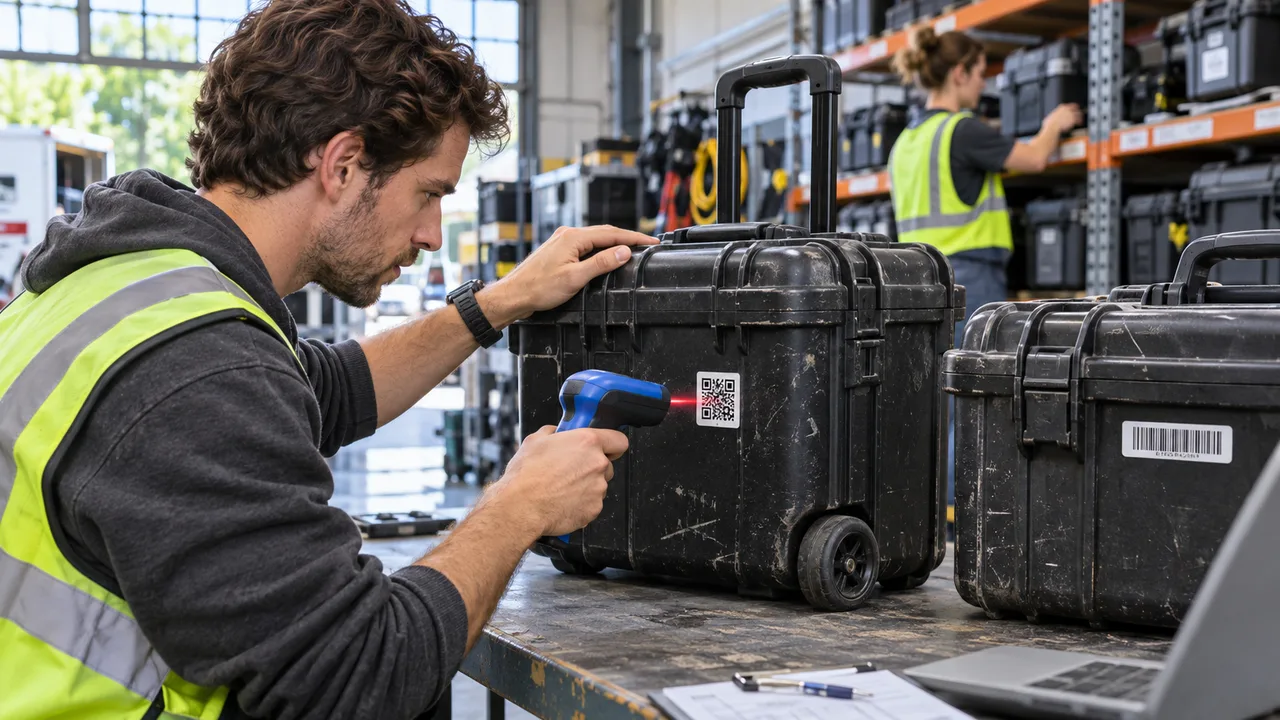
Select a few individual items to trace. Choose a high-value item, a common item rented in quantity and an item that goes out as part of a bundle. Check whether you can find the purchase record, description, serial number or internal identification where applicable, usual storage location and booking history. If a piece is hired from a partner, label it as equipment the business uses under a separate arrangement. Ask your insurance professional how that arrangement should be described.
Think about where equipment spends time away from the warehouse. It may travel in a vehicle, sit at a temporary staging area or remain at a venue overnight until collection. Note how often those situations occur, the value typically involved and who controls access. Use a real example to ask how a proposed policy would address the different places. For U.S. businesses, the National Association of Insurance Commissioners provides an overview of small business insurance topics to help frame those questions.
Give vehicle and crew information alongside the rental examples
List vehicles the company owns or leases and describe any other vehicles that are used for business when applicable. Include normal use and the people or roles expected to drive. Explain if vehicles carry the business's property, someone else's property or both. Ask the insurance professional what details they need about territories, drivers and vehicle arrangements. Use the right channel to provide specific records requested by the professional.
Explain what employees, seasonal workers and outside crews actually do. A person working mainly at a pickup counter may also help with deliveries. A subcontractor may carry equipment to the site, help install it or provide a different service alongside your own. Show what each group is responsible for in a typical job. Review the appropriate coverage and documentation questions with advisers who can assess the business's actual arrangements and location.
Use an example of a mixed delivery. The shop might send two employees to unload furniture while a partner provides a display. The venue might require arrival at a specific door, confirmation of access and particular documentation before crews begin. Briefly explain what happens. Ask whether the proposals you receive treat the vehicles, personnel, operations and equipment as you expect. Keep the answer with the relevant policy documents so you can revisit it when the arrangement changes.
Write down the warehouse and venue controls you already use
Gather the documents that help explain how the business works, such as rental agreements, inspection records, vehicle assignments and examples of a confirmed delivery schedule. Identify the version people use now and where they keep it. If a procedure is informal, describe what staff actually do rather than promising that the business performs checks it hasn't put in place. Ask what additional records would make the review more useful.
Choose one booking and walk it to its return. Note how the shop records which items were delivered, when a venue receives them and what staff check when they return. If some equipment goes directly from one venue to another, show how the shop keeps track of it. Use a sample booking with private customer information removed when providing an example. Give the reviewer enough detail to understand the work without sharing unrelated information about other people.
Keep the exceptions visible. If vehicles sometimes remain loaded overnight, describe how often, where and under whose control. If customers collect equipment at a shared dock, explain who supervises pickup and how the business tracks returns. An operations brief that covers only the smoothest jobs can leave out situations the owner needs to discuss. Mark any incomplete records and give yourself time to verify them before making specific statements on an application.
Use three questions to compare actual situations
Choose scenarios that represent different parts of your business. Start with a storage example. You might have two carts of tables at a primary warehouse, or you might reserve an overflow room during one busy month. Describe the location and what is normally stored there. Ask the insurance professional to explain where the proposed policy describes covered property and locations and which questions need an answer before accepting it.
Then ask a transportation question. For example, a hired vehicle might carry owned tables and a subrented bar to a venue. Give the actual circumstances you are considering. Ask which policy terms address the vehicle, the people driving and each set of equipment. If the proposal treats different ownership or operating arrangements differently, ask the professional to point that out in writing. Make sure you can trace the explanation to the right policy, as a business can have more than one type of coverage.
Use a venue example for the third question. Suppose the customer keeps the equipment overnight and the business returns after the hall opens. Describe who holds it, what work the crew performs and what the agreement says about collection. Ask the professional to walk through which terms would be relevant in the case of loss or damage. The answer will depend on the facts and policy wording. Record the documents you need to review and any follow-up question about the limits of the proposed terms.

Give the same evidence to each reviewer
Keep one dated version of the operations brief and use it consistently when reviewing proposals. Include the scope of work, who performs it, product categories and the locations where equipment is stored or used. If you correct something, send the updated information through the appropriate channel and note which proposals were based on the old version. A quote based on a delivery-only business and one based on installation work may be answering different questions.
Keep any records needed for an application separate from the short description. A professional may ask for specific schedules, loss information, payroll or financial figures through its own intake process. Confirm the correct recipient and how to send what it asks for. Ask which date range and units to use. If an amount is an estimate, describe what it represents so the reviewer can tell it apart from last season's actuals.
Invite one person from operations to check the brief before it goes out. The owner might describe the normal delivery process while a dispatcher knows a rented truck is used when three venues need work at once. The person managing the warehouse might know which equipment sits at a second location. Give them the chance to correct a small fact before it changes the coverage conversation. A practical outline makes these reviews easier to complete.
Ask the professional to explain differences using your examples
Review each proposal for the conditions that matter to the specific jobs in the brief. Ask who and what is listed on the proposal, which activities and locations it assumes, what limits and deductibles apply and which exclusions or endorsements could change the answer to the examples. Keep a space for questions you intend to ask. An apparently similar line in two quotes may need a deeper look at the policy terms.
Check any documentation the business regularly needs for venues. Bring a sample of the venue requirements to the insurance professional and confirm how to request the appropriate documents and what they would reflect. Ask about the turnaround if a venue needs confirmation before setup. Review the requirements before accepting jobs that depend on them. Keep the approved documents with the event record where the people coordinating the job can locate them.
Compare the proposals after the professional has answered your questions. One quote may look less expensive because it assumes different activities or a different deductible. Another may allow different limits that affect the event work the business is considering. The financial comparison is more useful when you can see what each price applies to. Use the written terms and qualified advice to make decisions about coverage.
Agree what the business should do when the work changes
Decide what triggers an update to the brief. Possible examples include moving inventory, adding delivery vehicles, renting a new category of equipment or offering setup work the crew didn't previously perform. Assign someone to raise the change early enough to get a response before offering something that depends on it. Ask your insurance professional how it wants to receive updates and which details it will need.
Try a practical example. A venue wants the business to leave a larger equipment order overnight for collection after a second event. The office reviews the accepted terms, expected equipment value and who will have access. The business asks the appropriate professional whether the proposed arrangement raises any issue under the relevant policy. If the job proceeds, the warehouse and dispatcher receive the correct schedule and equipment list. Keep information about the review handy for the next time someone asks for a similar arrangement.
Give staff a clear place to report an incident and a person who can follow up under your existing procedures. Decide which basic records your team should be able to locate, such as the order, equipment identity and handoff details. Ask about reporting instructions while you have the opportunity to review them. Someone responding to an issue will have an easier time if the current policy and contact details can be found.
Rehearse the conversation with two versions of the same job
Start with a routine example, such as a table and chair pickup that the customer collects from your normal warehouse. Describe the equipment, storage location and agreed return time. Then change one element. Imagine the customer wants the same order delivered to an outdoor venue with collection the following day. Review who transports the equipment, whether the crew will set it up and how long it will remain away from the warehouse. The difference between the two descriptions helps your insurance professional identify which additional questions apply.
Try another version involving someone else's property. The venue may supply part of the furniture while you rent an extra item from another company. Write down which items your crew handles and which orders or agreements identify their ownership. Ask how the proposed terms address the business's activities and responsibilities in that situation. Keep the question grounded in the service your crew would provide. Two businesses using the same equipment can have different arrangements for transport, installation and collection.
Keep enough detail to compare the answers later. A useful note may contain the question, what the reviewer needs to confirm, which policy or proposed endorsement applies and when you expect a response. If one question has no answer yet, record that before treating the proposal as ready. Set a clear owner for following up and update the operation description if the conversation revealed a missing fact. Give the person who assigns the work a way to learn the relevant outcome without having to read the whole insurance application.
Consider when the example should be reviewed again. A storage move, outside vehicle or additional crew may change the circumstances even when the customer-facing package looks identical. Put the trigger beside the job type in your brief. That lets the office recognize when a familiar booking deserves a fresh conversation.
Leave a short space for unresolved changes when you save the final version. For example, the shop may still be choosing a vehicle for the new season. Record what type of use is expected and when the owner will have enough information to ask a specific question. Give the dispatcher a contact before they assume that the same vehicle arrangements apply to the new work. That turns an uncertain plan into a review the business can complete at the right time.
Keep the brief useful after you choose a policy
Save the dated copy the business used during the review along with the appropriate documents and responses. Record who owns inventory updates, who reports changes in vehicles or crews and who can check the documents if a venue asks for them. You can use a familiar booking model as a quick reference for future conversations. Keep the sample current if your normal work changes.
Schedule a check before your next busy season or renewal. Compare what the brief said with what the business now delivers and stores. Verify major estimates against the latest records. Review any planned category you haven't started yet, especially if it changes work at a venue or adds another operating location. Write down what the business needs to ask before it expands.
A useful brief describes the shop in a way that transfers from the warehouse to the insurance conversation. It ties the vehicles, crew and equipment to ordinary jobs, explains where unusual work happens and distinguishes plans from current operations. That gives the business a reliable basis for asking questions and checking the answers as it grows.