Design a beach chair rental route before buying a fleet
Test beach chair delivery and collection stops before buying a fleet, and plan how returned kits become ready for the next route.
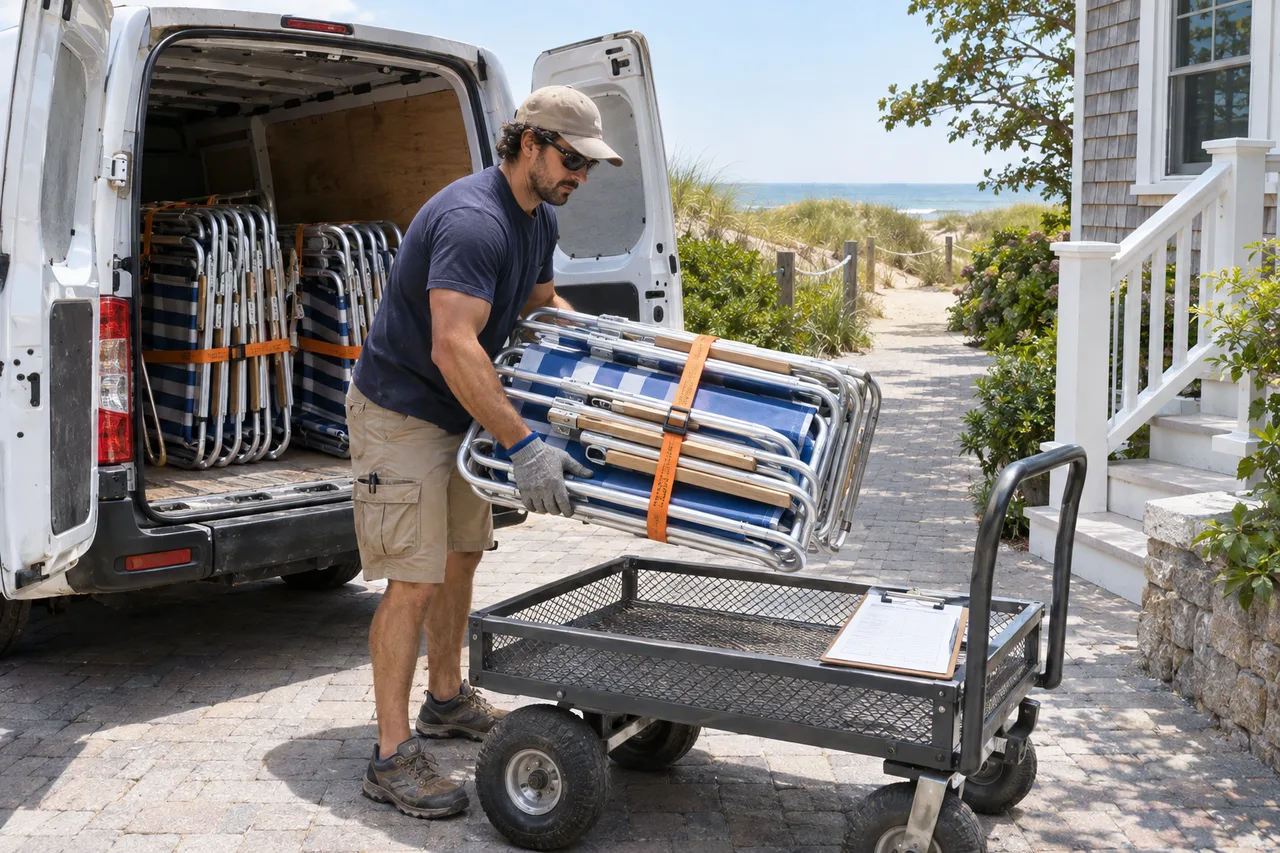
A beach chair rental looks like a simple fleet decision. Buy chairs and umbrellas, make a list of properties and offer delivery. A trial run can reveal a different business. Two addresses on the same road use different entrances, the walking route to one setup takes longer than the drive between stops, and every return is due near the same hour.
Design the route first. Work out which stops you can serve, when customers need the equipment, and where the gear goes at the end of the day. Then size a fleet that can travel, be checked and come back into service on the actual schedule.
Define what the customer receives and where
Choose one service you can describe from start to finish. For example, a customer collects a packed group of chairs at an agreed pickup point and brings them back in the same period. Another model delivers to a property’s approved receiving point. A setup service includes placing the gear where the site permits and recording how collection will work. Each model requires different time, staff and access.
List the locations you are considering. Check the current access and operator requirements with the property owner or responsible authority before offering a stop. Ask whether the business can deliver or set up there and where it can load equipment. Record answers you can rely on. Treat a visible entrance on a map as a starting point for checking permitted access.
Give each offer a clear receiving location and window. The renter may be staying at a property with several doors or using a public access point far from its street address. Use the name they can recognize and the contact they need if something changes. If the business cannot serve all access points, show which areas it can verify before a customer reaches checkout.
Record what the renter will use, take care of and return. A kit may include two chairs, a bag and approved information on use. Any included umbrella or other item should follow its supplier instructions and the site’s conditions. Confirm what the business places and what the renter handles. The route plan should reflect the actual service the customer sees.
Walk the route before setting the service area
Start at storage and follow a typical load. Time the process from ready chairs to vehicle departure. Drive or travel the proposed route at the time you would normally use it. At each stop, record arrival, parking or approved unloading point, the walk to the handoff and time to clear the stop. Do the same in reverse for collection. Avoid guessing the delivery duration only from the distance between addresses.
Use the equipment, carts and normal staffing you expect to have. Check packed dimensions and the approved vehicle plan with the people who load it. Try one stop where the chair kit is easy to roll to its receiving point and one that needs a longer carry. Record the time and crew difference. A stop can fit your service area geographically and remain hard to serve at the quoted price.
Notice the tasks before and after the route. The chairs may need to be counted, cleared of sand, dried or inspected before reuse. A piece can be physically back and still need work before it goes out. Define the place and time for that work. Check how many returns the team can receive in the window before the next route needs them.
Pick a few practical service groups. You might have properties that fit under one regular delivery schedule and other locations that need a quote or a different day. Name the boundaries using verified access and travel information. Keep the actual route in the staff view and the expected receiving time in the customer’s booking. A workable service area is one the business can repeat.
Build a schedule around arrival and collection windows
Check what time customers actually need to use the chairs. A guest who checks in at four may want a delivery earlier if a property can receive it. A different customer may need the set at the beginning of a reserved beach visit. Ask where it should be ready and who can confirm the handoff. Keep the time the renter begins using it separate from the vehicle’s arrival window.
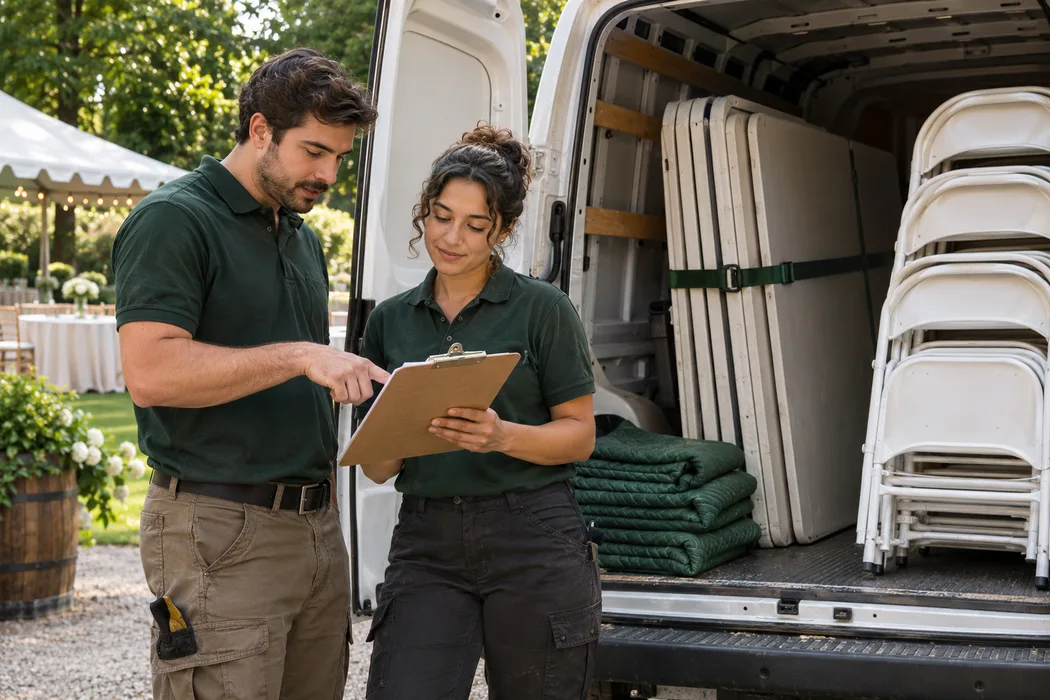
Create a route with enough space between service decisions. Consider how long each stop takes and what happens when someone is delayed. If two stops both need a crew member for a carry, they may not fit the same half hour even when the addresses are nearby. Set a few arrival windows the business can meet and check them against shared staffing and the equipment already reserved.
Plan collection early. At several stops the customer may be ready to leave at about the same time. If the arrangement requires the crew to collect each kit, decide where and when it can be picked up. If the renter returns it to a staffed point, show the closing time and use the capacity that facility has. Put the actual collection plan in the booking and keep it visible as the route changes.
Give dispatch a route to handle a missed handoff. The driver should know the contact, expected response time and what arrangements the business can make without changing someone else’s booking. If the customer requests a different access point, check that it is approved and that the change fits the schedule. Record the revised plan and send it to the people who will use it.
Define the kit the business will count at each stop
Write a useful list of pieces for the typical booking. One kit can include a specified group of chairs, a carrying case and any agreed accessories. Give the kit an identifier and keep the count in the booking. A driver should be able to tell which set belongs to each stop without unpacking the entire vehicle.
Match the packing method to the handoff. A small group of chairs may fit a labeled cart, while individual items separated by destination may need their own tags. Place the expected counts where the crew will see them at the loading door and when they collect later. Keep items that travel together marked in a way the next employee can recognize.
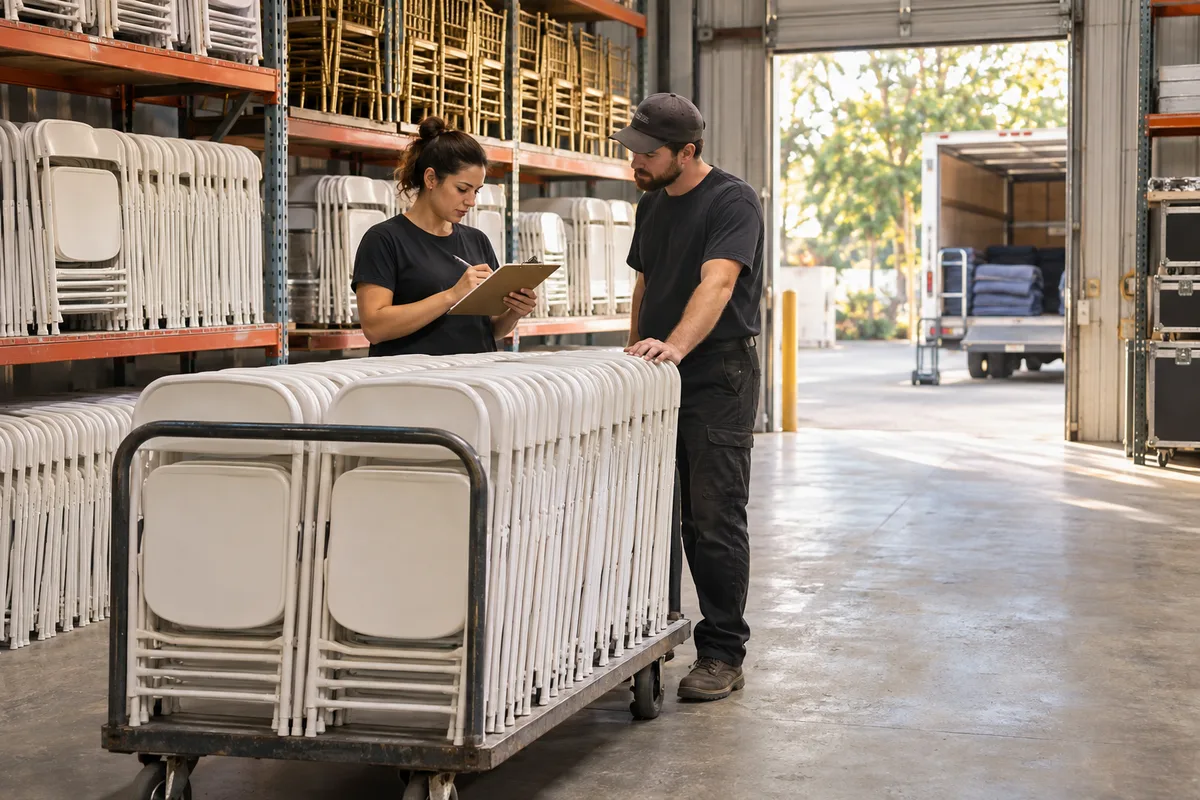
Use the same parts list after collection. Check equipment identity or count where it matters. If one booking returned one chair short, record the difference before combining the stock with other returns. Put gear awaiting drying or inspection in the designated location. A completed route and equipment ready for a new reservation are separate facts.
Make sure staff can route exceptions. A damaged hinge, missing accessory or mislabeled kit needs a place to wait and a person to review it. If the item cannot be prepared for another booking, keep that status visible. Use the approved service guidance for inspection and upkeep. A clear return process protects the schedule that starts the next morning.
Work through an example with three nearby stops
Imagine a business proposes delivery of two chairs per booking. It has a possible route with three stops, including a property where gear can be received at the service door and another where a named contact meets the crew at a different approved point. The third appears close to the others, but a timing check shows the team needs an extra walk to get from the approved unloading location to the handoff.
The owner times two versions of the route without taking a real booking. The short version uses the first two stops. It fits the expected delivery window and leaves space before collection. Adding the third stop runs into a scheduled collection time and requires a crew member who is already assigned elsewhere. The owner offers those first two locations a regular schedule and reviews the third location separately.
During the first paid route, a customer asks to extend the use period. The office checks whether the collection time can change and whether the same kit is reserved next morning. The equipment can stay only if it can be collected and cleared within that schedule. The customer sees the revised amount and period if a change is agreed. The driver receives the new contact and timing in the route view.
At the return station, one chair needs extra work and does not go back into ready stock. The warehouse checks the next day’s reservations and updates the count. The owner learns that the practical fleet includes the units on routes, the units in turnaround and an allowance for real inspection or repair. Buying the number of chairs that fits only today’s deliveries can leave the next route exposed.
Compare the costs of each kind of stop
Record the prep and warehouse time, route mileage or transport cost, staffing and reset work. Compare the direct work for a stop on a regular route with a dedicated trip. Use your operating numbers. A lower price can make sense for a simple handoff on an established route if the costs and schedule support it. A different service may require a fee or a separate quote.
Estimate work per chair and per stop. Adding one chair to an existing delivery changes counting, movement and vehicle space. Adding an address may create an additional visit, staging group and contact. Use the real difference when setting package rates and limits. If a customer can collect at the agreed site, compare its staff time with the delivery you would otherwise provide.
Set the initial offer with enough information to calculate and compare it. Include which kit is delivered, which area it covers, the period and which services are included. A shopper should know whether the amount is for pickup, delivery to a named point or a setup. Give the office a way to check services outside the normal area using current access and crew information.
Review the actual route after several jobs. Note the time taken, missed opportunities, callbacks, and work discovered at return. A profitable-looking route can still be difficult if one stop regularly delays all the others. Test a change in timing or service boundary before assuming the fleet needs to grow. The next order should fit a route the business can keep.
Test the first and last stops under ordinary conditions
Draw the route on a short schedule with the load check, expected arrival, collection and return check as separate entries. If the first stop needs fifteen minutes to unload and walk the kit to a receiving point, include that time before driving to the next stop. Record the time you arrive and the time the crew is ready to leave. A second employee reading the schedule should be able to tell whether a new stop can fit without putting an existing window at risk.
Use one realistic change in the trial. A property contact may ask for the kit to be received later, or a collection can move because the customer is running late. Decide what the route can change while keeping its other promises. Call the appropriate contact or use your normal update process in a practice scenario. The time this takes belongs in the operating plan as well as the drive and handoff.
Check the last return against the next day. Suppose the route returns with eight used chairs late in the afternoon. Determine where those chairs will wait, who counts and prepares them, and when the next shift can actually use them. If the expected reset runs into the first morning delivery, adjust which kits are used or when they are offered. The route can be successful for one day while leaving the next day short.
Choose an unhurried trial and a busy one. Short travel times on a quiet morning may be useful for a first estimate. A trial during the intended service period can show the real time spent waiting to load, walking to the receiving point or getting equipment back to the warehouse. Capture those differences before setting a public arrival window. Use your observed times and the amount of variation you can serve.
Decide how customers will find the right handoff
Write a confirmation using a real example from the route. Show the agreed time, the named receiving point, the number of chairs and which accessories are included. Add the right contact for questions. If a property has more than one entrance, use the name confirmed by the property and any approved instructions that help the customer recognize it. Give the driver the same description.
Confirm which contact will be there. A guest may book the equipment while a property employee receives it or another member of the group returns it. Record who can handle each part and how they will know which kit belongs to them. The collecting person needs the agreed pieces and time even if someone else approved the booking.
Make the return instructions work on their own. People may find the confirmation at the end of the day and need to see where the gear goes next. Tell them the agreed place, time and which accessories go with each set. If staff need to confirm a partial return, use the booking reference and record exactly what came back. The office can then answer a question about the returned kit without calling the driver.
Test the instructions with someone who has never used the property. Ask them to identify where they would go, what they would expect and what they would do if they were late. Adjust any phrase that sends them to the wrong side of the building or leaves out a contact. An accurate handoff reduces the amount of work the route has to do after it reaches the stop.
Buy for a route you have actually tested
Use the first routes to estimate how many kits are out at the same time. Check which parts take longer to reset, and how many appointments fit the receiving area. Compare several possible demand levels instead of assuming every chair will rent every day. A small reserve can make sense when the operating records show a real reason for it.
Keep any trial equipment identified as part of its assigned kit. If an older chair is replaced during the season, update the count and record which bookings affected the change. The team needs to compare the usable fleet with its schedule as wear and repairs alter the totals.
Set another review after a busy and an ordinary day. Check what rented, which customers changed their dates, and where the route spent the most time. Ask whether the same vehicle and staff can keep the current window if another stop is added. If the issue is access or receiving time, solve that before buying more chairs to serve the same bookings.
Expand the route or fleet one decision at a time. Confirm the next service group, improve a handoff or add kits that fit the running plan. Test the full cycle from preparation to ready stock. A fleet chosen around known stops gives the business a way to fulfill the promised day and get ready for the next one.