Test an equipment rental side business on a small schedule
Test one equipment rental offer on a schedule you can reliably cover, then compare pickup, return and support time with completed orders.
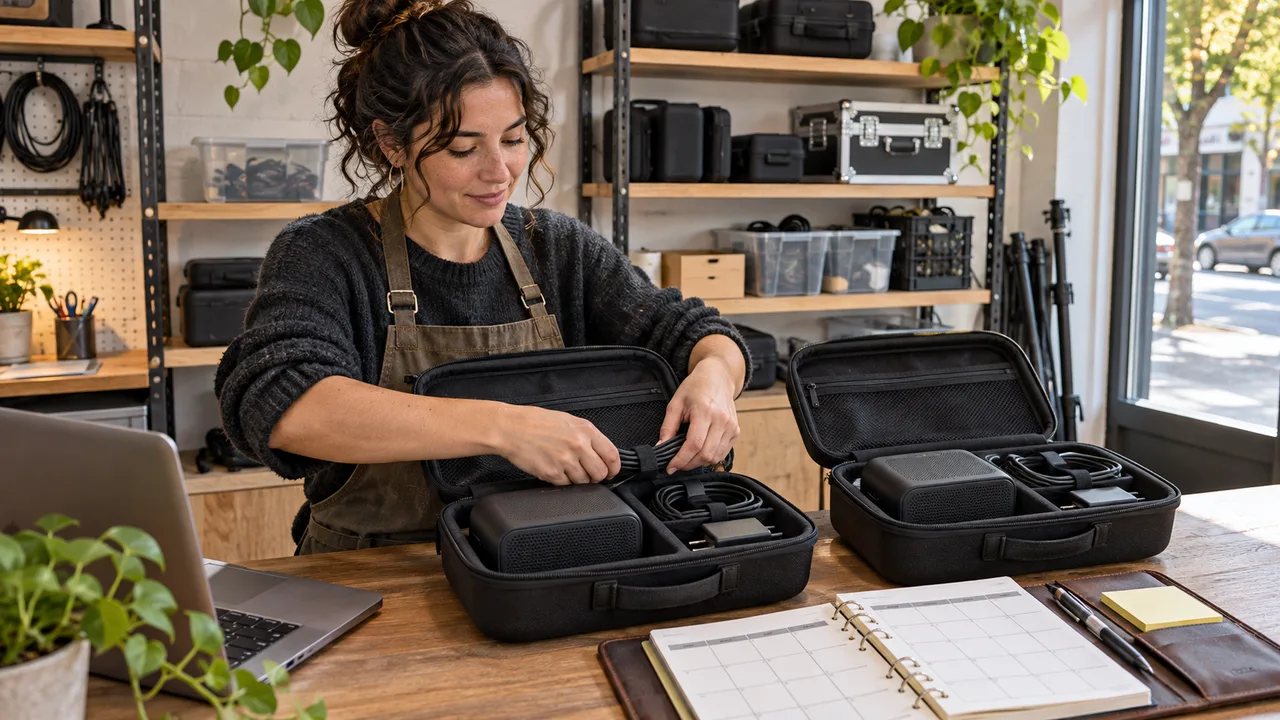
You can buy a speaker and write a listing in one evening. Being free to hand it over at 3 p.m. on a Friday is a different question. A rental side business has to fit the calendar you already have, including handoffs, returns, inspections and messages after the customer leaves. Test a narrow offer using the hours you can reliably protect. Use the results to decide whether the same work can be repeated without rearranging the rest of your week.
Begin with one straightforward job a customer would pay you to help with. It could be a portable speaker kit collected for a family gathering, a folding display set for a market vendor or a few tables for a weekend sale. Pick equipment you know how to explain and inspect using the normal guidance. Avoid an offer that depends on you being available on short notice whenever a customer needs help. The first test should show what a small, predictable schedule can support.
Put the hours you really have on a calendar
Write down when you can respond to a message, prepare equipment, meet the customer and receive the return. Start with dates over the next four weeks. Include your main work hours, ordinary travel time and commitments you already know about. If you can safely only make two pickup appointments on Friday evenings, that's the schedule to test. A slot reserved for work preparation should stay visible as preparation, even though customers won't see it as a pickup time.
Try one routine weekend on paper. Plan a Friday collection at six, a Sunday return at five and a readiness check afterward. Include ten or twenty minutes to confirm that everything is back and ready for a future customer. If you normally can't stay near the pickup location on Friday afternoons, avoid accepting an uncertain handoff just because a customer is interested. Offer the times you can reliably meet and record which inquiries don't fit.
Reserve a place for interruptions. A customer may be delayed, have trouble finding the pickup spot or need to ask about a part. Choose which messages you will monitor and where the customer can find the usual instructions. Set an ordinary point at which you would reschedule a late handoff. Tell customers the relevant timing information before they reserve and confirm it afterward. A clear conversation limits the time both sides spend guessing.
Select an offer you can prepare the same way each time
Choose a small set with an obvious contents list. For a portable sound kit, the standard package could be a compact speaker suitable for the stated use, its power supply and the cables the shop knows are compatible. Write down what the customer needs to supply and which accessory options you will support. Trial the handoff using the case, label and list you will actually use. You can learn more from one offer with repeatable preparation than three offers that each need a custom plan.
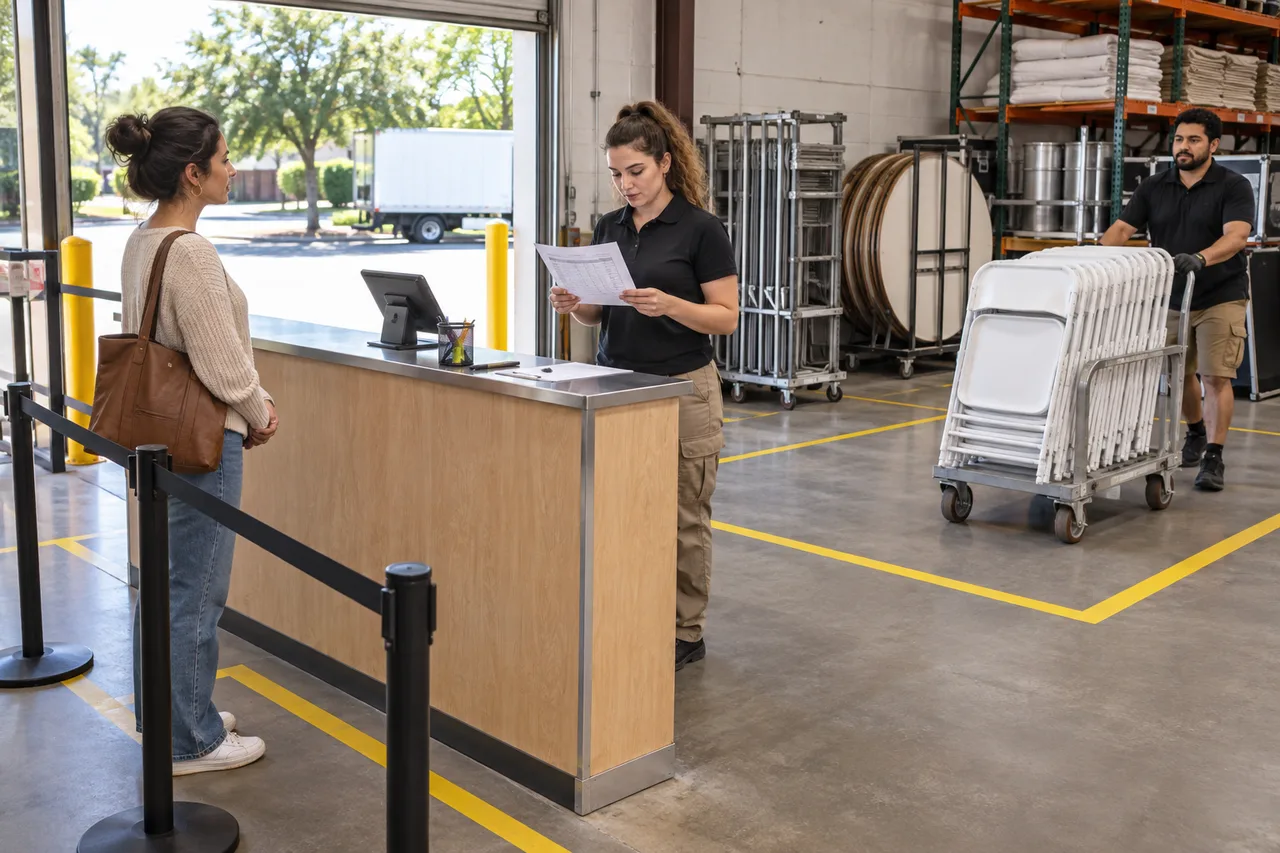
Think about storage and transport before buying stock. Measure what fits through the door and into the place the item will wait for pickup or after return. Include space to open the case and verify its contents without moving other equipment out of the way. Some equipment can sit on one shelf, while a growing stock of tables may need a cart and a staffed pickup area. Give each ready item and each item awaiting inspection its own visible place.
Check what the offer requires if a part disappears. Identify the accessories that would keep the gear from going out if missing or damaged. A readily available spare may make a kit easier to operate. A costly specialty part or one that requires service can push back the next reservation. Decide how you will tell a customer if an item is no longer ready and what alternatives you can confirm. Keep the promise specific to the stock you have.
Include work that happens before and after the customer pays
Use a small worksheet for the main equipment, cases, standard spares, cleaning supplies, storage and the payment method you already intend to use. Then estimate the time spent preparing, communicating, handing over and receiving. Count a trip to the pickup location if it doesn't already fit your ordinary schedule. If a part has to be replaced between rentals, record its cost and any affected appointment. Use rounded examples until you have actual operating numbers.
Consider a trial kit that earns $75 for a weekend. Suppose an order uses $7 in supplies, fees and planned component wear, with about an hour of work spread across two days. The remaining $68 is a starting contribution before the cost of the equipment, storage and the operator's time. If the first bookings regularly take two hours because customers need extra setup help, revisit the offer and handoff. The example is most useful when you replace each estimate with what you observe.
Track a slowly recurring cost where it belongs. Storing one case at a suitable location is a different decision from paying for storage even when it isn't rented. If you already have approved space, record what the additional gear would change. For a second kit, compare the cost of storage and handling with the extra orders the schedule can serve. The first few weekends can reveal whether another piece of gear would help or simply add another appointment you cannot cover.
Write the offer for people who can use the pickup windows
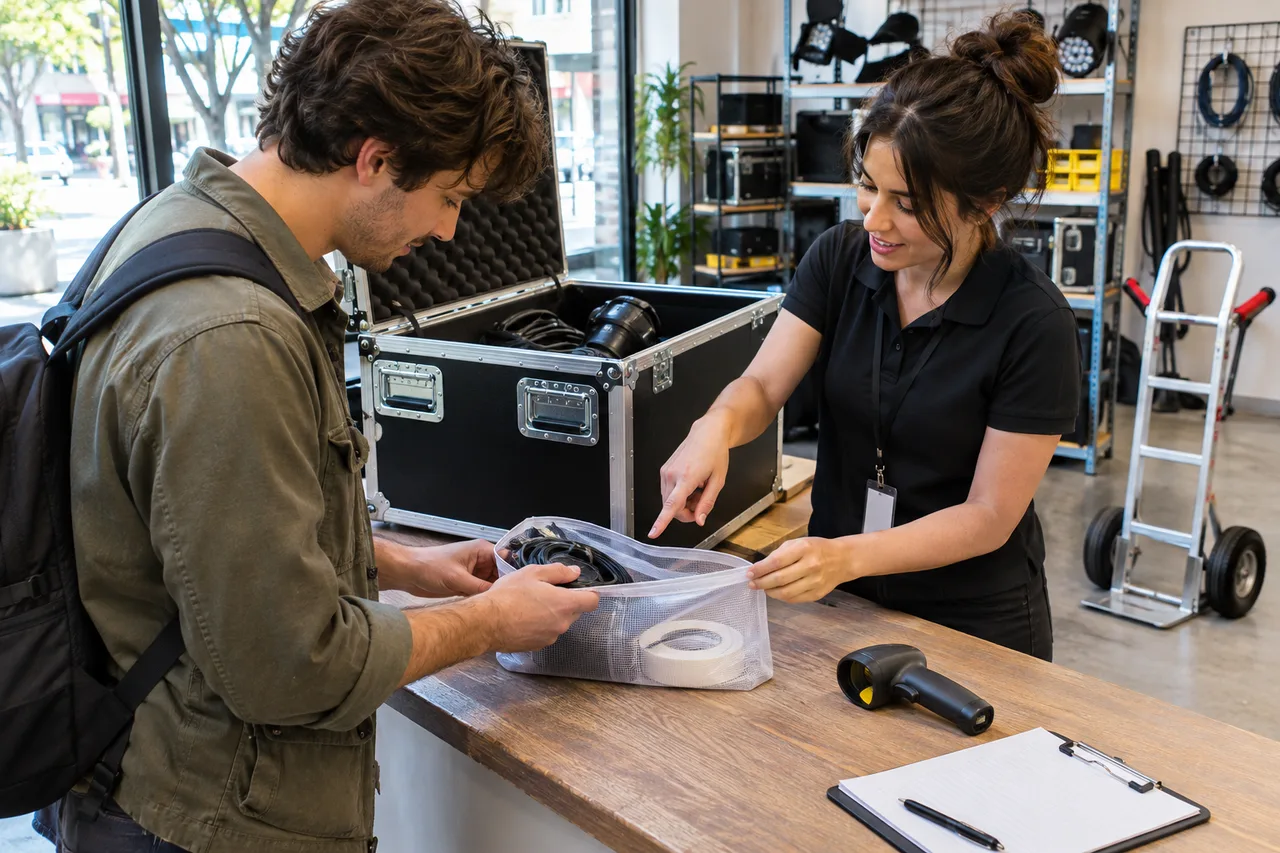
Explain what is available, when customers can collect and return it, how they confirm and what support you can provide. Use a real photograph of the standard set. Show which pieces are included and any measurement or compatibility details you have verified. If a customer needs a completely different system, give them a way to ask a qualifying question before either of you spends time on an order that won't work.
Use a form or message that captures the few details needed to confirm the offer. For the speaker example, the order may need the requested pickup and return windows and the name of the person collecting. You might also need to check that the planned use matches the equipment. Use the usual private channel for order details. Later, make sure the accepted dates and contents appear together so you can stage the right kit.
Be clear about how the first contact works. If you review each request manually, tell people that the slot becomes confirmed after you respond and complete the usual booking steps. If you let customers book only within fixed times, check what happens when someone asks for a time that's already taken. Try a practice inquiry while you're away from the shop. The customer should have a reasonable expectation of when they'll hear back.
Run one handoff before opening your schedule
Ask a friend or coworker to go through the standard pickup with practice details. Time the preparation, the face-to-face handoff and the return. Have the person identify what's in the kit, which accessory they need and where it belongs when they pack up. They should be able to find the return information without you repeating it from memory. Record the places where you had to give an explanation that should be part of the usual instructions.
Try the check-in a second time with an ordinary exception. One cable could be in the wrong pouch or a case could come back slightly before the agreed time. Decide where received items sit while awaiting inspection and how you will mark that they cannot be offered yet. If something is missing, leave a note tied to the relevant reservation. Check whether a spare would let you prepare the kit without losing the trail of the missing part.
Review what happens if your availability changes. You may need to arrange another approved time or contact the customer about a cancellation. Keep the order status and calendar aligned so the same slot doesn't look available to somebody else before the first appointment has been resolved. Use a communication route you can actually monitor. A narrowly available person can still offer good service with clear hours and a confirmed handoff.
Try a small set of real appointments
Assume you open one evening pickup and two weekend return appointments over four weeks. Use a realistic number of reservations for the equipment you own. Prepare each case before the pickup slot starts. Keep a short log of inquiries that fit, orders booked, orders completed, time spent and the issues that affected the next rental. Record reasons people asked for other hours. That gives you information without taking on more reservations than the schedule can support.
For instance, the first week might bring four inquiries. Two people need different equipment, one can use the slot, and one wants a same-day afternoon handoff while you are unavailable. The completed rental produces one set of results on preparation, support and condition. Hold off on reading the other three inquiries as demand for another identical kit. They could instead point to a different size, delivery option or available time.
On week three you might be available for an additional Sunday pickup if the earlier customer returns on time and you complete the usual check. Test the change on a date where you can handle a delay without disappointing an existing customer. Confirm the second order only when you can offer the kit under your normal rule. Compare the extra amount earned with the time spent, including any additional trip or follow-up.
Keep track of the demand you turned down
Use a few reasons you can compare across weeks. A requested time can be outside the schedule, a customer can need different equipment, the item can already be rented, or delivery might be required. Include whether the person accepted an alternate you could confirm. Review the details alongside the completed rentals. Several requests outside the schedule could suggest a better pickup time, even when the kit you offer is suitable.
Check whether a requested change has a real operating cost. A Saturday morning handoff might fit if you are already at the pickup point. It could take an extra trip if you have other weekend plans. A second stock unit might answer a simultaneous request, but it still needs separate preparation and a return window. Consider the whole sequence before trying an additional slot. Name the person who can cover it if the plan depends on someone else's help.
Use a short follow-up on an order that fits. Ask whether the date, contents and return instructions were easy to understand. Note an accessory question or route issue you can address for future customers. If the same support request comes up again, improve the instructions or reduce the parts of the offer that create confusion. You may be able to keep the same stock and serve the next person with less time each week.
Decide what would justify a larger schedule
Review the number of completed rentals that fit your existing hours, how consistently equipment was ready, how much time each order took and which costs appeared more than once. Compare the result with the capacity you can sustain for several weeks. One busy weekend can show there is demand. A few ordinary weekends can give you more confidence that you can prepare, hand off and collect the equipment while keeping your other commitments.
Choose what constraint to test next. If people mainly ask for an earlier pickup and you have a reliable place to meet them, try changing a window for two weekends. If several customers need a different size that you can inspect and store, ask for more information before purchasing. If all orders fit but cleanup is taking longer than expected, improve the turnaround before opening the calendar further. Make one change at a time so you can connect the result to the test.
Keep a clear endpoint for the first trial. The business can continue with one dependable package, adjust the offer or stop accepting new orders after existing commitments are handled. Write down which facts would make each choice reasonable and check again at the date you set. The useful result is a schedule and offer you can repeat, or a clear reason to change them before spending more time and money.
Check whether the small schedule depends on one fragile assumption
List the things that have to go right for each booking. The operator has to be at the pickup point, the case has to be ready, and the customer needs the correct directions. Check where each can fail in a typical week. A meeting at the operator's other job might delay travel, or a weekly closing time could change at the pickup location. Use an appointment time you can consistently meet and have a way to notify the customer before they travel if it needs to change.
If someone else can cover a pickup, practice what that person would need. They should know which booking, which case, what needs to be checked and where the equipment goes at return. Use the regular business process for access and keep payment or unnecessary customer information away from the shared handoff note. Run one practice appointment while the main operator is away. It should be clear whether the substitute can take over the whole visit or only help with the equipment.
Give the next booking a known status if the equipment is already out. Check how the schedule looks the day before the previous customer returns. If inspection takes longer than expected, decide when to contact somebody waiting for the next appointment. Run a version where the case is back early but can't leave immediately. A little extra time can make a limited schedule usable because there is a place to resolve ordinary problems.
Review the work your trial does not measure well
A four-week trial may encounter only one type of event or unusually mild weather. Record the dates and conditions, including what customers were asking for and how they heard about the offer. Compare results only with the kinds of appointment the business actually handled. A weekday request you couldn't offer can still be useful feedback. It does not tell you how much counter time or support a weekday booking would have needed.
At the final review, count when you had to change your own schedule to support the business. One exception might be fine. If almost every booking needs an extra call during work or a trip you can't usually make, record that as part of the result. A profitable-looking appointment can be difficult to repeat if it relies on unplanned availability. Use these observations to decide which pickup times, products and service promises the next version will keep.
Write down the next test in a sentence, such as opening a second Friday appointment during two comparable weeks and checking whether regular return work still fits. Keep the existing order count, costs and support time available for comparison. A small trial gives you enough evidence to change one part of the offer while staying within hours you can protect.