Raise camera order value with compatible kits
Offer useful camera kits and accessories that fit the job, reserve their shared components and price the complete handoff.
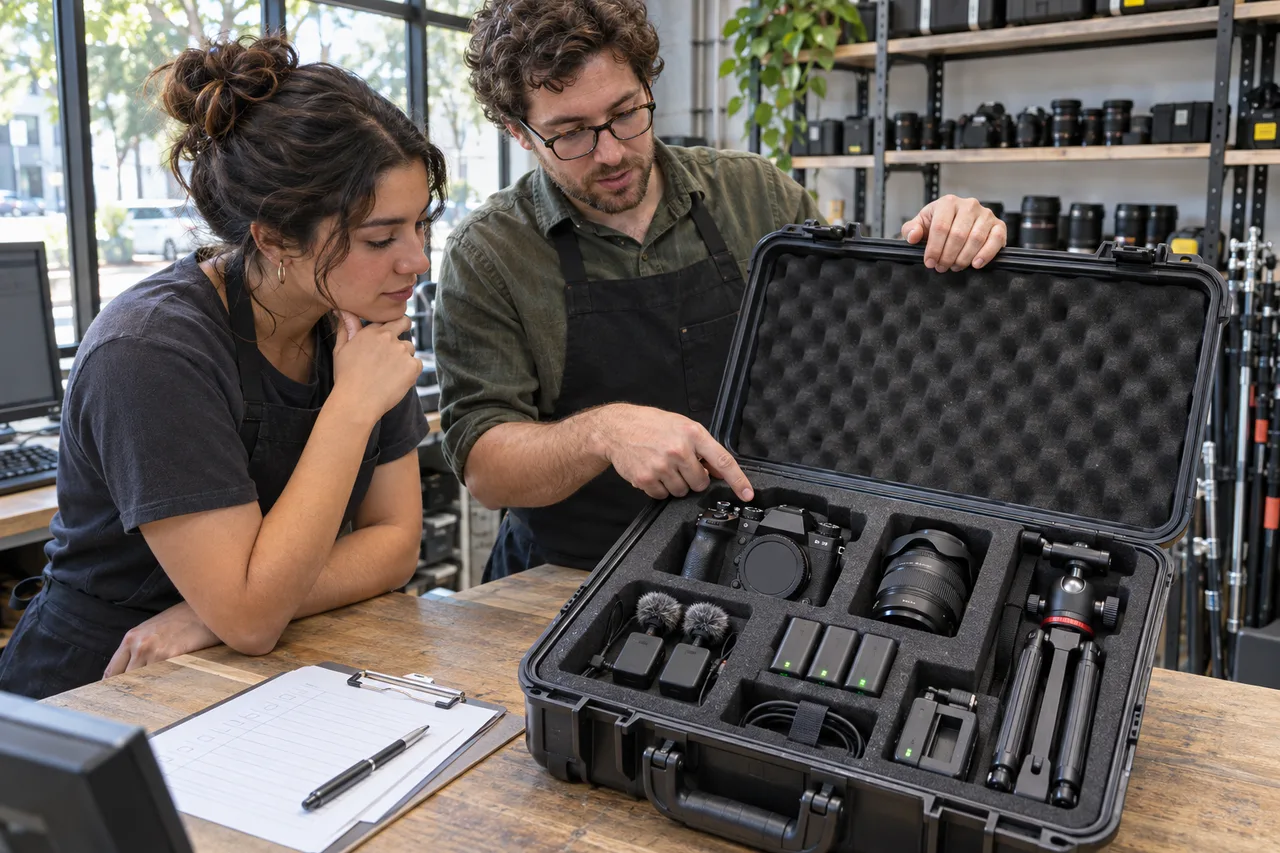
A customer rents a camera body for a one-day interview. At pickup they ask whether they can add a lens, another battery and a way to hold the camera in position. The employee checks several shelves and finds pieces that could work. The renter has already planned the shoot around one quoted amount and now has to decide quickly which of the extras they need.
A compatible kit raises order value by helping the customer choose a complete setup they can use. Start with the job, show what each component contributes and reserve the exact pieces the kit requires. Test the price and the time it takes to prepare and count back the complete order before making the kit a regular offer.
Start with a repeated job and a gap in the current order
Review several orders for the kind of shoot you want to support. Note which items people requested first and what they added after asking the desk for help. A camera body and lens might be enough for a renter who owns the rest of the setup. For a small interview, another customer might need verified support and a compatible spare power option. Find a repeated need with a clear purpose.
Read the questions beside the order. Some renters do not know what a product includes. Others have specific equipment and need the extra piece to fit it. A question about length of use may tell you how many pieces of a particular type customers want. Ask which parts they already supply and which they need from the shop. Make the offer useful for that difference.
Compare orders the shop lost or revised. A renter might cancel an add-on because it could not work with the equipment they chose, or because it did not arrive at the same time. Those cases show where a planned kit can help. A product with many accessories is a good candidate when the business can identify the ones that support the actual booking reliably.
Choose one or two situations to start. An interview setup, a defined photography job or a backup body kit for a known system can each make a useful example. Describe what the kit supports and where the customer may need a review. The intended use should fit what the shop can verify rather than suggest the kit covers every kind of shoot.
Make the base rental and kit easy to compare
Show the simple option with its included components. A body-only offer can specify what comes with the body and what the renter needs to provide. Beside it, show a complete option with the body, a verified lens, the power items and support appropriate to the job. Put clear item counts and the full rental amount near each choice.
Describe what each optional piece changes. An approved spare battery gives the renter another power option. A compatible alternate lens gives them a different framing choice. A support accessory can help them set up where the project requires it. Use the documented specifications and the shop’s verified combinations. Give the customer enough detail to choose based on what they will do.
Keep the order flexible when a customer already has part of the setup. An experienced renter might need the body and lens while using their own support. Offer a verified combination where the booking can omit an optional part without creating an incomplete setup. Check which parts are required for an item to work as offered, and keep those together in the count.
Use clear names on the storefront and quote. “Interview camera kit” can work when it leads to the exact parts and what the price covers. If several choices use the same body or lens, group the comparisons around differences the customer can verify. A well-organized offer lets the renter understand the practical choices before contacting the office.
Verify the combination and the inventory behind it
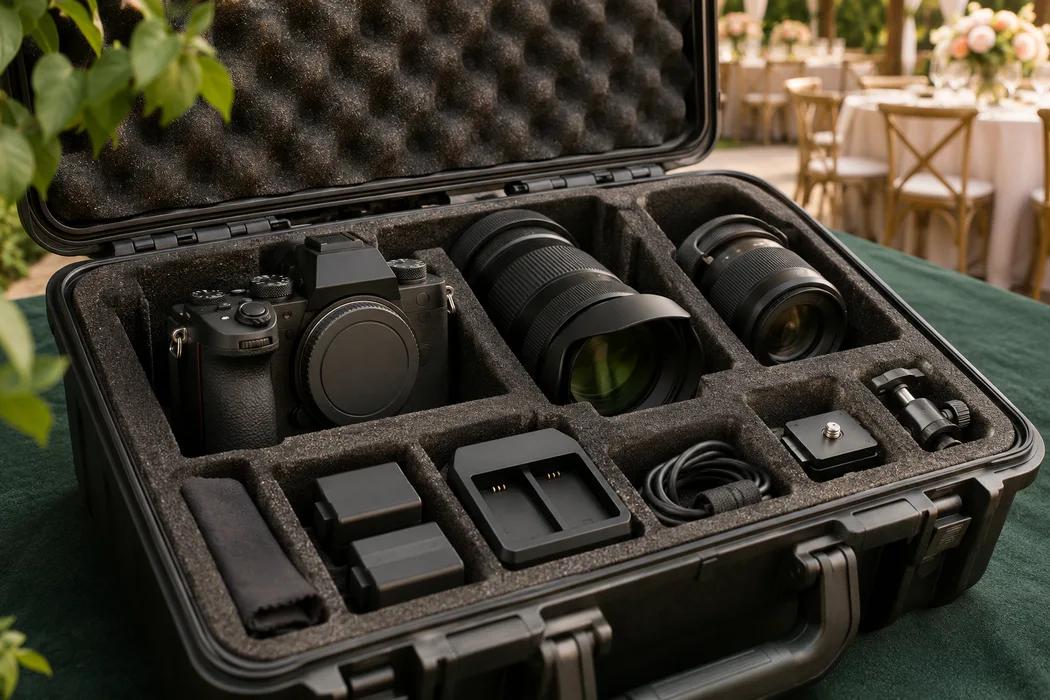
Check that every kit contains the pieces it needs using the manufacturer’s information and your own test of the actual combination. Record exact body, lens, power and support choices. If the renter needs a supported feature or intends to bring part of the equipment, collect that information and confirm compatibility before promising it. Keep a useful restriction where sales staff will see it.
Identify shared stock. A spare battery and charger might appear in two different kits, while one lens can also rent separately. The system needs to allocate the individual components for the selected times. Check a sample booking where a renter chooses a separate lens and another tries to reserve a kit that uses it. The two listings should reflect the same inventory.
Put alternatives in the record only after verifying them. A different lens or support may fit the body and still change how the camera can be used. Describe the meaningful difference and ask the renter to approve any material change. Staff need a way to mark which combination goes out so the return list matches what was delivered.
Plan the hold and turnaround for the entire package. If one accessory will return late, the rest of the kit may be available independently. Give the customer a choice the business can support. Keep a complete kit unavailable until all the parts it requires are confirmed or a verified replacement can be assigned. A ready body is only part of a ready package.
Price the work of providing the kit
Compare the full order amount with the parts and work it takes to fulfill. Count preparation, checks, agreed support, handoff and return. Some of that work can be shared across the included pieces. Other parts may add time to the readiness check or require a second case. Review a few completed rentals for the best estimate.
Consider the effect on standalone bookings. A kit can increase order revenue and tie up a lens that another customer would have rented separately. Compare which dates and components usually limit the business. A kit that uses a spare part most of the week may be easy to offer. A kit built around the most requested lens may need a cap or a different availability plan.
Use a fictional quote to see how the price reads. Suppose a body and standard lens are $105 for the agreed period and have $31 in direct prep and return work. A $145 kit adds verified support and two extra power items, with $52 in direct work in this example. The base offer contributes $74 and the kit $93 before fixed costs and other commitments. The numbers show an extra $19 in contribution under those assumptions. Use the shop’s actual figures to judge the opportunity.
Check whether the added items can travel and return together. A kit that requires several individual checks can still be worthwhile when employees can do them reliably. If the shop needs to reserve a separate appointment for a demo, include that service in the planning and pricing. Explain what the price covers so customers can compare it with the simpler option.
Give the next employee a clear dispatch and return list
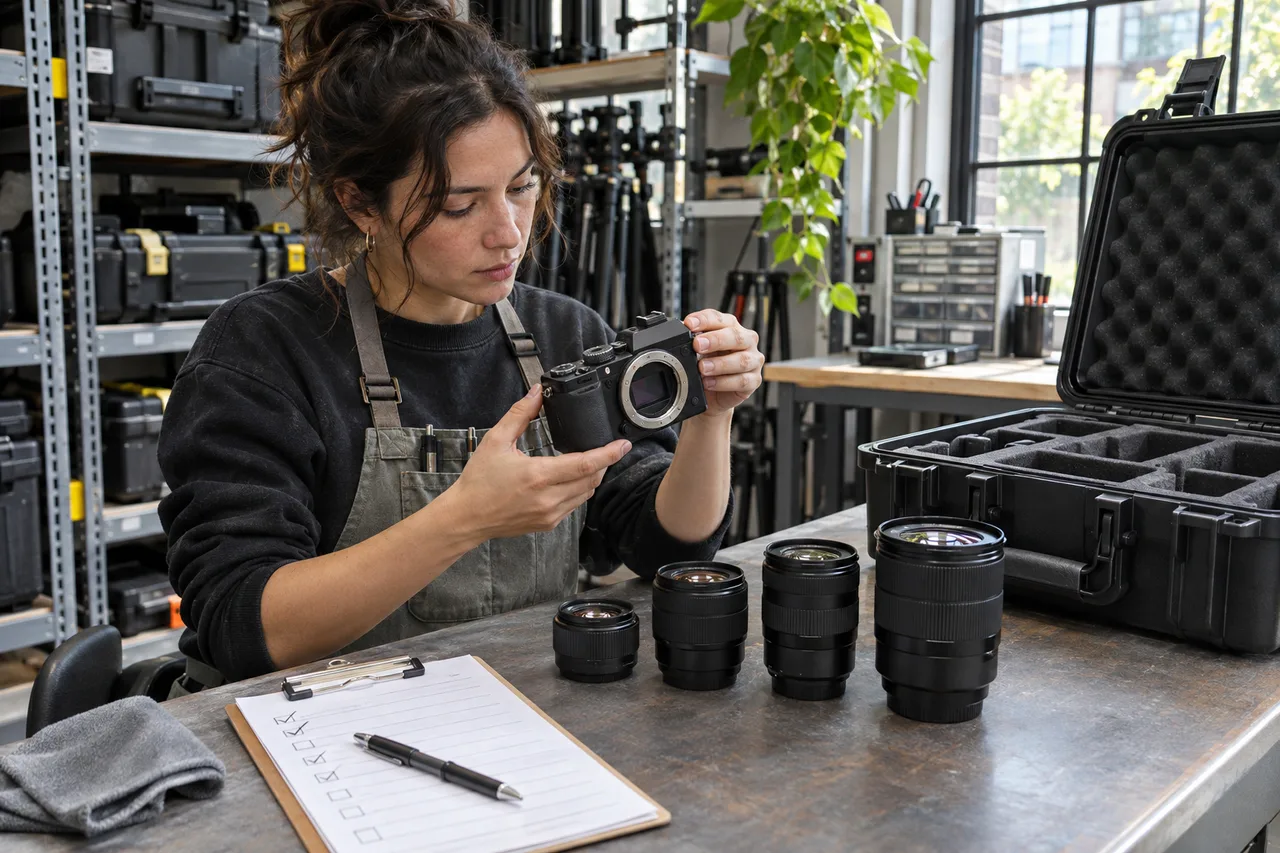
Build the pick list from the actual order. It should show the body and lens, required parts, selected options and which exact items were assigned where identity matters. Give the bench worker a place to record the checks. If the renter brings an accessory, specify what the shop agreed to verify and which pieces stay with the customer.
Keep smaller parts in a named compartment or pouch and give each a count. A second battery can be a separate item and still travel in the same case. Check the actual contents with the customer using the agreed procedure. The return worker will need the same list and the expected appointment. Make it visible before the customer leaves.
Record the actual return and its condition. If a support part is missing, the body can be received while the complete kit remains unavailable until a replacement is verified. Give the office a current count and the relevant follow-up under the accepted terms. The next worker can then prepare the stock that is actually ready.
Review where staff have to look up the same thing on more than one screen. A label may identify a case while a separate kit record shows the pieces. Bring the useful information together at the right stage. A customer who booked a larger setup should receive a clear list and a consistent handoff. The shop should be able to absorb the additional work without losing track of parts.
Walk a sample interview booking through a kit choice
A renter has a one-day interview and already owns the recording media they plan to use. They ask for a body, a lens they know and a stable support option. The employee verifies the exact combination and checks whether the renter’s media meets the stated requirements for their plan. The quote offers the base body and lens or a complete package with the verified support and spare power.
The renter selects the kit. The shop reserves the shared support kit and the required batteries for that booking’s period. Later, a second shopper asks for the same support. The staff member checks the available stock and offers a compatible alternative for the other job where practical. Neither booking has to be changed because an item appeared in two listings.
At pickup, the employee verifies the actual body and lens, records the accessories and hands the renter the approved list. Suppose the renter asks to add one more battery. The shop checks its inventory and approves the change with a revised amount. The updated count is visible both at the counter and at return.
The return contains all pieces, and the employee notes that the support took extra time to check. The owner compares the actual work with the kit price and several other bookings. The bundle can stay if it was useful and the work fits the schedule. If renters repeatedly bring their own support, the business might test a smaller kit with the parts they actually choose.
Place helpful additions at the decision they support
Offer a compatible accessory when the shopper has enough context to choose it. A support option can appear near the camera and lens selection. A spare power option can appear when the customer reviews the planned period and included count. Put the purpose, price and expected handoff next to the choice. Adding four unrelated items to the payment page makes the person guess what they need.
Use the same compatibility check for an addition as for a base kit. If the selected body changes, verify that the suggested parts still fit the new combination. Show which accessories were included already. A customer who adds a separate charger may be trying to get a spare, or may have missed that the base package provides one. Let them see the current count and what each choice adds to the cart.
Keep service additions explicit. A renter might want a short orientation when they collect, help checking a third-party accessory or a different pickup time. Offer what your staff can actually support and state what the service covers. If it needs a booked appointment, confirm the time before adding it to the accepted order. Customers can then compare a pickup with a demo against a straightforward collection.
Test the offer from a phone and an office quote. Have someone start with the base rental, add a support package and change the lens selection before confirming. Ask them to describe the final quantities and total. Then have another employee open the stock and return views. A useful addition should show up in every relevant list and reduce the need to explain a different total at pickup.
Record cases where a suggested accessory does no useful work. A customer might remove the same item because they have it at home, or ask for a different length or style. Check whether a simpler base package and one well-described option would serve them better. The goal is for customers to pay for equipment they can use and for the warehouse to prepare the accepted combination once.
Plan for a missing component before it affects another shoot
List the parts that would prevent the kit from being usable when absent. For an interview setup, the selected lens and verified support may be central to the order. An optional spare power item may have different alternatives. Keep a record of checked substitutions and who can approve them. If a part comes back late, the desk can see which options it could safely offer soon.
Work through a short inventory example. Suppose two kits can use the same type of support, and only one support is ready. The app should limit how many complete kits can be reserved for the overlapping period. If a second support comes back and passes inspection, the next option can be offered from the updated stock. Record the exact support the next person picks so the return will match.
Give employees a short customer update for a real shortage. Identify the part that needs a decision, the confirmed alternative and any price or service change. Allow enough time for the renter to check whether it fits their shoot. Keep the original plan available and record what they accept. A useful kit promise includes a way to handle an exception without quietly replacing a key piece.
Review spare parts with the staff doing returns. If the same small accessory repeatedly goes missing, a brighter pouch or clearer count may solve a readiness problem. If one optional part is consistently unavailable, evaluate whether customers want it often enough to add stock. The return record should help the next sale as well as account for the kit that just came back.
Measure whether renters are getting useful additions
Review base orders and kit orders over a comparable set of bookings. Count which renters choose each item, how often staff answer the same compatibility question and how the kits perform at return. Compare accepted amount, direct costs, readiness delays and substitutions. A higher subtotal has limited value when it creates repeated work the business cannot serve.
Look at which kits help a renter choose confidently. A customer may complete the order faster because they could see the exact power and support pieces. Another may remove the same accessory several times because they always bring their own. Use those decisions to improve the description or change which items come with the standard offer.
Check the effect on the rest of the catalog. If kits often reserve the scarce lens for lower-priority dates, see whether offering an alternative lens can help. Review any repeated shortage with the people who prepare the gear. A small change in the included parts can make the option easier to book and leave capacity for other customers.
Keep the kit easy to revise as equipment changes. Update the configuration, stock and checkout description together. Verify the combination at the bench before promising it. A useful bundle increases booking value by giving the customer equipment that fits the shoot and giving the shop a complete order it can fulfill and check back in.