Get more from a bike fleet before buying more bikes
Measure bicycle rental demand by size and time, improve turnaround, and test pickup or transfer changes before expanding the fleet.
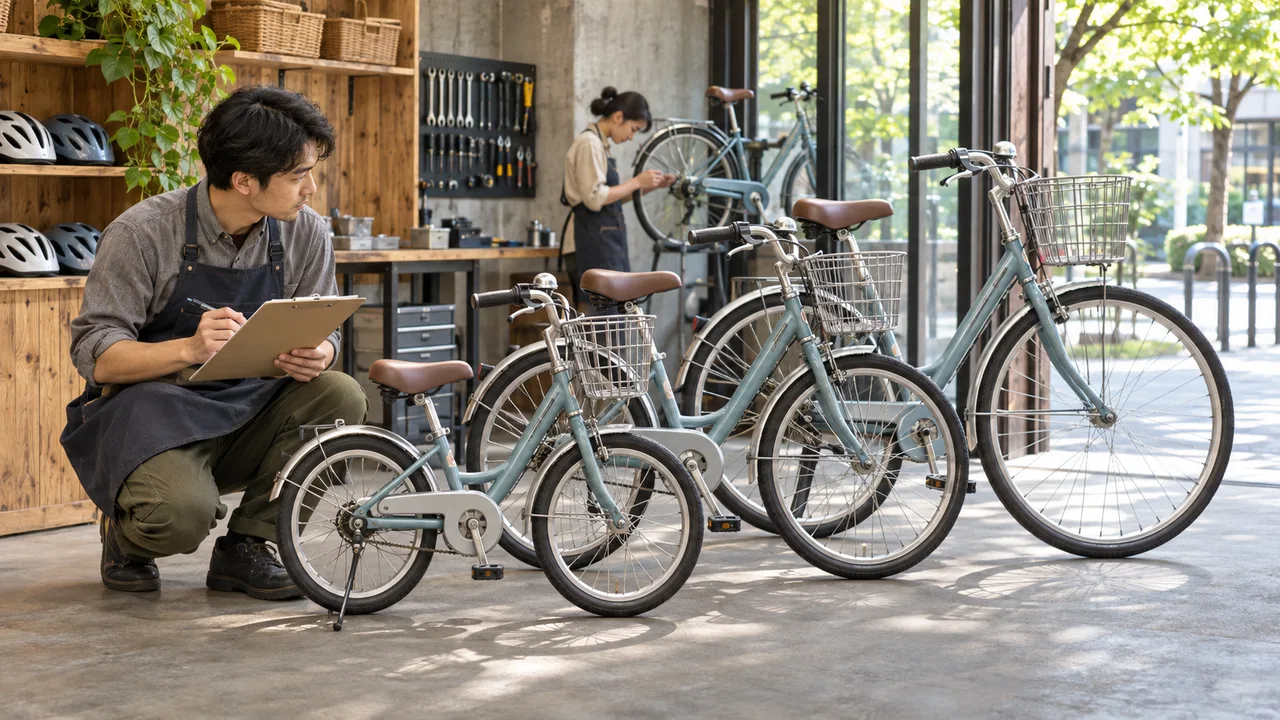
A bike rental shop turns away six inquiries on Saturday and still has four bikes on the rack. The bikes left may be the wrong size for those riders, held for a later pickup or waiting for a routine check. Buying four more bikes could help if the existing fleet consistently falls short in the right sizes and times. Before ordering, find out what prevents the bikes you own from becoming completed rentals.
Choose a recent period that includes a busy day and a typical quieter day. Pick three reference points, such as opening, midday and two hours before closing. For each, compare the bikes actually ready at the shop with the bikes the booking desk could offer. Ask the employee who makes the offer why each unused bike stayed on the rack. Capture a few real situations first, then decide what to count over a longer period.
Count what customers can actually take
List the fleet by the distinctions your shop uses to match riders, such as bike type, size and pickup location. Include any required matching equipment or checkout steps your business normally follows. Keep a visible count of units in service, reserved, out on rental and ready to leave. A unit that came back ten minutes ago might still need the standard inspection before the next rider can take it.
Check how your booking intervals use the stock. A city bike may be available in the morning and reserved in the afternoon. It can serve an earlier rental if your pickup, return and turnaround times fit the later booking. The same time gap might be unusable for a rental requiring a longer setup or return process. Use the availability at the point of commitment, along with a count of bikes in the storage area.
Compare the storefront and counter views on the same day. An employee might be holding two bikes for a group inquiry that has not been confirmed, while the online store treats both as committed. Decide when a hold reserves equipment and when someone can release or extend it through the normal process. Establish who checks stale reservations so the booking desk and the rider see the same genuinely available options.
Identify demand by size and type
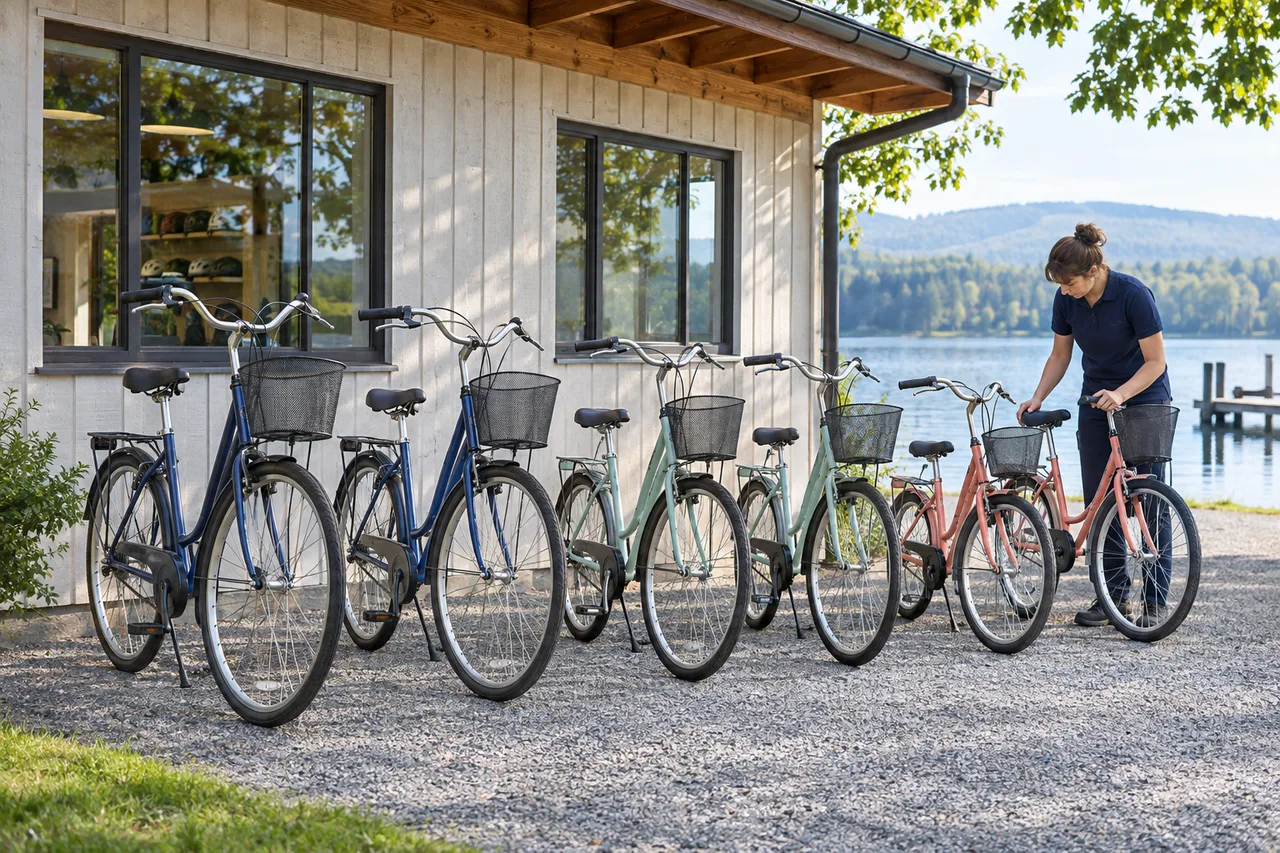
Record which requests the business could not serve. Keep the requested day and time, bike type and size, how many bikes were needed and the reason no offer was made. If the rider accepted an alternate size only after staff confirmed the fit, record it as a completed alternate. Use the shop's normal fitting process and don't assume that a bike in another size or type is a suitable replacement. The record should help the owner distinguish demand for equipment from an unsuitable match.
Group available time and lost demand by category. Six requests turned away at the peak might all be for small city bikes while larger sizes remain open. That can point to a targeted change to the fleet, or to sending the right bikes to the right pickup location before the busiest hours. A summary combining every category can hide this detail. Include group sizes when the business regularly serves families or tours.
Find out how much time the effect lasts. A regular shortage from ten to noon may be quite different from selling out all day. If a rider would accept a later time, record the offered and chosen windows. Requests that need an exact start time can tell you something different from people who are free for most of the afternoon. Decide whether a change in allocation or operating hours would meet enough of the demand to be worthwhile.
Review the time between rides
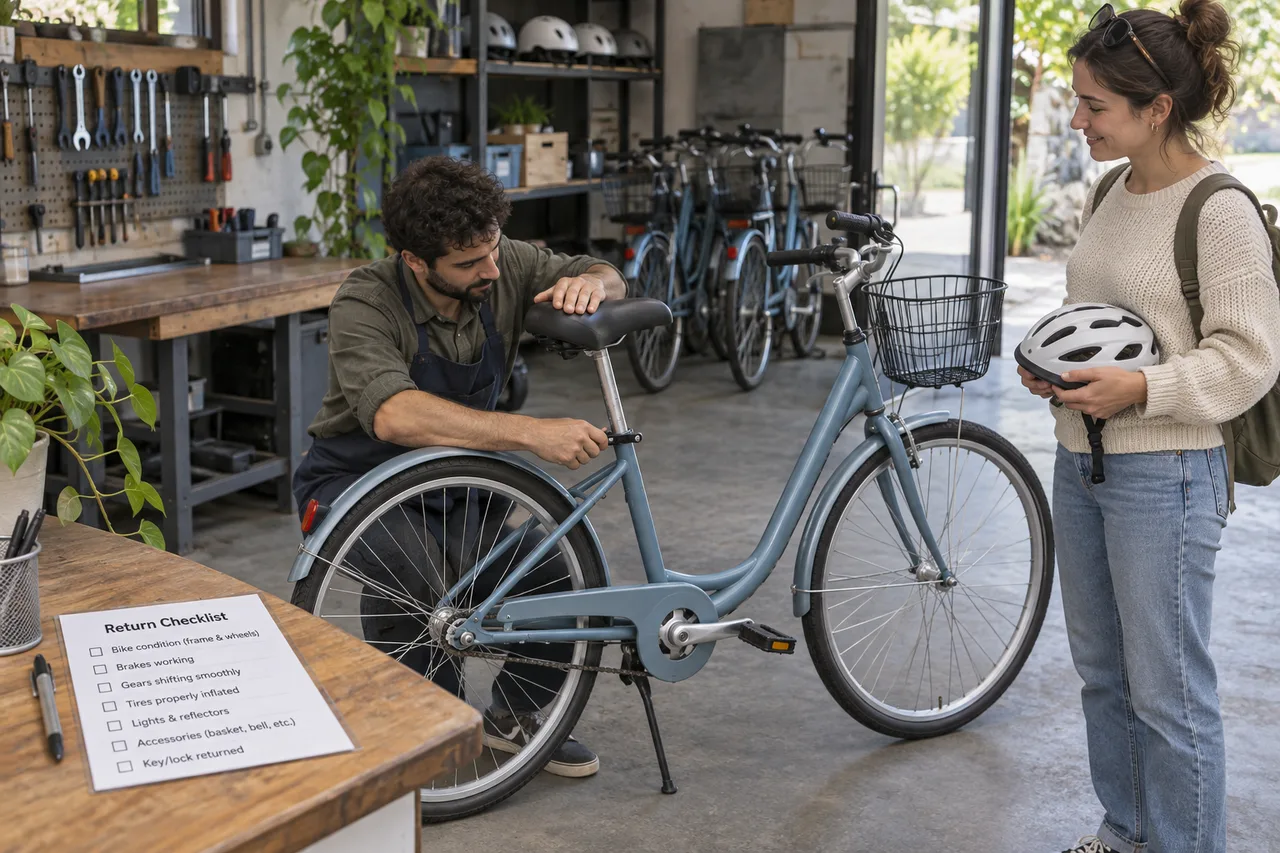
Follow a few returned bikes through the shop. Record when the rider arrives, when someone verifies the bike and accessories, and when the booking desk can offer that bike again. If a model frequently waits because it arrives in a cluster with other returns, check where employees can stage it and who handles the readiness review. A realistic turnaround interval can protect the next pickup and help the shop set accurate expectations.
Use your established inspection and service procedures. Schedule enough time for the person responsible to confirm whether the bike is ready. If a unit needs further service, remove it from available stock through the normal process and give staff an expected next check. Never rely on the planned end time alone to settle a readiness decision. The availability view should reflect what the shop is actually able to hand over.
Consider changing the order of tasks before changing the length of the buffer. If a worker spends most of the interval looking for a matching accessory or locating a booking, give those pieces a known place at intake. If several customers return together, consider whether a separate person or space could handle part of the work. Retest the same type of busy shift and compare when the units become ready. Don't make future bookings depend on a shorter turnaround until the new practice works routinely.
Make pickup and return windows reflect capacity
Look at the counter during its busiest hour. A queue of new riders may need fitting and orientation while employees are also receiving the previous group. The business could have enough bikes yet be unable to complete the checks and handoffs for everyone arriving at once. Compare the number of customers one person can serve in a realistic window with the number the calendar offers. Mark when a group reservation needs extra time or equipment before departure.
Try staggered starts for the orders your business already takes. Offer a later pickup when a rider is flexible and the bike can be ready by then. For a short morning booking before a committed afternoon pickup, consider the agreed return time, the normal inspection and the person available to complete it. Keep enough room to handle an ordinary delay. If the same time gap often fails to fit, adjust which durations the business offers there.
Check what employees tell customers at each step. The booking should explain the pickup time, return time and where to go. A useful reminder can reduce calls about the day’s schedule. When a rider returns late, give staff a clear next action for checking the affected unit and contacting the next customer if needed. Identify a suitable bike or later window through the usual process before making another commitment.
Move inventory only when the destination can use it
For a business with more than one pickup point, compare which locations repeatedly run short by size and type. Look at the other branch on those same days. If two matching bikes usually remain ready there, think through what it would take to move them. A transfer needs to fit vehicle capacity and leave enough time for receiving, checking and staging before the first pickup.
Choose a small pilot such as sending two compatible bikes from the main shop to a trail pickup point on a weekend with known demand. Confirm which existing reservations and open requests could use each size. Record which bikes leave, the destination and when the new location can offer them. The other location should see that the same bikes are in transit or no longer available for its overlapping bookings. Review the actual return location after the weekend so next week's offer uses the right quantities.
Compare the results to the cost of moving and receiving the bikes. Two added rentals at the trail point may be useful if the trip can join a planned route. If it requires a dedicated drive and leaves the main shop unable to serve late inquiries, the adjustment may work only on selected weekends. Keep notes on which conditions made it feasible so the process can be repeated when the same demand appears.
Offer help that fits the equipment already booked
Start with the questions renters ask before leaving. They might need a current map or help choosing an outing within the rental period. The business can provide relevant information using local guidance and the shop's own verified policies. Show when riders need to be back and where to ask about route conditions or changes. A useful handoff can help a customer make the most of equipment the shop already has.
Offer compatible accessories if they solve a need the customer raises. An accessory may take time to fit or require its own availability and check-in. If you plan to offer a bundle, test the actual bike and accessory combination and confirm the contents on the booking. A bag or accessory price may add value but may also increase preparation and return work. The business needs a way to see both sides.
Run a small trial during days with enough capacity. Track which added items people choose, time needed to prepare and receive them, and whether they make it easier for riders to use their bookings. Compare the price of the additional service with the work and wear it adds. If a shop spends more time replacing a piece than helping customers use it, review whether another option would work more reliably.
Check the result before buying more bikes
Pull the same observations after making one change. Compare readiness and rental outcomes by location, size, type and time. Look at completed orders, inquiries the shop could not serve and the number of units waiting for service. If shorter waits accounted for several additional bookings, check whether staff can sustain the process. If the same models regularly sell out while other inventory remains unused, use that more specific finding to decide what the next purchase might be.
Compare utilization with the reason a bike was unavailable
Decide how your shop measures use. A basic version compares hours rented with hours the asset was available to rent during the business day. A second measure can show service hours separately so the owner can compare how often a model is held from rental. With ten bikes from 9 a.m. to 5 p.m., the schedule has eighty nominal bike-hours. If two spend the whole day held for service, sixty-four hours are available before considering other holds. If customers use forty of those hours, the utilization of ready time is forty divided by sixty-four, or about sixty-three percent. Track the sixteen service hours alongside it.
Repeat the calculation by type and size and pair it with questions from the sales desk. Twenty open hours spread across the afternoon on large bikes may not help a youth group that needs smaller bikes at ten. Look at missed requests by start time as well as the number of hours used. If some rentals are booked for a full day and returned early, decide whether the business was able to offer the remaining interval under its normal rules. Treat that interval consistently when comparing periods.
Walk through a two-week experiment
Imagine a shop with six medium city bikes, four small city bikes and two larger comfort bikes. In its last two Saturday mornings, the shop offered all four small bikes by ten and later received three requests for that size. On both days, one medium city bike was idle from opening to noon and the comfort bikes stayed available. The owner asks employees to note whether the requests were for more than one rider and whether a later start would work.
On the following weekend, the shop learns that two of the requests came from a group that could leave at noon if two matching bikes were ready. It reserves the earliest returns under the normal rule and leaves time for the usual readiness check. The team contacts the group only after confirming the equipment. Another request needs the original time. The owner records both the completed alternative and the missed demand. If the same problem repeats, the record will show which enquiries could realistically use extra bikes.
The next weekend the owner coordinates with a second pickup point that has two small bikes open on Saturday. One is moved to the busy shop with enough time to stage and verify it. Staff compare the additional morning order with the effort of moving the bike and any work missed at its original site. After the second test, the owner has two different operating choices to compare with the possible cost of adding another small bike. Each can be judged against an actual order instead of a total count of calls.
Look at ride lengths before changing the fleet mix
Compare rides by how long customers actually reserve and when they come back. A weekend tourist may want a bike from opening to midafternoon, while someone coming from a nearby neighborhood may ask for a shorter ride. If your longest bookings consistently return well before the due time, ask whether customers would choose a shorter published option. Include the return and inspection gap when you work out whether several shorter bookings could fit.
Check how the resulting handoffs affect the shop. One full-day order typically creates a pickup and a return, while two shorter bookings require both actions twice. Two shorter rides may work if the counter and service space can handle them. Use a few similar weekdays to compare how much time staff spend helping customers before and after a change. Consider whether the shop can manage the additional steps during a group pickup or a busy evening. Keep the tested duration where employees can see what fits.
Give customers a choice that reflects what you can deliver. If all afternoon pickups depend on a late return, use a start time with adequate margin or have someone confirm the availability before it is promised. Review which customers voluntarily move to a quieter time and how many need a specific start. The goal is to use the range of stock and staff time you have without creating back-to-back handoffs the team cannot manage.
Decide what evidence supports a purchase
Before placing an order, write down which repeated request the added bikes should satisfy, where the bikes would be kept and who will prepare them. Estimate the supported rentals based on requests the shop could otherwise serve. Set out the work that each additional bike brings, including receiving, storage, routine inspection and service. A bike that solves a frequent shortage might still need a place on the rack and enough staff time at the affected pickup.
Give the decision a practical follow-up. A shop might buy one additional frame size and then measure how many of the previously declined requests turn into completed rentals. Compare the new unit with the existing stock in that size over similar periods. If demand changes because an event moved or another pickup point opened, note it beside the result. Try the same reasoning before retiring a model that rarely leaves the rack. It may have a smaller but consistent set of riders who cannot use the other options.
Keep the record short enough to update during a busy season. The key facts are the requested bike, eligible time, reason the request could or could not be served, and which adjustment the shop tried. When someone covers the usual owner's shift, they should be able to find the available units and make the same offer to a customer. That helps the business use today's fleet well and make the next purchase from evidence.