Find rentable products in jobs people do only occasionally
Find rental opportunities in occasional jobs, then test demand, kit contents, customer handoff and the return process.
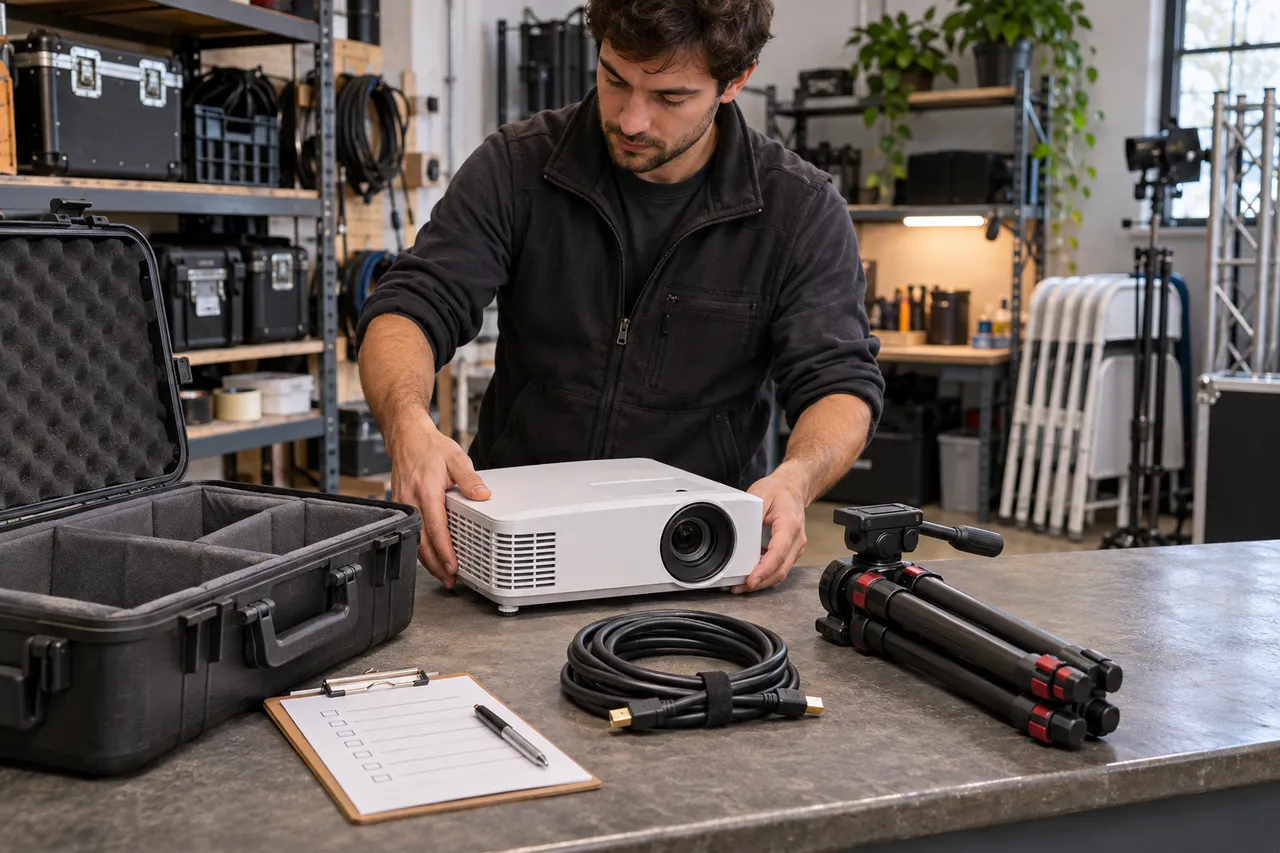
A neighborhood association hosts four meetings a year. It needs a projector, a screen and a speaker for each one, then has nowhere to store them. A venue manager needs a second set of signs during a seasonal event. Both customers can describe the job before they can name the equipment. That is a useful place to look for rental ideas. A customer who faces an occasional task may value access to the right kit, along with a simple way to get it back out of the building when the job ends.
Look for jobs that happen infrequently for each customer and often enough across different customers to give a fleet useful work. Learn which pieces people need together and what makes the job tedious to undertake alone. Then design an offer that a customer can choose and a rental team can deliver more than once. Start by learning the job before shopping for the equipment.
Listen for the task and its trigger
Talk to people who arrange an event, prepare a venue or take care of a building. Ask them about the last time they did the task, how they got the equipment and what made it difficult. A committee member might describe the night they needed to borrow a projector, send three messages to find a stand and discover that the room did not have the right cable. The tasks people have actually handled are easier to examine than general reactions to an idea.
Find out what starts the need. It might be a board meeting, a seasonal sale, a site inspection or a reception in a room without permanent fixtures. Learn how much notice the customer normally has. A long-planned conference and a same-day replacement need different fulfillment. Ask what happens if the customer cannot get it. An event might wait for the next month, proceed with compromised audio or call a different provider. Those outcomes tell you how much urgency the offer needs.
Notice who is responsible for the task. A venue coordinator may choose the equipment, an organizer may approve the price and a volunteer may collect it. Ask what each person needs to know and how information passes between them. A package with a clear request, item list and pickup instructions can remove more work than a larger catalog. Give the person approving it enough detail to understand what the rental is for.
Look for occasional demand across several groups
An individual school might need portable display equipment only twice a year. Several local schools, associations, small venues and exhibitors may need similar setups throughout the year. Separate the frequency of one customer from the frequency of the broader market. Look for customers whose dates are spread out. Twenty groups who all need the kit the same weekend could require more inventory than a steady stream of unrelated events.
Make a rough annual calendar of triggers using customer interviews and event schedules you are authorized to check. Mark weeks with clusters and quiet periods. Note how much notice each group usually has, whether jobs repeat and how many pieces they need. A holiday display service may have intense demand for only a few weeks. A presentation kit may serve meetings at different times. Use those patterns to determine how many days a unit could realistically be available for a booking.
Ask about changes in venue or location. One group may use a permanent room with most equipment supplied, then move its annual meeting to a vacant hall. A club may need different-sized displays at different sites. These situations tell you which equipment might belong in a standard kit and which items should be selected after a conversation. They also show where customers will compare your offer with borrowing equipment or paying a venue to provide it.
Identify the pieces needed for a usable job
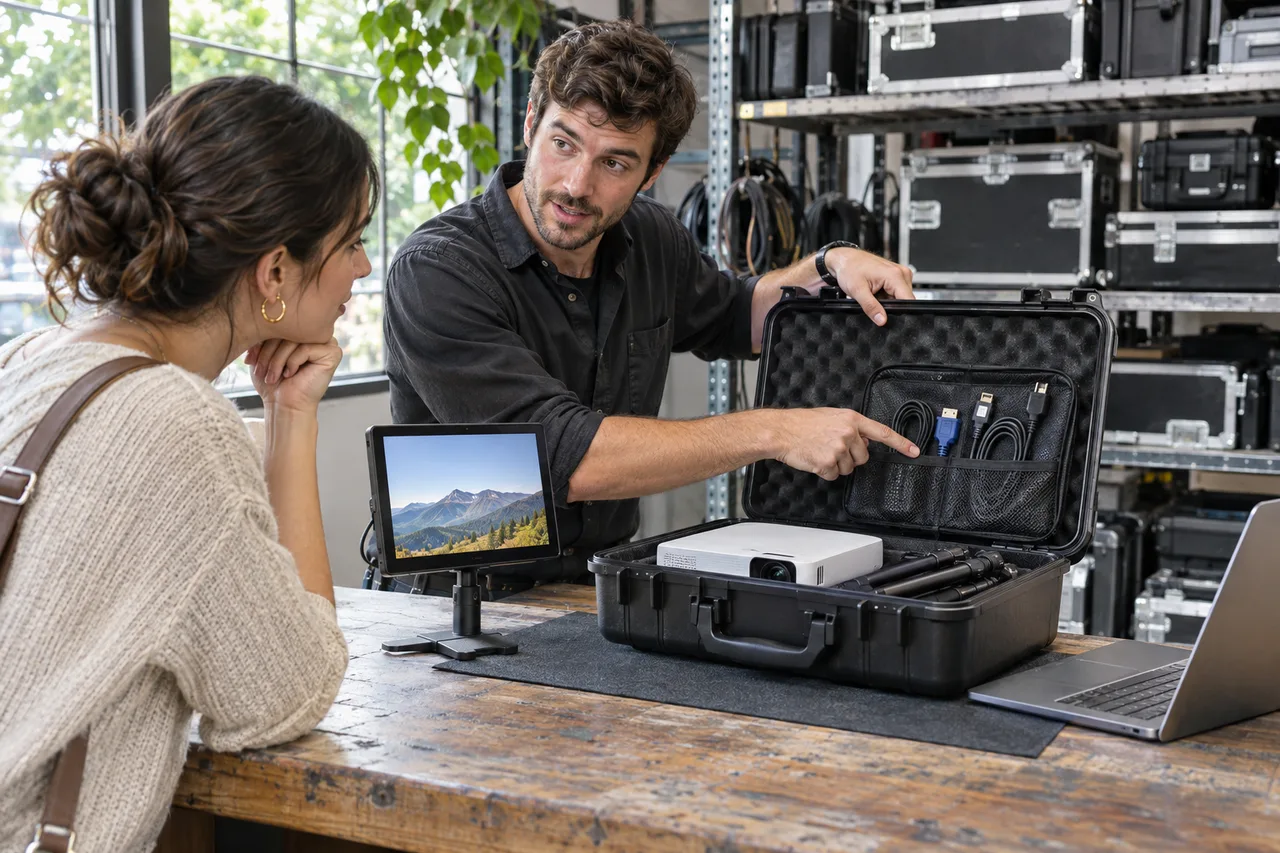
Write down the minimum set of gear needed for a named outcome. A presentation may need a projector, suitable connection, screen, remote, power and a stable supporting surface. A person collecting the gear may need a short operating demonstration or a chance to verify their own laptop with it. Ask which parts a usual venue already has and which must be in the offer. A complete kit can save a customer from finding a missing adapter once they are already in front of an audience.
Check the items that can limit compatibility. A screen size can work for one room and fail for another. A table display needs a surface, room to stand and a safe way of moving through a door. Use your normal shop safety and selection procedures, and consult manufacturer guidance for the equipment involved. If the customer needs a qualified person to do part of the work, put that in the service description. Do not describe a package as simple to operate if staff need to remain on site.
Decide what happens when someone wants only one piece. A worker might already have a projector and need a screen. If you can rent the screen separately, make sure both offers draw from the same stock. A reservation for a complete package should account for each scarce component. Confirm that the warehouse can prepare a package and also lend one compatible accessory without losing track of the complete kit that is due out next.
Compare the offer with the customer’s existing alternatives
Ask how people solve the task today. A neighbor might loan equipment. A venue may include the item with room hire. A customer may purchase an inexpensive version and reuse it. Describe the total work for each alternative: finding the gear, collecting it, preparing it, getting help and putting it away. Your offer should earn the rental on a genuine advantage such as equipment fit, convenient handoff or ready availability. Keep comparisons grounded in what customers actually used.
For example, a committee can buy a basic projector or reserve a complete presentation setup that someone tests before pickup. The purchase may make sense if it has regular use, space to store it and people who know the setup. A rental may help a venue without storage or one that sometimes needs a different size. Learn which advantage made a buyer choose one way and what might make the choice different next time.
Include the possibility that the customer needs a service more than an item. If people are anxious about installation or have strict timing, test a staffed option with enough appropriate labor and planning. A pickup business might choose to serve experienced users instead. Each version may have different demand and economics. Write separate descriptions so it is clear exactly what is included.
Check whether a spare unit solves a different customer problem
An occasional need can be planned or unexpected. A venue may need temporary signage every month while a coordinator may need a replacement projector only when its own fails. The same unit could serve both if you can protect the planned order and respond quickly to a real problem. Check how much notice is plausible and the details a caller can give in a hurry. A rental shop can provide reliable help only when the equipment and qualified staff are actually available.
Decide which change you would accept in a trial. Can you deliver only on predetermined windows? Can a customer collect and return while the business is open? Would a replacement unit have to be checked and charged before it is actually usable? Write down who can approve a last-minute handoff and how the capacity is reflected in the schedule. Otherwise the busiest date will produce a promise the business did not mean to make.
Take one emergency-style request on paper and one normally scheduled request all the way through the shop. Compare the work. A small fee or higher rate may cover extra delivery effort, but does not create an available person. If an urgent service cannot be offered reliably, talk about the planned rental you can support. A clear offer attracts fewer calls the shop cannot help and lets the crew prepare a repeatable handoff.
Build the test around a real customer and a small commitment
Use a small fleet, existing stock or a reputable source that permits your trial arrangement. Offer a real customer a clearly described rental with a time and price you can honor. Avoid presenting stock as available before you can confirm it. If you cannot yet serve a paid offer, collect an expression of interest separately and make its status clear. A customer asking for a date is evidence of interest. A delivered order shows substantially more.
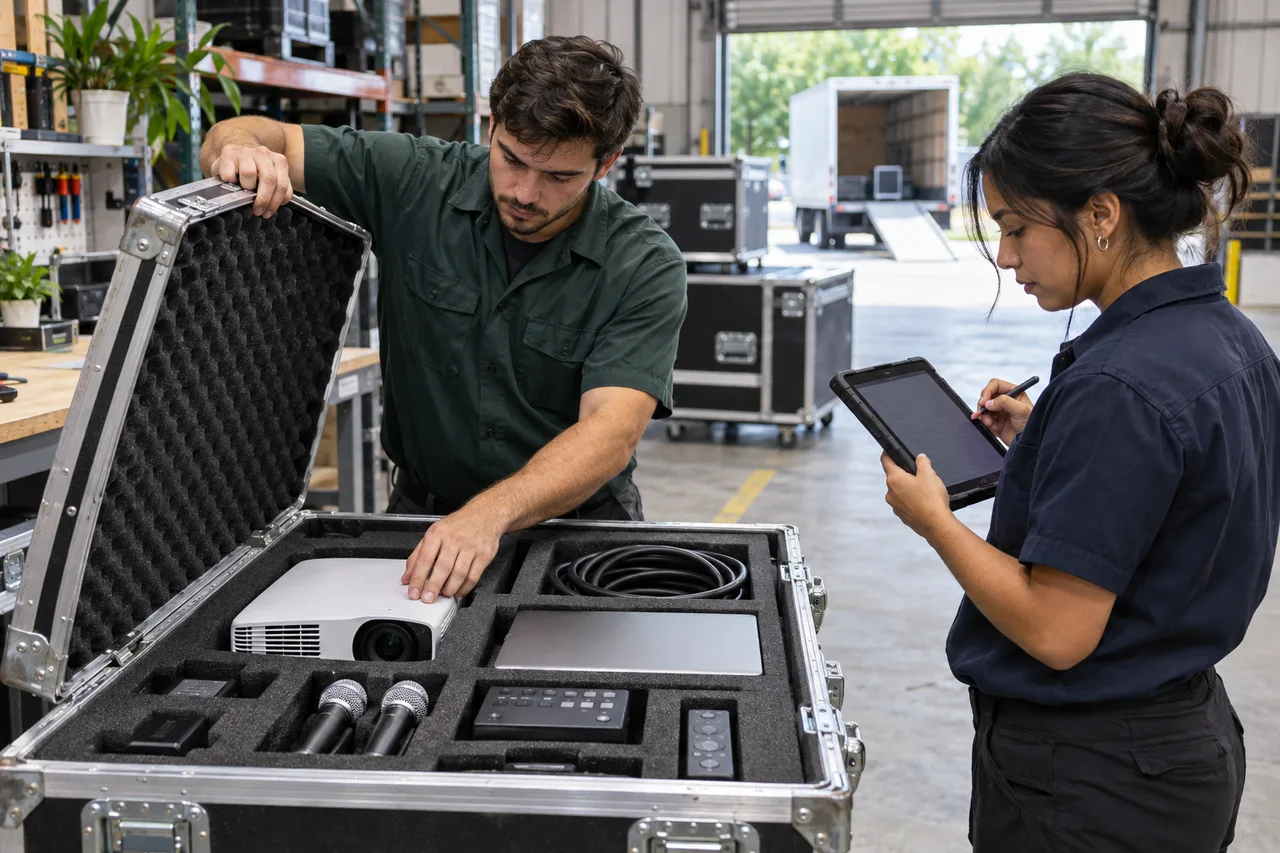
Choose one or two cases where the work is ordinary for the proposed rental. Record collection, support and return as well as the customer’s activity. Ask what the customer did first when they opened the kit and which instructions they used. Count preparation and receiving time. Check whether anything needs replacement or whether the kit can be released at the time the next customer expects it. Document facts for a simple standard order instead of starting with a highly customized event.
Test a second group whose reason for renting is similar but whose conditions differ. A nonprofit might use a community hall with a small table, while a venue might have short access between other events. Change the offer only where the requirements truly differ. The test can show whether you are serving one detailed request or a repeatable problem with ordinary variations.
Work out how many days the equipment can contribute
Track the full commitment period. A three-hour meeting could tie up a projector from Friday pickup to Monday inspection. Write down the actual rental window, time spent preparing and checking the kit, and days it was idle. Plan for missing accessories and periods when demand falls. The fact that equipment could be rented on paper every day does not mean customers need it on those days or that the shop can turn it around that quickly.
Compare what the order contributes after direct labor, consumables, repairs and fulfillment. Use a modest case for the months you expect to be quiet. Then estimate the ownership and storage costs the remaining contribution must cover. Evaluate a smaller package, different pickup window or alternate route if operating effort is the constraint. Use figures from the trial and keep guesses labeled.
Consider which equipment has more than one genuine use. A standardized projector setup might serve receptions, community meetings and trade displays. A specialized mount might only fit one venue. Shared uses can help spread demand and raise utilization, but may also increase overlap on busy dates. Compare the calendar and stock needs across the jobs before counting all of them as additional capacity.
Give the offer a name customers already use
Name the outcome as well as the equipment. “Small room presentation kit” may help a customer who does not know which projector to select. A short product page can say what is included, what the room needs and which part the business helps with. Include useful photos of the complete kit and its normal setup. Explain how someone checks dates and what the shop will review before confirming.
Put information near the people who hear about the task first. Venue managers, meeting organizers and event volunteers can help you learn how to describe the product. Use clear referral instructions when you have an approved relationship. Track which inquiries arrive with a date, a plausible location and a need the business can serve. This is more useful than counting all views of an unusual item.
Review the first few bookings with the people receiving the equipment. If an adapter repeatedly comes back missing, improve the packing or handoff checklist. If the customer needs a later drop-off every time, reconsider the selling window. Small changes to the service can make it easier to use without buying more units. Keep the accepted offer and the warehouse instructions aligned.
Learn whether a single kit can travel between groups
Use two or three examples from the interviews. The neighborhood association needs an easy setup in a small room. A sales team wants to show a looping presentation at an exhibition. A wedding coordinator wants visitors to see a short video without drawing attention away from the ceremony. Decide which parts are genuinely shared and which depend on the room or the user. A kit that does nearly the same job for several groups can spread demand across the calendar, as long as the shop can clearly explain what is included.
Check the handoff with the least experienced likely user. Show them the contents, then ask them to match the pieces to the written list. Lay out the kit in the order a person would unpack it and check what happens when the return bag is opened. If the instructions have to cover several different devices, label the compatible choices clearly or reduce the options in the standard configuration. A successful rental involves getting the equipment into use and back to the shop, even if the person handling it only sees it twice a year.
Find a clear way to record differences between use cases. Suppose an exhibition requires the same projector and stand but a different type of connection. Keep the variation in the order and packing list rather than sending three possible cables and hoping all of them come back. If a group needs another piece that is hard to provide, offer it through a reviewed quote instead of treating it as standard equipment.
Talk to a customer after a second use. Ask whether they remembered how to choose the package, whether the instructions still made sense and what they would do if the venue moved. These observations help a shop decide whether it has a simple repeat rental or a job that always needs to be configured. A group that can order again from a clear record may be more useful than a poster or advertisement that earns lots of unrelated inquiries.
Check which customer details should be confirmed on each repeat booking. A venue might have changed its layout even if it booked the same setup last time. A committee may have a new person collecting the kit. Give existing customers an easy way to confirm the new date, pickup contact and location without assuming the earlier details still apply. The office can use the old order to guide the conversation while reserving the new one on its own terms.
Choose whether to repeat, refine or stop
Make a decision after the trial using observed demand, contribution and time. Keep repeating the offer when customers come with similar jobs and the crew can perform the handoff reliably. Refine it when a specific issue such as trip distance or return staffing limits the result. Stop when the observed demand cannot cover even a small version. You can save the test plan or retain a sourced option for rare special requests.
Record the decision in terms a future employee can use. Describe the job, what the person usually asks for, what the package includes and which situations need review. Write why the offer works with the current equipment and calendar. Check those facts before buying another unit or expanding to a new type of customer.
The opportunity starts with occasional work the renter has to get done. The product makes sense when several customers need it at manageable times and the shop can deliver a reliable kit. Test that complete job, document the service and let actual use determine what you stock next.