Select party rental add-ons that share the same delivery
Choose rental add-ons by checking stock, truck space, crew time and return work before promising they can go on the same trip.
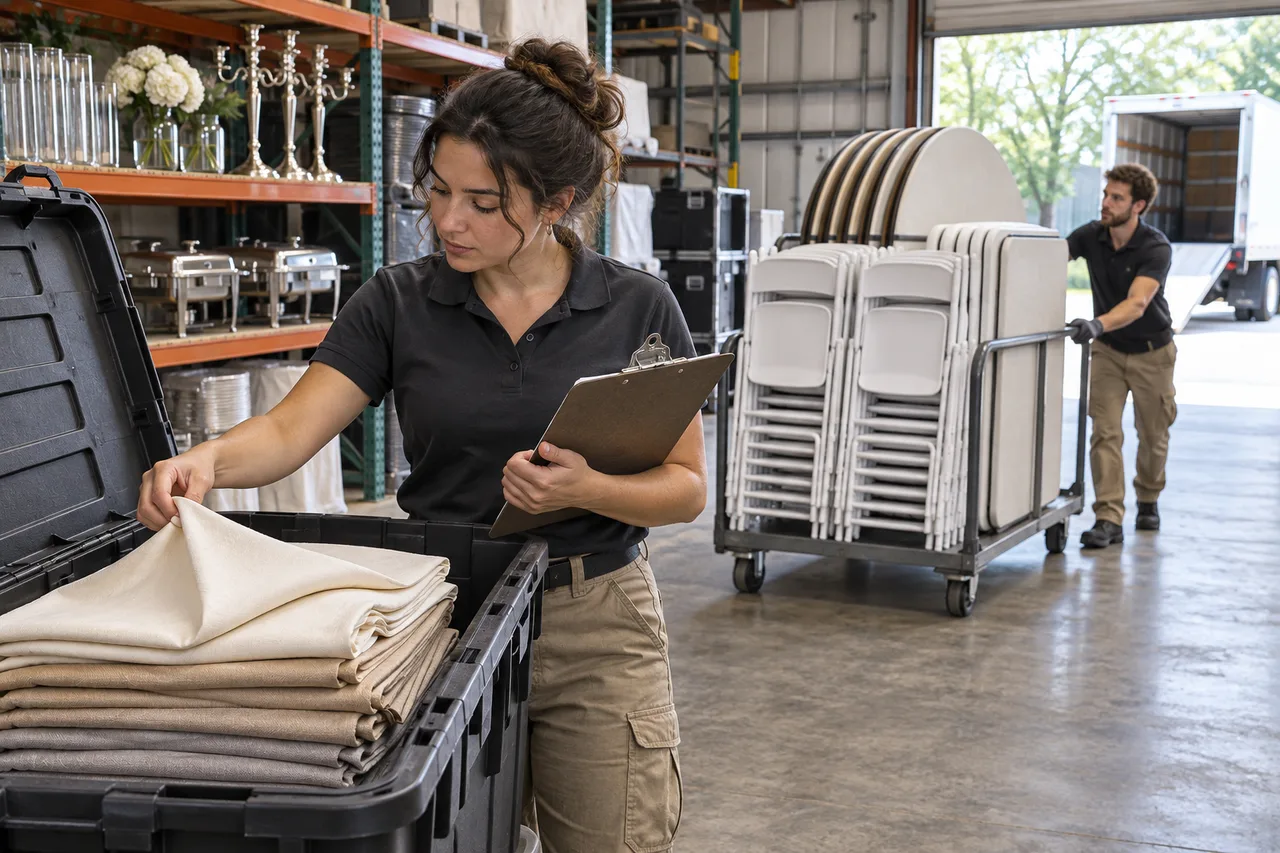
A customer adds six linens to a table delivery and everything still fits in one trip. The next customer asks for a concession cart, which needs more space, a longer handoff and extra cleaning when it comes back. Both are add-ons. Only one fits the current order without changing the work the business has promised. Evaluate each addition against the actual vehicle, site, crew and return plan before offering it as part of the same delivery.
Start with items customers already request. Look at recent orders for accessories they ask about after accepting the main rental. Ask the warehouse how each one would be picked, packed and received. The useful candidates solve a clear problem for the customer and have a repeatable place in the existing trip. A small first test can show whether the package works before you make it an option on every order.
Choose additions that serve the same customer need
List the items people naturally use with a common rental. Table customers may need compatible linens. A small stage booking could need a defined accessory that the crew already handles. An outdoor event might need a second set of chairs if the guest count grows. Write down what each choice solves and what must be checked before it is accepted. A general “something extra” offer takes up space in the booking path without explaining what the customer will receive.
Group candidates by the level of extra work. Some additions are another count from the same shelf or a small case that can be staged with the main order. Others need a trained employee or a separate return procedure. Give those items a different sales path if the business needs to confirm the work first. A customer can still ask about them, and the office can verify how the order would be fulfilled.
Check which main rentals genuinely go with the addition. A linen sized for one table may not suit another. An extra table can change the layout or fit. If a product requires a separate power, access or preparation decision, capture that in the offer and let the appropriate employee verify it. The warehouse should be able to identify the approved pieces from the accepted order without assuming which combination the salesperson had in mind.
Check the schedule before counting the vehicle space
Read the original delivery and collection windows. Put the extra work beside the tasks already planned, including how long the crew needs to bring the pieces into the venue. A tote of linens may move with the same cart. A large game may require another trip through a corridor. If the venue can only receive a load for part of an hour, adding another handling step can leave too little time for the accepted setup.
Check the warehouse at the same time. The addition might need to be cleaned, verified or packed before the main cart can be closed. If the order is already staged, identify the person responsible for revising the pick list. Check which other stops share the vehicle and the next time it needs to be ready. The question is whether the extra work can fit all relevant windows, including the return.
Make a clear distinction between delivery and service in the customer-facing promise. A set of linens can be dropped off with the tables, but the customer may need to know whether staff put them on. Verify the scope when confirming the extra. Teach the crew to recognize the accepted service on the order. This can keep a simple extra from becoming an unplanned assignment at the site.
Find a real place for the extra equipment
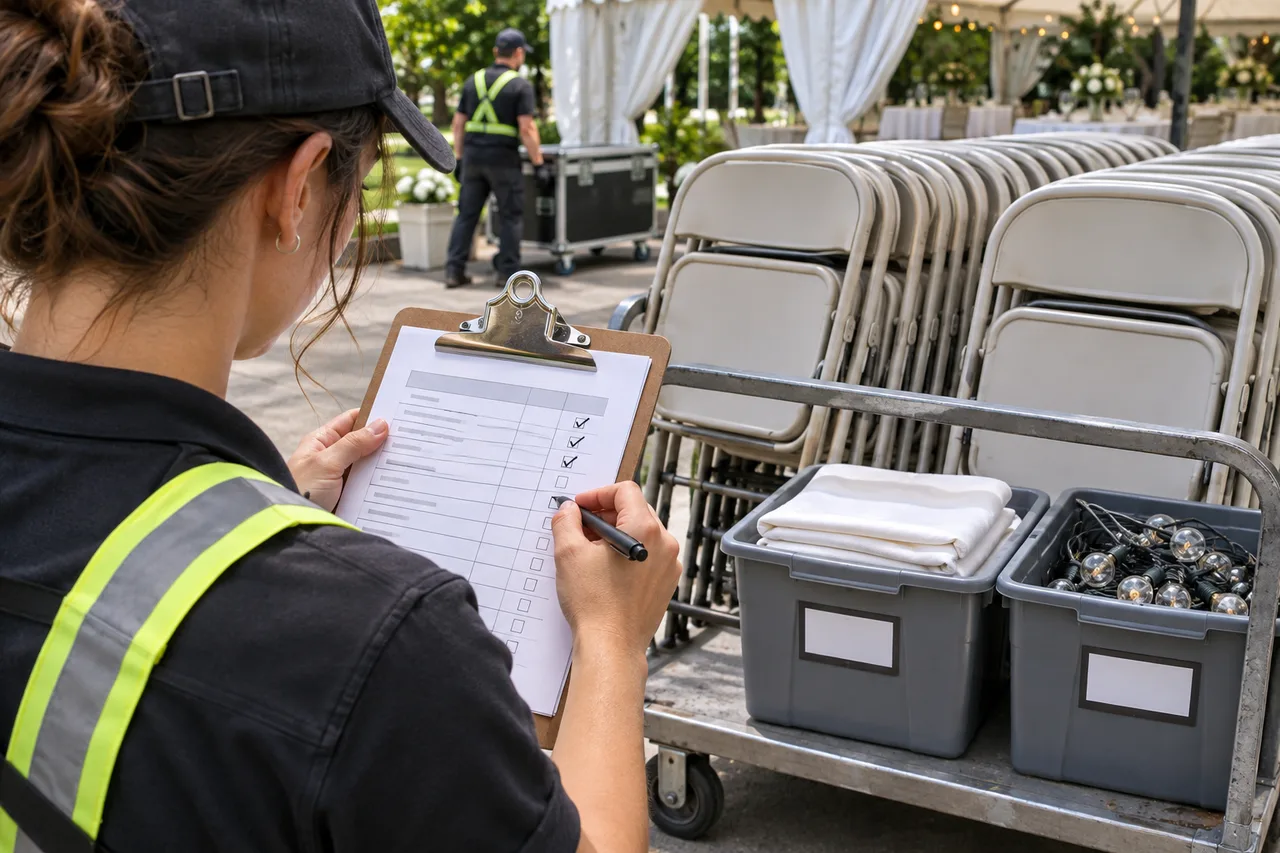
Use the vehicle and packing arrangement for the particular trip. Check the packed dimensions and counts with the warehouse and have staff confirm applicable vehicle capacity and approved handling procedures. Include extra cases, carts, covers or supplies needed by the addition. The current load might already use the open space that looked available during quoting. Check with the appropriate crew before accepting a large extra.
Think about placement at each stop. An addition that belongs with a job should be accessible when the main equipment is handed over. If one large piece would block equipment for an earlier visit, check another placement or vehicle through normal procedures. Keep the add-on clearly associated with the order and visible on the loading list, even if it travels in the same tote as other parts.
Consider the return separately. An addition might come back through another receiving door or require its own inspection, laundry or refill. Tell the crew which items to collect and where they will go once the vehicle returns. If the rental involves supplies customers keep, document what the warehouse expects back. A clear return instruction can save the customer a follow-up and the warehouse a recount.
Reserve the addition where the physical stock lives
Use the same inventory record for an item rented alone or with a package. Imagine you have twelve cream linens ready for Friday. A six-table delivery adds six linens, and a different customer orders four linens alone. Two remain for that interval once both orders are confirmed. If the add-on uses a separate count with another twelve available, the storefront can accept more than the warehouse has. Check the booking from both paths with a known quantity.
Test how the addition behaves when the main order changes. If the delivery moves to another date, verify that the added stock and service also fit before confirming. Try a partial reduction. If the customer changes from six tables and six linens to five tables while keeping six linens, the order should show the actual agreed quantities. The warehouse needs a way to see what quantity changed instead of treating every revision as a whole replacement.
Use the normal rules for handling and cleaning windows. A linen can be back at the warehouse while it is still waiting for laundry. A game or projector accessory may need an inspection before the next outing. Check the date when each part becomes ready and decide whether customers can rent it on that next order. Give the person reviewing the package one place to find the answer.
Estimate what the addition contributes after extra work
Write down expected revenue, preparation time, added travel or labor where relevant, supplies and the return steps. Check whether customers need a separate explanation or another staff visit. If the addition is simple and uses otherwise available capacity, the work may be modest. If it adds a new setup or another receiving step, allow for what the business actually does. A shared trip does not make every subsequent task free.
Take an illustrative example of six linens offered together for $54. Suppose the additional preparation, handling and return work totals eighteen minutes. At a planning cost of $30 per crew hour, the time comes to $9. If laundry and wear add $18, the remaining contribution is $27 before overhead and any other costs. Replace the assumptions with actual numbers after a few orders. If placement was also included, measure those extra minutes as part of the work.
Compare the result on a quiet day and a full route. An addition might work while the crew has room between appointments but displace another service when the truck is fully loaded. Decide how the offer should behave near capacity. The sales role can ask for a review when an add-on might require another visit. Make a visible decision about an eligible time, vehicle or alternate so the customer understands the offer.
Pilot one addition from offer to return
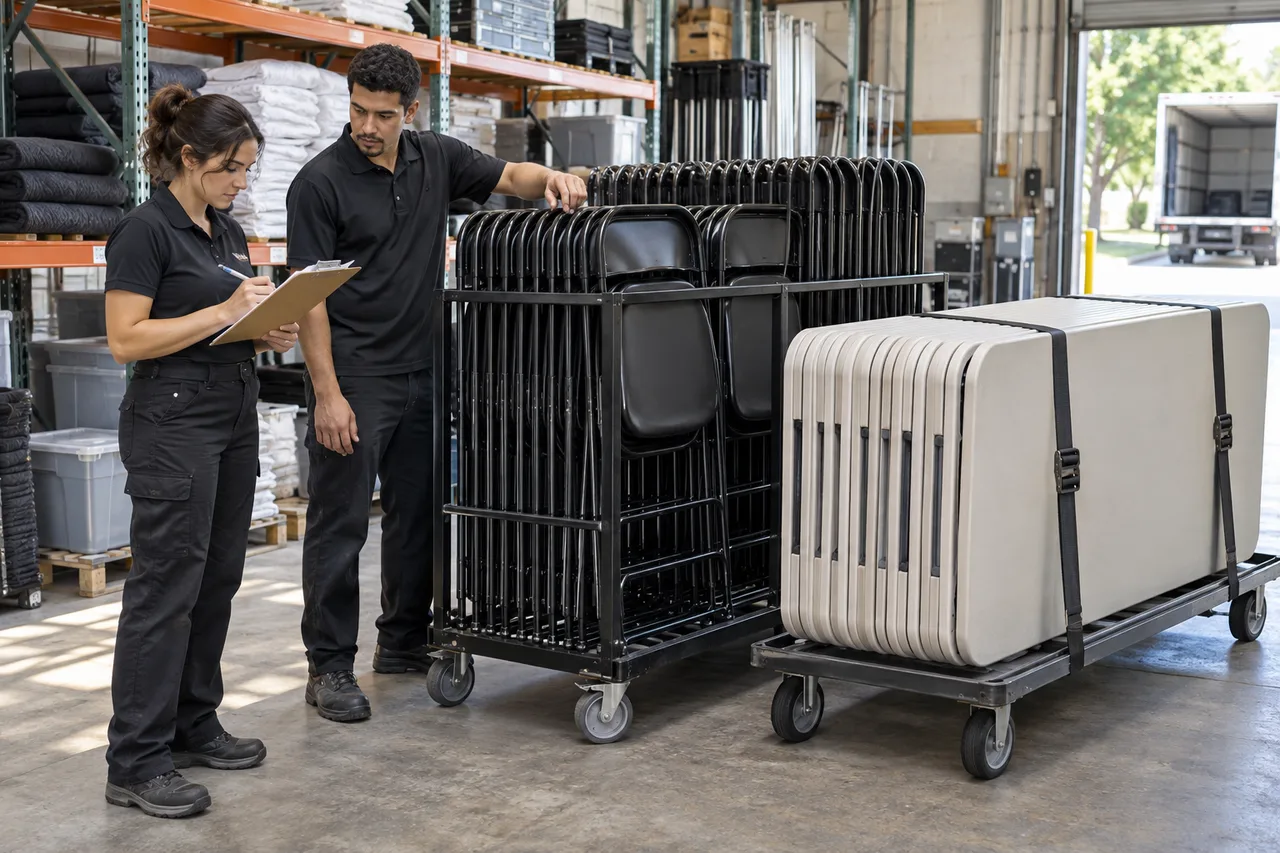
Choose the compatible linen set and offer it on four or five eligible table orders. Confirm the colors and sizes with the warehouse. Give the office a clear place to check stock and the pickup or delivery window. Put the included quantity and any separate placement service on the order. Prepare each tote with a record of which table order it belongs to and tell the receiving crew where it should go at return.
Record what happened across the pilot. One order might add six linens with no schedule change. Another might have two colors requested and need an extra conversation. A later customer might ask for placement that the crew cannot fit. Count time spent checking and explaining each case along with what was earned. Ask the warehouse whether it could find the correct tote and recognize the expected return. Small differences can show whether the offer needs clearer limits.
Resolve a typical exception using the regular booking process. For example, the customer could remove two linens after the tote is staged. Have the office update the order and give the warehouse the revised quantity. Check that the returned count will match the edited list. See what availability changes for another order. If the team can manage that exception without extra detective work, the option is easier to support on a full schedule.
Make the offer clear when the order is still being planned
Give the customer enough information to decide whether the addition fits. Use a short description of what is included and what needs a separate quote. Put the option near the relevant main item or ask about it during the normal sales conversation. An order for six tables may use six linens, but another customer could want a spare or a different number. Give the quote owner an ordinary way to verify the quantities.
Explain the effect of late edits. If equipment is already on a truck, the business may need to decline an additional same-trip request or propose another arrangement. Make sure the employee who answers can check staging and confirm who owns the decision. If a different option fits in the same trip, share the details with the customer and record the accepted change. A successful sale should lead directly to a correct pack and handoff list.
Check what a customer sees when the add-on isn't available. Show a suitable option if the business can confirm one, such as another color or a different date. An item needed to use the main rental deserves a different response from a purely optional piece. Staff should be able to explain whether the main reservation still works and what, if anything, requires a decision before the order is accepted.
Review whether the add-on belongs on more orders
Compare the completed pilot with the jobs that did not accept the option. Look at how many selected it, how often the crew used the original trip and how many extra steps appeared at return. A high take rate means little if the customer regularly expects a service the business did not plan. Fix the wording or fulfillment plan before increasing the volume. A clear option can be small and still be worthwhile.
Review wear and handling after enough ordinary returns. If a part consistently arrives mixed up with another order, reconsider the label and placement on the truck. If cleaning occupies the only area needed for the next kit, change the return procedure or limit which dates can include the additional item. Keep the chosen process simple enough that the next employee can follow it without the person who ran the pilot.
Give the office a few examples it can use when describing the offer. One should show a normal same-trip order. Another should show an add-on that needs an extra check because the crew or vehicle is nearly full. The first employee can check the actual stock, route and expected service when a customer asks. An add-on is worth expanding when customers can use it and the team can pack, deliver and receive it without compromising the rest of the work.
Try a case where the addition doesn't fit
Suppose the same customer asks for a large concession cart after the crew has loaded the tables and chairs. Ask the warehouse what the cart needs for transport, what the venue will allow and whether there is enough time to perform the handoff. The option may require a separate truck, extra setup or a longer return check. Get a practical estimate for that work before deciding whether it can travel. If it cannot fit the accepted visit, the office can propose another arrangement or keep the original booking as agreed.
Now compare the cart with a smaller item that addresses the customer's actual goal. They may only need a table with a cover to host a refreshments station. Check whether a table, cover and compatible accessories can be staged for the already accepted date under the usual process. Explain what the alternate includes, and let the customer decide whether it serves the event. Confirm the updated list and handoff after the customer accepts it.
Record why the concession cart was declined for the original route. If the same request comes from several owners with similar sites, check whether a separate offer could be planned well in advance. Look at both outbound and return timing and ask who can verify the site requirements. The route can support different categories of work when staff know which conditions must be satisfied before each one is accepted.
Give dispatch and receiving a short shared check
Before releasing a combined order, confirm the current counts, delivery sequence, accepted service and expected return. Name the person who will review a missing piece or a site change. A six-linen tote might be counted by the warehouse, while the driver verifies it belongs to the right delivery and the receiving employee records how many came back. The order should show enough detail to connect those checks without asking one person to retype the full list.
Try a return with one item missing and another that needs a different cleanup process. Put both results on the order and check whether the warehouse knows what staff can prepare for the next rental. The customer-facing record can keep the additional quantities visible even when they appear separately during receiving. If a substitute item went out, require the approved change to reach the return instructions too.
Set a time to review the most popular add-on after its first busy period. Compare the number of orders that fit the original route, the actual extra handling time and the most common exception. Ask the person who loaded the truck whether they could identify the addition easily and find room under the normal plan. Adjust the offer if another role routinely has to intervene. A good same-trip option continues to work when a different crew handles the next event.
When adding a second option, run one order that includes both. Confirm the combined space and work, then check the total and the expected return count. Two separately manageable extras can create a larger change together. A quick shared review helps staff offer the combinations the business can genuinely serve.
Use the combined example when training a new coordinator. Ask where each item is picked, when the crew will deliver it and who counts it at return. If the answer requires several assumptions the order cannot support, add the missing information before making the option available on more dates.