Model a boat rental day from dock to return
Model a boat rental day around vessel readiness, qualified staff, dock capacity, active trips and turnaround after return.
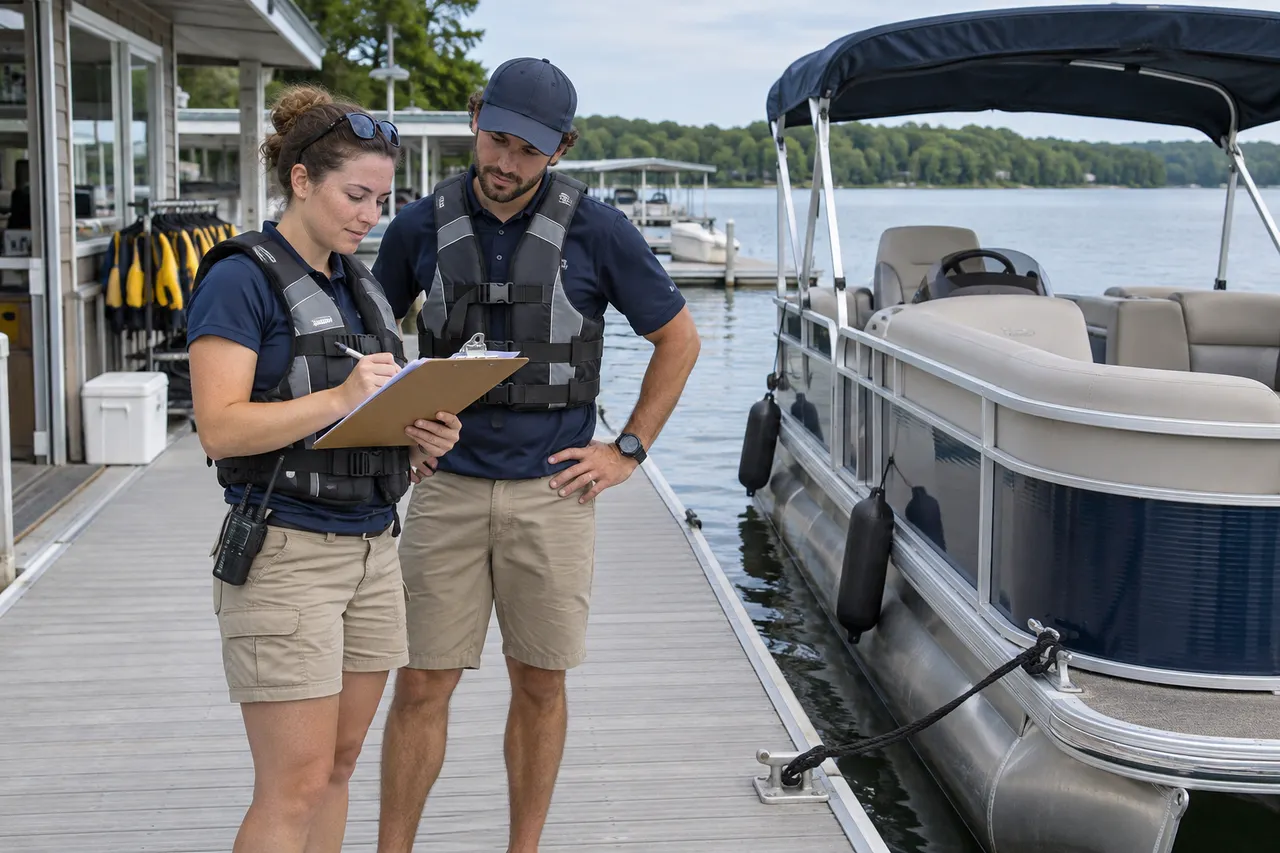
A marina has three boats on the rental schedule. Two are ready at the dock. The third has returned but still needs service. The afternoon calendar shows an open window, and the office can already see a party asking for it. A dispatcher looks at the dock, staffing and expected returns before offering anything. They need a definite answer about which boat and team will be ready, rather than a forecast based only on the time another rental was supposed to end.
A boat rental day includes reservation review, preparation, the dock handoff, activity on the water, verified return and release. Model the whole day in that order. Use qualified local procedures and applicable rules to approve any actual operating area, vessel, equipment and operator. The schedule helps the business honor those decisions. It should never make a trip go forward just because a time slot appears open.
Define the trip the marina can support
Start with a particular vessel and type of rental. Identify the time, approved operating area and the responsibilities the business and customer will each have. If the company offers a staffed service and a separate self-operated option, keep the distinctions visible. The two may depend on different qualifications, staff and confirmation steps. Work with the appropriate experts and authorities before putting either option into the catalog.
Ask for the information needed to review the booking. Depending on your operation, that can include the intended date, party size, appropriate qualifications and a reliable contact method. Let staff review anything that falls outside the usual situation. State the practical requirements the customer needs to review before arrival. A larger party or a change in the intended route should cause a new decision rather than being treated as a note on an already accepted request.
Keep the offer clear about the difference between arrival, departure and return. A four-hour trip that departs at ten might start with a required check-in well before then. The group also needs to know when and where it is expected back. Include the precise marina or dock in the confirmation. If the marina has several access points, use the description staff will recognize at the time of the handoff.
Reserve the vessel, berth and crew together
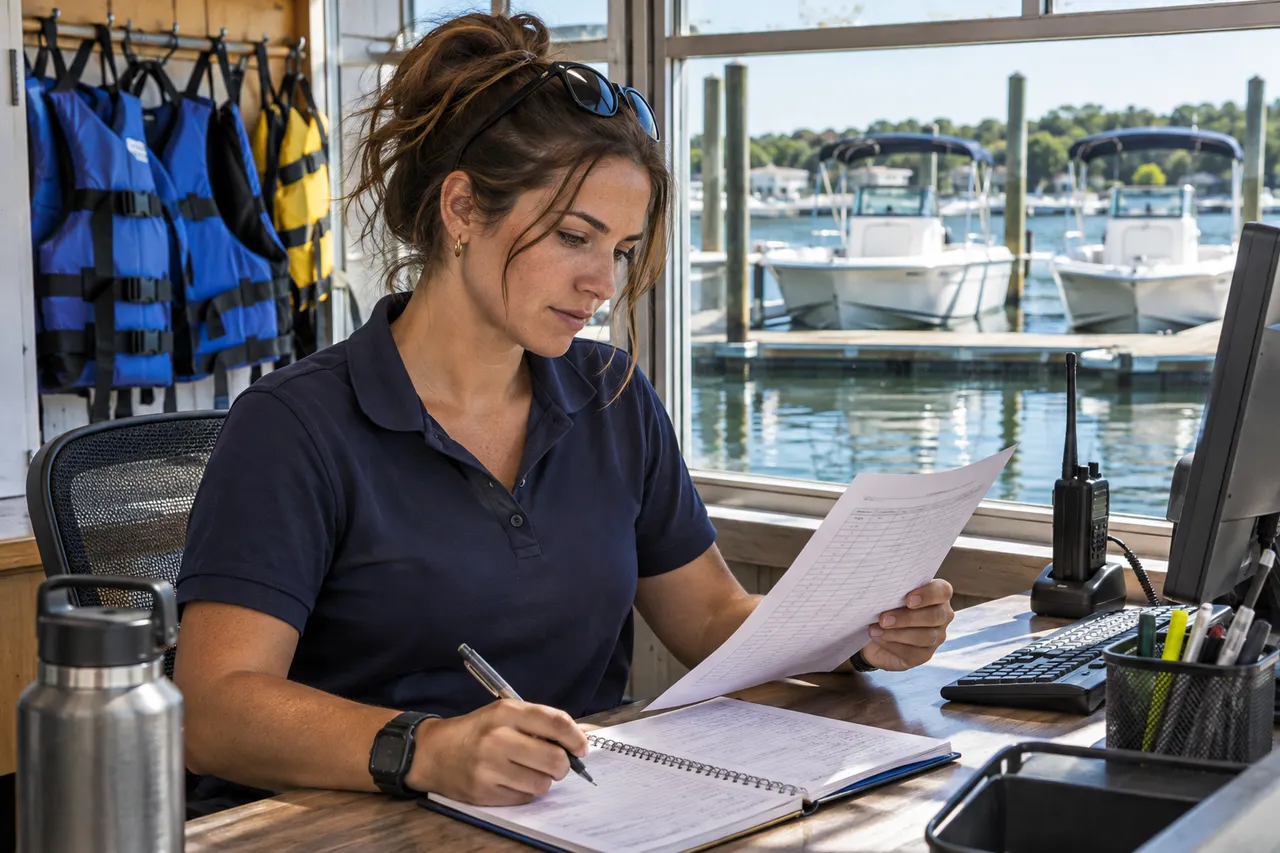
Identify which vessel is suitable and will be ready. Reserve the full interval when the boat is committed, including the marina’s normal preparation and post-return procedures. Check availability of any berth or dock access needed for the handoff. Add the appropriately qualified personnel who need to be there. The boat can be unbooked and still unavailable if the marina cannot complete the handoff or receive it in the necessary window.
Separate simultaneous work into capacities staff can understand. One employee may be responsible for both departure preparation and return review. If two parties appear at the same time, give staff a way to complete each required check without rushing. Stagger arrival windows where appropriate, and plan additional qualified staffing if the schedule repeatedly conflicts. Put the real departure and return limits on the calendar rather than handling every conflict after a booking.
Use a test with two simultaneous requests. Suppose both require the same boat type and a trained staff member who is already due to receive a party. Determine which booking, if any, can be accepted at the requested time and what alternative can be offered. If the schedule only tracks the vessel, identify how the staff constraint will be reviewed. Make the review part of the normal workflow so a rare Saturday conflict does not depend on one dispatcher remembering it.
Confirm preparation and conditions before release
Use the business’s vessel-specific inspection and operating procedures. Assign the check to an authorized worker and record its result against the actual boat. Keep the required equipment and documents associated with the booking as appropriate. If a unit is being substituted, verify the alternate vessel and accessories under the same process. Tell the customer what has changed and check that the approved trip still fits the replacement.
Assign someone qualified to review conditions. Use the current official information for your area and the marina’s approved decision process. Record when the decision was made and who will revisit it if conditions change. Avoid making the customer guess whether the booking is ready. Keep a visible pending status when the trip cannot be confirmed yet. National Weather Service marine forecast guidance
Give staff a route for a hold or declined departure. There may be a problem with readiness, qualifications or local conditions. Notify the right worker and explain the supported next step to the customer. If there is another vessel or window, verify it independently. Otherwise follow the applicable cancellation or rebooking process. A model that includes legitimate holds helps the office avoid sending a party to a dock before the marina is ready.
Make the dock handoff a recorded event
Use the approved process to verify the party and booking at arrival. Check that the customer receives instructions and equipment applicable to the boat and area. Assign the person authorized to complete the briefing and make the readiness decision. Record the actual departure time, assigned vessel and anticipated return. Keep documentation consistent across the dock and office. The office should be able to tell whether a party has arrived, is still waiting or has left.
Confirm the plan for contacting the marina and for emergencies under your local procedures. A float plan can support the operator’s pre-departure preparation. The U.S. Coast Guard provides a reference that describes recording and sharing trip information with a reliable person. Coordinate the organization’s practices with qualified guidance and avoid sharing personal details more broadly than the job requires. U.S. Coast Guard float plan resource
Test a party that shows up with a changed group or after the agreed arrival time. Verify who can approve a change and whether the vessel can still be prepared and returned within the window. Explain the outcome before accepting payment or making additional commitments as appropriate. Make sure staff can find the original and revised terms. The worker handling return needs the plan that was accepted, rather than the trip the customer originally requested.
Connect the trip in progress to the expected return
Keep a current list of vessels out, actual departure, agreed return window and applicable contact or route information. Use the operator’s procedures for monitoring and changes, with clear responsibilities for the dock and office. A customer asking to extend the trip should receive an actual decision. Check later reservations, staff availability and applicable operating conditions before agreeing. If approved, update the return expectation and tell the people preparing the next boat.
Practice an overdue case on paper. Define who sees the schedule first and how they identify the boat and party. Follow the marina’s qualified communications and escalation procedure. If there is an emergency, contact the appropriate local authorities promptly as directed by the procedure. Plan for a handoff between shifts so nobody assumes somebody else is already following up. Record what is known and the next action. Keep the boat out of the availability pool while its status is unresolved.
Watch how delays affect the queue. If the first scheduled return moves later, the second customer may need an update before arriving. Identify another suitable vessel only if staff can verify it and complete the required checks. Keep the known current status visible to the person answering inquiries. A booking should not appear certain simply because its scheduled start time has not yet changed.

Reconcile what comes back before offering the next departure
Record the actual return under the marina’s procedures. Confirm the vessel and rental record, then route the boat through any inspection or service it requires for its next use. Keep a separate ready status. A boat alongside the dock may need qualified review or service, and a worker should know when that decision is expected. Where a condition issue needs follow-up, preserve the facts without releasing the vessel.
Check the related equipment and customer details through the approved process. Staff should be able to document what came back, which issues need follow-up and whom to contact. If the shop uses photos where appropriate, store them with the specific issue. Reconcile adjustments with the accepted terms and applicable procedures. Keep operational release separate from a billing review so a boat is never cleared solely because an order is financially closed.
Review the full interval between return and release. A late return might reach the dock when the responsible worker is finishing another task. Record which part of the reset took longer than expected. If the business needs thirty additional minutes in a typical window, change the booking plan or staffing before accepting closer departures. Releasing a boat only after authorized checks are complete keeps the next schedule grounded.
Show the actual operating day to the office
Use a sample to check the model. A vessel is due to return at two and has a proposed departure at three. The qualified return worker is also assigned to a separate scheduled handoff at two thirty. Put the return steps and required personnel on the same timeline. Decide whether another properly qualified worker can cover it or whether the next departure should be offered later. Try the example again with a delayed return or a hold for review.
Create a view showing vessel readiness, next pickup or handoff, active trip status, expected return and the person responsible for the next decision. Make it easy for the office to tell whether the berth is blocked or a customer needs to be notified. Give the next shift high-priority exceptions and known review times. The schedule should make the actual work easier to coordinate without exposing information to people who do not need it.
Compare outcomes from ordinary and busy days. Measure planned and actual arrival, departure and ready times. Identify delays that happened more than once, such as staffing collisions or missing equipment waiting for verification. Review how often a condition review changes the schedule and how early customers hear about it. Adjust slots or staffing when evidence points to a specific recurring constraint.
Decide what changes when you operate from more than one dock
A marina might use different locations for departure and for normal service. A second base might have boats that look similar but have different docks, available workers or local restrictions. Treat each location as its own plan. A combined count is useful for ownership. It cannot tell the customer where to arrive or whether their booked boat is available to staff at that site. Assign the vessel, appropriate berth and responsible worker to the site that will actually serve the booking.
If a vessel needs to move between sites, include the movement, qualified crew and availability for the required checks at the destination. A pending transfer should not put the same boat in both calendars. Try a practice case in which the boat returns to service later than planned after a transfer. See who can verify the new ready time and tell the office what the customer should do. Keep a backup option tied to a verified vessel and site, rather than to a generic promise of another boat.
Update directions when a change has been approved. A party may already be traveling with an older message. Send the current location through the normal booking channel and confirm that the person responsible for the party received it when appropriate. Check who is prepared to meet the group. If the new location affects their terms or timetable, preserve the accepted revision. Staff at both docks should know which one has the booking and which one can release its old assignment.
Rehearse a closure before the busiest time of the season
Run a short practice example based on the conditions and review process at your marina. A responsible worker may need to halt departures while two boats are already out and three parties are due to arrive. Start by identifying what has been confirmed on the schedule. Give each active trip its approved communications and return process. Give pending customers a consistent update and a realistic time for another decision. Direct emergencies to the appropriate local authorities through qualified procedures.
Record what the closure does to availability later that day. Canceling a departure may free the vessel on paper while the berth stays unavailable or the crew remains occupied. A proposed new time still needs a fresh review of the boat, conditions and schedule. When a renter accepts different terms, record the new plan in the same place the dock sees. A hold status is useful when the marina cannot yet determine which bookings can go ahead.
Include the person directing customer communications in the practice. Ask them to explain the difference between a confirmed cancellation, a postponement under review and a new booking. Compare that with what the scheduling and billing roles see. Document which issues need follow-up after the first safety and operating decisions have been made. If a refund or alternate offer is reviewed separately, keep its reference tied to the changed reservation so staff can trace it later.
Review operating results before committing more time to the same offer
Compare planned and actual hours for one vessel over several completed days. Include briefings, wait time, return and qualified reset. Measure which scheduled slots were actually available to sell after allowing for all commitments, including work at the dock. The owner can then see whether a longer rental improved use of constrained staff time or simply moved the backlog to the end of the day. Discuss the pattern with the workers who approve and receive the boats.
Look at which hours remain open and why. The morning may be workable while the afternoon often overlaps a service window, or one group size may regularly need different staffing. Identify the specific reason before changing the offer or price. Try a limited set of revised times and compare the next several orders. Clear information about availability can help renters choose useful times without assuming that every opening on the clock is equivalent for the marina.
Grow only when the complete dock cycle can absorb it
Before adding a vessel or longer opening hours, try the proposed operating day with the staff who will run it. Add arrival, briefings, returns and acquired maintenance work. Check whether a new boat opens genuinely usable times or shifts the pressure to the same berth and workers. Make time for supervised trials and condition reviews. Keep the initial release small until staff can repeat the whole process.
Choose an approved alternative for the cases the business sees often. If similar parties regularly ask for another start time, consider whether a different window would avoid the main return queue. If conditions frequently delay one area, use the appropriate review to determine what service is feasible. Revise the explanation on the booking page so customers see realistic options before they arrive. Compare what happens on another comparable day after the changes.
A dependable boat rental day tells staff which vessel is ready, where the party needs to be and what still has to happen before the next departure. Build the offer around the entire trip and its supervised return, then use the real dock cycle to decide what to sell.