Compare inflatable sale prices using total landed cost
Compare inflatable supplier quotes using freight, required components, receiving cost and the time it takes to get equipment ready.
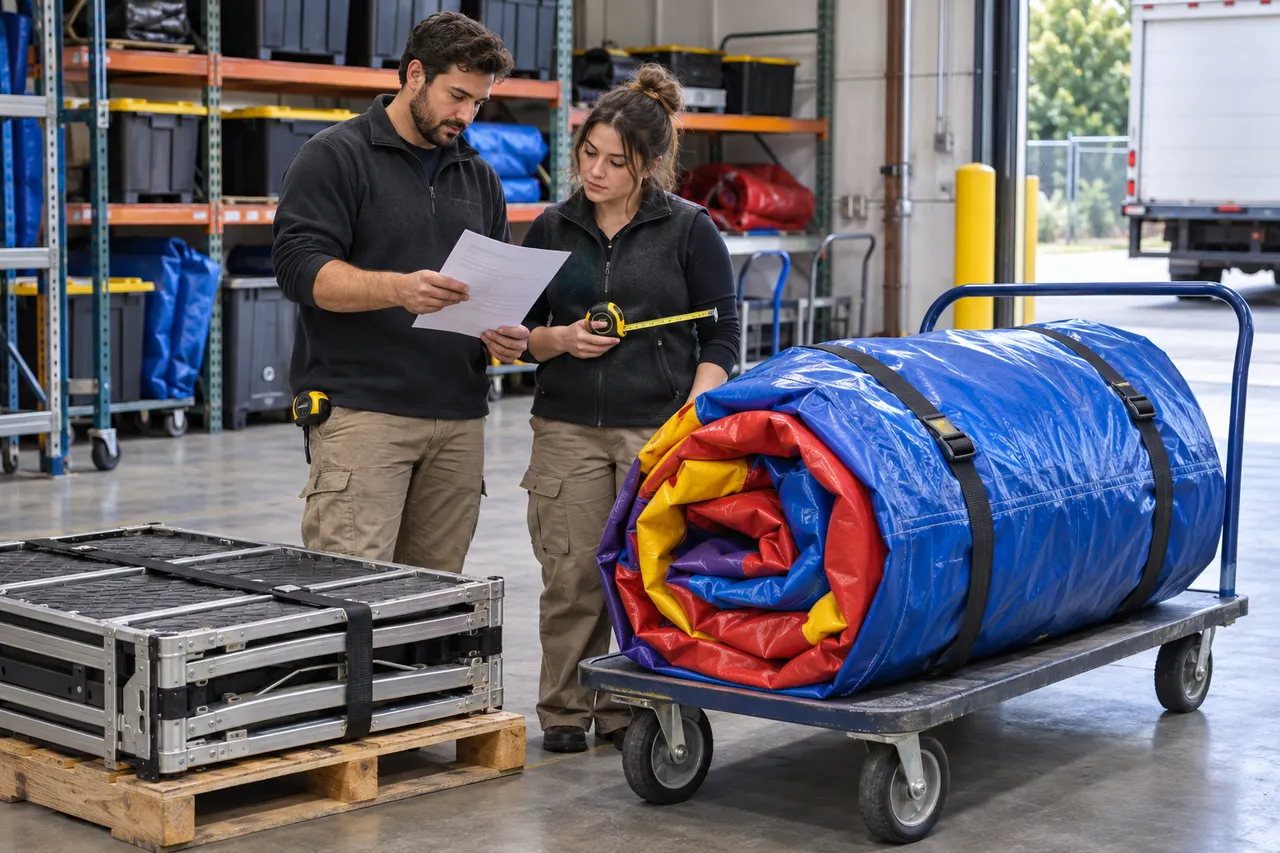
An inflatable rental owner compares two supplier quotes. The first unit is advertised at 2,500 and the second at 2,900. Then the first quote adds freight to a terminal, requires a separate approved blower and arrives after the weekend the business wanted to serve. The second includes the specified equipment and a workable delivery window. Either offer might become the better purchase. The advertised prices alone cannot tell the owner what it will cost to get an equivalent unit ready for rental.
Build a landed-cost comparison from the same finished result for every quote. Identify the exact unit, what must arrive with it, where it will be delivered and what the rental team has to do to receive it. Keep the purchase cost separate from the direct cost of serving future rentals. That separation makes it easier to see which supplier offer is comparable and whether either one can fit the operation.
Make sure the quotes describe equipment that meets the same need
Start with the job you want the unit to serve. Record the expected customer, typical site, rental dates and service setup. Identify your verified fit requirements, the type of equipment and the documentation the business needs to review. Use the manufacturer’s current instructions and qualified guidance for suitability, transport, installation and operation. An especially low price has little value if the exact model cannot be approved for the jobs customers expect.
Ask each supplier to identify the actual model and configuration. Compare what is included, the packed size and weight you need to plan handling, and the compatible equipment or parts supplied. Confirm whether the quote is for a new, used, refurbished or demonstration unit. If condition depends on inspection, identify how and when it can be confirmed. A package may look similar in a photograph while shipping with a different set of components.
List the requirements that must be verified before cost determines the choice. They can include documentation, inspection needs, local obligations and coverage for the exact operation. Seek appropriate advice where needed. For U.S. operators, the Consumer Product Safety Commission publishes guidance for residential and commercial inflatable amusement devices. Use current model-specific and local information for your actual decision. CPSC inflatable amusement device guidance
Ask each supplier for an itemized delivery quote
Get the equipment price and each extra charge in writing before comparing. Ask what the freight price covers, where the freight hands over and which party arranges which steps. A quote to a terminal is different from delivery to the shop’s receiving location. Resolve what happens if the site has no dock or needs an appointment. The business may incur another trip, handling time or a charge to reach the actual warehouse.
Check which costs are estimated or excluded. A supplier may know the freight charge for a limited period and need updated information when an order is placed. Confirm which currency applies. If cross-border charges, duties or taxes may apply, ask the appropriate qualified people to verify the actual details for the item, route and transaction. Treat an unconfirmed figure as a range or open question rather than as an included amount. Check the quote’s validity and any relevant payment or delivery terms.
Request a comparison using identical assumptions. Give suppliers the same receiving location and requested timeframe, and identify the expected package. Confirm the dates and cost basis for each response. When a charge covers more than one unit, ask how the amount changes if you buy only one or split a shipment. Record the written source and date so a worker reviewing it later can distinguish the current offer from a preliminary estimate.
Include what it costs to make the unit ready
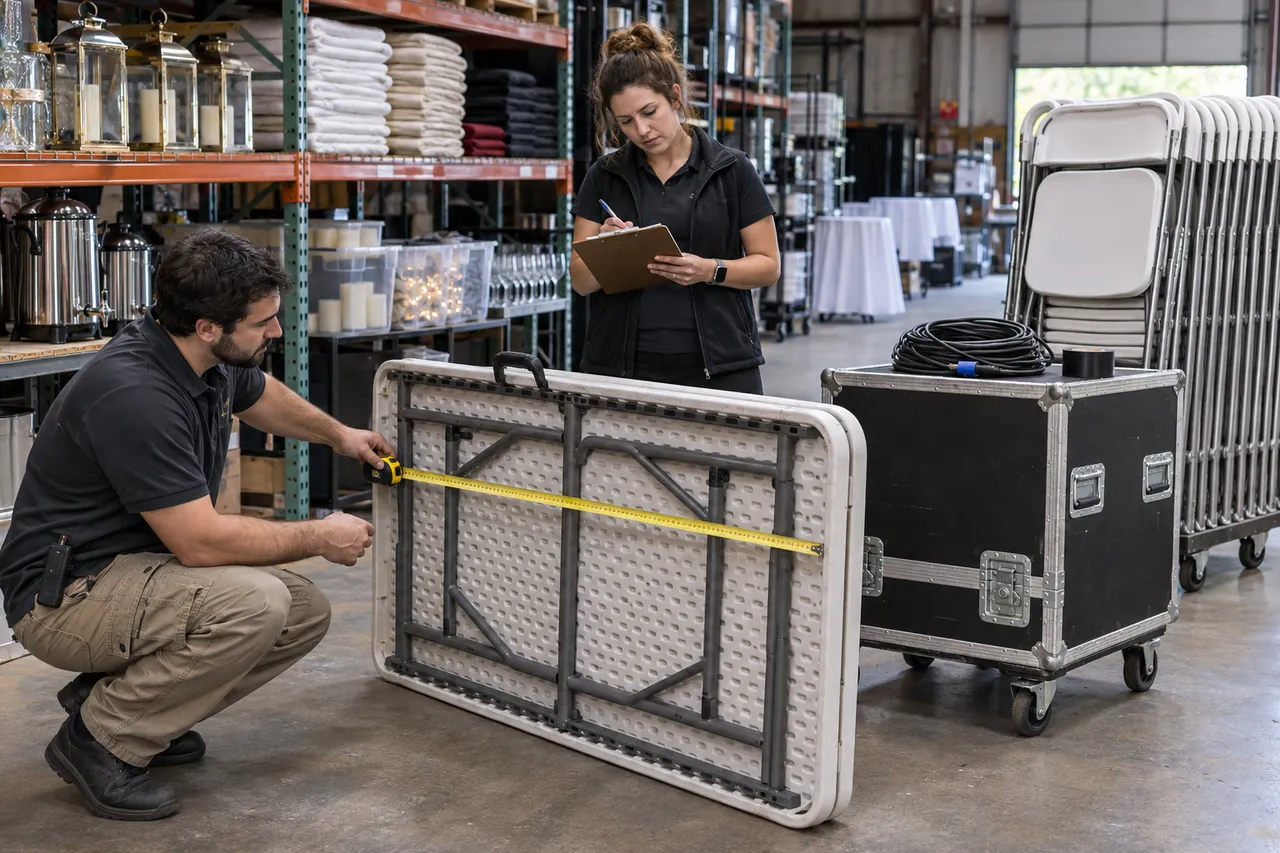
List the items the shop still needs after the delivery arrives. This might include approved related equipment, storage and handling equipment, documentation and staff time for receiving and verified preparation. Use the exact model’s requirements and follow your approved process for checking compatibility and condition. If an accessory is already in the fleet, check whether it is actually available for the new offer and whether the manufacturer allows the pairing. A shared item may be allocated to another booking.
Count preparation expenses that belong to the purchase. The shop might spend time checking the condition, setting up its asset record, taking catalog photos, preparing instructions or arranging a qualified inspection. Keep a clear distinction between the direct cost of getting the unit ready and the recurring costs of future jobs. Training or a special receiving arrangement can matter to the investment even if the business treats it separately in its accounts. Decide how to include it consistently in every comparison.
Look at used equipment carefully. Confirm the actual condition, documented history and any manufacturer information the team needs. A unit that requires qualified repair or missing parts may be unsuitable for the service. If it can be verified later, put the potential cost and risk in the comparison rather than treating the sticker price as a finished product. If you cannot verify a condition that governs safe operation, resolve it before relying on the offer.
Compare two offers with the same cost categories
Use one sheet with a row for each quote and columns for the unit, required included or added components, transport to your receiving point and documented preparation work. Give estimated charges their own line. Include applicable taxes and fees on the same basis for each quote and check how you should treat them with qualified guidance. Note the total, intended ready date and the conditions under which you can accept delivery. A worksheet becomes useful when it tells a second person exactly what was included.
Consider an illustration in one currency. Offer A is 2,500 for the unit, 420 for shipping and local collection, and 300 for an approved component it does not include. The team also estimates 120 for receiving and preparation. Its comparable subtotal is 3,340 before any other applicable charges. Offer B is 2,900 with the needed component included, plus 200 delivery and 100 receiving and preparation. Its comparable subtotal is 3,200 on the same basis. This is a comparison example, not a market price.
Now test the estimates. If the A shipment can share a genuine freight arrangement and its transport falls to 240, its subtotal becomes 3,160. That could change the price result but only if the transport and timing are verified. If B arrives too late to serve a booked window, identify what approved source could meet the job and what it would cost. Keep that affected job and any cash outlay separate so you can see the difference between the unit’s arrival cost and the consequences of timing.

Check whether the delivery options are truly comparable
Describe the expected receipt to both suppliers. Ask what arrives at the destination, during which hours and who is responsible for the next movement. Compare any written conditions for access, appointment scheduling, unloading and missed delivery. If the shop uses a separate receiving service, ask for its actual quote. The business should be able to see the entire path from dispatch to the place where staff can verify the equipment. Include any work the staff will perform instead of treating it as free because a supplier did not charge for it.
Walk the receiving location with the person responsible for it. Check ordinary access, working hours and the space needed to store the unit under the approved handling procedure. Confirm whether the team can safely receive it with the equipment and personnel available. Ask what happens if a shipment arrives early or cannot be accepted on the first attempt. An estimate that assumes a worker is always on site can produce additional time and charges. Add those to a risk range or verify a different arrangement.
Compare timing from purchase to verified readiness. One supplier may quote a delivery window starting when inventory is allocated. Another may describe the time in transit once the unit is ready to ship. Ask when each milestone starts and what the buyer will receive as confirmation. Include the actual inspection and preparation needed after arrival. The earliest theoretical delivery date may be inappropriate for customer commitments. Give the schedule a supported ready date and explain which dates are estimates.
Compare an apparently free accessory on its actual value
A quote might include an accessory the business already owns, or one that does not fit the exact model. Confirm what the accessory is and whether the manufacturer permits its use in the proposed configuration. Verify it in the written quote and documentation. The presence of an included part does not reduce the cost of another part the operation actually needs. Record the treatment consistently rather than assigning a retail value to a component the company will never use.
An included component may also use storage, handling or inspection time. Decide whether your receiving and tracking process can support it and whether it helps fill another compatible need. If the business needs a spare for dependable operation, compare the package with and without that item. Ask the appropriate person to verify any compatibility and service conditions. Count a real saving only when the package avoids a cost or gives the business equipment it can use under its procedures.
Consider a second unit with a different included package. List what would still need to be purchased to make both units comparably ready. If a quote includes a package of parts and training, note exactly what those services cover and which tasks the business still owns. Ask for clarification before treating an informal promise as included. A second person should be able to recalculate the total from the same inputs.
Compare receiving and recovery when something is wrong
Ask how the equipment will be identified and checked when it arrives. Find out which documentation the supplier includes and who should be contacted if a package is incomplete, incorrect or visibly damaged. Review the written delivery and warranty terms. Confirm the actions and timing you need to document a concern without assuming all suppliers use the same process. Assign a person to receive it and record the actual condition before it enters the ready fleet.
Look at the scope of support. A supplier may provide a particular warranty, but transportation, downtime or parts availability can still affect the business. Compare what is documented, how a claim would be handled, and whether qualified local support is available when needed. Record uncertainties separately from the confirmed price. A low apparent cost can be less attractive if the business has no usable plan when a part needs attention during the season.
Practice a delay before buying. If the unit is expected Friday and the shipper says Monday, who updates the schedule? What verified alternative can the business offer, and who communicates it? An expected receipt date is not the same as a unit ready for dispatch. Add time for receiving and verification to your internal plan. Offer it to a customer only according to the business’s approved readiness and commitment process.
Check what the purchase means for the first season
Put the proposed unit on the calendar with existing jobs. Check storage, qualified staffing, vehicles and the space needed for ordinary returns and approved preparation. Another model could require more time or equipment than the shop expects. Identify which crew can deliver the service and what work will compete for that person. A lower landed cost does not solve a lack of capacity to fulfill the package.
Use contribution from an actual type of order to see what the purchase needs to cover. Deduct direct expenses such as labor, transport and allowed consumables from the expected rental amount. Keep the landed cost and overhead visible, along with realistic downtime and expected work. If each completed example contributes 160 before ownership and overhead, a 3,200 subtotal corresponds to twenty such contributions before those other costs. That is a way to size the decision, not a forecast that twenty jobs will be available.
Try a less favorable booking mix. Customers may request only a few dates, or a larger share may require a more expensive delivery. Use the normal rate and actual service limits to check which orders the equipment can serve. Decide how many credible jobs you need before placing the order. A sourced rental or practice booking with existing equipment can help test some operating assumptions without claiming that demand for the proposed unit is already proven.
Check the amount that must be available and when
Map the outlays against the milestones in the written quote. There may be an initial payment, a later balance and charges paid directly to a delivery or receiving service. Keep a note of the currency and validity of estimates. Review applicable tax or tariff questions with a qualified person. The expected total and the times when the business must have money available describe different aspects of the same purchase. Neither should be inferred from a simple advertised amount.
Add another case where the unit is delayed. Record the estimated additional cost if it needs a second receipt appointment, secure short-term storage or a qualified review after arrival. Include only costs that follow from a plausible scenario and keep them separate from the confirmed landed price. You can compare the expected case with a reasonable range instead of making a single total look exact. Verify which uncertainties can be removed with written terms before committing.
Do the same exercise with an order that includes several units. Divide shared delivery work appropriately, keeping a note about the method. One single unit may require the same vehicle appointment as a smaller palletized shipment, while an additional unit might change handling and storage. Ask which costs actually change with quantity. The right comparison may be between buying one now, placing a consolidated order later or using an approved supplier for occasional demand. Check that each alternative still supports the dates your team can serve.
Preserve the evidence after making the decision
File the supplier offer, written inclusions and cost assumptions with the decision. Note which costs were estimated, who verified them and how the quote will be accepted. Record the received item against the same identifiers. If the final invoice or receiving work differs from the estimate, record the cause while the circumstances are still clear. This gives the team a better baseline for its next purchase.
Review the first orders and repairs. Check whether the ready date, setup work, direct cost and booking volume matched the model. An equipment comparison may have accurately estimated delivery but missed a separate accessory the warehouse repeatedly needed. Correct that assumption before expanding the fleet. When the next supplier offers a discount, compare it with a real record of the work rather than a previous list price.
The buying decision should show what it takes to get the right unit into service, when it can actually earn money and how it fits existing jobs. Calculate that result on the same basis for each supplier. Then choose which offer is credible enough to support the operation, or defer the purchase until the unresolved costs or requirements can be verified.