Qualify larger event inquiries before blocking inventory
Qualify large event inquiries by confirming venue, service and approval details before placing a temporary hold on rental stock.
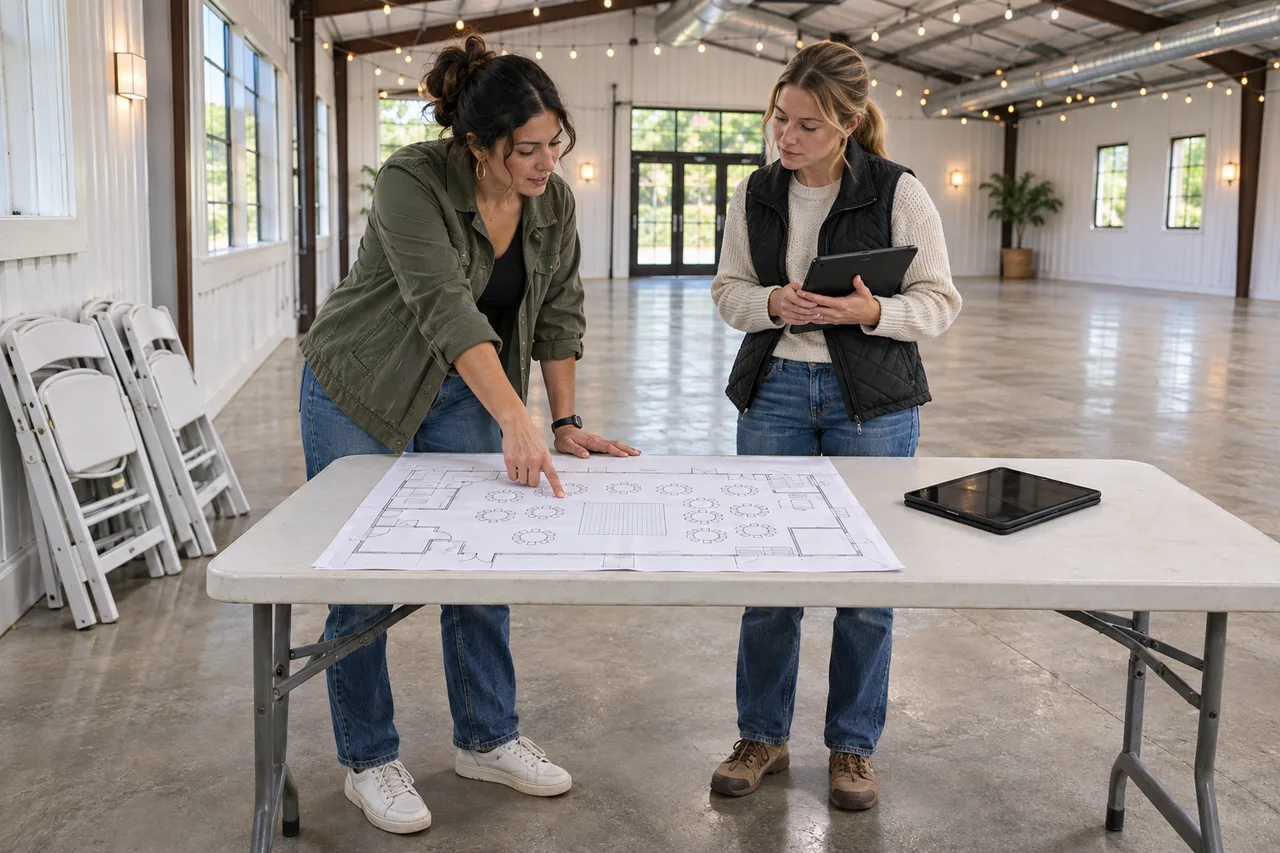
A planner asks you to hold two hundred chairs and twenty tables for a fall fundraiser. The venue is still being chosen and the delivery time is unclear. It is worth starting the conversation, and it matters how much stock and work the business promises while the details are open. Qualify the event far enough to understand what you could deliver, then apply a specific temporary hold or confirm the order using your normal booking process.
Start with one larger order that would consume a noticeable share of equipment or crew time. Think about what you need to know before making a meaningful quote and which facts determine whether you can accept the work. A venue decision may change access, layout and truck requirements. A head count may change quantities without changing the type of work. Capture those differences early so the customer and rental desk can make decisions in a useful order.
Ask for the details that change whether you can serve it
Begin with the date, venue or shortlist, estimated attendance and purpose of the rental. Ask what has to be ready by when. For an evening event, the room may need to be available several hours before the guests arrive. Ask who can receive the crew and when collections can happen. Record which facts are confirmed and which are still being decided. That keeps a preliminary estimate from becoming a promise for an unconfirmed time.
Understand the requested equipment and service. Determine whether the customer needs a drop-off, a complete placement plan or coordination with several venue teams. Large orders often include work that differs by room. A guest count alone won't tell you how many chairs are needed in each space or whether tables need to move during the event. Ask for any available floor plan and identify the employee who can help confirm the layout.
Write the first review in ordinary language. For example, “Friday dinner for about two hundred. Venue B preferred, room and access pending. Customer needs a furniture estimate this week.” Give the lead a next action, such as confirming who can tell you whether the loading entrance will be open. Limit the request to the facts you need at each stage. A useful early review helps the organizer understand which decision makes the quote more accurate.
Find the person who can approve each piece of the plan
Ask who manages the event, who can accept the quote and who confirms building access. These may be different people. A coordinator could choose chairs and share quantities while the venue confirms an installation schedule. A purchasing contact may need a quote with enough detail to process approval. Confirm with the organizer how to share the offer and who can resolve a question about a setup instruction.
Discuss the spending range and which services need to be included. Make the work behind the quote visible so the customer can compare options. If a budget decision has not been made, a rough estimate for specific assumptions can help the planning conversation. State which quantities or site work the estimate assumes. Ask which choices the buyer would make if delivery or the necessary service changes the amount.
Set a time to revisit outstanding decisions. An event committee may meet next week, or a venue walkthrough may happen after a preliminary layout is approved. Record the expected date and the next check the rental company can perform. If the customer asks for an option that depends on another vendor, identify who will confirm it. The quote can progress without every question being answered at once.
Test whether the job fits the capacity that is available
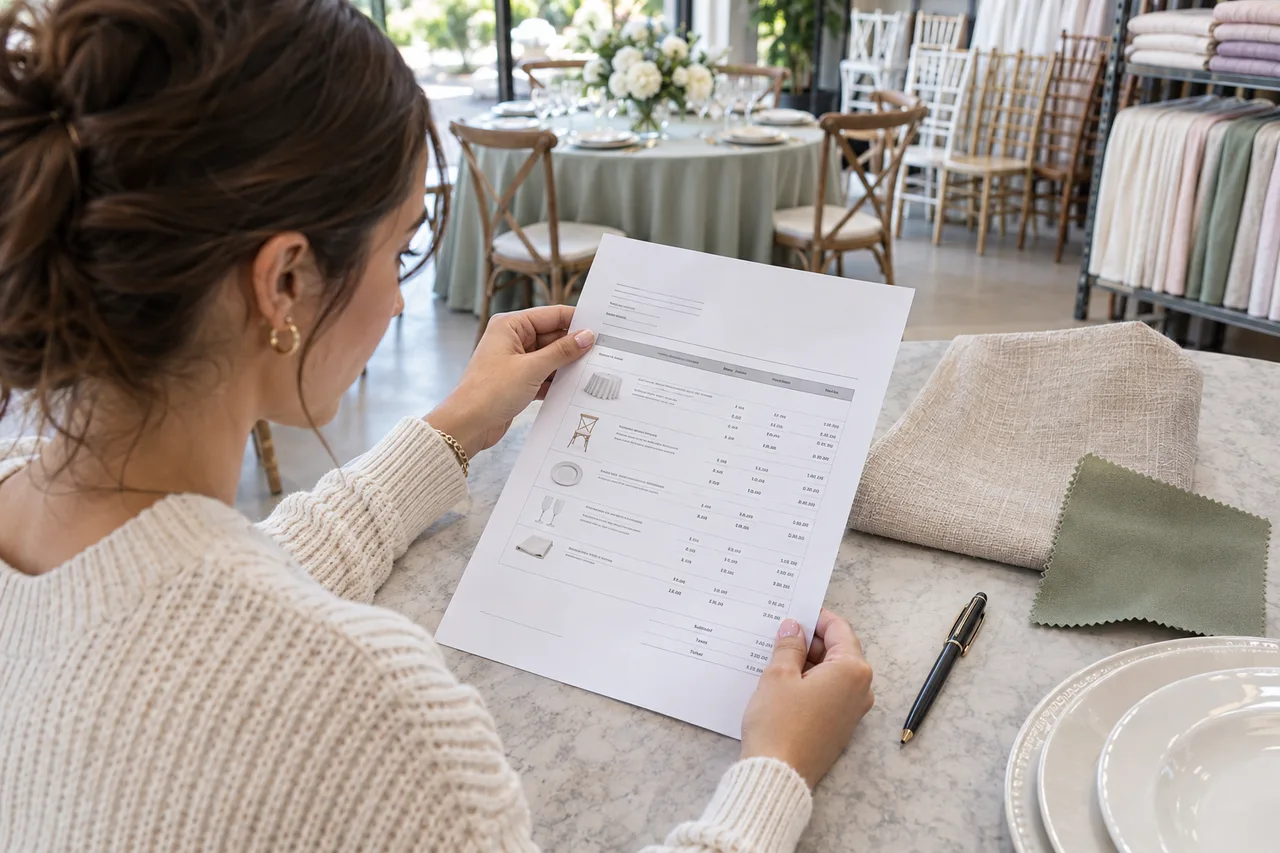
Check the stock over the full working interval. A Friday setup may require Wednesday or Thursday staging and the pieces might not be ready until after Sunday collection and inspection. Check which pieces are expected back from previous jobs and which already belong to reservations in that period. Quantity should reflect the items the warehouse can actually offer for the accepted service.
Review crew and vehicle time at the same point. If two jobs require the same truck during an early delivery window, decide which options are genuinely available. Ask about transport, staging and any need to receive the delivery in phases. A second vehicle or a separate pickup appointment may make a plan feasible. Confirm the ability to deliver before making the offer dependent on it.
Look at the alternatives for constrained pieces. If the requested style is short, ask whether suitable matching alternatives or a revised room plan would work. Check proposed subrental with the supplier before counting units from that source. The office needs to know when they could be received, checked and returned. A possible alternate belongs in the decision until the team has enough information to confirm it.
Quote the work outside the equipment count
Prepare the estimate around the equipment and the work the business will actually perform. A site visit may require travel and planning time. Staged delivery can involve extra warehouse preparation, dock time and several trips. After-hours collection or a second room setup may need a separate crew. Decide what is included in the base offer and give any additional service a recognizable line.
Discuss contingency items where they matter. The customer may need several spare chairs for a separate room or an approved backup for a live program. Verify that the backup can be staged, used and returned under the same arrangement. If the company is offering spare stock, include that inventory in planning rather than assuming that a piece held for another job could also be available. Make the inclusions visible to the team that will prepare the order.
Use clear assumptions for work that is still being reviewed. A quote could assume a single delivery to the main hall with a receiving contact and a fixed window. If the venue requires two visits, explain how the plan would be adjusted. Ask the appropriate decision-maker to review the change before it becomes part of the agreement. The customer and office should be able to tell which option the amount describes.
Apply holds consistently and explain how they end
Define when the business will place a tentative hold. Some events merit one after enough details have been agreed and there is a credible decision date. For a vague inquiry about several dates, you might instead check options without holding the full inventory on each one. Use the process the business can actually follow and explain what is reserved with each offer.
Make a hold specific. Record the items, quantities, service dates, booking reference and expiration. Decide whether it also affects labor or a truck window. Tell the organizer what must happen by the stated time, including any acceptance, payment or agreement step that applies. Share who to contact if approval is delayed. The sales person should be able to check whether the hold is still active before making another promise.
Review expired or changed plans. If an organizer asks to switch dates, recheck stock and service under the new timing before releasing a usable option or committing a different one. If a hold ends before a decision, update the stock through the ordinary process and let the responsible role know. Keep the customer informed about how a later request would be checked. Clear ownership reduces the number of large requests sitting on the calendar after their planning date has passed.

Walk through a large fundraiser inquiry
Suppose an organizer wants seating for two hundred and tables for the auction, with setup before 3 p.m. Saturday. The venue is likely to be a school, but another hall is in consideration. Sales records the desired types and sends a planning estimate based on one load to a single room. The estimate identifies the venue, access and collection time as decisions needed before a firm quote. The team can review the expected date without treating both venues as confirmed commitments.
The organizer confirms the school. It can receive deliveries between noon and two and needs some tables staged in a second room. The warehouse checks chairs and tables for the full interval, and dispatch confirms whether the truck and crew can handle the two rooms. The office adjusts the estimate to describe the specific work and checks whether an approved staging arrangement can meet the deadline. The planner needs to find out whether the organization will accept the updated amount.
The business can offer a short hold for the confirmed quantities once it knows the service fits. If the organization accepts, the order moves through the normal confirmation process and the warehouse receives the room and quantity instructions. If the organizer later asks for thirty more seats, treat the addition as a visible change with its own stock and delivery check. The committed arrangement stays clear while the office works through the request.
Give the office a way to recognize a workable order
Use a short checklist with fields the staff can confirm. It may include event dates, receiving access, estimated or confirmed counts, service requested, approval owner, quote amount and expiration. Add a place to name the current unknown and who is resolving it. Record whether the quote depends on another supplier, vehicle or access arrangement. The lead's state should make sense to someone taking over in the middle of the week.
Review what the warehouse will need once the offer is accepted. Use the room breakdown, expected load order, assigned equipment and selected service. Ask whether there are backup items, phased delivery or another return date. If a team will need to confirm conditions on site, attach the current approved instructions and the appropriate contact. A signed or accepted order still has to become an accurate work assignment.
Set conditions for moving to confirmed. The company may require acceptance of the current quote, approval of an agreement or a payment step. Use the actual process and make the result visible. If staff see a payment or signature that belongs to an older version, check what it applies to before treating the new work as confirmed. A review at this point protects both the customer decision and the available stock.
Review the inquiries that did and did not become bookings
After several larger inquiries, compare how often the shop found a workable option and which facts had the greatest effect. You might find that late venue selection created long holds, or that staff often needed another setup estimate after the quote went out. Ask which information would have helped earlier. Use the answer to change one part of the intake or timeline.
Check the outcome of holds. Record which converted, which were released and which affected other legitimate requests. Compare the time held with how long event approvals usually take. A long hold may be justified for a credible reservation with a defined decision date. Shorter holds might suit a popular Saturday with several pending inquiries. Look at actual results and give staff a clear explanation for the approach they use.
Keep one example of an accepted order and one the business had to adjust. Ask a new employee to identify which information changed, when stock was committed and how the next crew received it. They should be able to describe the process using the record rather than relying on who remembers the event. A large inquiry is qualified when the business understands what it could deliver, who can make the decision and when any inventory commitment begins and ends.
Decide what to learn during a site visit
Choose questions that a visit can answer before scheduling it. The team may need to verify the path from the service entrance to the room, see whether several orders share the same staging area or understand how the venue will receive a phased delivery. Ask which role at the venue can confirm those details. Share the purpose with the customer and include the visit in the quote review if it changes the work needed. Keep the scope proportionate to what remains unknown.
At the visit, compare the customer's current layout with the furniture and service being considered. Check room assignments, receiving points and the time at which each room is needed. Record what is still waiting on approval. For example, the customer might ask for a layout that depends on the venue opening a second room earlier than planned. Give that question to the person who can confirm it. The final quote should distinguish the accepted plan from options that still need a decision.
Use the visit notes when reviewing warehouse capacity. If the event needs two trucks or requires the same furniture in two spaces, identify that before checking the stock again. The visit can also reveal a way to simplify the order, such as an agreed staging area for both loads. Update the estimate with the practical change, and have the vendor or customer verify the affected commitment. The warehouse can then stage the correct items from the final list.
Give a conditional offer an owner and an expiration
Consider a case where your main site has a hundred and eighty suitable chairs and a branch expects to have thirty more. The inquiry calls for two hundred. A conditional quote could specify that the larger matching arrangement depends on confirming the branch transfer before a date. Keep the transfer window and receiving check visible. If the branch has already allocated its chairs, the office may be able to offer a smaller layout or another available finish. Confirm that proposal before treating any stock as committed.
Ask who reviews the condition at the agreed time. If the approval owner is traveling or the warehouse is closed, designate a colleague who can see the decision. Show how the customer is notified when the option is confirmed or becomes unavailable. When two competing inquiries depend on the same stock, the office should be able to trace which offers involve a real hold and which describe only a possible arrangement. Use the oldest relevant record to confirm the facts, and keep the live result visible.
Recheck the assumptions shortly before the event
After a booking is accepted, schedule a final review around the last useful time for changes. Confirm the current attendance estimate, room quantities, site contact, delivery plan and collection time with the people responsible. If the organizer has an approved revision, check the effect on stock and labor before updating the order. If the changes are only to signage or contact details, make sure they reach the affected crew without obscuring the accepted scope.
Keep the review short enough to repeat for the next large job. Send the warehouse the current room breakdown and highlight only changes that affect the work. Clear unresolved tasks when the responsible person verifies them. Ask the planner to confirm that the final summary reflects their decision. Qualification is successful when a big inquiry reaches fulfillment with the commitments everyone expected to make.
Use the confirmed order as the reference when a second employee communicates with the venue. Ask them to identify the agreed quantities, the first receiving window and any decision still pending. If the plan depends on a supplier or second vehicle, check its current status before sending the final instructions. That short handoff gives the customer a consistent answer and helps the next crew prepare without reopening settled decisions.