Evaluate an unusual rental niche with a real use case
Evaluate a specialty rental through a real event, from the customer’s constraint and available alternatives to support, return and repeat demand.
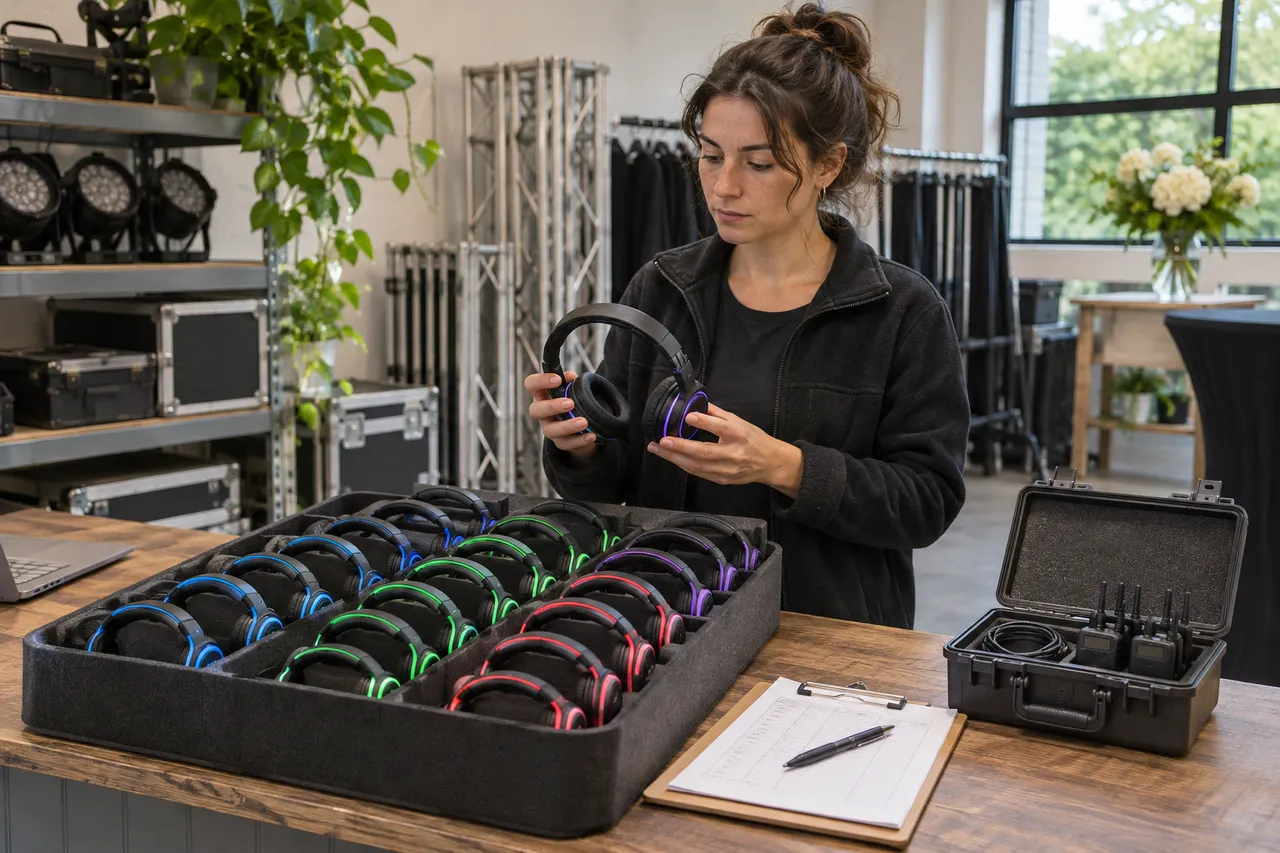
An event rental shop is considering wireless headsets for quiet presentations. The kit looks unusual in its catalog. The owner cannot tell whether planners like the novelty or genuinely need it. A museum has a real problem: it wants to run a guided presentation while other visitors use the same space. That makes it possible to evaluate the idea. The shop can find out whether the equipment solves the problem, whether the museum can use it, and what it takes to run that job a second time.
Use a specific rental scenario to test a niche before treating broad enthusiasm as demand. Follow the customer’s decision, the actual event and the condition in which the kit comes back. Include alternatives, support and the time your workers need. If the niche works, you should be able to describe the circumstances that make the service a fit and show someone else how to deliver it.
Write down the situation that makes the rental necessary
Start with a person planning a real job. Ask what they need to accomplish, what they are trying to avoid and what conditions are fixed. The museum might need forty people to hear short talks without using loudspeakers. Its galleries may remain open to the public. Staff might have a narrow window to distribute and collect the equipment. Those facts give the shop a purpose, quantity and service window it can test.
Find out which constraint the customer would pay to address. Sound reaching the rest of the building could make the guide’s usual approach unsuitable. The venue might also value being able to run the event with ordinary volunteers rather than hiring a dedicated sound crew. Ask which benefit actually governs the decision. Selling a larger kit when the visitor flow is the hard part could add equipment and leave the customer with the same problem.
Describe the outcome in plain language. A venue should be able to run two scheduled sessions, make the presentation clear to its audience and account for the devices before closing. Specify what you need the venue to supply. If the solution requires a compatible source or a trained staff member at the event, include that in the offer. A short written statement keeps the test focused on the problem rather than on the equipment’s novelty.
Compare the idea with the methods already available
Ask how the venue manages the same kind of event today. It might schedule tours outside opening hours, use a separate room or rent a different audio setup from a supplier. Compare the time, staff and cost involved. If an existing method works on most dates, find out what is different about the dates when the customer still needs help. That pattern may define a smaller but more credible rental offer.
Use the same event schedule to compare the alternatives. One plan might use an open room with enough distance from other visitors. Another may require changing the event start or limiting attendance. An alternative provider might include support the local shop does not have. Ask the customer to compare those tradeoffs alongside the price. A business does not have to beat every alternative. It needs to earn a place when the conditions favor the offer it can provide.
Pay attention to how buyers make the decision. A venue manager can explain the floor plan, a presenter can assess how the setup will be used, and someone else may approve the quote. Learn who has to see the package, agree to the schedule and understand the conditions. Let them assess the same description. If only the person impressed by the idea sees it, you still have little evidence about whether the venue can book it.
Design the smallest service that could prove useful
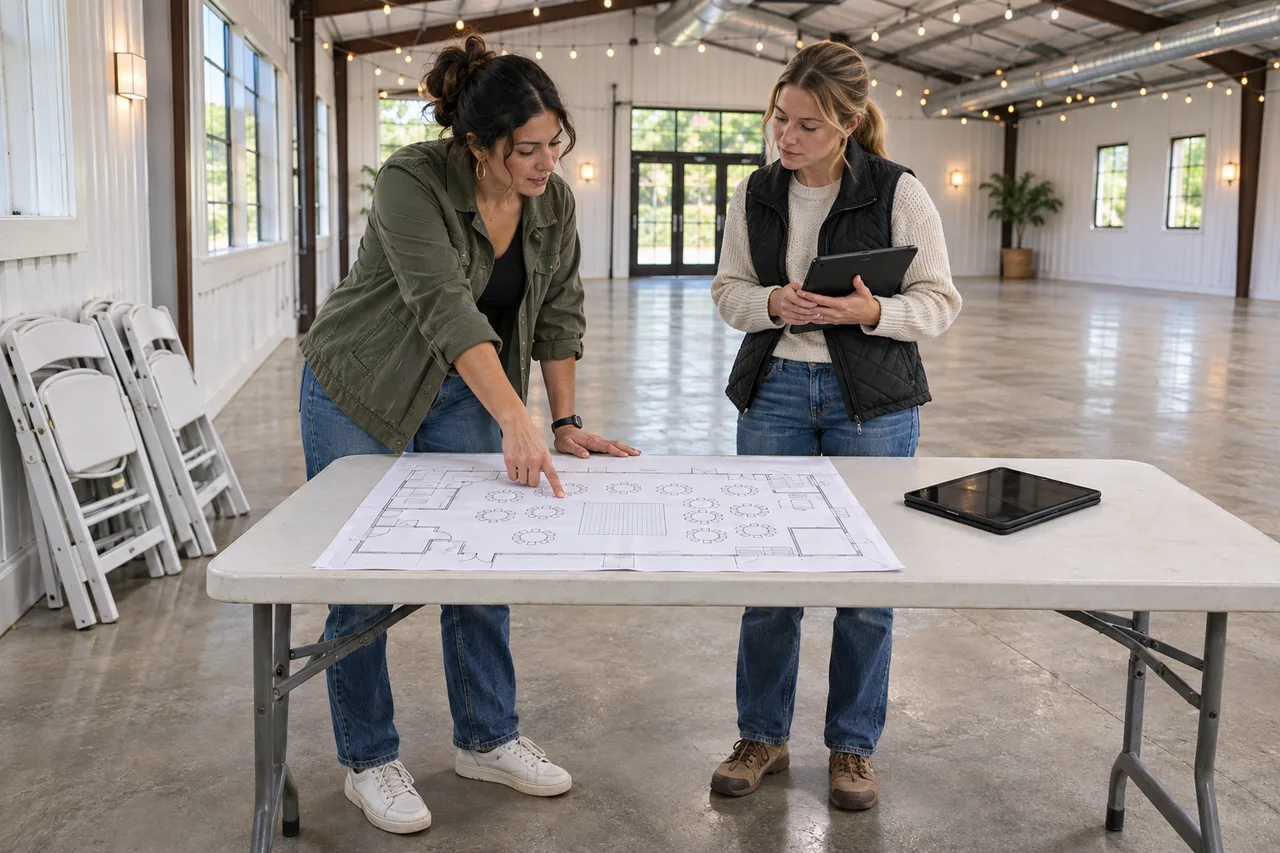
Put the equipment and work on a one-page outline. Include what is in the kit, how many people can use it, when it is delivered or collected, and what venue support is required. For the museum, a single session with a defined number of headsets might test whether guests can hear and whether volunteers can distribute and collect the gear. It may not need the same options as a longer conference with multiple areas.
Choose inventory you can fulfill responsibly. Use gear you own or a reputable supplier whose arrangement permits the job. Check that the project has the right accessories and enough time for preparation, handoff and return. Use the manufacturer’s guidance and qualified support where needed. A short rehearsal with the venue can reveal a condition such as the need to confirm audio input or provide a charging and storage area. Do not promise a result until you know the proposed kit and staffing can support it.
Agree on who will handle each stage. The shop may prepare a complete set and offer a delivery briefing. The venue may hand it to attendees, track devices and report issues. Define who can stop the operation if it does not work as expected and who provides an alternative. The test should model practical responsibilities, so the owner knows whether the next event can operate without being personally on call for everything.
Measure the work behind the advertised price
Count preparation tasks in advance. Headsets may need a condition check, a charge and a count even when they look ready in the case. An unusual display or interactive rental might need labeled pieces, interpretation at pickup or a short setup demonstration. Record exactly how long the ordinary preparation takes and which actions depend on a familiar person or workshop. Put it on the calendar with your existing jobs.
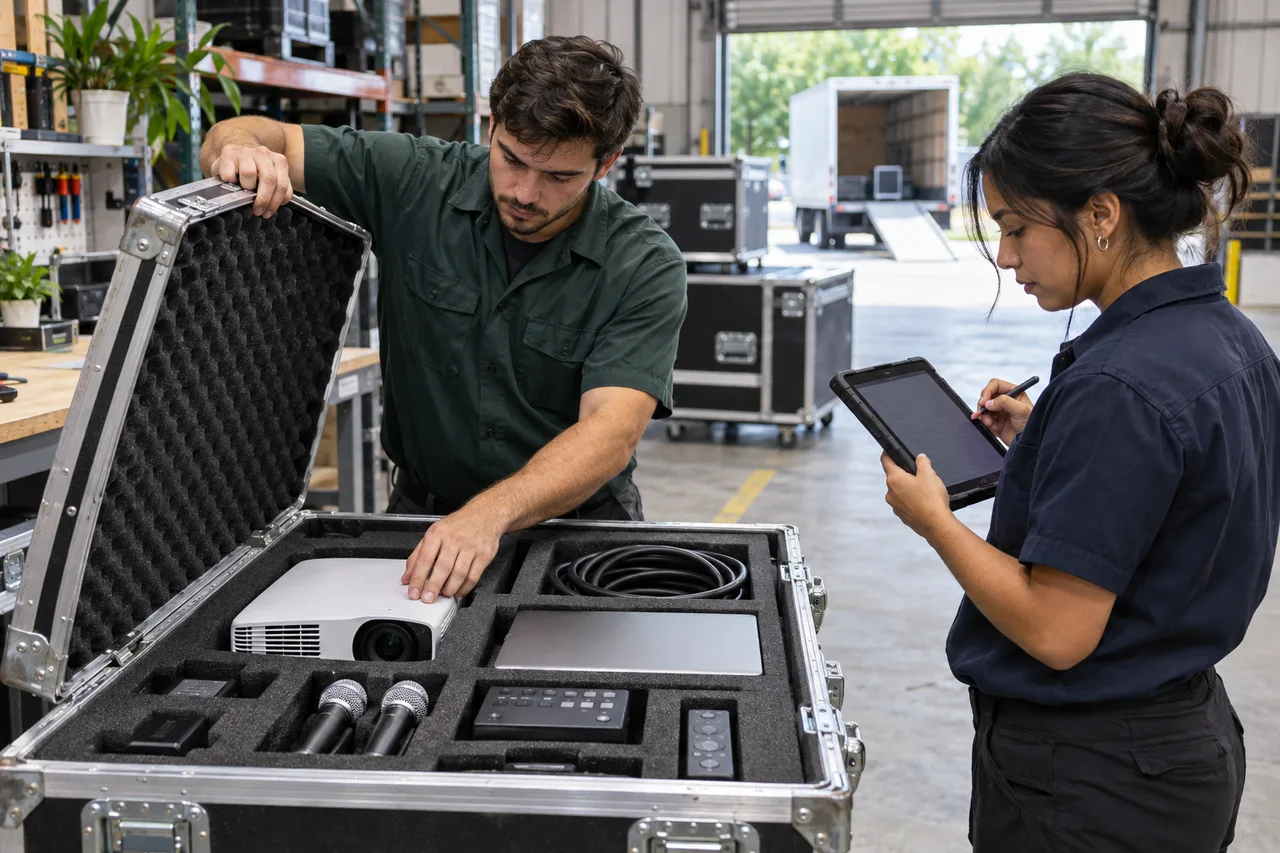
Include service at the venue. A package that takes minutes to drop off might require a long wait if the room is still occupied. A venue employee may need help with the handoff or confirmation that all components arrived. Decide which work the customer pays for and which falls inside the normal package. Include return, counting, cleaning, charging or inspection time. Count any piece that the shop cannot use on another booking during that interval.
Compare the revenue with those observed direct costs and the time the equipment is committed. Suppose a venue pays 350 for the trial and you use 140 in attributable labor, transport and supplies. The remaining 210 helps cover equipment, repairs and overhead. A second worker or longer collection can change the figure. The numbers are an illustration. Use your actual costs and timings to decide what the product needs to contribute on an ordinary job.
Observe the moments that most affect the experience
Before the event, ask the coordinator to describe what to do when the kit arrives and how to tell whether it is complete. During the event, observe whether the customer can use it under the conditions they described. The venue’s definition of success can be straightforward, such as getting everyone through a talk on time and letting people hear it. Keep the observation manageable so it does not turn the first use into a completely different staffed service.
Record mistakes and workarounds that would be hard to handle on a second job. A headset category may be missing an obvious way to distinguish ready and used pieces. A venue host may need a simpler explanation for a participant who has just joined. The shop may have to bring a backup or explain which source the kit works with. Each issue is a potential change to the package, training, stocking or support terms. Decide which changes are necessary to supply the offer consistently.
At collection, ask who is responsible for the complete set. Count devices and accessories against the packing list and check how they were returned. Include an item reported missing or in need of review. See how long it takes to make the kit ready for another customer. The return often exposes costs that a successful demonstration hides. Give a worker enough information to offer the next real date without guessing.
Test whether the second job has the same valuable constraint
Find a second venue with a comparable reason to use the offer. It may be a conference with audio from a breakout area or an exhibition that wants to present a short talk in an open hall. Write down which requirements match the museum and which differ. One venue may have its own staff to handle equipment, while another needs a different service level. A product can serve both only if the shop can explain and meet the different responsibilities.
Compare which parts of the first job were unique. The buyer may have agreed because they knew the owner or because there was no alternative on that date. A good relationship can help run a pilot. It cannot by itself validate a broad audience. Look for another customer who has similar time, space or service constraints and can book under the ordinary terms. Offer a standard version before creating a new setup for every request.
Look at the schedule across both jobs. If all potential customers need the same afternoon, the economics of one kit can be different from the sum of all the inquiries. Check how many days it stays ready and idle, and how long the business needs after return. A second kit is useful only when there are enough workable orders and staff can turn it around. Record periods customers actually requested rather than expecting a steady rate from a small sample.
Separate a real constraint from a feature people simply like
Ask the venue to compare the planned operation with what happened. Suppose the presentation worked, and the organizers praised the colors of the headsets. The more useful evidence might be that staff could run two sessions while the rest of the gallery stayed open. Ask what they would do without the kit next time. If keeping the gallery open is the reason they would reserve it again, put that requirement at the center of the offer. If they would be equally happy with a different schedule, the solution might be less valuable than the compliments suggest.
Find out what the venue expects to handle internally. One coordinator may be comfortable briefing volunteers and holding a box for returned devices. Another may want a worker to stay for the full event. Frame those as two configurations with different labor needs. A staffing change may also affect the shop’s capacity, because the worker cannot prepare the next rental while waiting at the venue. If you cannot supply both versions, explain the service you can reliably provide.
Try a small table of findings from the first event. List the issue, what the customer expected, how it was handled and what it would take to handle again. Record where setup details were verified and where a workaround was required. For example, a remaining task could be to check a presenter’s equipment before the first session or to make the venue’s collection point clearer. A useful result tells the next person exactly which conditions to verify when a similar request arrives.
Rehearse the return as carefully as the first demonstration
Try the return process with someone from a different shift. Give them the expected quantity and how the kit was packed. Ask them to identify which devices were used, which are ready for charging and whether any accessories are missing. If a charging indicator or a visual condition check needs interpretation, document it following the maker’s guidance or refer it to a trained worker. Mark the case unavailable during any work the business needs to do before releasing it.
Give the person doing receiving a way to record a partial return. Suppose the venue finds a missing headset after the rest of the kit has left. The shop can record what it has and schedule a later pickup or drop-off without pretending the full set is already ready. Determine whether the remaining quantity can support another order and show the option to the office. A smaller rental may still work. Asking staff to infer it from a handwritten note can create a second shortage.
Compare storage and readiness after a typical quiet week. Charged equipment might still need an updated count, and a case containing an unresolved issue can get mixed with ready inventory. Put the reached state somewhere visible and use the actual routine in your trial numbers. That makes the package more likely to work when the shop gets its first repeat booking.
Decide how the niche should appear in the catalog
Describe the use case readers will recognize. A title such as “Outdoor ceremony audio” or “Headsets for guided presentations” tells buyers more than a product code. Say which type of event the package is designed for, how many people it serves, how the service is supplied and which cases need review. A photo of the full kit and one of a real use, when you have permission to use it, help customers picture the work.
Choose a booking path that matches the risks. A standard package might have a known quantity, date and pickup window. An event with several rooms and strict timing may need a quote. Tell customers which details the shop needs and how quickly they can expect a reply. Put the expensive exceptions behind a clear review instead of offering every option in a generic checkout.
Give staff a way to separate it from less suitable inquiries. An event asking for equipment only as decoration may need a different item. A room with mounting or installation requirements may need a qualified crew the basic service does not include. Record the simple conditions that should prompt the team to ask before committing. This protects the customer’s event and helps the office use its time well.
Set a test result that can lead to several choices
Compare the stated problem with what the first two events actually required. Review whether the customer agreed to terms, how well it served the event, what staff had to do and how much the job contributed. Keep any extra labor or support visible. If things went well only because the owner spent the whole event on site, that is evidence for a staffed offer at a different rate or for further testing, depending on what the customer values.
Decide whether to operate the offer as a small standard package, a specialty quote or a sourced service. A standard product suits repeatable work with known inputs. A quote can fit an unusual job that varies by room, audience or support. A supplier relationship can preserve a useful option when demand is too infrequent to own the gear. Record which conditions would justify changing that decision after a season.
If the test contradicts the original plan, keep its useful observations. The equipment might suit a different use case where the team can provide support or where existing alternatives are less convenient. Recheck that assumption with a customer before investing in changes. If the original problem appears only once, record a way to respond if it returns while reserving your time and warehouse space for offers you can serve repeatedly.
A specialty rental earns a place when a real job needs it and the shop can deliver it reliably. Start with the venue’s constraint, follow the kit through the event and inspect the return. The result gives the business a sound reason to repeat the offer, change it or keep it available only when the right job appears.